
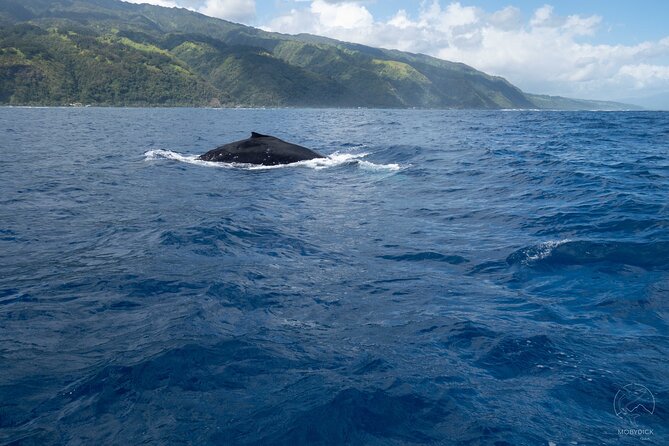
REVIEW · TAHITI WHALE WATCHING TOURS
Whale watching on the preserved and quiet coast of Paea (Pk26)
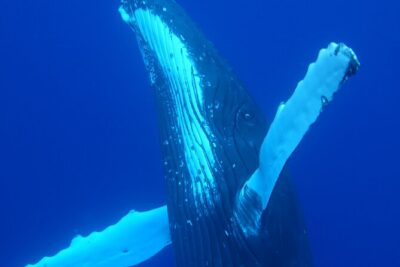
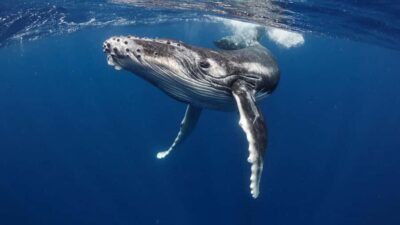
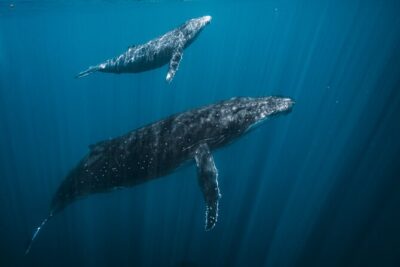
Whales make Tahiti feel wonderfully wild. This four-hour trip explores the quiet coast between Paea and Papara, where I like the small-group boat and the guides’ careful respect for whale approach rules. I also like the chance to hear male humpbacks through the onboard listening system, not just watch them surface.
The main catch is simple: whale sightings, and especially swimming, are never guaranteed. The ocean can turn rough, the boat leaves from a basic roadside meeting point, and swimming with fins, mask, and snorkel requires more fitness than a casual dip.
Key points to know before booking
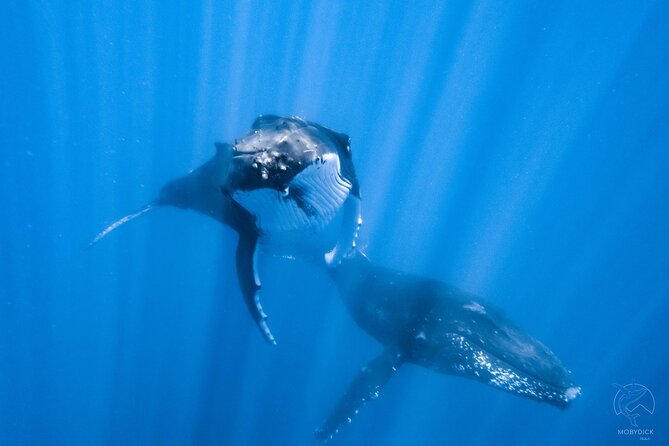
- Whale watching off Paea and Papara: A less frequented stretch of Tahiti’s coast gives the trip a quieter feel.
- Three boat choices: Choose six swimmers, up to 12 swimmers with rotation, or a private boat for up to 12 people.
- Swimming is conditional: The guide decides if entering the water is safe and permitted under DIREN rules.
- Strong wildlife encounters are possible: Past outings have included humpback whales, dolphins, a grey shark, and flying fish.
- Compact four-hour outing: You meet at PK 27 in Paea and return to the same point.
- Bring weather protection: Conditions can change quickly, and seasickness is a real possibility.
Why Paea is a smart place for whale watching
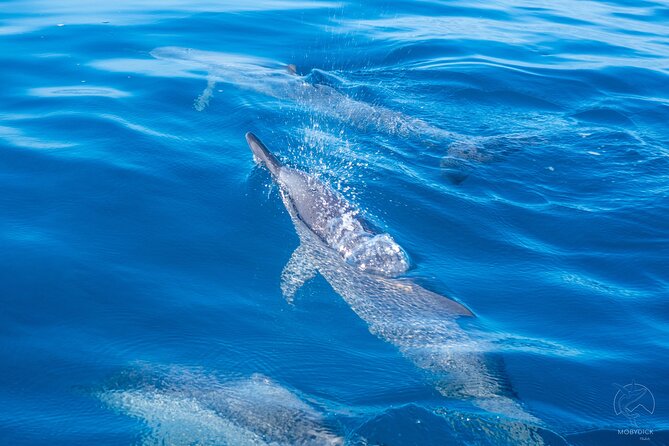
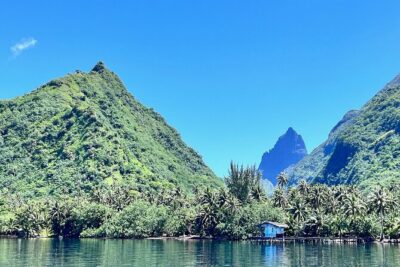
This trip works from the coast around Paea and Papara, on Tahiti’s less developed western side. That matters because the outing is not built around a crowded harbor spectacle. You reach the water from a relatively quiet part of the island, then head into open sea with a small maximum group of 12.
The area is not a guarantee of whales. No responsible operator can promise that. It is, however, a good setting for a trip based on patience rather than a fixed animal show. The guides search for humpbacks, watch their behavior, and follow the approach rules set by DIREN, French Polynesia’s regional environmental authority.
I especially like that the experience includes more than surface sightings. A listening system on the boat broadcasts the calls of male humpback whales. You may hear them before you see them, which gives the outing a sense of connection without putting pressure on the animals.
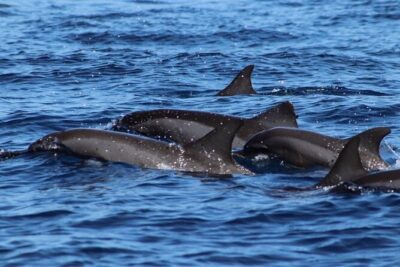
The most successful days can produce several kinds of wildlife. One outing recorded four humpback whales, two pods of dolphins, a grey shark, and flying fish. That is not a promised itinerary, but it shows why the open-water setting can reward your attention between whale sightings.
A few more whale watching trips around French Polynesia worth a look
- Swimming with Whales in Moorea (Half Day tour)
★ 4.5 · 264 reviews - Whale Tour – Observe and swim with whales
★ 5.0 · 257 reviews - Whale Watching Tours in Bora Bora
★ 4.5 · 250 reviews
Meeting at PK 27 and getting straight on the boat
The meeting point is at PK 27 in Paea. There is no hotel pickup, office, or changing room, and boarding is immediate. Plan to arrive ready to go, rather than expecting a check-in building where you can change clothes or store belongings.
The meeting time is not necessarily the departure time. The crew needs to hand out equipment and give a safety and whale-biology briefing before leaving. One complaint about a delay of more than 30 minutes was answered with this explanation, and it makes sense for a boat carrying several swimmers. A careful briefing is more useful than a rushed departure.
The boat is the Stenella, a modern 28-foot craft described as comfortable and spacious. With a maximum of 12 people, it is far more personal than a large sightseeing vessel. Still, comfort is relative. You are on open water, and the return journey can be rough when weather shifts.
Bring sun and rain protection. A light waterproof layer, sun protection, and secure personal items are sensible choices. If you tend to get seasick, ask a pharmacist about suitable medication before the day of the trip. The operator specifically warns that conditions can change fast.
Three ways to arrange the boat
You can choose among three formats, and the choice affects both comfort and the time available in the water.
The six-swimmer option is the best fit if swimming with whales is your main goal. It allows a small group in the water, along with other people who prefer to watch from the boat. Fewer swimmers usually makes the process easier to manage when the guide gives instructions and positions people for a safe observation.
The 12-swimmer option costs less, but it comes with a rotation system if more than six people want to enter the water. That is an important detail. You may spend part of the whale encounter waiting for your turn, particularly if conditions allow only brief water entries.
The private boat carries one to 12 people. It is the obvious choice for a family group or friends who want control over the company they keep. The supplied information does not state the private price, so check the current amount before booking. The standard listed price is $205.27 per person.
At that price, I see the trip as a special-occasion outing rather than a cheap add-on. You are paying for a small boat, a trained crew, equipment if needed, and the possibility of seeing humpbacks in open water. The value is strongest if you care about responsible wildlife viewing and want a chance to swim, not if you need a guaranteed sighting.
The search for humpback whales
Once the Stenella leaves shore, the central part of the trip is a search. There is no fixed route with a sequence of stops. The captain and guide look for whale activity, listen for calls, and adjust the boat’s position while keeping the required distance and approach standards.
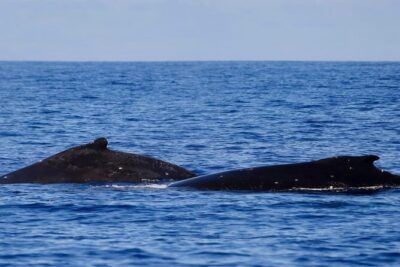
That uncertainty is part of the deal. A whale can surface once and disappear. It can remain below the boat, show only a back or blow, or change direction before anyone enters the water. You will need patience and a willingness to treat a sighting as a wild encounter, not a scheduled performance.
The crew’s role is one of the strongest parts of the outing. The guides explain whale biology and supervise any approach. Several highly positive accounts praised the guide’s care, clear direction, and ability to help everyone feel looked after. Isabel was also praised for handling rough water skillfully on the journey back.
Language may require a quick check before you reserve. One participant felt the outing was conducted in French, while the operator said the briefing is normally given in English when English-speaking people are present. If clear English instruction is important to you, confirm this directly before booking.
The trip takes about four hours, which gives the crew time to search rather than turn around after a short unsuccessful run. Even so, four hours on a boat can feel long if seas are rough or whales stay out of sight. That is the tradeoff for seeking wild animals in their own environment.
Same water, a different way to meet them:
- Swim with humpback whales
★ 5.0 · 224 reviews - Humpback whale watching and marine life in Moorea
★ 5.0 · 199 reviews - Half day whale tour 4h00
★ 4.5 · 181 reviews - Private tour observing and swimming with humpback whales in Moorea
★ 5.0 · 126 reviews
What swimming with the whales actually requires
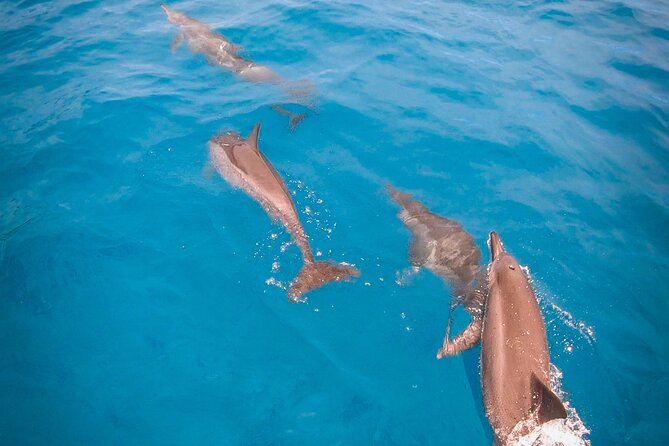
The water entry is not automatic. The guide decides if swimming is allowed based on the whales’ behavior, sea conditions, and the environmental rules. The guide can refuse a swim even if whales are nearby.
You must be able to swim at least 200 meters wearing fins, a mask, and a snorkel. That is a meaningful fitness standard. It is not enough to be comfortable standing in a lagoon or paddling close to shore. One critical account felt that the required effort was not made clear enough, so take the requirement seriously.
Children under 10 cannot swim with the whales. They may be able to participate as observers, since the general information says most people can take part, but the details of a child’s role should be confirmed before booking.
The operator supplies snorkeling equipment if you do not have your own. You still need to be comfortable using it. Practice with fins, mask, and snorkel before the trip if your experience is limited. A calm, efficient swimmer has a better chance of following instructions without tiring quickly.
Do not book this as a guaranteed whale swim. You might see whales only from the boat. You might enter the water but see a whale briefly, at a distance, or not at all after the entry. That can still be a worthwhile wildlife outing, but you should be comfortable with the possibility before paying.
Wildlife beyond the humpbacks
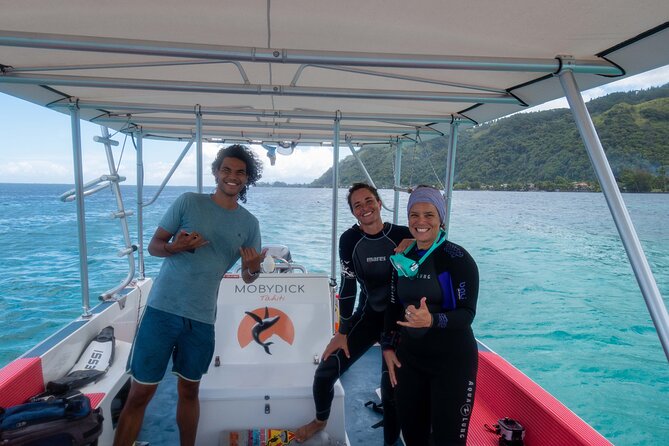
Humpback whales are the main reason to book, but the open water can produce other encounters. Dolphins have appeared in pods, and flying fish have been seen during the boat ride. A grey shark was also recorded on one outing.
These sightings are incidental, not promised. They help explain why you should keep watching even during a quiet stretch. The crew’s attention to marine life adds value to the ride, especially when whales take time to surface.
The onboard sound system adds another layer. Male humpbacks sing underwater, and the boat can broadcast their calls. You may appreciate this most when visibility is limited or the animals remain below the surface. It gives the guide something meaningful to share while the boat waits and watches.
The best approach is to judge the trip by the quality of the encounter, not by a checklist. A respectful sighting from the boat may be more memorable than a rushed water entry. The operator’s rules are designed to protect both you and the whales, so an exciting day may also include moments when the crew says no.
Comfort, safety, and the rough-water question
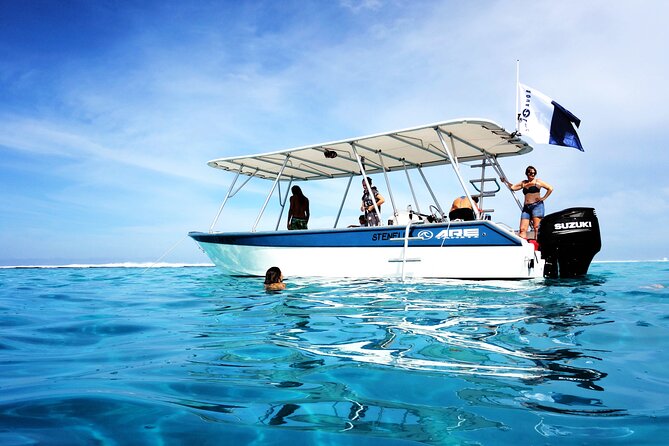
The Stenella is modern and spacious for a 28-foot boat, but it is still a small craft on the open sea. The return can be bumpy, and the weather can change rapidly. If you are sensitive to motion, prepare before boarding rather than hoping the sea stays calm.
There is no changing room. Wear swim-ready clothes under your outer layer and bring whatever sun or rain protection you need. Since the boat returns to the same meeting point, you can leave from your accommodation already prepared, but you should not count on changing at the departure site.
The crew supervises the whale approach and water entry. You must follow the guide’s instructions, remain within your swimming ability, and accept that conditions may end the swim. The 200-meter swimming standard is the clearest indication that this is an active excursion, not simply a boat ride with an optional splash.
The maximum of 12 people helps. It gives the guide a manageable group and reduces the crowded feeling common on large marine tours. If your priority is personal space and maximum water time, the six-swimmer or private option is worth considering.
Who gets the best value from $205.27
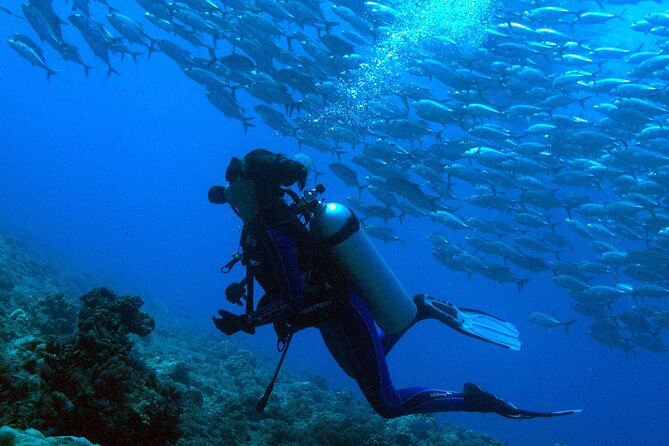
At $205.27 per person, the standard trip costs enough that you should match it to your expectations. I think it offers good value for someone who wants a small-group wildlife outing, understands that nature controls the schedule, and values responsible whale watching.
It is a weaker choice if you need certainty. There is no guarantee of whales, dolphins, or swimming. A person who dislikes open-water motion or cannot swim 200 meters with snorkeling gear may get little from the water-entry part of the experience.
The trip suits strong swimmers, couples, small groups of friends, and families with older children who can manage a boat day. It also suits anyone who prefers a quieter coast and a guide-led search over a large commercial cruise.
The private boat may make financial sense for a group of up to 12, but the current private rate is not supplied here. Compare it with the per-person option and consider how much you value avoiding rotation in the water.
Book as early as possible if your dates are fixed. The trip is often reserved about 17 days ahead, and confirmation is not instant. You should receive confirmation within 48 hours, subject to availability.
Booking rules worth taking seriously
This experience is non-refundable and cannot be changed for any reason after booking. That makes travel insurance and a careful weather plan worth considering, especially if your Tahiti schedule is short.
If poor weather forces cancellation, you are offered another date or a full refund. If the minimum number of people is not reached, the operator offers another date or experience, or a full refund.
The trip has mobile ticketing, but the practical point is simple: wait for confirmation before treating the outing as fixed. The start and finish are both at the Paea meeting point, and you must arrange your own transport.
Should you book the Paea whale trip?
I would book it if you want a serious chance to see humpbacks in open water and you accept that the whales make the rules. The strongest reasons are the small boat, the quiet Paea and Papara coast, the onboard whale calls, and the crew’s repeated emphasis on respectful approaches.
I would skip it if you need a guaranteed swim, struggle with seasickness, or are not ready for the 200-meter swimming requirement. Before paying, confirm the language used for your safety briefing, check the real-time availability, and choose the six-swimmer or private option if water time matters most.
The right mindset is simple: hope for a whale swim, prepare for boat-based watching, and consider every sighting a privilege rather than a scheduled event.
FAQ
Where does the whale watching tour start?
It starts at PK 27 in Paea, French Polynesia, and ends back at the same meeting point.
Is hotel pickup included?
No. The operator does not provide pickup service, so you need to arrange your own transport to Paea.
How long does the experience last?
The tour lasts about four hours.
Are whale sightings guaranteed?
No. Humpback whales are wild animals, and sightings are not guaranteed.
Is swimming with the whales guaranteed?
No. The guide decides if swimming is allowed based on conditions, whale behavior, and the approach rules established by DIREN.
How fit must I be to swim?
You must be able to swim at least 200 meters while wearing fins, a mask, and a snorkel.
Can children swim with the whales?
Children under 10 years old are not allowed to swim with the whales. The operator should confirm the arrangements for younger children who want to join as observers.
Just added around French Polynesia
- Whale Watching Activity★ 5.0 · 8 reviews
- Tahiti, land of whales: a unique experience!★ 5.0 · 11 reviews
- Observe and Swim with Whales in Tahiti★ 4.5 · 14 reviews
- Whale watching DE Tahiti Peninsula★ 5.0 · 12 reviews
- Whale watching in the calm of the peninsula with Tātahi tours★ 5.0 · 6 reviews
- Half Day Whale Watching in a Small Shared Group★ 5.0 · 33 reviews
- Whale watching DE Humpback West Coast of Tahiti★ 5.0 · 3 reviews
- 4 Hours of Humpback Whale Watching in Tahiti★ 5.0 · 36 reviews
Tahiti Whale Watching Tours, compared.
Guided Small Group Whale Watching and Swim Tour Tahiti
Read our review →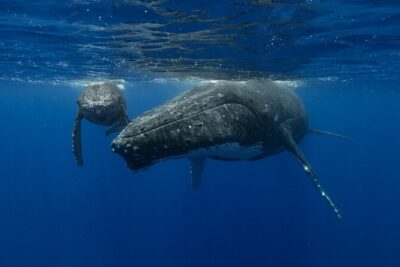
Half Day Whale Watching in a Small Shared Group
Read our review →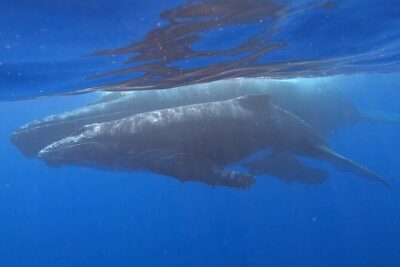
Browse the lists this tour appears in