
REVIEW · TAHITI WHALE WATCHING TOURS
Observe and Swim with Whales in Tahiti
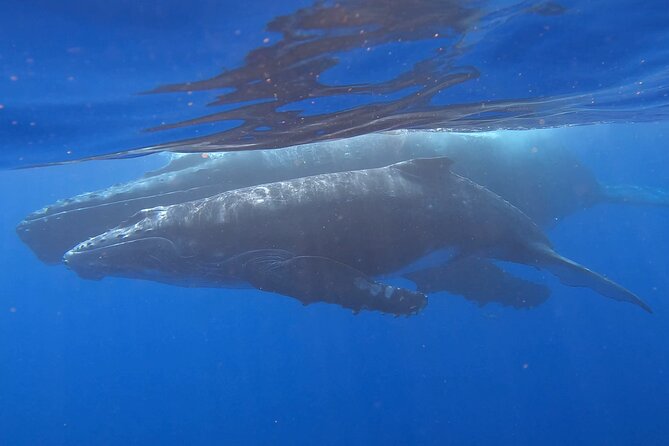
Whales turn a boat ride into a wild encounter. This three-hour Tahiti outing combines open-ocean whale watching with a possible in-water meeting, then adds snorkeling with turtles and other marine life. I like the small limit of 10 people, which keeps the boat from feeling crowded, and I like that the crew puts respectful whale behavior ahead of forcing a swim. The equipment, towels, and a guide are included, so you can focus on the water.
The main catch is simple: swimming with whales is never guaranteed. Rough seas, moving whales, or animals that are not settled in one place can cancel that part of the plan. You may still see breaching whales, hear a male singing underwater, and snorkel with turtles, but you need to book this as a wildlife outing, not a guaranteed whale-swim appointment.
Key Points to Know Before You Go
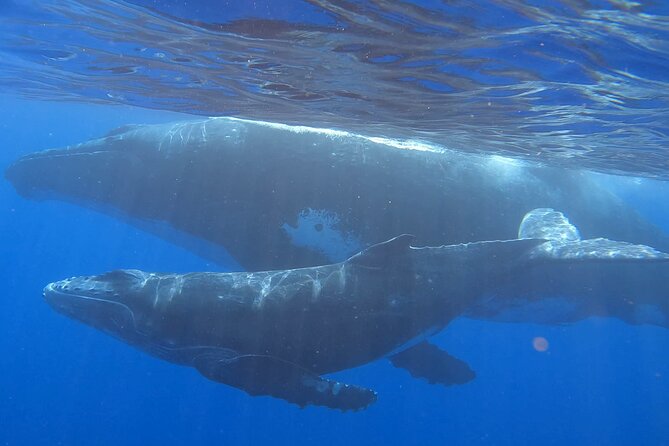
- Whales and calves are the main event: The trip searches Tahiti’s warm Polynesian waters for humpback whales, including young calves.
- A whale swim depends on conditions: The crew approaches only when the sea, whale behavior, and location make it appropriate.
- The group is capped at 10 people: This gives you a better chance to hear the guide and get a clear view from the boat.
- Turtle snorkeling adds value: Even when whales keep moving, the outing can finish with time in the water around green turtles, hawksbill turtles, sharks, and other sea life.
- Johannes and the captain have earned strong praise: Their whale knowledge and respectful handling of rough conditions are major strengths.
- Sea conditions matter: Rough water has prevented swimming on some outings, and one person became seasick and was taken back to shore.
Leaving Te Moana Tahiti Resort for the Lagoon and Ocean
You meet at Te Moana Tahiti Resort in Puna’auia, on the western side of Tahiti. The activity ends at the same point, which keeps the day straightforward. The tour lasts about three hours, giving the crew enough time to search for whales without turning the outing into an all-day commitment.
The boat works between the lagoon and the open ocean. That change matters. The lagoon offers calmer water and a more relaxed setting for snorkeling, while the ocean is where you have the chance to look for whales and calves. Conditions can shift quickly once you leave sheltered water, so you should be ready for a ride that feels calm one moment and rough the next.
The boat is described as comfortable, and the operator supplies fins, mask, snorkel, and a bath towel. That saves you from packing bulky water gear. You still need to arrive ready for a wet outing, since the plan includes swimming and snorkeling if conditions allow.
With only 10 people permitted on board, this is not a large sightseeing boat. I see that as one of the best features. You have fewer people competing for a view, and it is easier to stay close to the guide when instructions matter. A small group also makes it easier for the captain to adjust the plan around whale behavior.
More Swim-with-Whales Trips in French Polynesia:
- Swimming with Whales in Moorea (Half Day tour)
★ 4.5 · 264 reviews - Whale Tour – Observe and swim with whales
★ 5.0 · 257 reviews - Swim with humpback whales
★ 5.0 · 224 reviews
Searching for Humpback Whales and Their Calves
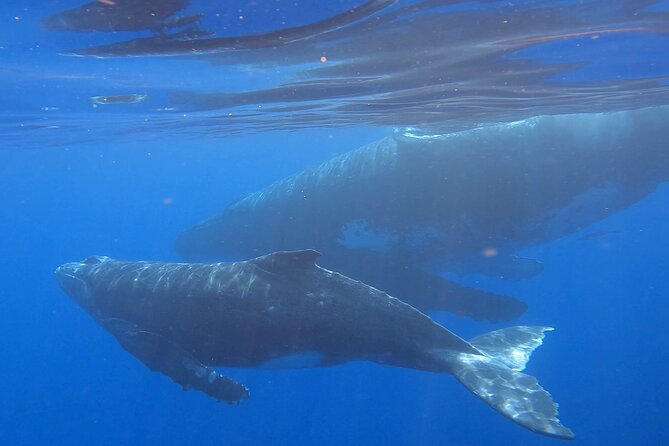
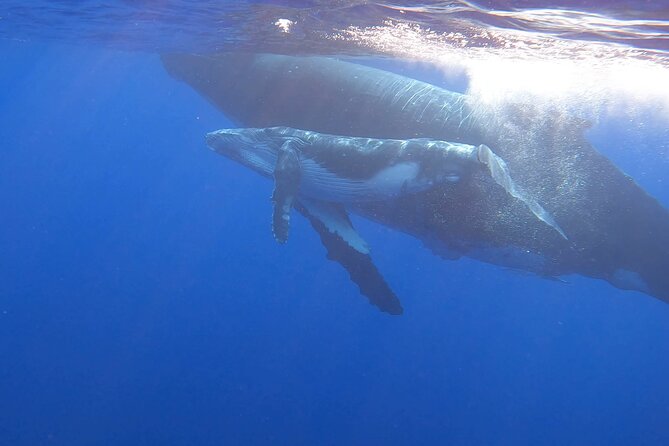
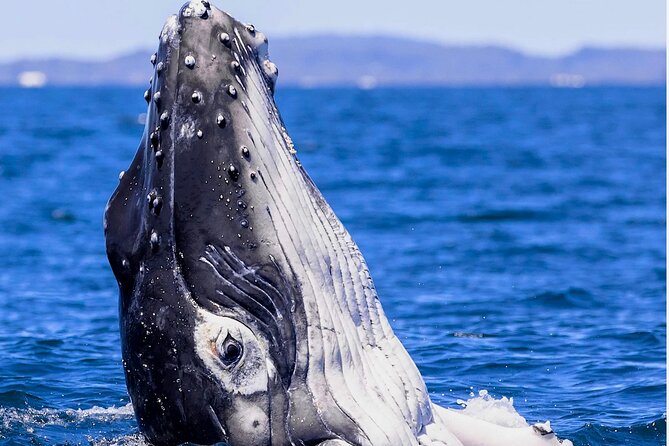
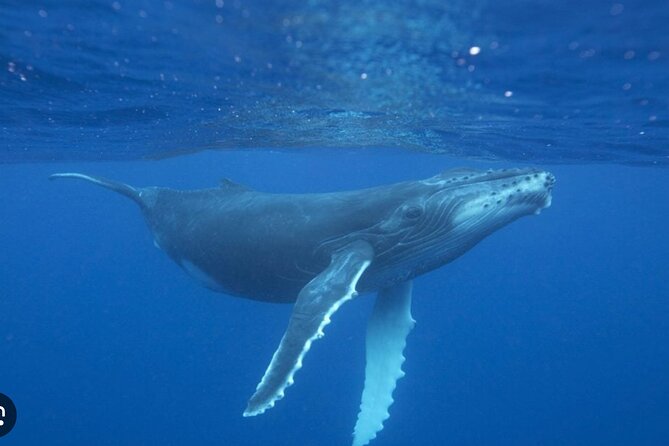
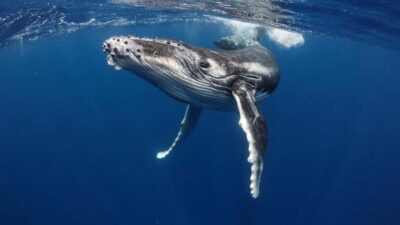
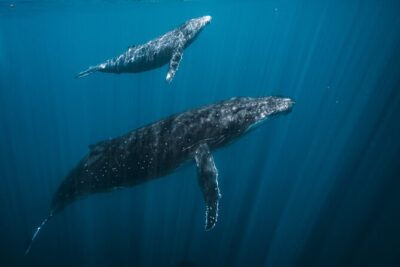
The central part of the outing is the search for humpback whales in the warm waters around French Polynesia. The tour focuses on whales that come to the region to give birth and raise their calves, so you may see adults traveling with young whales or groups behaving near the surface.
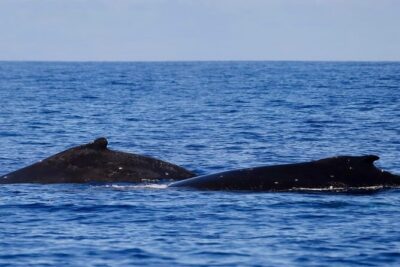
This is wildlife watching, not a stage show. The boat may need to search, wait, and change direction. You could see whales surfacing, breaching, or traveling steadily without offering a close approach. That uncertainty is part of the value, but it also explains why you should not measure the outing only by whether you entered the water with a whale.
The crew’s approach is meant to protect the animals from disturbance. You receive guidance on how to move around them respectfully, and the decision to enter the water rests on conditions and whale behavior. If the whales are moving fast, the water is rough, or the animals are not relaxed, the crew may keep you on the boat.
That judgment deserves your trust. One outing had rough seas, yet the crew still brought the group respectfully close to several whales. Another produced sightings of breaching whales but no swim. Those are not failed trips. They are examples of a responsible wildlife policy, even if the advertised dream is to be in the water.
What a Whale Swim Really Depends On
A whale swim sounds simple until you consider the variables. The whale must be in an area where the boat can approach without chasing it. The animal must be calm enough for an in-water encounter. The sea must be manageable for the people in the group. The captain and guide must also judge that entering the water will not disrupt the whale.
That means a perfect sighting may still end with you staying aboard. I would treat the swim as a welcome bonus, not the basic promise of the experience. This mindset protects you from disappointment and lets you appreciate the other parts of the outing.
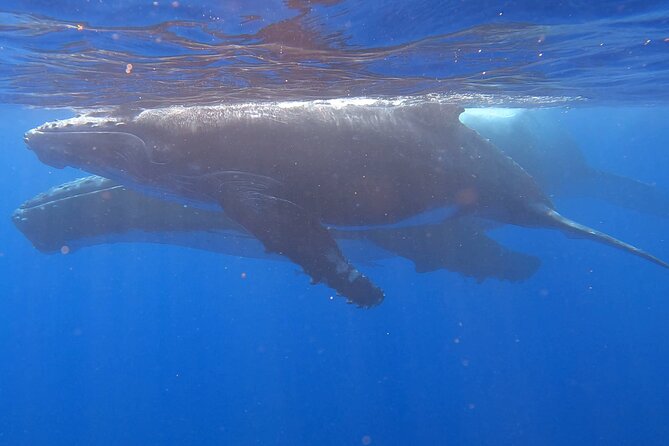
The strongest accounts of the trip show how memorable the boat portion can be. One person saw a juvenile male singing underwater and felt the low sound vibrating through the body. Another saw a female swim up and under the boat. Breaching whales and active groups have also been seen.
These moments explain why the tour can be worth booking even without a swim. Whale behavior is often more interesting than a quick photograph. A whale passing beneath the boat, singing below the surface, or moving with a calf can give you a real sense of the animal’s size and power.
Meeting Johannes and the Crew
Johannes is named as one of the guides, and his whale knowledge receives specific praise. The captain and Johannes have been described as a strong team, especially when conditions became difficult. I would value that combination more than a polished sales pitch. On a wildlife trip, the crew’s judgment shapes the entire day.
A good guide does more than point toward a fin. You need someone who can explain why the boat is waiting, why an approach must remain cautious, and why a whale swim may not be safe or suitable. The guide also helps you understand the difference between an animal choosing to approach and a boat pressing too close.
The captain’s role becomes especially important in rough water. The group may need to stay on board, move to another area, or return early if someone becomes sick. In one case, a seasick participant was taken back to shore. That response suggests the crew was willing to put comfort and safety before completing every planned part of the outing.
You should still think honestly about your tolerance for motion. The available information does not describe seasickness medication or a specific boat design, so I cannot promise a smooth ride. If you are prone to motion sickness, the open-ocean portion deserves serious thought.
A few more whale watching trips around French Polynesia worth a look
- Whale Watching Tours in Bora Bora
★ 4.5 · 250 reviews - Humpback whale watching and marine life in Moorea
★ 5.0 · 199 reviews - Half day whale tour 4h00
★ 4.5 · 181 reviews - Private tour observing and swimming with humpback whales in Moorea
★ 5.0 · 126 reviews
The Turtle and Reef-Water Finish
The outing does not end with the whale search. The captain and guide plan a final swim where you may encounter green turtles, hawksbill turtles, sharks, and other marine life. The experience is presented as a lighter, more relaxed finish after the open-ocean search.
This part gives the tour a useful safety net. If whales stay far away or conditions make a whale swim impossible, you may still get into the water and see turtles. Several outings included snorkeling with turtles, which gives the day a second wildlife focus rather than leaving you with only a boat ride.
I would not read the turtle stop as a guaranteed aquarium-style encounter. The exact animals and conditions can change. Still, it is a meaningful addition because turtles offer a different kind of sighting. Whales are large, distant, and unpredictable. Turtles may give you a slower look at marine life in the water.
The supplied equipment includes fins, a mask, snorkel, and a towel. That is practical for the final swim. You do not need to arrange separate snorkeling gear for this activity, though the information does not specify sizes or brands. If you need a particular fit, ask the operator before departure.
Why the Small Group Changes the Experience
Ten people is a useful ceiling for a wildlife outing. You get less crowding at the boat’s edge and fewer voices competing with the guide. When the captain spots a whale, a smaller group also makes it easier for everyone to shift position and look without turning the moment into a scramble.
The limit may also help when the group enters the water. A whale encounter requires clear instructions and careful timing. Ten people are easier to brief and supervise than a large boatload. The small size does not guarantee a swim, but it supports the kind of controlled approach the tour promises.
There is a tradeoff. A 10-person maximum means the activity may sell out, especially since it has been booked more than 10 times in a recent week. If your Tahiti schedule is fixed, reserve early and check the weather policy before you commit to other plans.
The mobile ticket makes the booking process convenient. Your confirmation arrives at booking, and the meeting point is clear: Te Moana Tahiti Resort in Puna’auia. Public transportation is nearby, and service animals are allowed. Most people can participate, though you should consider the open-ocean setting if you have mobility, swimming, or motion concerns.
Is $169.10 a Fair Price?
At $169.10 per person, this is not a casual beach outing. You are paying for about three hours on a small boat, a crew focused on whales, possible whale watching from close range, a possible whale swim, snorkeling, and included water equipment.
The price makes the most sense if you want a focused wildlife experience and value a small group. A larger boat trip might cost less, but it may offer a less personal setting and less flexibility around whale behavior. Here, part of the cost goes toward the crew’s judgment and the chance to spend time in both the ocean and lagoon.
The value is weaker if your only goal is to swim with a whale. That part depends on nature and may not happen. The reviews show several outcomes: some people saw whales but did not enter the water, one group watched breaching whales, another heard a juvenile male sing, and another saw a female swim under the boat.
For me, the price is easier to justify because the tour includes a second snorkeling opportunity. Seeing turtles can turn an uncertain whale day into a satisfying marine-life outing. You should still book with the right expectation: the fee buys access to a carefully managed search, not a guaranteed animal performance.
Weather, Rough Seas, and Cancellation Rules
The activity requires good weather. If poor weather forces cancellation, you are offered another date or a full refund. You can cancel for a full refund if you do so at least 24 hours before the start time. Cancellations or changes made within 24 hours are not refunded or accepted.
Those rules matter because sea conditions affect more than comfort. Rough water can stop the whale swim even when the boat still reaches whales. It can also make snorkeling less appealing or leave you feeling seasick.
The most practical approach is to place this tour earlier in your Tahiti stay if your schedule allows. That gives you a chance to rebook if weather cancels the outing. This is planning advice, not a promise of availability, so check the operator’s options when you reserve.
You should also allow your expectations to change during the trip. The captain may decide that staying aboard is the best choice. A responsible decision can feel disappointing in the moment, but it protects the animals and the people in the water.
Who Will Enjoy This Tahiti Outing Most?
I would recommend this experience to you if you:
- Want a small-group whale-watching trip rather than a large boat excursion
- Are comfortable with the possibility of rough ocean conditions
- Enjoy wildlife even when encounters cannot be controlled
- Want snorkeling with turtles as part of the same outing
- Appreciate guides who put respectful animal behavior first
- Can accept that a whale swim may not happen
It may not suit you if entering the water with whales is your only reason for booking. It may also be a poor fit if you are highly prone to seasickness or dislike changing plans around weather and animal behavior.
Families and mixed groups may find the combination of whales and turtles useful, but the available information does not give a minimum age or child policy. Ask before booking if those details affect your plans. Service animals are allowed, and most people can participate, but no specific accessibility details are provided for the boat or swimming portion.
Should You Book the Whale and Turtle Tour?
Book it if you want a personal, wildlife-centered outing with a strong chance of seeing whales and a second chance to snorkel with turtles. The small group, included gear, and crew response to rough conditions all add real value. Johannes and the captain appear to bring the right attitude: close enough for a memorable encounter, but not at the animals’ expense.
Do not book it on the assumption that you will swim with a whale. Instead, see the possible swim as the most thrilling outcome of a three-hour search that can still deliver breaching whales, underwater song, a whale passing beneath the boat, turtles, and other sea life. At $169.10, that is a fair deal for the right kind of visitor: patient, flexible, and excited by nature as it actually behaves.
FAQ
Where does the tour start?
The tour starts at Te Moana Tahiti Resort in Puna’auia, French Polynesia.
Where does the tour end?
The activity ends back at the meeting point at Te Moana Tahiti Resort.
How long does the experience last?
The tour lasts approximately three hours.
How many people can join the boat?
The tour has a maximum of 10 participants.
Is swimming with whales guaranteed?
No. Swimming depends on the sea conditions, the whales’ location, and their behavior.
What equipment is provided?
Fins, a mask, a snorkel, and a bath towel are provided.
Can I see turtles on the tour?
The final swim may include green turtles, hawksbill turtles, sharks, and other marine life. Turtle snorkeling has taken place on the outing, but wildlife sightings cannot be guaranteed.
What happens if bad weather cancels the activity?
You will be offered a different date or a full refund if poor weather cancels the experience.
What is the cancellation policy?
You can cancel at least 24 hours before the start time for a full refund. Cancellations or changes made less than 24 hours before the start time are not refunded or accepted.
Just added around French Polynesia
- Whale Watching Activity★ 5.0 · 8 reviews
- Tahiti, land of whales: a unique experience!★ 5.0 · 11 reviews
- Whale watching DE Tahiti Peninsula★ 5.0 · 12 reviews
- Whale watching in the calm of the peninsula with Tātahi tours★ 5.0 · 6 reviews
- Half Day Whale Watching in a Small Shared Group★ 5.0 · 33 reviews
- Whale watching DE Humpback West Coast of Tahiti★ 5.0 · 3 reviews
- 4 Hours of Humpback Whale Watching in Tahiti★ 5.0 · 36 reviews
- Whale watching and snorkelling in Moorea★ 5.0 · 64 reviews
Tahiti Whale Watching Tours, compared.
Guided Small Group Whale Watching and Swim Tour Tahiti
Read our review →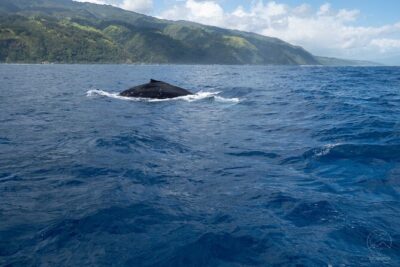
Whale watching on the preserved and quiet coast of Paea (Pk26)
Read our review →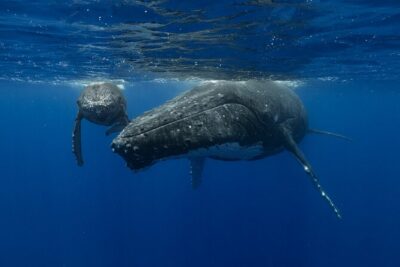
Half Day Whale Watching in a Small Shared Group
Read our review →
Browse the lists this tour appears in