
REVIEW · MUSEUMS
Húsavík: Whale Museum Entry Ticket
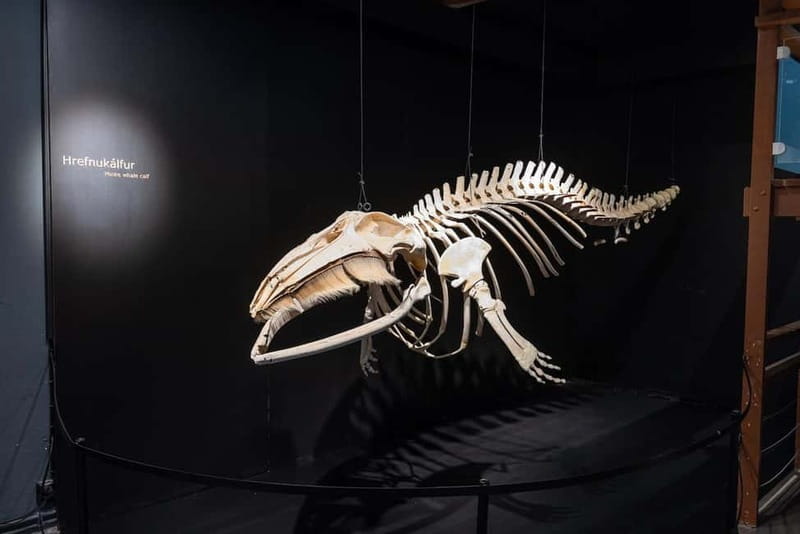
Whales have a lot to teach you. The Húsavík Whale Museum turns that lesson into a thoughtful visit, with 13 real whale skeletons and eight exhibition spaces covering whale biology, behavior, senses, and Iceland’s whaling past. I like the museum’s clear focus and its rare, full-scale skeleton collection. I also like that your admission supports a place devoted to public education and ocean conservation.
The main drawback is simple: this is a museum visit, not a whale-watching trip. You will not see living whales here, and the second floor is not wheelchair accessible. Still, if you are in Húsavík, the museum gives useful context before or after time on the water.
- Thirteen real skeletons: The museum’s most powerful displays put whale anatomy right in front of you.
- Eight exhibition spaces: Each area adds another piece, from evolution and senses to behavior and mating.
- Icelandic whaling history: You get a direct look at how whales have shaped Iceland’s past and present.
- Atlantic whale species: The permanent exhibit explains the main species found in the Atlantic Ocean.
- Conservation with a practical link: Buying a souvenir helps support the museum’s conservation work.
- One-day validity: Your ticket is valid for one day, so you can fit the visit around other plans in Húsavík.
Why Húsavík’s Whale Museum Matters
Húsavík is widely associated with whale watching, so it makes sense to learn about whales on land as well as at sea. The museum gives you a way to understand what you may see in Icelandic waters, even though the ticket itself covers only museum admission.
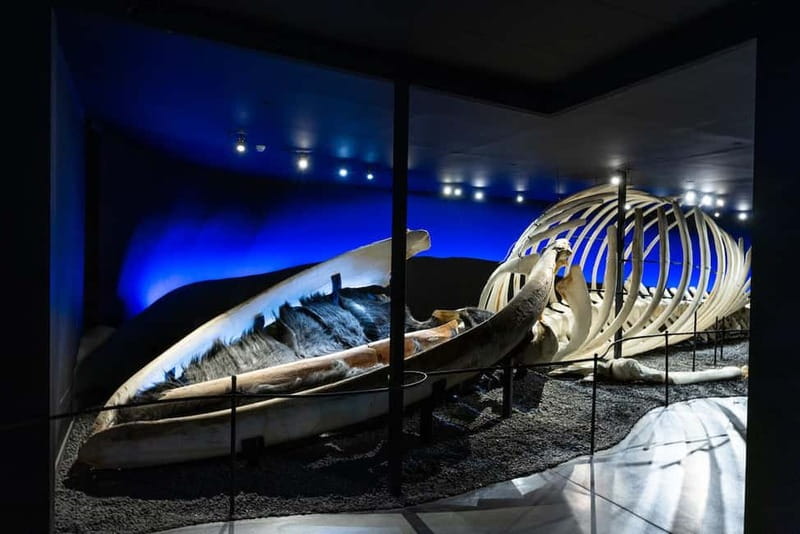
I like the museum’s decision to use real skeletons as a central part of the experience. Pictures and models can explain size, but a skeleton shows the scale and structure of a whale in a way that is hard to ignore. The collection includes 13 skeletons, making this more than a small display tucked into a corner of town.
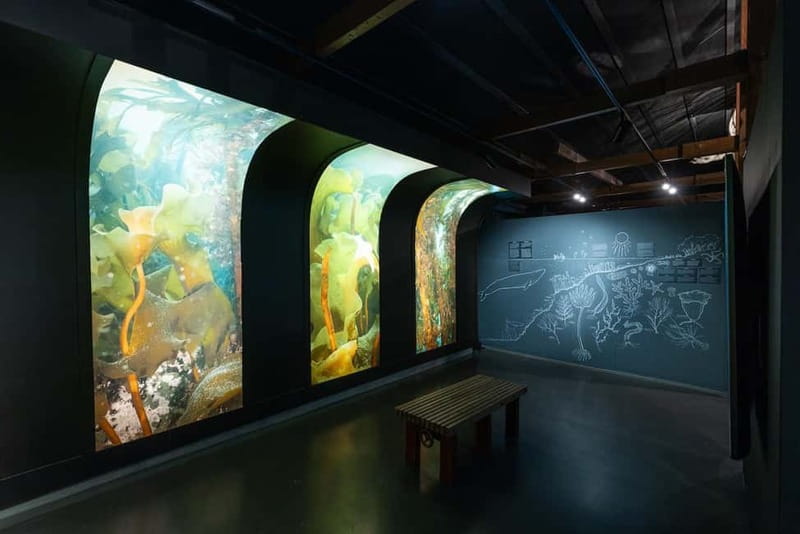
The museum also treats whales as animals rather than simply attractions. Its exhibits address their biology, behavior, sensory perceptions, and role in marine ecosystems. That wider view helps you think about whales as complex living creatures, not just large animals that surface beside a boat.
Eight Exhibition Spaces, Eight Ways to Understand Whales
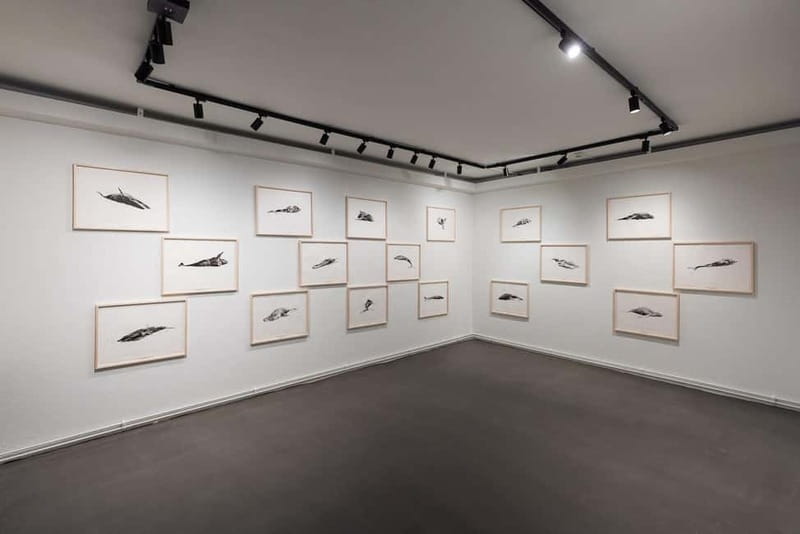
The permanent exhibit is organized around several connected themes. You can begin with the evolutionary history of whales, which explains how these marine mammals developed over time. This section gives you a useful foundation before the museum moves into the details of how whales live.
The next sections look at sensory perception. Whales experience the ocean in ways that differ from humans, and the museum explains how they perceive the world around them. This is one of the most useful parts for anyone who has watched whales from shore or from a boat, since it adds meaning to behaviors that can otherwise seem mysterious.
Behavior is another major focus. The displays cover how whales act, communicate, and interact with their surroundings. The museum also addresses mating patterns, giving you a fuller picture of whale life beyond feeding and surfacing.
You will also find information about the main whale species in the Atlantic Ocean. This helps you place different whales within a larger family of species, rather than treating every sighting as simply a whale. The content is arranged for learning, but the skeletons keep the experience physical and easy to grasp.
More Museum Visits in Iceland:
- Reykjavik: Whales of Iceland Museum Entrance Ticket
★ 4.4 · 493 reviews - Reykjavik: Whale Watching Tour, Whales of Iceland Exhibition
★ 4.4 · 187 reviews - Reykjavik: Whale Watching Excursion & Whale Exhibition
★ 4.5 · 42 reviews
The Skeletons Are the Main Event
The 13 real whale skeletons are the museum’s strongest feature. A skeleton makes the body plan of a whale visible: the long spine, the rib cage, the skull, and the structure that supports such a large animal in water.
The scale is what makes these displays so effective. Even without a live whale nearby, you get a direct sense of the animal’s size. A photograph can show a whale breaching, but it rarely gives you a useful sense of bone structure. Here, the anatomy is not hidden beneath skin and muscle.
The skeletons also help tie the museum’s different subjects together. Evolution becomes easier to picture when you can look at actual bones. Biology feels less abstract. The discussion of behavior and movement gains a physical foundation.
If you have limited time, make the skeleton collection your priority. The museum has plenty of written and educational material, but the skeletons are the part you cannot replicate with a quick internet search.
Learning About Iceland’s Whaling Past
The museum does not present whales only as subjects of biology. It also explains the history of whaling in Iceland, an important part of understanding the country’s relationship with the sea.
This subject can be uncomfortable, and that is part of its value. Iceland’s connection with whales includes both dependence on marine resources and growing concern for conservation. Learning about whaling gives you context for the debates and emotions that surround whales in Iceland today.
The museum’s approach places human activity beside whale biology and conservation. That combination keeps the visit from becoming a simple celebration of large animals. You get a more grounded picture of how people and whales have shared the same waters, sometimes uneasily.
I appreciate this balance. A museum about whales should inspire affection, but it should also explain the difficult parts. The historical material gives the visit more substance than a display of bones alone.
Conservation Is Part of the Visit
The museum’s educational work points toward a larger goal: encouraging care for the ocean and its inhabitants. Its exhibits explain why whales matter in marine ecosystems and why conservation efforts are important.
You do not need specialist knowledge to follow the material. The exhibition is designed to build understanding through a mix of information, displays, and real specimens. For children and adults alike, the subject has a clear starting point: whales are major marine animals with important roles in the ocean.
The souvenir shop gives you one practical way to support that work. Purchasing a souvenir contributes to the museum’s conservation efforts, so you can take home a reminder of the visit while helping fund the institution’s aims.
I would treat the shop as optional, not as part of the admission value. The ticket includes entry to the museum and all exhibition spaces. The souvenir purchase is a separate choice for anyone who wants to give extra support.
More Entry Tickets in Iceland:
- Whales Of Iceland Admission Ticket
★ 4.0 · 239 reviews - Reykjavik: Premium Whale Watching with Flexible Ticket
★ 4.1 · 54 reviews - Reykjavík: Whale Watching Cruise and FlyOver Combo Ticket
★ 4.6 · 7 reviews - Aquarium of Genoa Ticket and Whale Watching Cruise
★ 4.2 · 170 reviews
How to Plan Your Visit in Húsavík
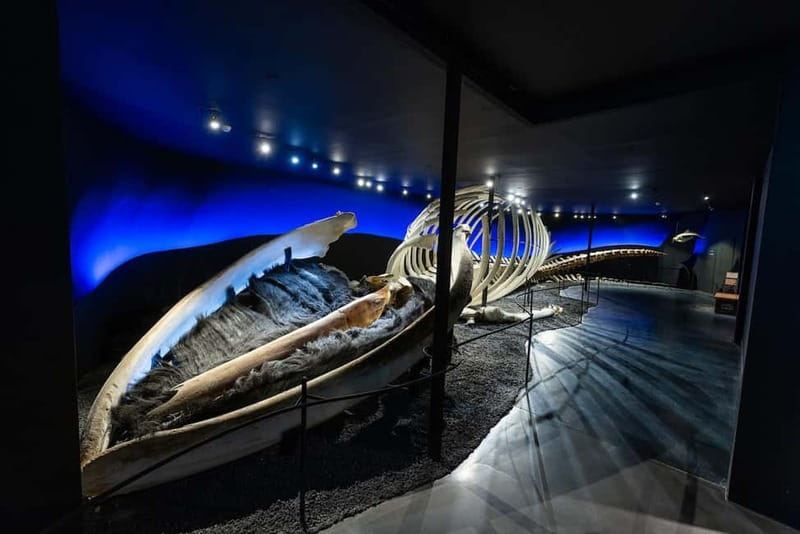
Your ticket is valid for one day, which makes the museum easy to fit into a broader Húsavík schedule. You can check available starting times when booking, but the information provided does not give a fixed visit length.
That flexibility matters in a town where plans may change. You might visit before another activity, return later in the same day, or use the museum as a weather-friendly stop. Since the ticket covers a full day rather than a narrow time window, you have some room to organize your schedule.
The host or greeter language is English, and the museum information is available in English. That makes the visit straightforward for English-speaking visitors who want to read the exhibits without relying on translation.
The entrance, souvenir shop, and first floor are wheelchair accessible. The second floor is not wheelchair accessible, so anyone who uses a wheelchair should plan around that limitation before buying a ticket. This is the main access concern provided for the experience.
Is the $21 Ticket Good Value?
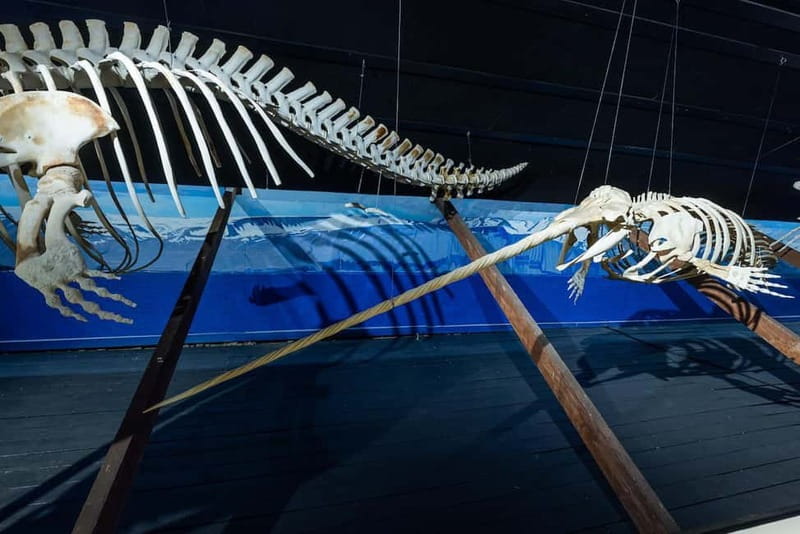
At $21 per person, the ticket is not a throwaway stop, but the price can make sense if you care about whales or want more than a quick photo opportunity in Húsavík.
The value rests on the real collection. Thirteen whale skeletons give the museum a physical centerpiece, while the eight exhibition spaces add information about evolution, senses, behavior, species, conservation, and whaling. You are paying for both the specimens and the interpretation around them.
I would consider it good value for anyone who has already planned time in Húsavík and wants a serious whale-related activity on land. It is especially useful if you want to understand whale biology before seeing living whales, or if you are interested in Iceland’s whaling history.
The value is weaker if you expect a short, highly entertaining attraction with constant activity. The museum is educational and self-guided in feel, based on exhibitions and displays. It will reward attention more than speed.
A souvenir purchase can add another cost, but it also gives you a direct way to support the museum’s conservation efforts. You do not need to buy anything extra for the admission to be worthwhile.
Who Will Enjoy This Museum Most?
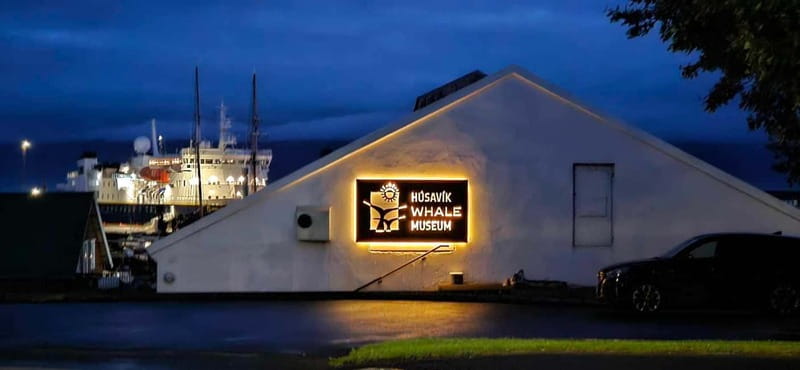
I would recommend the museum to anyone with a strong interest in whales, marine life, or Iceland’s relationship with the ocean. Families may find the skeletons especially memorable, since the size and structure of the animals are easy to understand at a glance.
It also suits visitors who want a quieter activity between outdoor plans. The museum gives you a chance to focus on facts and displays rather than weather, transport, or sea conditions.
If you have already booked whale watching in Húsavík, the museum can add useful background. You will know more about the animals you are hoping to see, including their biology, behavior, senses, and place in the Atlantic.
It may be less suitable if you have only a few minutes in town or want to see living wildlife. The museum cannot replace time on the water. It works best as a companion to Húsavík’s marine setting, not as a substitute for it.
What I Like Most, and What I Would Keep in Mind
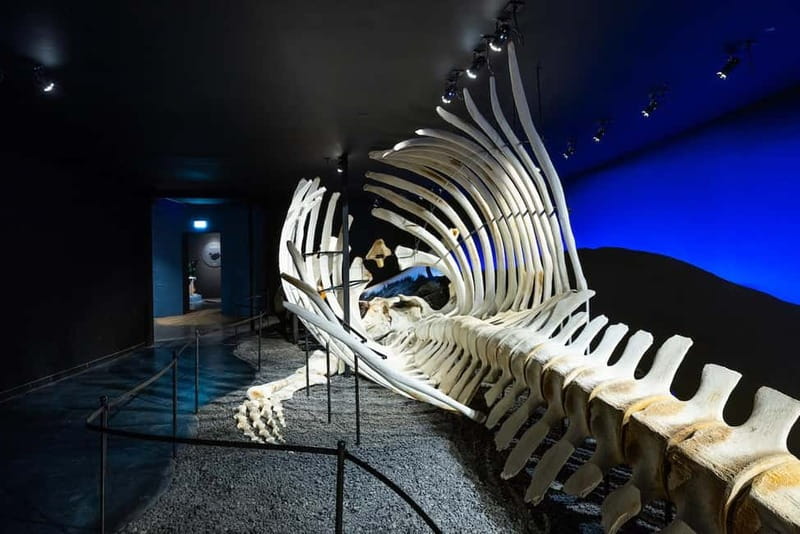
The skeleton collection is the clearest reason to visit. The impressive displays give the museum a strong visual center, and they help explain whale anatomy in a way that text alone cannot.
I also like the range of subjects. You are not limited to species identification. The museum connects evolution, sensory perception, behavior, mating patterns, conservation, marine ecosystems, and Icelandic whaling history.
The biggest limitation is access to the upper floor. The entrance, shop, and first floor are wheelchair accessible, but the second floor is not. That detail matters, especially since the museum’s ticket includes access to all exhibition spaces but not every visitor can reach every level.
The other consideration is personal interest. If whale biology and marine conservation do not appeal to you, $21 may feel high for a museum visit. If the subject interests you, the real skeletons and broad subject range give the admission a solid purpose.
Should You Book the Húsavík Whale Museum?
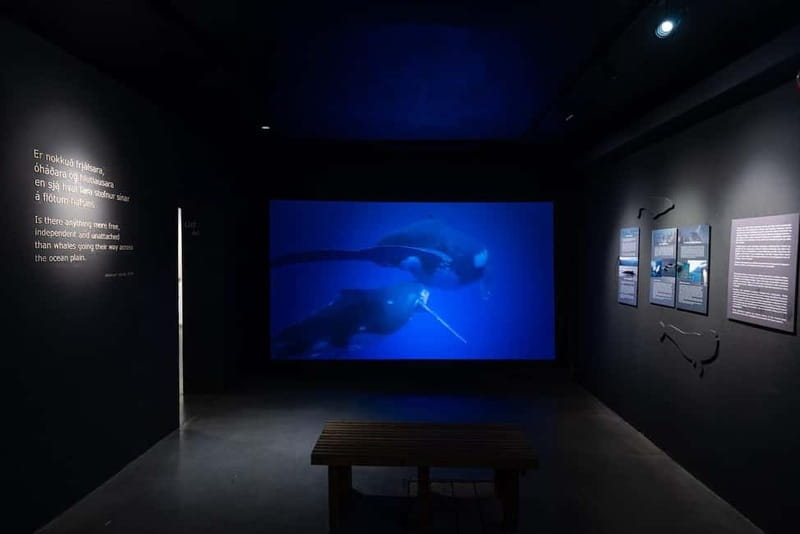
Book it if you want to understand whales rather than simply look for them. The 13 real skeletons are the highlight, while the eight exhibition spaces add useful material about whale evolution, senses, behavior, Atlantic species, conservation, and Iceland’s whaling past.
I would make this a strong choice for a Húsavík day, especially if you want an educational stop or plan to connect the visit with whale watching. Skip it only if your schedule is extremely tight, you want living animals, or the second-floor access limitation affects your plans.
At $21, it offers the most value to curious visitors who will take time with the displays. The museum is not a replacement for the sea, but it can help you understand what is happening beneath it.
FAQ
Where is the Húsavík Whale Museum located?
The museum is in Húsavík in Iceland’s Northeastern Region.
How much does admission cost?
Admission costs $21 per person.
How long is the ticket valid?
The ticket is valid for one day.
What does the ticket include?
It includes entrance to the Húsavík Whale Museum and access to all exhibition spaces.
How many whale skeletons are on display?
The museum displays 13 real whale skeletons.
How many exhibition spaces does the museum have?
The museum has eight exhibition spaces.
What can I learn about at the museum?
You can learn about whale evolution, biology, behavior, sensory perceptions, mating patterns, Atlantic whale species, conservation, marine ecosystems, and the history of whaling in Iceland.
Is the museum available in English?
Yes. The host or greeter language is English, and the activity information lists English as the available language.
Is the museum wheelchair accessible?
The entrance, souvenir shop, and first floor are wheelchair accessible. The second floor is not accessible by wheelchair.
Can I cancel the booking for a refund?
Yes. You can cancel up to 24 hours in advance for a full refund.
Just added around Iceland
- Reykjavik: Whale Watching & Lava Show★ 5.0 · 4 reviews
- Akureyri: Whale Watching Tour & Forest Lagoon Entrance★ 3.8 · 4 reviews
- Reykjavik: Whale & Marine Adventure Tour★ 4.3 · 71 reviews
- Icelandic Horse Riding and Whale Watching Cruise from Reykjavík★ 4.0 · 14 reviews
- Whales Of Iceland Admission Ticket★ 4.0 · 239 reviews
- Whale Watching and Northern Lights Half-Day Combo Tour★ 4.5 · 43 reviews
- Whale Watching by RIB Speedboat from Downtown Reykjavik★ 4.5 · 26 reviews
- Whale Wonders Morning Expedition from Reykjavík★ 4.0 · 10 reviews
Museums, compared.
Reykjavik: Whales of Iceland Museum Entrance Ticket
Read our review →
Reykjavik: Whale Watching Tour, Whales of Iceland Exhibition
Read our review →
Reykjavik: Whale Watching Excursion & Whale Exhibition
Read our review →
Deluxe Whale Watching and Whales of Iceland Exhibition Combo from Reykjavik
Read our review →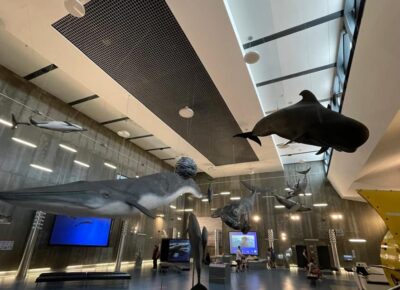

Browse the lists this tour appears in