
REVIEW · MUSEUMS
Reykjavik: Whale Watching Tour, Whales of Iceland Exhibition
The sea can surprise you quickly. I like the chance to see minke whales, humpbacks, dolphins, and porpoises in Faxaflói Bay, and I like that the outing includes the excellent Whales of Iceland Exhibition. The warm overalls, free WiFi, and complimentary return ticket if you see nothing make the $123 price easier to accept. The main drawback is simple: wildlife follows its own schedule, and boat conditions can make the guide hard to hear.
This is a well-balanced Reykjavik outing. You get a real search for wildlife at sea, not a staged animal show, followed by a museum that gives you a much clearer sense of whale size and anatomy. The boat ride lasts about three hours, while the full experience takes 3.5 hours.
The best months are April through September, when whale sightings are generally more likely. Still, winter trips can work. Humpbacks were seen in February, March, October, November, and December on various departures, while one October outing found several humpbacks and minke whales.
Key points before you book
- Faxaflói Bay offers several possible sightings: Minke whales, humpbacks, white-beaked dolphins, harbor porpoises, seals, and Northern Gannets may all appear.
- A large whale-watching boat gives you room: You can watch from outside, warm up inside, and borrow thermal overalls in adult or children’s sizes.
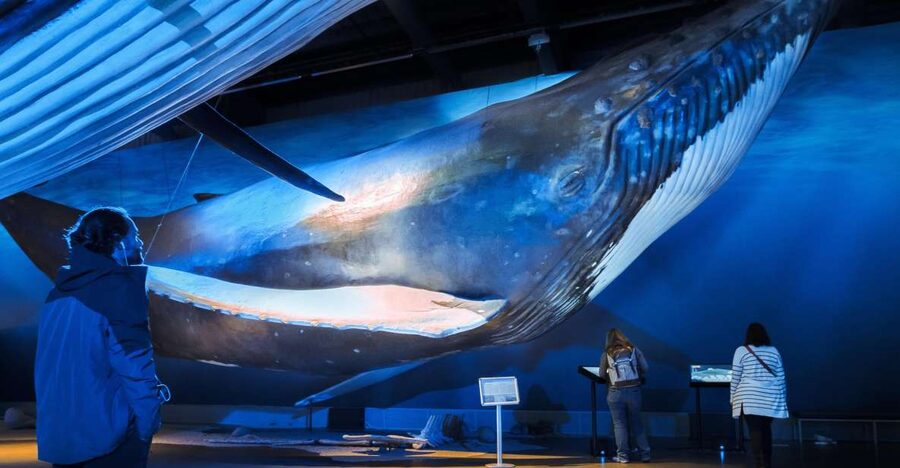
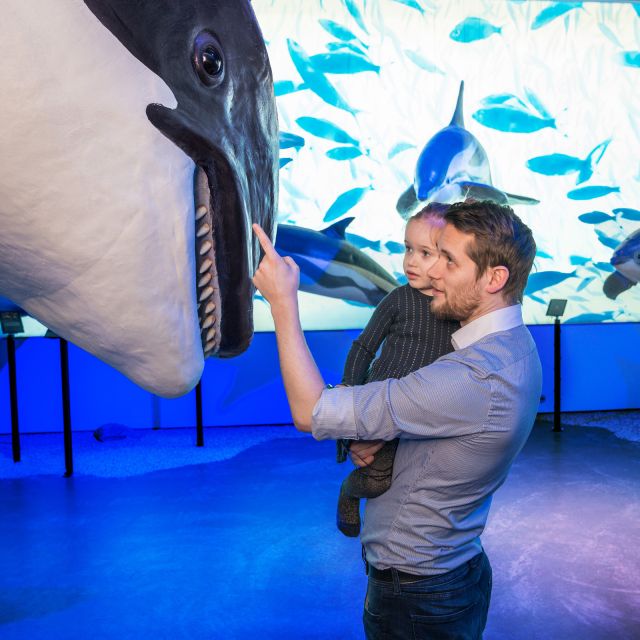
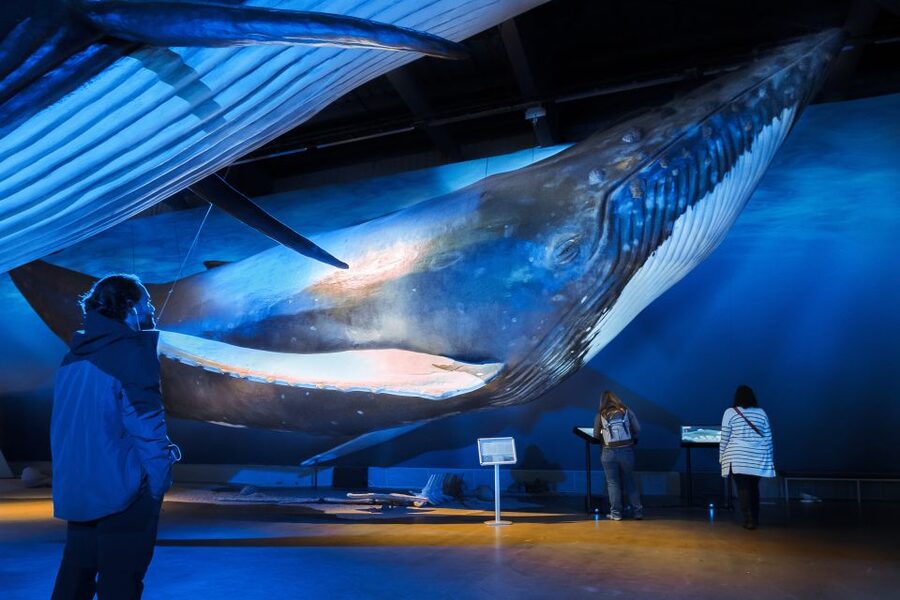
- The museum adds real context: Its 23 life-size whale models make the scale of the animals much easier to understand.
- The guides do more than point: Guides such as Lucas, Daniel, Oskar, Ivan, and Andrea have been praised for explaining behavior and helping people learn how to spot wildlife.
- You are protected against a blank outing: If the boat sees nothing, you receive a free ticket to return.
- The $123 cost covers two major activities: It includes the guided boat trip, museum admission, overalls, parking, WiFi, and the chance to attend a free live museum talk.
From Reykjavik’s Old Harbor to open water
You meet at the local partner’s office near Reykjavik’s Old Harbor before boarding. The boat then heads into Faxaflói Bay, the broad body of water outside the capital.
The setting is one of the pleasures of the trip. You leave the city behind and search across open water, watching for a back, a blow, a fin, or a sudden burst of movement. The excitement comes from not knowing exactly where the next sighting will happen.
This is not a quick ride around the harbor. The boat can spend close to three hours looking for animals, which gives you a fair amount of time on the water. It also means the experience is affected by wind, temperature, sea conditions, and the patience required to watch for wildlife.
The boat is described as one of Iceland’s largest whale-watching vessels. That matters because you have more room to move between viewing areas, and there is indoor space when the weather turns unpleasant. A few departures were described as comfortable and not overcrowded, although conditions can vary by sailing.
For the best views, you may want to claim an outdoor position, especially near the front or upstairs. One family found that the upper level offered excellent sightlines, but the wind made it much colder and harder to hear the guide. Bring several warm layers, even if Reykjavik feels mild when you leave the harbor.
Thermal overalls are provided, including children’s sizes. They are useful, but do not treat them as a complete substitute for warm clothing. Wear comfortable shoes, add gloves and a hat if you have them, and consider sunscreen during the brighter summer months.
More Museum Visits in Reykjavik:
- Reykjavik: Whales of Iceland Museum Entrance Ticket
★ 4.4 · 493 reviews - Reykjavik: Whale Watching Excursion & Whale Exhibition
★ 4.5 · 42 reviews - Deluxe Whale Watching and Whales of Iceland Exhibition Combo from Reykjavik
★ 4.5 · 13 reviews
What you might see in Faxaflói Bay
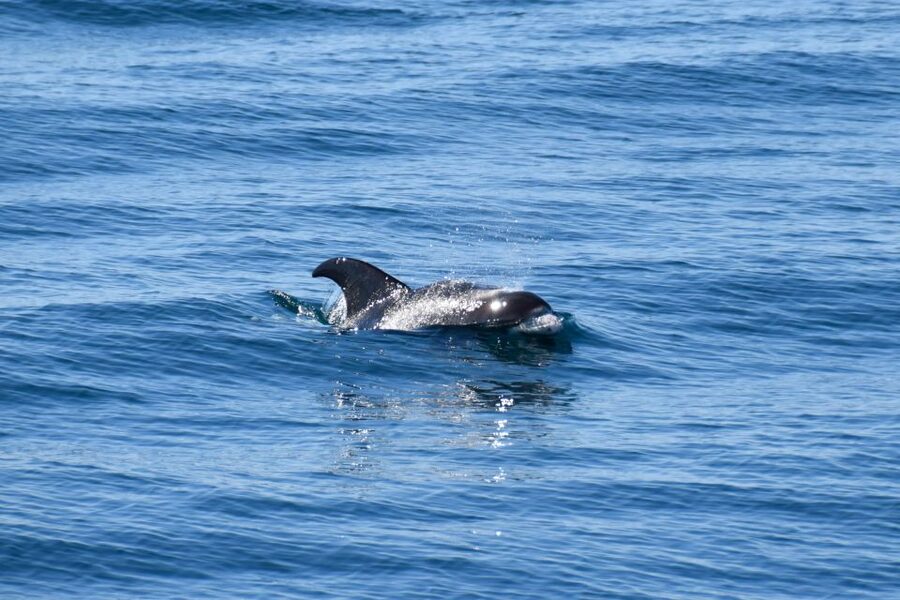
The usual targets are minke whales, white-beaked dolphins, harbor porpoises, and humpback whales. You may also see seals and seabirds, including Northern Gannets. One outing included gannets plunging into the sea after fish, which added action even when the whales were keeping a low profile.
Minke whales can be difficult to catch clearly. They often surface quickly, so you need to watch the water rather than stare at one fixed point. The guide’s help is valuable here. Oskar was praised for helping people locate minke whales, while Ivan taught passengers how to scan the water and identify signs for themselves.
Humpbacks offer the more dramatic sightings. They are much larger and often easier to follow, though a whale can still surface unexpectedly and disappear before you lift your camera. On one February trip, three humpbacks stayed near the boat for a long time. Another departure saw a humpback breach, an event that no schedule can promise.
Dolphins can be just as entertaining. White-beaked dolphins have been seen moving around the boat, and one trip recorded many dolphins alongside humpbacks. Harbor porpoises may appear too, though their smaller size makes them easier to miss.
Your guide will explain what you are seeing and answer questions during the trip. The names that come up in the strongest accounts include Lucas, Daniel, Oskar, Ivan, Andrea, and Jonathan. Lucas received praise for finding both humpbacks and minke whales, Daniel for keeping the search upbeat, and Ivan for teaching passengers how to spot wildlife independently.
The outdoor sound system can be difficult in strong wind. If you want every fact, stay near the guide when possible, and ask questions when the boat is calmer. The guides are often praised for their humor and clear explanations, but even the best guide cannot make a windy upper deck quiet.
The museum makes whale size real
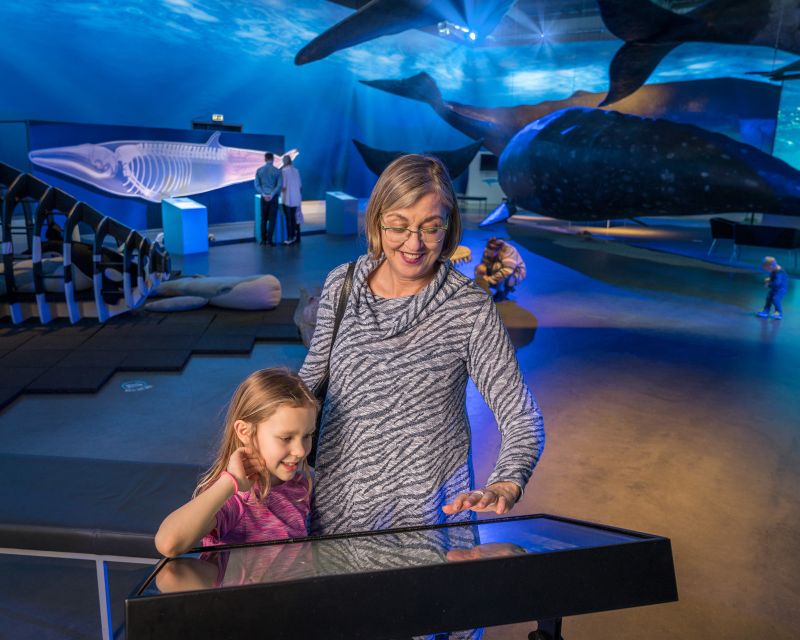
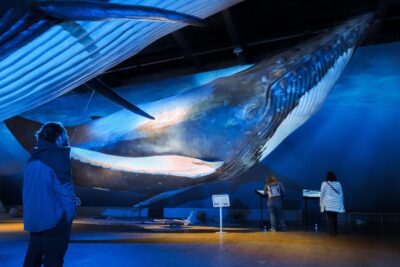
The Whales of Iceland Exhibition is at Fiskislóð 23. It contains 23 life-size models representing the whale species found in Icelandic waters.
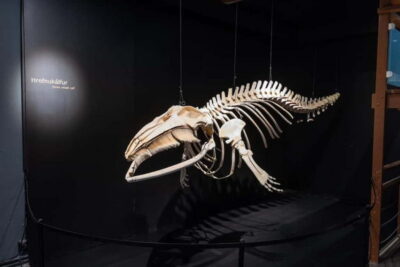
This is where the second half of the experience earns its place. At sea, you usually see only a small part of a whale at a time. In the museum, you can stand beside a full-scale model and grasp how large these animals really are. One model may look impressive in a photograph, but its full length becomes far more striking when you walk beside it.
The museum is mainly a display of models, so set your expectations correctly. It is not an aquarium and it does not replace seeing a living animal in the bay. Its value is educational: you can study body shape, compare species, and connect the animal you just watched at sea with a physical form you can examine closely.
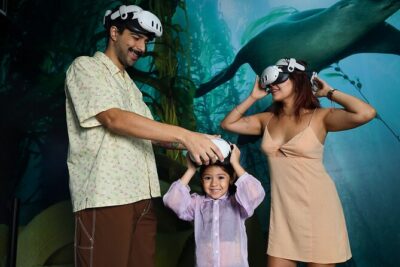
The exhibition also includes information stations, videos, audio guides, and virtual reality headsets. Audio guides are available in English, German, Icelandic, Chinese, Spanish, Portuguese, Japanese, French, Polish, and Finnish. Ask for your preferred language when you arrive.
There are two free live-guided museum tours each day, at 10:30 AM and 1:30 PM. Check the timing of your boat and museum visit so you can attend one if it fits. The order of the two activities is flexible, which helps if you want the museum first or need to work around the boat departure.
A café offers coffee and pastries after you finish the displays. That small pause is useful after several hours outdoors, especially in colder months. The museum’s low-key setting also gives families and children a calmer way to process what they saw at sea.
One practical warning: check the museum’s opening hours against your own schedule. A previous visitor arrived near closing time and could enter, but could not use the audio guide. If you are flying out the next day, do not leave the museum until the last possible hour.
Choosing the order of your two activities
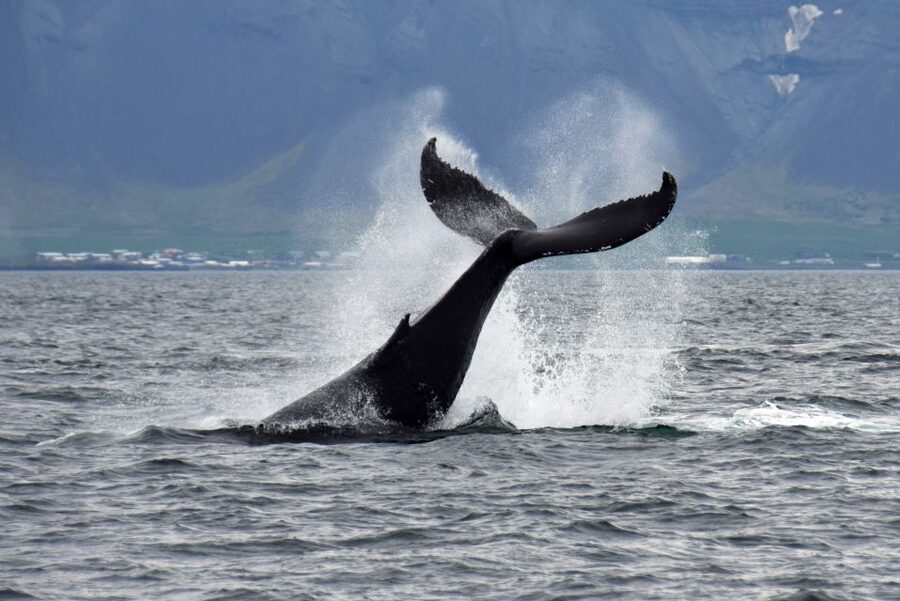
The flexible order is one of the tour’s better features. You can visit the museum before the boat, then head out with a basic understanding of local whale species. Or you can sail first and use the museum afterward to put the sightings into context.
I prefer the boat first if you are especially excited about seeing whales. The museum then gives you time to understand what you saw, even if the animal surfaced for only a few seconds. If the weather forecast looks uncertain, visiting the museum first gives you something worthwhile to do while you wait for the boat.
The activity takes about 3.5 hours overall, but allow extra time if you plan to browse carefully, attend the live talk, or stop at the café. The boat portion can last around three hours, and you should not expect to rush straight from the dock through the museum.
A few more whale watching trips around Reykjavik worth a look
- Reykjavík: Whale Watching and Marine Life Cruise
★ 4.6 · 9,838 reviews - Reykjavík: Whale Watching Cruise on the Amelia Rose Yacht
★ 4.5 · 2,911 reviews - The Original Classic Whale Watching from Reykjavik
★ 4.5 · 2,626 reviews - Reykjavik: Whale Watching Tour with Expert Guide
★ 4.3 · 2,422 reviews
Is $123 a fair price?

At $123 per person, this is not a cheap add-on. It is more than a basic harbor cruise because it combines a guided wildlife trip with museum admission.
The value improves if you use the full package. You receive the boat tour, thermal overalls, free WiFi, parking, the museum ticket, multilingual audio options, and a free return ticket if no wildlife appears. The no-sighting policy matters because you are paying for a chance to see wild animals, not a guaranteed performance.
You also get a useful fallback on a day when the sea is quiet. The museum still provides a substantial activity, and you can return for another boat trip if the official outing produces no sightings. That does not remove the disappointment of a blank day, but it makes the price less risky.
Food and drinks are not included. Refreshments are sold on the boat, and the museum café offers coffee and pastries, so budget a little extra if you want something warm. Hotel transfers are not included either. You need to reach the meeting point yourself.
For a family with a strong interest in whales, the combination can be worth the cost. Children get the excitement of searching the bay and the visual impact of life-size models afterward. For someone who only wants a quick boat ride, the full price may feel high.
When to go and what to pack
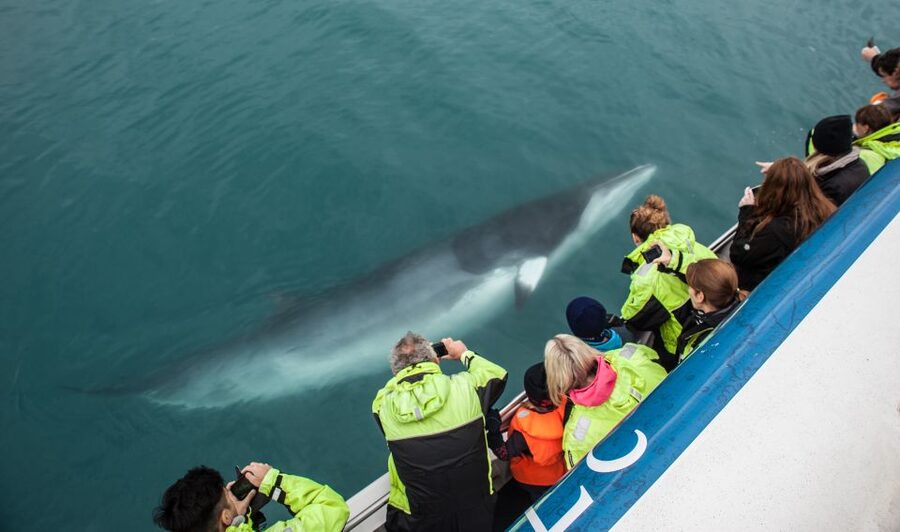
April through September is the strongest general period for whale watching in Iceland. Sightings are not guaranteed at any time, but warmer months usually give you better odds.
Winter should not be dismissed. Humpbacks were spotted during several cold-weather departures, and one February trip found both a humpback and a dolphin. Still, lower seasonal odds make the return ticket especially important outside summer.
Pack for the boat, not just for Reykjavik:
- Warm layers that you can add or remove
- Comfortable, secure shoes
- Gloves and a hat for the outdoor deck
- Sunscreen in summer
- A camera or phone with enough battery for several hours
The provided overalls help with cold air and spray, but wind can still cut through exposed areas. If you want to stay outside for the best views, dress more warmly than you think necessary.
Accessibility and family considerations
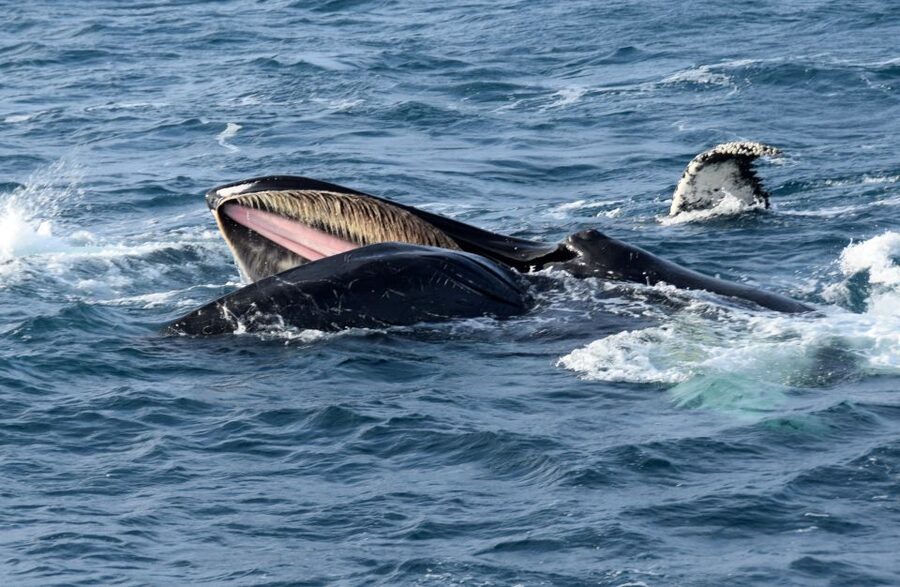
The activity is listed as wheelchair accessible. If you have mobility concerns, contact the operator before the day of departure and confirm the boarding arrangements for your needs.
A family with a disabled child arrived early to allow extra time for the gangway and seating. That is sensible advice for anyone who may need assistance. The boat has indoor seating, outdoor viewing areas, and children’s thermal overalls.
The long boat ride may suit older children who can stay alert during a patient wildlife search. Younger children may enjoy the museum models more immediately than the waiting at sea. The café and indoor areas provide a useful break, but this remains a weather-dependent boat outing.
The main strengths and limits
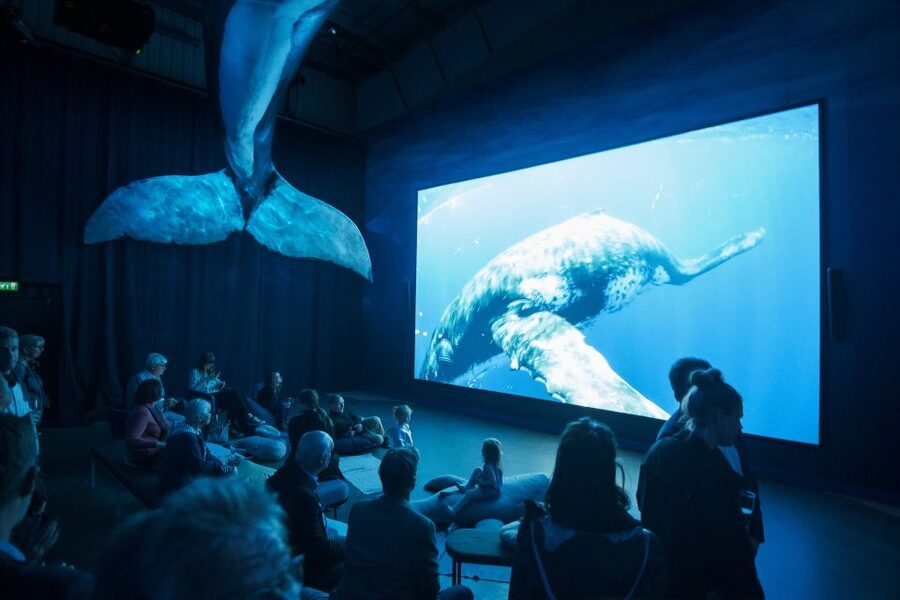
The strongest part is the guiding. A good guide changes the trip from a simple search into a lesson in animal behavior. Lucas, Daniel, Oskar, Ivan, Andrea, and Jonathan were all praised for a mix of humor, facts, and practical help with spotting whales.
The second major strength is the two-part design. The sea gives you a real encounter, while the museum helps you understand what you saw. If you spot only a young humpback or a quick minke whale, the models still give you a fuller picture.
The limits are also clear. Sightings cannot be guaranteed, the boat can be cold, and the wind may make commentary difficult. Dirty windows were noted on one sailing, though that did not prevent the guide from making the outing enjoyable.
Should you book this whale-watching tour?
Book it if you want more than a standard boat ride. The combination of Faxaflói wildlife, warm overalls, strong guides, and the 23-model museum gives you a fuller whale experience than either activity alone.
I would especially recommend it for families, first-time visitors to Iceland, and anyone who wants an educational activity to pair with the excitement of open-water sightings. Choose April through September for the best general odds, but keep winter on your list if you can accept more uncertainty.
Skip it if a guaranteed whale sighting is essential, or if a long, cold search at sea sounds unpleasant. If you do go, dress warmly, arrive with enough time for boarding, and leave room in your schedule for the museum rather than treating it as a quick extra.
FAQ
Where does the whale-watching boat leave from?
You meet at the local partner’s office for the tour, then board in Reykjavik’s Old Harbor.
How long does the full experience take?
The listed duration is 3.5 hours. The boat portion can last around three hours, with the remaining time used for the museum visit and related activities.
What animals might I see?
Common sightings include minke whales, white-beaked dolphins, harbor porpoises, and humpback whales. Seals and Northern Gannet birds may also appear.
Are whale sightings guaranteed?
No. Wildlife sightings cannot be guaranteed. If you see nothing during your trip, you receive a complimentary ticket to visit again.
What is included in the price?
The price includes the guided boat tour, thermal overalls, free WiFi, museum admission, parking, and the complimentary return ticket if there are no sightings. Food, drinks, and hotel transfers are not included.
What languages are available?
The live boat guide speaks English. The museum audio guide is available in English, German, Icelandic, Chinese, Spanish, Portuguese, Japanese, French, Polish, and Finnish. German is also available as a second language on the Andrea from May 1 through September 30.
Where is the Whales of Iceland Exhibition?
The exhibition is at Fiskislóð 23 in Reykjavik. It features 23 life-size models of whale species found in Icelandic waters.
Just added around Reykjavik
- Reykjavik: Whale Watching & Lava Show★ 5.0 · 4 reviews
- Reykjavik: Whale & Marine Adventure Tour★ 4.3 · 71 reviews
- Whales Of Iceland Admission Ticket★ 4.0 · 239 reviews
- Whale Wonders Morning Expedition from Reykjavík★ 4.0 · 10 reviews
- Whale Watching and Northern Lights Half-Day Combo Tour★ 4.5 · 43 reviews
- Whale Watching by RIB Speedboat from Downtown Reykjavik★ 4.5 · 26 reviews
- Whale Watching And Fly Over Iceland Guided Tour★ 5.0 · 4 reviews
- Whale Watching and Marine Life Tour in Reykjavik★ 4.5 · 55 reviews
Museums, compared.
Reykjavik: Whales of Iceland Museum Entrance Ticket
Read our review →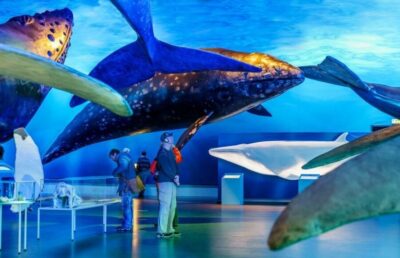
Reykjavik: Whale Watching Excursion & Whale Exhibition
Read our review →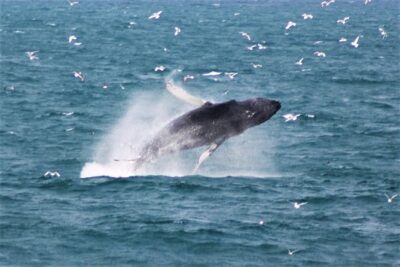
Deluxe Whale Watching and Whales of Iceland Exhibition Combo from Reykjavik
Read our review →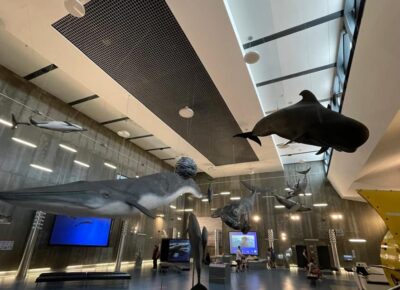
Browse the lists this tour appears in