
REVIEW · MUSEUMS
Munba National interactive Whale Museum
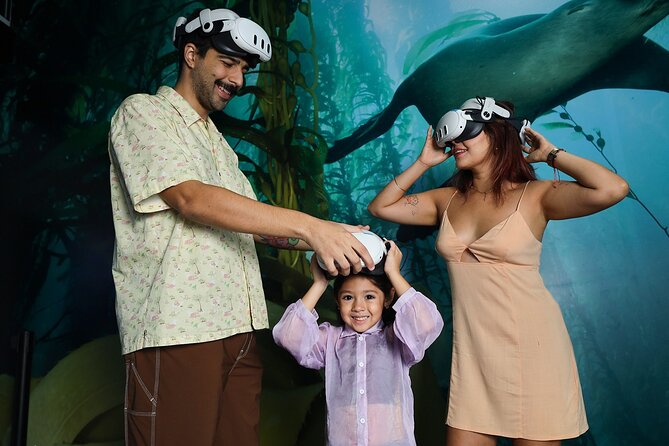
The ocean gets much more interesting indoors. At MUNBA, the Museo Nacional de la Ballena, you can explore whale and dolphin anatomy through virtual reality, listen to whale songs, and walk among one of Latin America’s largest collections of marine skeletons. I like the interactive technology and the rare chance to see the world’s only known sperm whale calf skeleton on display.
I also like the museum’s family focus, especially the supervised Children’s Zone and the exhibits built around Talassa the whale. The main drawback is its size: you can expect a good two to three hours, but this is not an all-day museum with room after room of displays.
Key Points to Know Before You Go
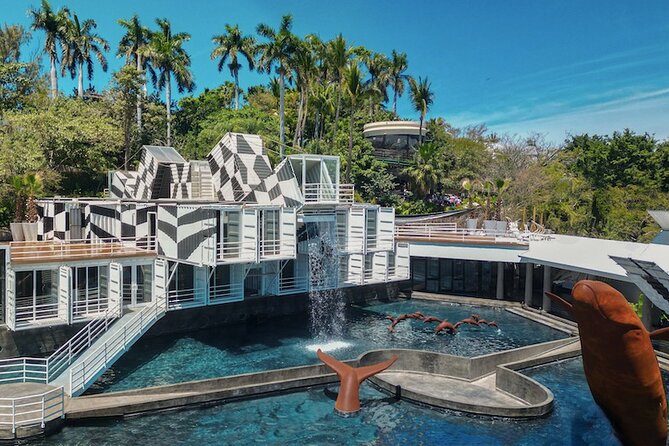
- See the world’s only sperm whale calf skeleton: MUNBA’s collection includes a rare specimen that gives the museum a clear scientific highlight.
- Use virtual reality to study a dolphin: The technology helps turn anatomy into something you can understand rather than simply read about.
- Hear whale songs and explore ocean habitats: Sound and visual displays make the marine world feel more immediate.
- Bring children without losing your own museum time: The supervised Children’s Zone gives families a practical way to share the visit.
- Plan for two to three hours: The museum is moderate in size, so it works well as a focused Mazatlán outing.
- Your ticket supports conservation: The museum connects admission with work to protect marine life.
What MUNBA Adds to a Mazatlán Visit
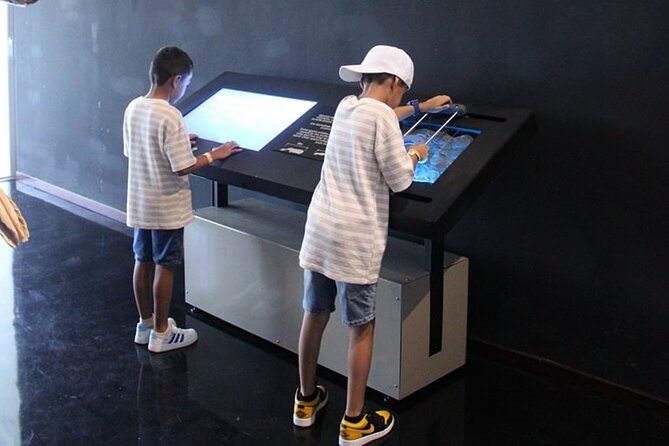
Mazatlán is closely tied to the sea, but seeing the water from shore only tells part of the story. MUNBA gives you a closer look at the animals that live below the surface, using skeletons, sound, digital technology, and hands-on displays.
That mix matters. A whale skeleton can show you the scale and structure of an animal, but it does not explain how the creature moves or communicates. A whale song can create an emotional response, while virtual reality can help you understand anatomy. MUNBA uses these different tools together, so the visit is not just a room of bones.
The museum is especially useful if you are visiting Mazatlán with children, have a rainy afternoon, or want a break from the heat. It also works for adults who enjoy natural science but do not want a long, formal museum visit. The displays appear designed to keep you moving and involved.
You should set your expectations properly. The museum is not huge, and the available visit length of two to three hours is a sign of its scale. You can see the main displays without rushing, but you probably will not spend an entire day here.
More Museum Visits in Mexico:
- Reykjavik: Whales of Iceland Museum Entrance Ticket
★ 4.4 · 493 reviews - Reykjavik: Whale Watching Tour, Whales of Iceland Exhibition
★ 4.4 · 187 reviews - Reykjavik: Whale Watching Excursion & Whale Exhibition
★ 4.5 · 42 reviews
The Main Collection: Whales, Dolphins, and Orcas
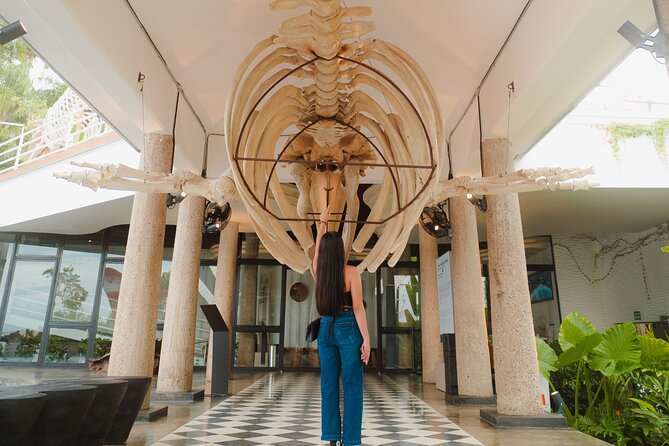
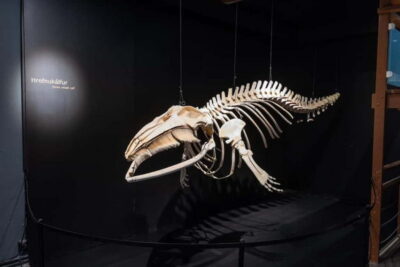
The museum’s strongest physical display is its osteological collection, meaning a collection of bones and skeletons. MUNBA is home to the second-largest collection of this type in Latin America, giving the museum a serious scientific purpose beyond its family-friendly presentation.
The skeletons of whales, dolphins, and orcas help you see how different marine mammals are built. A complete skeleton also gives you a much better sense of size than a photograph ever could. You can examine the long body, jaw, ribs, and flippers in a way that makes anatomy easier to grasp.
The world’s only sperm whale calf skeleton is the collection’s most unusual piece. It is the sort of detail worth seeking out early in your visit, especially if you have limited time. Rare specimens give the museum a distinct identity and make it more than a general marine-life exhibit.
The collection also helps explain why whales are not simply large fish. Their bone structure, breathing needs, and body design point to a very different kind of animal. MUNBA’s strength is that it presents those ideas in a visual form, without requiring you to read a long scientific text first.
Still, a skeleton collection can feel static if that is all you see. The museum avoids that problem by pairing the physical specimens with sound, digital displays, and story-based exhibits. That balance is important for younger visitors, who may not stay engaged with bones alone.
Virtual Reality and the Dolphin Anatomy Exhibit
One of the museum’s most distinctive features is a virtual reality activity that lets you examine a dolphin’s anatomy. This gives you a different way to understand what lies beneath the animal’s smooth exterior.
The value here is not simply the novelty of wearing virtual reality equipment. The technology can show how the body is arranged and help you connect the animal’s shape with its way of life. For children, that may be easier to understand than a label beside a skeleton.
You should think of this as an educational tool with a playful surface. It adds movement and personal involvement to a subject that might otherwise feel distant. If you enjoy technology-based exhibits, this will likely be one of the museum’s most memorable sections.
The available information does not specify how long the virtual reality activity lasts or how many stations are operating. If the museum is busy, you might need to wait for access. Since the entire visit takes roughly two to three hours, it is worth allowing time for the interactive displays rather than spending all your attention on the skeletons.
Whale Songs, Underwater Worlds, and Talassa’s Journey
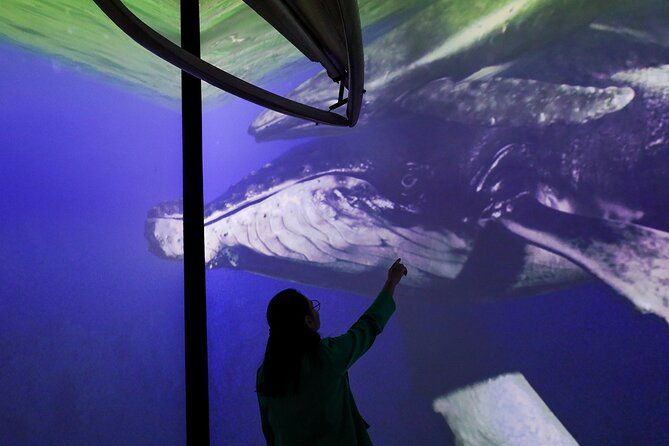
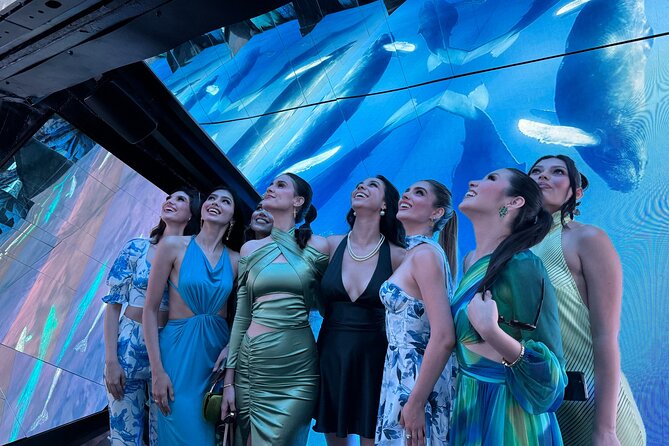
Sound plays an important role at MUNBA. You can hear whale songs as part of the visit, which adds an atmosphere that bones and screens cannot provide on their own.
Whale communication is difficult to understand when it is reduced to a paragraph on a wall. Hearing the calls gives you a stronger sense that these animals have complex social lives and ways of communicating across great distances. It also changes the pace of the museum. Instead of only looking, you stop and listen.
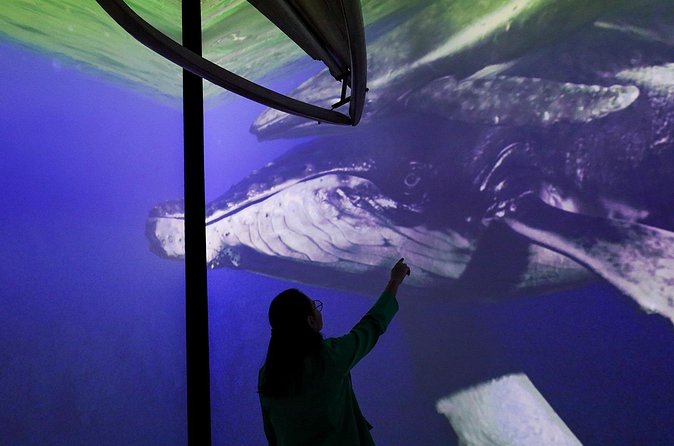
Another part of the visit follows Talassa the whale on her journey. This story-led approach gives younger visitors a character to follow while introducing larger ideas about marine life and survival. It can also help adults connect individual animals with the wider problems facing ocean ecosystems.
The museum presents the challenges faced by marine species through dynamic, interactive exhibits. The information provided does not list every threat in detail, so you should not expect a full scientific course on conservation. Still, the displays are meant to show that whales, dolphins, and other marine animals face real pressures and that human choices affect their future.
This is where the museum’s conservation message becomes useful rather than decorative. You are not just looking at large animals from the past. You are also being asked to consider the living species that remain in the ocean today.
A few more whale watching trips around Mexico worth a look
- Luxury Catamaran Whale Watching Cabo San Lucas
★ 5.0 · 2,107 reviews - Whale Watching Cabo-Women crew-Sightings Guaranteed & Free Photos
★ 5.0 · 1,743 reviews - SMALL GROUP Whale Watch | Cabo San Lucas | Biologist | FREE Pics
★ 5.0 · 1,106 reviews - Humpback Whales in Cabo San Lucas
★ 5.0 · 1,005 reviews
A Good Family Stop, With a Few Practical Limits
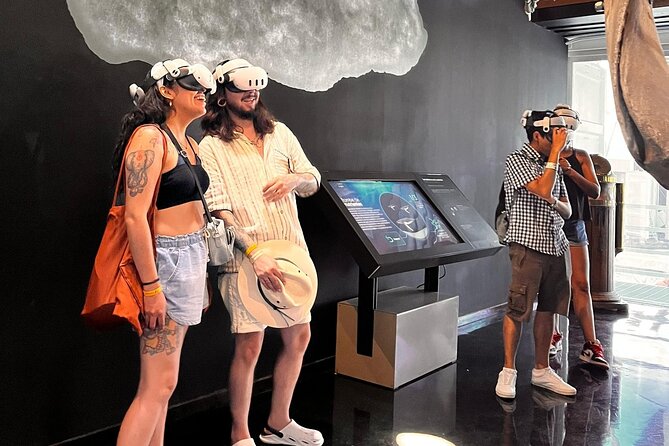
MUNBA makes a clear effort to serve families. The Children’s Zone offers creative and educational activities under expert supervision, allowing children to take part in their own program while parents spend more time with the main exhibits.
That arrangement can make a real difference. Many family museums offer a children’s corner, but a supervised area gives parents a chance to focus without constantly checking whether a child is bored or wandering away. You should still confirm the current arrangements when you arrive, since the information does not specify the age range, activity schedule, or supervision hours.
The family focus does not mean adults will have nothing to enjoy. The skeleton collection, whale songs, conservation material, and virtual reality activity give the museum enough substance for mixed-age groups. One person can enjoy the science while another follows the story of Talassa.
The main limitation is that the museum offers a moderate amount to see rather than a massive collection. A family can comfortably spend a few hours here, but you should pair it with another Mazatlán activity if you need a full day of plans.
Is the $17.30 Ticket Good Value?
At $17.30 per person, MUNBA is priced as a focused attraction rather than a major full-day institution. I consider that reasonable if you use the two to three hours well and take part in the interactive sections.
The value comes from the combination of elements. You are paying for a physical skeleton collection, virtual reality, audio exhibits, a marine conservation message, and a family activity zone. If you only walk quickly through the displays, the price may feel less attractive. If you listen to the whale songs, spend time with the dolphin anatomy activity, and explore the skeletons carefully, the visit offers more for your money.
The ticket also includes admission to the museum café, where you can finish your visit with a break. The information does not specify the café menu or prices, so you should treat it as a convenient stopping point rather than plan a meal around it.
Another value point is the conservation connection. Your admission supports marine conservation, giving the visit a purpose beyond entertainment. That does not replace responsible choices at sea, but it adds weight to the ticket.
Timing, Access, and Booking Details
MUNBA is open Tuesday through Sunday from 10:00 a.m. to 5:00 p.m. It is closed on Mondays according to the stated schedule, so check your date before planning the visit.
A mobile ticket makes entry simpler, since you can keep the ticket on your phone. The experience is offered in English, which is useful if you do not speak Spanish. The museum is near public transportation, so it can fit into a broader day around Mazatlán without requiring a complicated transfer.
Service animals are allowed, and most people can participate. The available information does not give details about every exhibit’s physical accessibility, so you should contact the provider if you need specific assistance.
The experience is provided by Shekinah Beach Club. Confirmation is issued at booking, and free cancellation is available if you cancel at least 24 hours before the start time. Within 24 hours, refunds are not available and changes are not accepted.
The museum is booked an average of 31 days in advance. That does not mean you must reserve a month ahead, but it suggests you should book early if your schedule is fixed, particularly during busy periods.
Who Should Book This Museum?
I would recommend MUNBA to families, marine-life fans, and anyone wanting an indoor activity in Mazatlán. The Children’s Zone makes it easier for parents, while the skeletons and conservation displays give adults a reason to stay engaged.
It also suits you if you prefer a shorter attraction with a clear theme. The museum’s moderate size means you can see a lot without spending an entire day indoors. The virtual reality exhibit and whale songs are useful additions if traditional museums usually lose your attention.
You may want to skip it if you are looking for a large, all-day museum or a guided tour with extensive personal commentary. The information provided does not mention a guide, a group size, or live narration. This is best treated as a self-directed museum visit with interactive features.
Should You Book MUNBA?
Book MUNBA if you want a family-friendly marine museum with real skeletons, unusual specimens, sound exhibits, and technology that explains animal anatomy. The sperm whale calf skeleton gives the visit a rare focal point, while the Children’s Zone makes it practical for parents.
The museum is not enormous, so you should judge the $17.30 price against a two to three hour visit, not a full day. For most visitors who enjoy natural science and want a break from outdoor activities, the combination of education, entertainment, and conservation support makes it a sensible Mazatlán stop.
FAQ
Where is the MUNBA whale museum located?
MUNBA, the Museo Nacional de la Ballena, is located in Mazatlán, Mexico.
How long does a visit to MUNBA take?
The visit takes approximately two to three hours.
When is MUNBA open?
MUNBA is open Tuesday through Sunday from 10:00 a.m. to 5:00 p.m. The stated operating period runs from January 20, 2025, through December 30, 2026.
Is the museum ticket available on a mobile phone?
Yes. The admission includes a mobile ticket.
Is MUNBA offered in English?
Yes. The experience is offered in English.
Can I cancel for a full refund?
Yes. You can cancel at least 24 hours before the experience start time for a full refund. Cancellations or changes made within 24 hours are not accepted for a refund.
Just added around Mexico
- Whale Watching in San Jose del Cabo★ 5.0 · 3 reviews
- Whale Watching in La Paz – Gray Whale Encounter★ 4.4 · 4 reviews
- Whale Watching Guaranteed Experience in Puerto Vallarta★ 5.0 · 7 reviews
- Cabo San Lucas: Whale Watching Experience on Catamaran★ 4.3 · 5 reviews
- Whale Watch Cabo: Zodiac Whale Adventure – FREE Photos★ 4.8 · 4 reviews
- Whale Watch Cabo: Group Whale Watching Tour – FREE photos★ 5.0 · 3 reviews
- Whale Watching★ 4.0 · 10 reviews
- Private Whale Watching in San Jose Del Cabo snack,drinks,Warranty★ 5.0 · 2 reviews
Museums, compared.
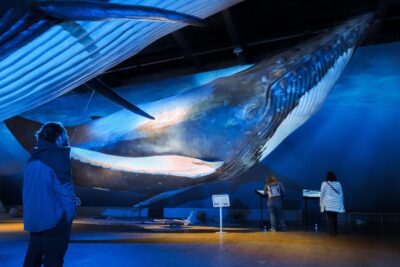
Reykjavik: Whales of Iceland Museum Entrance Ticket
Read our review →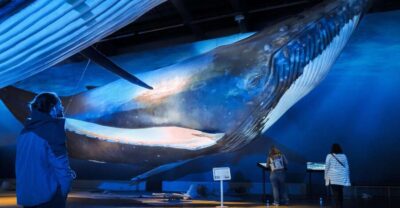
Reykjavik: Whale Watching Tour, Whales of Iceland Exhibition
Read our review →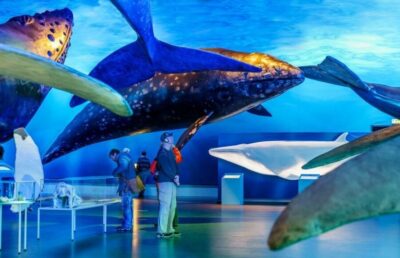
Reykjavik: Whale Watching Excursion & Whale Exhibition
Read our review →
Deluxe Whale Watching and Whales of Iceland Exhibition Combo from Reykjavik
Read our review →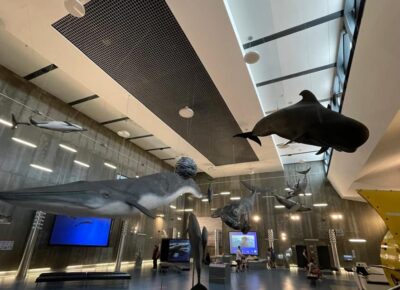
Browse the lists this tour appears in