
REVIEW · AUSTRALIA WHALE WATCHING TOURS
Bremer Bay: Bremer Canyon Killer Whale Expedition
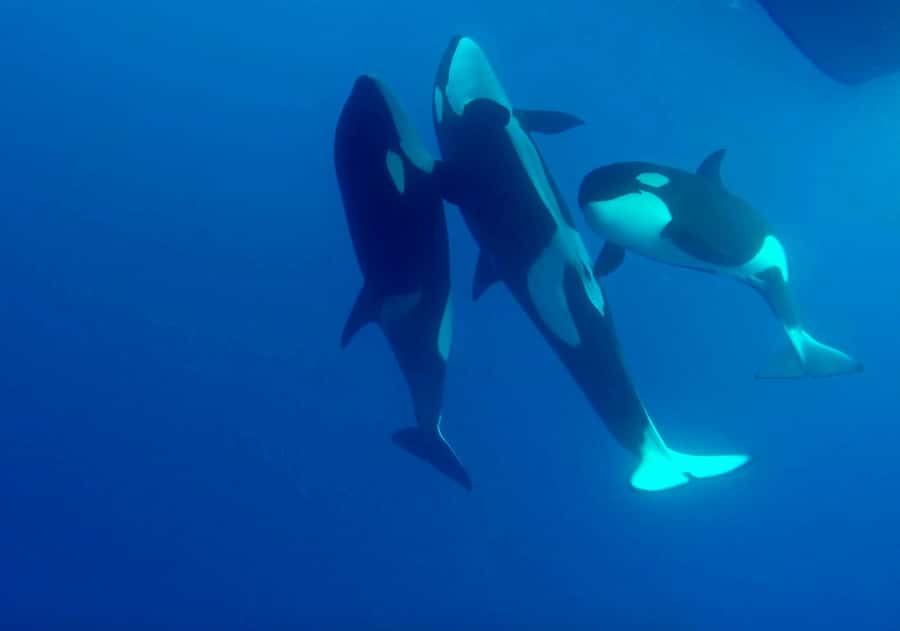
Orcas make the Southern Ocean feel wonderfully wild. This eight-hour trip from Bremer Bay takes you to the Bremer Canyon, the only place in Australia where you can reliably encounter killer whales in the wild. I especially like the marine biologist commentary, which gives meaning to every fin, blow and chase, and the careful catering, with morning tea, lunch, afternoon tea, and hot and cold drinks included.
I also like the purpose-built Alison Maree, designed for Southern Ocean conditions rather than adapted from a small sightseeing boat. The main caution is simple: this is a long trip on open water, and seasickness can affect even people who normally feel fine on boats. Take motion sickness medicine as advised, dress warmly, and expect a real ocean expedition rather than a gentle harbour cruise.
Key points to know before you book
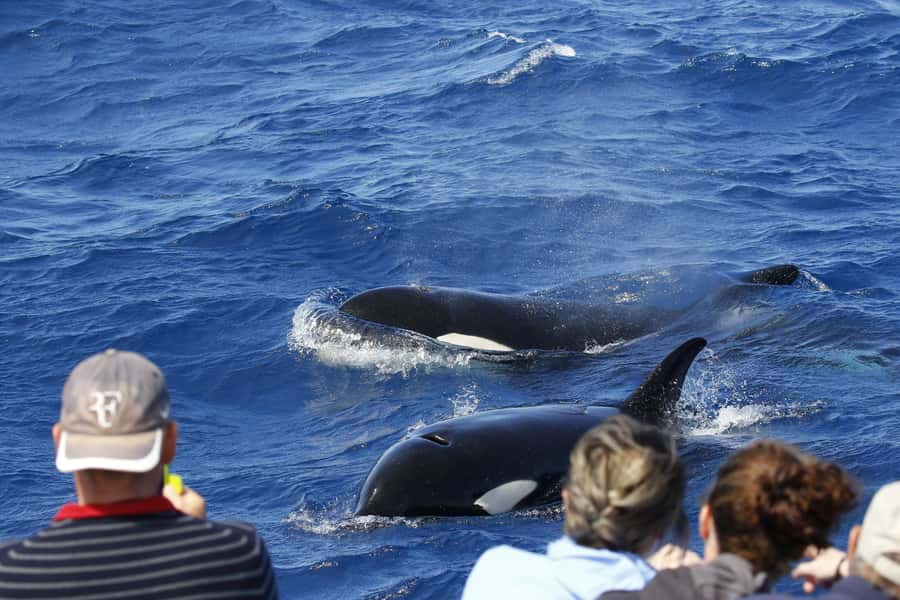
- Orcas are the main event: The Bremer Canyon is Australia’s reliable wild killer whale location, with sightings often lasting for hours.
- The boat travels far offshore: The journey to the canyon takes about 1 to 1.5 hours, depending on sea conditions and weather.
- Wildlife can be varied: You may see sperm whales, pilot whales, dolphins, seals or sea lions, sharks, albatross and other pelagic birds.
- The day is fully catered: Morning tea, lunch, afternoon tea, and unlimited hot and cold drinks are included.
- Seasickness preparation matters: Even on a mild day, Southern Ocean swell can trouble passengers who have never felt sick at sea.
- It suits adults and older children: Children under 10, pregnant women and wheelchair users cannot take part.
Why Bremer Bay is the place for wild orcas
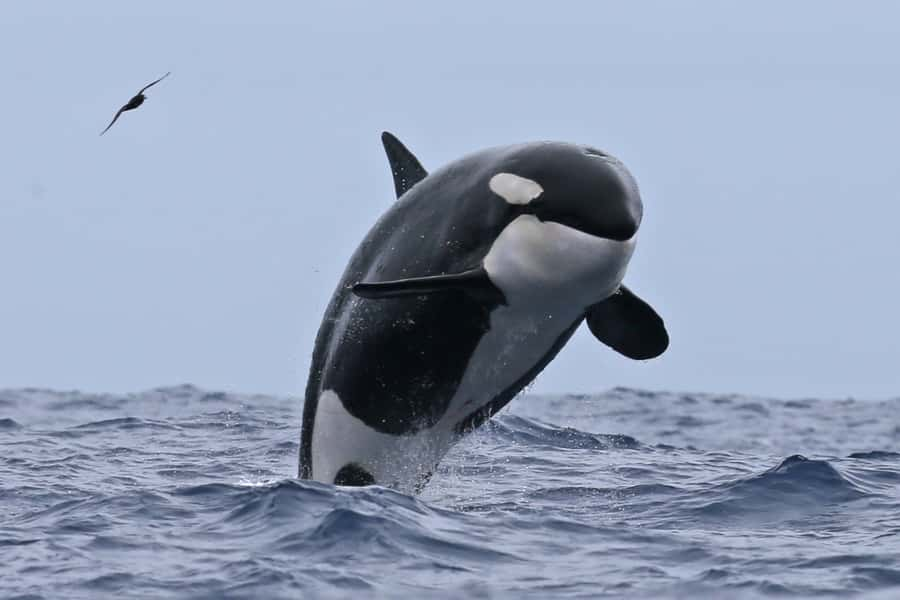
Bremer Bay is not offering a quick coastal whale trip where a lucky glance is the whole reward. The boat heads to the Bremer Canyon, an offshore feeding area where killer whales gather in season. The appeal is the chance to watch natural behaviour: pods travelling together, surfacing, hunting, and sometimes moving close to the boat.
That distinction matters. You are not visiting a marine park, and you are not guaranteed a choreographed show. The whales decide what happens. On good days, though, the sightings can be remarkably sustained. Several recent trips have spent roughly five hours around the canyon with orcas appearing again and again, sometimes swimming beneath the boat or alongside it.
The killer whales are the obvious stars, but the wider cast can be excellent. Depending on conditions and luck, you might see pilot whales, sperm whales, dolphins, seals, sea lions, sharks, blue whales and large ocean birds such as albatross. One outing included a bronze whaler shark, while another produced two predation events, a rare and powerful glimpse of how these animals hunt.
That variety is a bonus, not the promise. The most honest way to book is to treat the orcas as the reason for the trip and everything else as an extra.
More Orca Watching Tours in Australia:
- Bremer Canyon Killer Whale (Orca) Expedition
★ 5.0 · 215 reviews - Bremer Bay Orca Experience
★ 5.0 · 79 reviews - Bremer Canyon Orca Experience from Bremer Bay
★ 4.6 · 35 reviews
Starting at Bremer Bay boat harbour
Your day begins at the Bremer Bay boat harbour. There is no hotel pickup or drop-off, so you need to make your own way to the departure point and allow time to board without rushing.
Once aboard the Alison Maree, the crew gives a safety briefing. A multimedia presentation follows, covering killer whale biology and ecology along with the other species you may encounter. This opening session is useful because it gives you a framework for the day. You learn what to watch for, why the canyon attracts marine life, and how the crew interprets behaviour once the animals appear.
The early presentation also helps set expectations. You are heading into open Southern Ocean water, not simply cruising around the sheltered Bremer Bay coast. The trip takes about eight hours, so this is a full day commitment. Plan the rest of your schedule around it rather than trying to squeeze in another major activity afterward.
The crew has drawn consistent praise for clear explanations, steady help and enthusiasm. On one trip, a passenger felt the announcements were difficult to hear and suggested a microphone would help. That is a useful reminder to stay near the commentary when possible and ask for clarification if you miss something.
The 1.5-hour run to the canyon
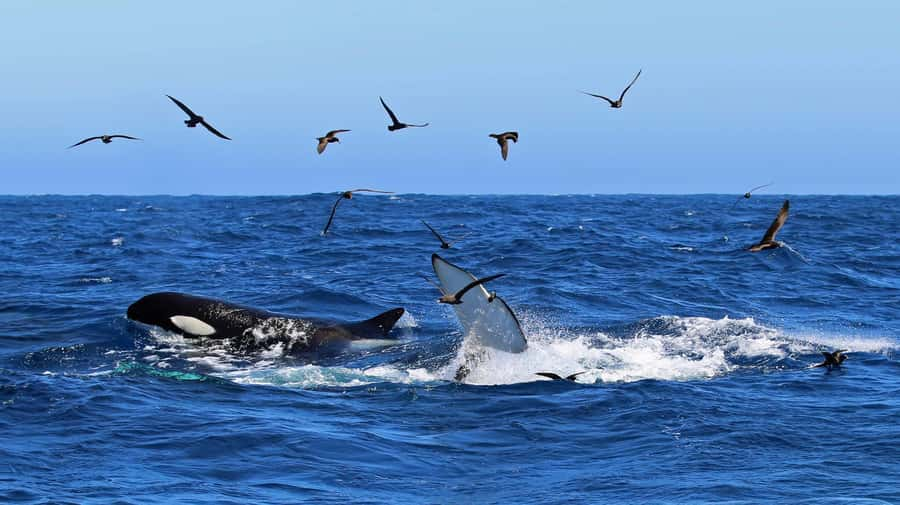
The trip to the whale area takes around 1 to 1.5 hours, depending on weather and sea state. This is the section most likely to test your stomach. The ocean can look mild from shore and still produce a rolling ride farther out.
Take seasickness tablets before boarding, following the product instructions. Several passengers who had never suffered seasickness took medication as a precaution and were glad they did. Others who skipped it had a rough time. A light, plain breakfast can also be sensible if you are prone to nausea.
Warm clothing is essential. Bring layers and comfortable shoes, and consider waterproof outer clothing. You will want to move between viewing areas, and cold wind can make the boat feel much chillier than the harbour.
The Alison Maree was built for Southern Ocean conditions, which is a meaningful advantage on this route. It does not remove the swell, but a vessel designed for the area is a better fit than a small, lightly built sightseeing boat. The boat is also described as new and comfortable, with space for passengers to watch from different positions.
Do not expect to swim or snorkel. Those activities are not allowed, and the experience is entirely about observing marine life from the boat.
Watching orcas in the Bremer Canyon
Once the boat reaches the canyon, the pace changes. The crew and spotters search for pods, then adjust the boat’s position so you can watch the whales without turning the encounter into a chase.
This is where the trip earns its price. A single brief sighting would be memorable, but the strongest days have produced long periods of repeated encounters. Orcas have surfaced close to the boat, crossed beneath it, travelled alongside it, and played in the wake as the vessel left the area.
The best moments are not always the biggest displays. You might see a blowhole open near the rail, a dorsal fin cut through the water, or several animals travelling together in a loose pod. With the marine biologist explaining what you are seeing, the encounter becomes more than a series of photographs.
The commentary covers hunting methods, social behaviour and the ecology of the whales. This is particularly useful during quieter stretches, when the crew can explain why the animals are moving in a certain direction or how the wider food chain supports the canyon.
There can be excitement when the orcas hunt. Some outings have included predation, including two separate events on one day. That is not guaranteed and may be intense to watch. If you prefer wildlife experiences with no hunting, this is worth considering before booking. The animals are wild, and natural behaviour can be dramatic.
The crew may stay in the area for a substantial period when conditions and wildlife activity allow. Several days have included about five hours at the canyon. That gives you repeated chances to see the animals, take photographs, and step away from the rail when you need a break.
A few more whale watching trips around Australia worth a look
- Sydney: Whale Watching Adventure Cruise
★ 4.2 · 1,790 reviews - Brisbane Whale Watching Cruise from Redcliffe or Sunshine Coast
★ 5.0 · 997 reviews - Freedom 3/4 Day Hervey Bay Premium Whale Watching Cruise
★ 5.0 · 919 reviews - Whale Watching Tour with Spirit of Gold Coast
★ 4.5 · 884 reviews
Other wildlife beyond the killer whales
The trip is built around orcas, but you should keep looking between sightings. Common dolphins may appear during the outward journey. Pilot whales and sperm whales have been seen near the canyon or on the return route, and one crew chose to remain out longer so passengers could enjoy sperm whales spotted later in the day.
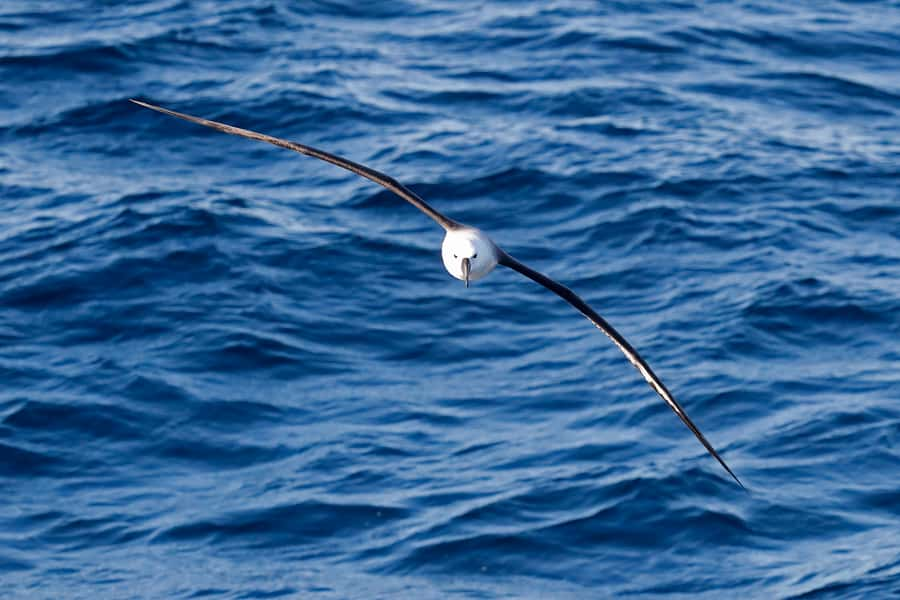
Seals and sea lions add a different kind of encounter, while sharks and pelagic birds show how far offshore you have travelled. Albatross sightings can be especially memorable because these large birds belong to the open ocean rather than the beaches and bays most people associate with Western Australia.
A blue whale has also been seen on one outing. That is an exciting possibility, but it belongs firmly in the category of good fortune rather than a scheduled part of the tour. If you book expecting every species listed, you may be disappointed. If you understand that the ocean sets the agenda, each extra sighting feels like a genuine bonus.
One passenger hoped for more variety of large marine animals but came to understand that the day is usually centred on orcas. That is the right way to frame it. This is not a general wildlife checklist tour with equal time devoted to every animal. The killer whales take priority.
Food, drinks and comfort during eight hours
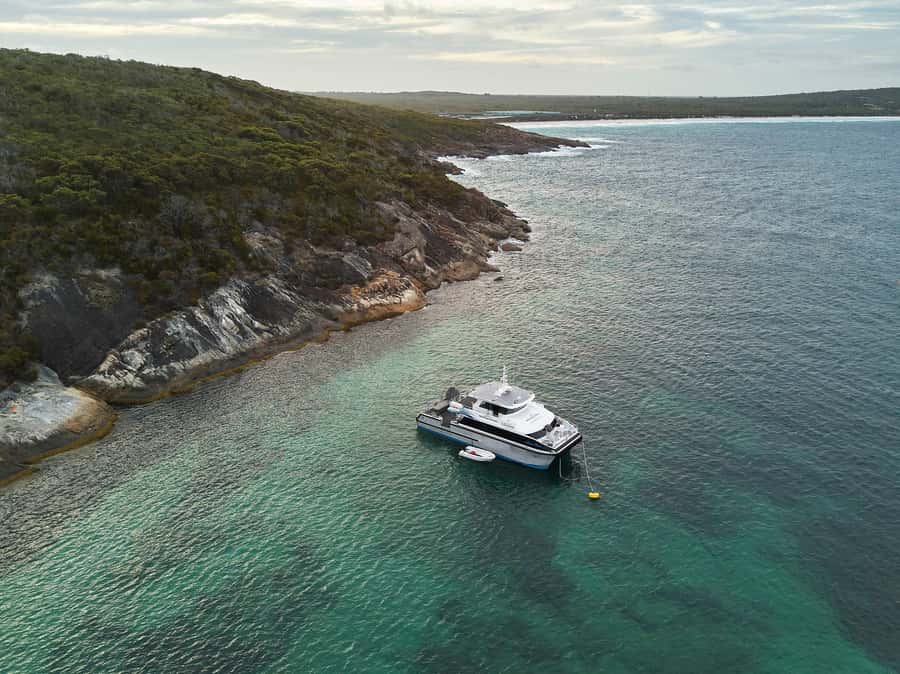
Meals matter on a day like this. You are away from shore for much of the day, and an empty stomach can make motion sickness worse. Morning tea, lunch and afternoon tea are included, along with unlimited hot and cold beverages.
The food has received strong praise, and passengers have described being fed and supplied with drinks throughout the trip. Soft drinks are available, along with hot options. The crew also checks on people who are feeling unwell, which can make a rough patch at sea easier to manage.
You will still need to dress for comfort rather than relying on the catering to make the day easy. Wear warm layers, choose stable footwear, and bring any personal medication you need. Comfortable shoes matter because you may shift around the boat as the whales move.
The day can feel long if you remain outside in cold wind for hours. Take breaks indoors when needed, but return to the viewing areas when the crew announces activity. The aim is not to stand at the rail every minute. It is to manage your energy so you can enjoy the best sightings.
What the crew adds to the experience
The crew is one of the strongest parts of the trip. Their role goes beyond driving the boat. Spotters look for wildlife, the marine biologist explains behaviour, and other crew members help with food, drinks and passenger comfort.
The commentary is especially valuable for first-time whale watchers. You may know that orcas are intelligent predators, but seeing how they travel, hunt and interact gives those facts weight. The crew also explains the other marine life, so a glimpse of a pilot whale or albatross does not pass as an unidentified shape in the distance.
The staff are described as friendly, attentive and enthusiastic. They also appear willing to adjust the day when conditions and sightings call for it. On one trip, the crew stayed out longer to enjoy sperm whales on the return route.
There have been a few minor concerns. One passenger felt that a crew member was too restrictive about how people moved around the boat, while another found the announcements hard to hear. These comments do not change the strong overall impression, but they suggest that communication and movement rules may feel different from one crew member to another.
Is $282 a fair price?
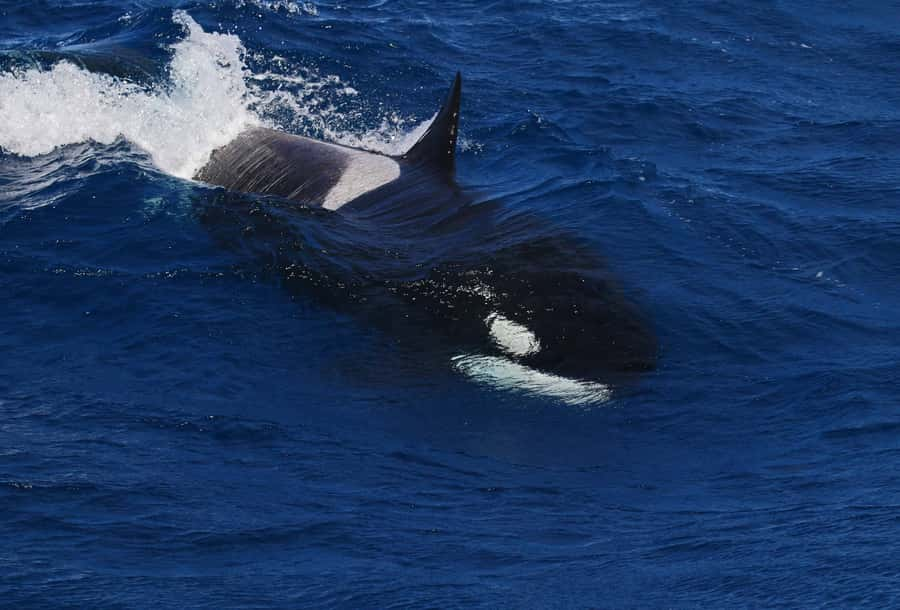
At $282 per person, this is not a casual add-on. It is a major day-trip expense, especially if you are also paying for accommodation and transport to Bremer Bay.
The value depends on what you want. For a short boat ride with a possible whale sighting, the price would be hard to justify. For eight hours at sea, a purpose-built vessel, marine biologist interpretation, meals, drinks, wildlife photography and the chance to spend hours with wild orcas, the cost is more reasonable.
The key value is time. The crew is not rushing back after one appearance. When conditions allow, you can watch the pods for hours and still encounter other species along the route. That extended access is what separates this from a quick sightseeing cruise.
Naturalist Charters also sends expedition photographs and a daily blog by email afterward. You cannot rely on those images to replace your own camera, but they give you a useful record of the day and may capture moments you missed while watching the water.
Free cancellation is available up to 24 hours before departure, and you can reserve now and pay later. Those terms help if your Western Australia plans are still moving around, though you should still check the available departure time before committing your day.
Who should book this expedition?
I would recommend it most strongly to adults and older children who are excited by wild animals, open-ocean travel and a full day outside. It suits photographers, marine-life fans, first-time whale watchers and anyone willing to trade a little comfort for a rare encounter.
You should be realistic about the physical demands. Children under 10 cannot take part, and the trip is not suitable for pregnant women or wheelchair users. The boat travels offshore, the ride can be rough, and seasickness medicine is strongly advised.
This is also a good choice if you care about learning what you are seeing. The crew’s explanations give the day more shape than simply pointing a camera at fins. If you only want a calm, short cruise, choose something else.
Should you book the Bremer Bay orca expedition?
Book it if seeing killer whales in the wild is a top priority and you can handle an eight-hour day on the Southern Ocean. The strongest reason to go is the chance to watch pods for hours in their natural setting, with an informed crew, solid catering and a boat made for the conditions.
Skip it if you are highly prone to seasickness, dislike unpredictable weather, or need a short and gentle activity. For everyone else, I would take the warnings seriously, prepare properly, and consider the $282 a fair price for one of Australia’s most unusual wildlife encounters.
FAQ
Where does the Bremer Bay killer whale expedition depart from?
The expedition starts and ends at the Bremer Bay boat harbour.
How long does the expedition last?
The full expedition takes approximately eight hours.
How long does it take to reach the killer whale area?
The journey to the Bremer Canyon takes about 1 to 1.5 hours, depending on sea conditions and weather.
What animals might I see?
You may see killer whales, sperm whales, pilot whales, dolphins, sharks, seals, sea lions and pelagic birds. Other sightings can include albatross and, on rare occasions, a blue whale.
Are meals and drinks included?
Yes. Morning tea, lunch, afternoon tea, and unlimited hot and cold beverages are included.
Is seasickness medication recommended?
Yes. Seasickness tablets are strongly recommended because the boat travels into the Southern Ocean, where conditions can be rough and unpredictable.
Can I swim or snorkel during the trip?
No. Swimming and snorkeling are not allowed.
Who cannot take this expedition?
The experience is not suitable for children under 10, pregnant women or wheelchair users.
Just added around Australia
- Wilsons Promontory: Whale Spotting Cruise with Lunch★ 4.9 · 20 reviews
- Whale Watching Safari Byron Bay★ 4.9 · 39 reviews
- Noosa: Epic Whale Watching Ocean Kayak Tour & Beach 4X4★ 4.8 · 7 reviews
- Western Australia: Swim with Humpback Whales★ 5.0 · 20 reviews
- Tweed Heads: Whale Watching Boat Tour★ 4.7 · 30 reviews
- Bremer Bay Orca Experience★ 5.0 · 79 reviews
- Wilsons Prom Whale Cruise★ 5.0 · 104 reviews
- Whale Watching and Wildlife Cruise Townsville and Magnetic Island★ 5.0 · 11 reviews
Australia Whale Watching Tours, compared.
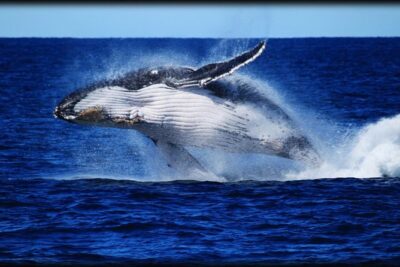
Brisbane Whale Watching Cruise from Redcliffe or Sunshine Coast
Read our review →Freedom 3/4 Day Hervey Bay Premium Whale Watching Cruise
Read our review →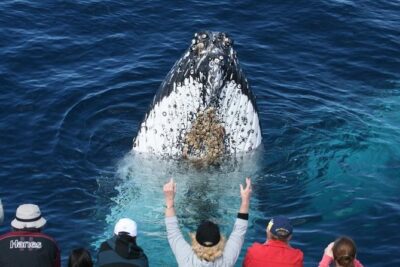

Sydney Whale-Watching Cruise Including Lunch or Breakfast
Read our review →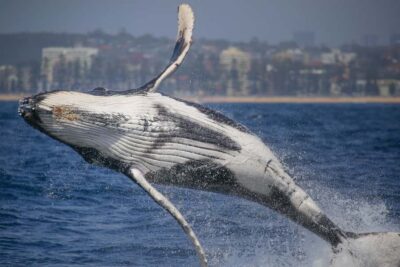
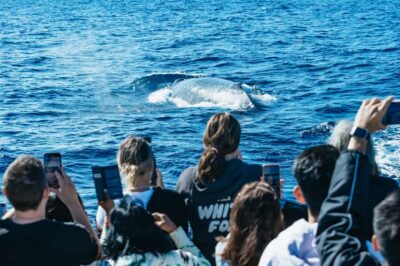
Spirit of Gold Coast 2.5-Hour Whale Watching Tour
Read our review →
Browse the lists this tour appears in