
REVIEW · HERVEY BAY WHALE WATCHING TOURS
Hervey Bay: Ultimate Whale Watching Experience
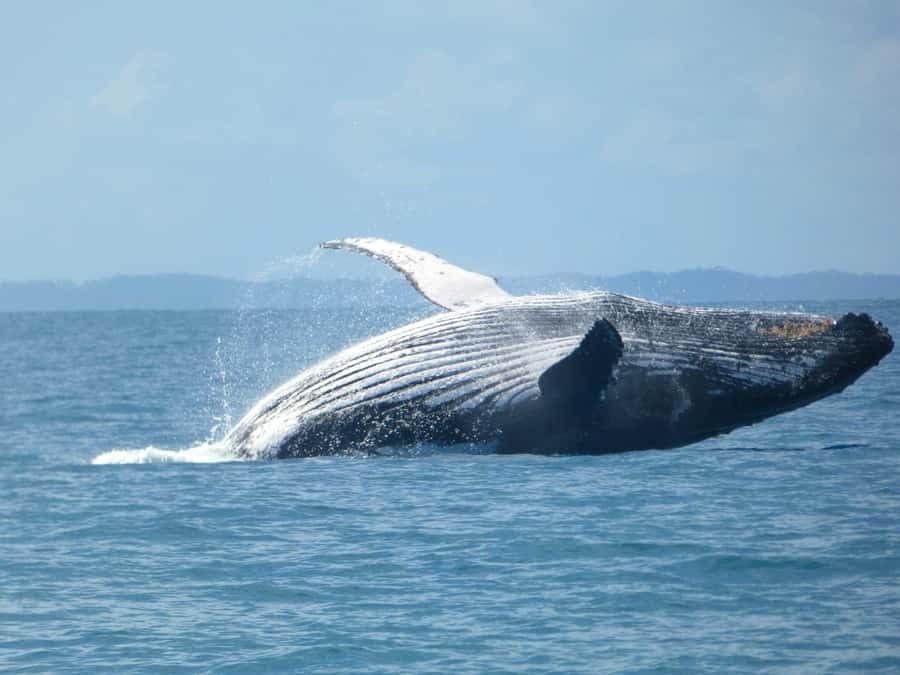
Whales can make three hours feel very short. Hervey Bay’s Ultimate Whale Watching Experience pairs close water-level views with marine scientists, live whale songs, and a small-group setting that feels more purposeful than a simple boat ride. I like the 12-metre Ocean Defender because its low profile gives you a clear view around the boat, and I like that your ticket supports whale research and ocean conservation. The main catch is the weather: it can be cold and choppy, even when the day looks pleasant on shore.
The boat leaves from Great Sandy Straits Marina in Urangan and heads toward Platypus Bay, the protected resting area used by humpback whales migrating along Australia’s east coast. You get snacks, soft drinks, shade, a toilet, and a whale sighting guarantee from July 15 to October 9, but you still need warm clothes and a tolerance for open-water motion.
Key points before you book
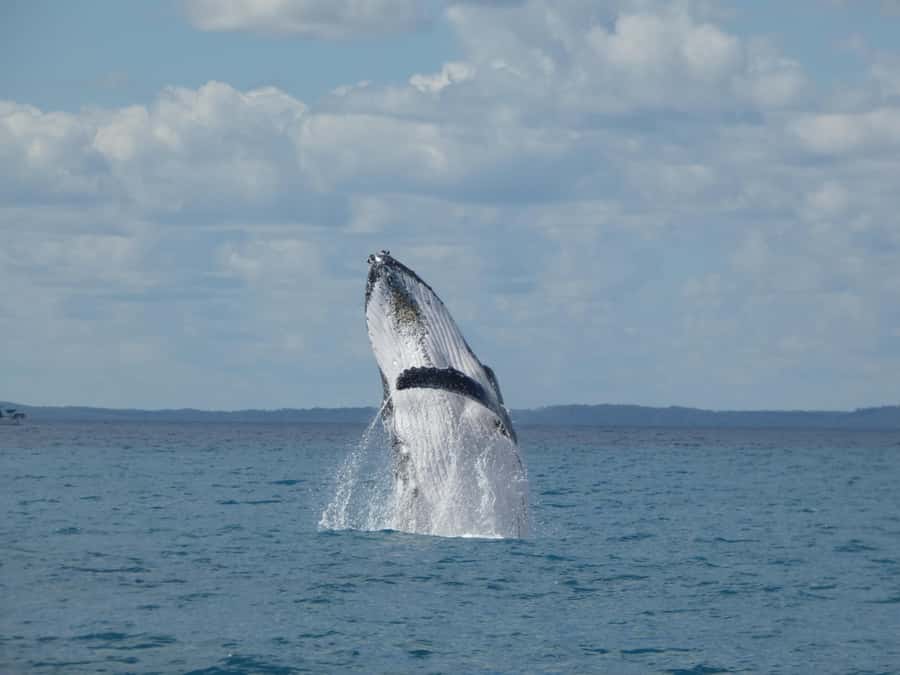
- Whale songs are part of the tour: Underwater hydrophones let you hear live calls beneath the boat, not just watch for blows and breaches.
- The small boat matters: Forward-facing seats and water-level viewing give each person a fair chance to see the action.
- Marine scientists lead the trip: Commentary covers whale behavior, migration, research, and conservation rather than offering only a basic sightseeing script.
- The best viewing window runs July 15 to October 9: Sightings are guaranteed during this period, though whales may still appear outside it.
- Expect a cold ride: Bring a jacket, warm layers, sunglasses, and a hat. Several departures have been delayed or rescheduled because of weather and tide conditions.
- Children need to be at least six: The tour is not suitable for wheelchair users or people with mobility impairments.
From Urangan Marina to Platypus Bay
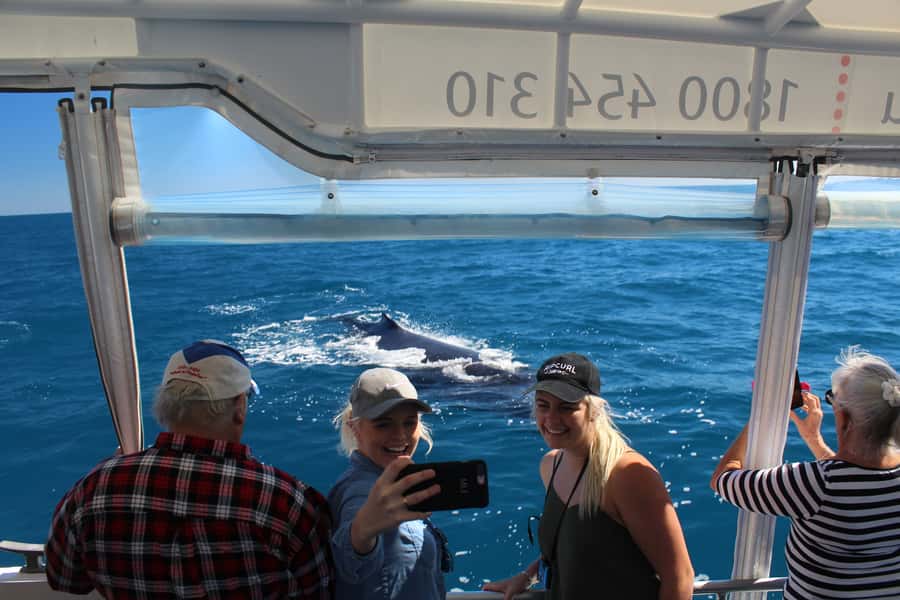
Your meeting point is Shop 1 at the Tourist Terminal inside Great Sandy Straits Marina. Look for the Pacific Whale Foundation Ocean Store. This is a practical place to start because the marina puts you straight onto the water, with no long coach transfer eating into the three-hour tour.
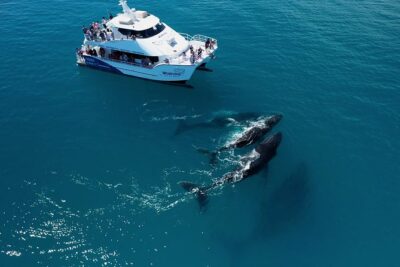
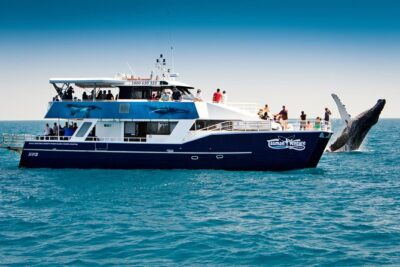
The Ocean Defender is a 12-metre rigid inflatable boat built for small-group whale watching. That design gives you a lower viewing position than a large sightseeing vessel. When a whale surfaces near the boat, you are closer to the waterline, which can make the animal feel impressively large.
You sit in an assigned seat, and you remain in your section while the boat is moving quickly. That rule may feel strict at first, but it helps the crew keep the boat balanced and gives everyone a defined viewing area. The forward-facing seats have space and shade, while the open sides provide wide views toward K’gari, formerly Fraser Island, and the surrounding marine park.
The fast ride to the whale area is part of the scenery. You get broad views of K’gari as the boat moves toward Platypus Bay, a protected part of the Great Sandy Marine Park and the Great Sandy Biosphere. Platypus Bay is especially important because migrating humpback whales use it as a resting area and a place to pause with their calves.
A few more whale watching trips around Hervey Bay worth a look
- Freedom 3/4 Day Hervey Bay Premium Whale Watching Cruise
★ 5.0 · 919 reviews - Hervey Bay 4-Hour Whale Watch Encounter
★ 4.9 · 562 reviews - Hervey Bay Whale Watching Experience
★ 5.0 · 557 reviews
Why Platypus Bay is more than a whale backdrop
The setting helps explain why Hervey Bay is such a strong place for whale watching. Humpback whales travel along the east coast during their migration, and the sheltered waters of Platypus Bay give them a calmer area for resting, social behavior, and raising young calves.
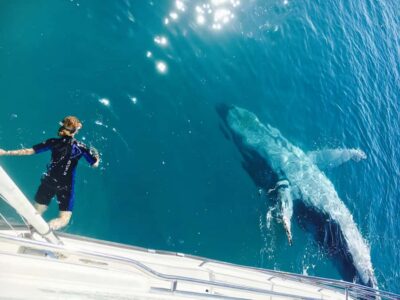
That context changes the way you watch. Instead of simply waiting for a dramatic breach, you learn to notice smaller behavior: a whale circling the boat, a calf playing, a fin appearing beside the surface, or a mother and calf moving together.
The area is also recognized as the world’s first Whale Heritage Site. Your guide connects what you see with ongoing research and protection work. The conservation message is not an extra speech tacked onto the end. It is part of the way the trip is presented from the beginning.
I appreciate that approach because whale watching can easily become a race to get the closest photograph. Here, the crew also explains why the animals behave as they do and why responsible viewing matters. The money supports marine research, education, and ocean conservation in Australia, giving the $84 price more weight than a standard sightseeing cruise.
What the three-hour trip feels like
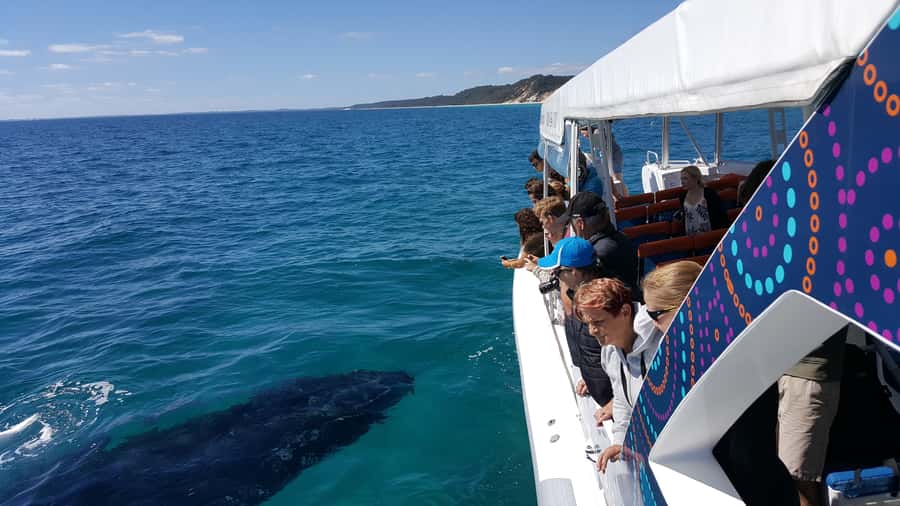
The tour lasts about three hours from marina to marina. After leaving Urangan, the boat cruises toward the protected whale area while the guide introduces the local waters, whale migration, and the animals you may encounter.
Once whales are found, the captain adjusts the boat to give passengers useful views. The small vessel makes it easier to look around without a forest of heads blocking your sightline. Several departures have produced encounters with mothers and calves, playful young whales, multiple pods, and whales that lingered around the boat.
You should keep your camera ready, but do not spend the entire trip staring at the screen. A whale may surface on one side, then appear behind you moments later. The assigned seating helps make the experience fair, but you still need to watch the water and listen to the crew’s directions.
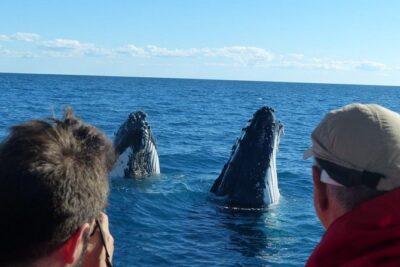
The strongest reports describe whales approaching within a short distance, circling the boat, or remaining nearby for an extended period. One departure had two whales staying with the boat for roughly 20 minutes. Another included a triple breach. Those moments are never under the crew’s control, so you should treat them as lucky additions rather than promised performances.
The sighting guarantee from July 15 through October 9 gives you useful reassurance during the main season. It does not guarantee breaching, close approaches, calves, or a particular number of whales. Nature does not work to a timetable, and the crew cannot order a whale to perform.
Outside the guaranteed period, sightings can still happen. Departures in October have included mothers and calves, even after the stated guarantee window. Still, if seeing whales is the main reason for your visit, book during the official guarantee dates when possible.
Marine science you can actually hear
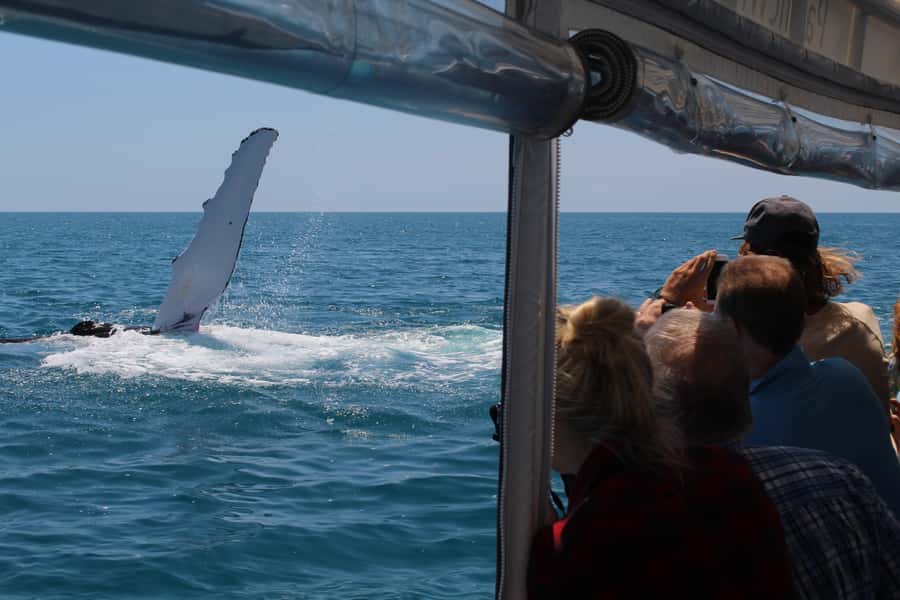
The live hydrophone session is one of the most distinctive parts of the trip. The equipment allows you to listen to whale songs underwater, adding a sound component that you rarely get from land-based viewing.
The guide explains whale behavior and shares findings from current research. You may learn how the crew interprets different movements, why whales gather in the bay, and what scientists are learning about the population. The exact content will vary with the whales and the guide, but the focus is firmly on marine science rather than light entertainment alone.
Several guides have earned praise for their clear explanations and passion. Ellie, John, Isabelle, Allen, Leanne, and other crew members have been singled out for spotting whales, explaining behavior, and helping people understand what they are seeing. One guide explained details such as the sex and age of whales, while another shared useful information about migration.
That human element matters. A good whale watch depends on spotting skill, boat handling, and communication. The captain needs to position the boat carefully without rushing the animals, while the guide keeps everyone focused on the water. Most accounts describe a friendly crew and a captain who stayed patient when passengers spotted whales.
There has been an occasional criticism of boat positioning, and one person found a guide slightly blunt in individual conversation. These are minor points, but they are worth acknowledging. The experience is strongly praised overall, yet no wildlife trip delivers perfect viewing from every seat at every moment.
Same water, a different way to meet them:
- Hervey Bay Whale Watching Cruise
★ 5.0 · 553 reviews - Spirit of Hervey Bay Whale Watching Cruise
★ 5.0 · 452 reviews - Fraser Island (K’gari): Remote Island and Whale Experience
★ 4.9 · 438 reviews - Hervey Bay Whale Swim and Watch
★ 5.0 · 201 reviews
Snacks, seating, and practical comfort
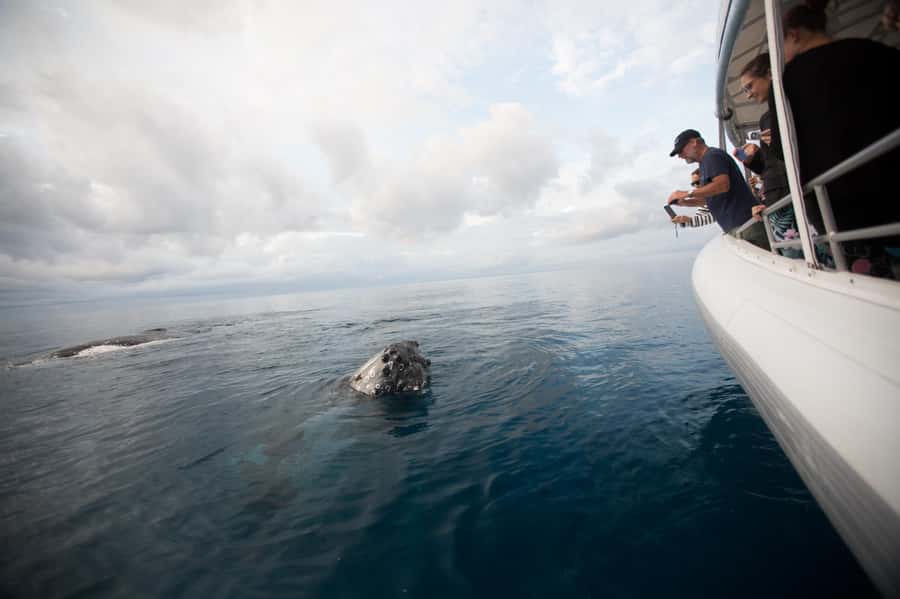
You receive snacks and soft drinks on board. The food service has been adjusted to limit contact, and the crew maintains sanitizer stations and regular cleaning. One person was pleasantly surprised by morning tea, while cookies and drinks have also been part of the onboard offering.
The snacks are useful rather than a substitute for lunch. Eat before you arrive if you need a full meal, especially since the tour spends three hours on the water. A toilet is available on board, which is a welcome detail on a small vessel.
The boat has shade and forward-facing seats, but do not mistake that for indoor comfort. The ride can feel much colder than the marina. Bring a warm jacket, extra layers, sunglasses, and a sun hat. The operator specifically recommends warm clothing and a jacket, and that advice deserves attention.
Weather can affect the day. A departure may be delayed or moved because of wind, rain, or tide conditions. One rescheduled trip remained choppy even after the weather improved. Another had rougher water on the return journey after conditions changed.
If you are prone to seasickness, consider taking appropriate travel sickness medication before departure. This suggestion comes directly from the practical reality of the ride, not from a desire to make the trip sound more dramatic. A fast rigid inflatable boat can handle conditions well, but it is still an open-water boat.
The value of $84
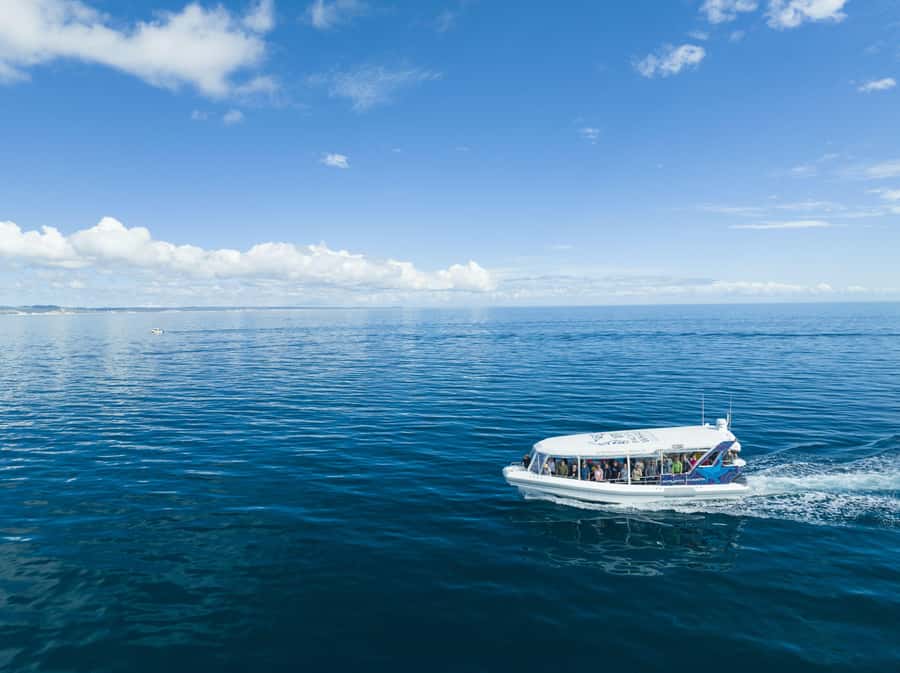
At $84 per person, this is not the cheapest way to look at the bay. The price makes more sense when you count what is included: three hours on the water, a small group, an expert guide, hydrophone listening, snacks, soft drinks, shade, a toilet, and the chance to support conservation work.
The small boat is the key value point. Larger whale-watching vessels can carry more people, but the Ocean Defender gives you a lower viewing position and less crowding around the rails. You are not paying only for transport. You are paying for a guided interpretation of the animals and a better chance of seeing the surface from several angles.
The conservation connection also sets this trip apart. If you care about how wildlife tourism affects the animals it presents, supporting research and marine education may justify the fare. You can enjoy the spectacle while learning why the bay matters and how whale protection depends on continued scientific work.
Still, the value depends on your expectations. You are paying for a wild-animal encounter, not a guaranteed breach or close approach. The official sighting guarantee means whales should be found during the stated season, but it does not promise a cinematic show.
Who will enjoy this whale watch most
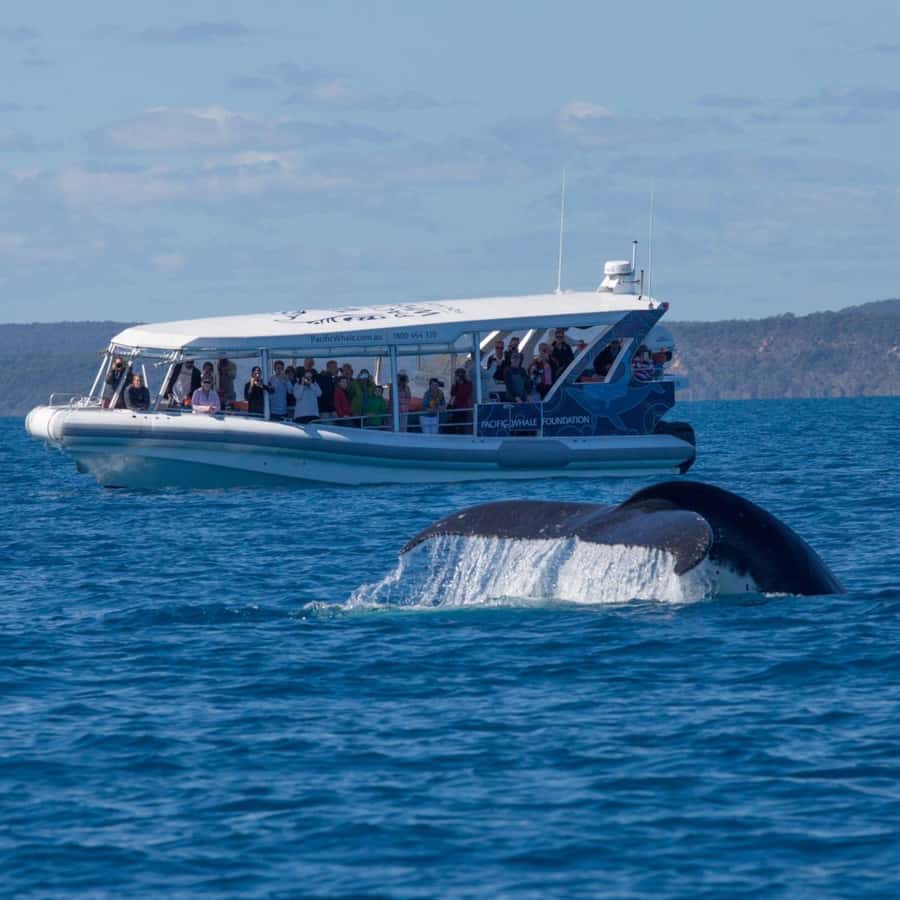
I would choose this trip if you want more than a quick photograph. The marine science, hydrophones, conservation focus, and small group make it especially suitable for people who like understanding the animal as well as seeing it.
Families can bring children aged six and older, and the Junior Naturalist Whale Watching Guide activity booklet gives younger passengers something useful to do. The booklet fits the conservation and education theme better than a generic coloring sheet.
The experience also suits photographers because of the water-level views and open sightlines. You can take pictures from the front or sides, but keep your camera protected from spray and remember that the whale may appear anywhere around the boat.
It is less suitable if you dislike cold, motion, or changing weather. It is also not suitable for children under six, wheelchair users, or people with mobility impairments according to the activity information. A previous passenger with a disability received helpful assistance, but you should still discuss your needs with the operator before booking because the formal restrictions remain.
Alcohol, drugs, intoxication, and drones are not allowed. Those rules protect safety, the crew, and the whales. You also need to follow instructions about remaining in your assigned section while the boat is moving quickly.
How to make the most of the morning or afternoon
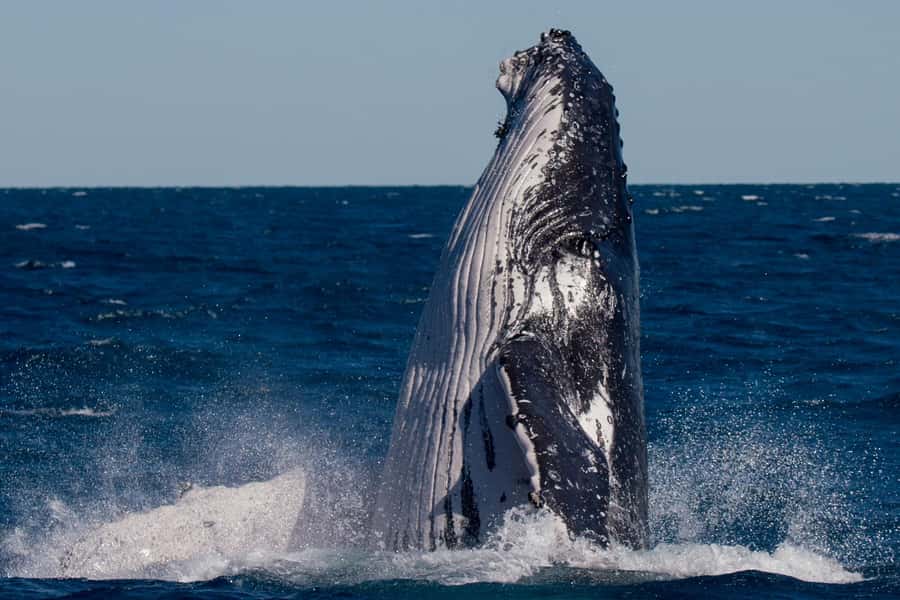
Arrive ready for the water, not the temperature at the marina. Wear warm layers that you can keep on, and bring sunglasses and a hat even if the sky looks overcast.
Give yourself time to find the Pacific Whale Foundation Ocean Store at Shop 1 in the Tourist Terminal. Once on board, listen carefully to the crew’s safety instructions and keep your attention moving across the water.
Do not judge the trip only by the first 20 minutes. Whales may appear soon after leaving the harbor, but the best encounter could also happen later in Platypus Bay. Some departures have seen whales quickly, while others have needed patience before finding several pods.
Use the hydrophone session as a reason to put the camera down. Hearing whale calls beneath the boat gives you a different sense of the animals’ presence, and it is one of the parts you cannot recreate with a photograph.
Finally, plan a little flexibility into your Hervey Bay schedule. Wind and tide can cause a cancellation or a move to another day. That is frustrating, but postponing is better than forcing a small boat into poor conditions.
Should you book the Ultimate Whale Watching Experience?
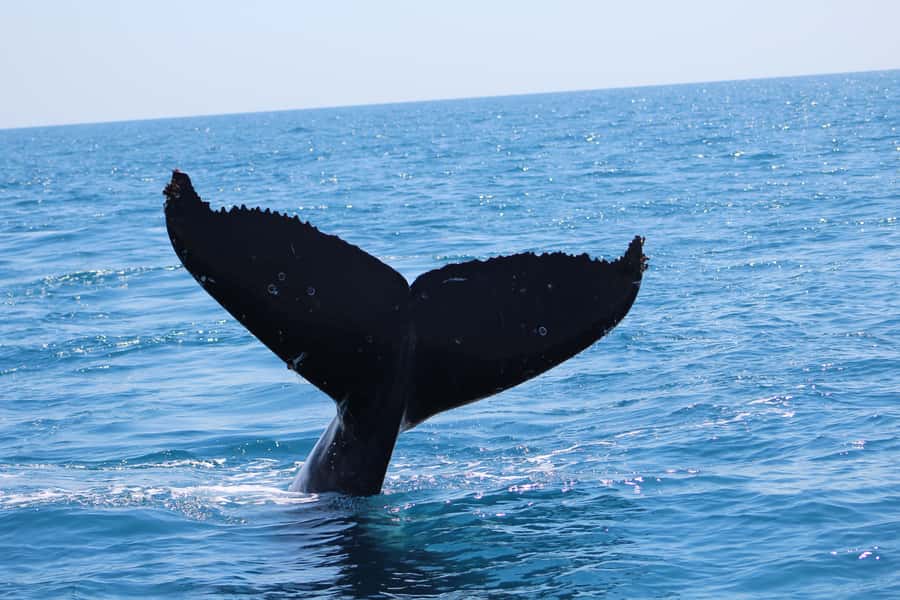
Yes, if you want a small-group whale watch with strong science and conservation values. The combination of the Ocean Defender, water-level views, hydrophones, marine scientists, and frequent reports of mothers, calves, pods, and playful whales makes the $84 fare a sound choice during whale season.
Book it with realistic expectations. You may see spectacular breaches, or you may spend more time watching quiet surfaces and learning how whales use the bay. Wear more warm clothing than you think you need, allow for weather changes, and choose the July 15 to October 9 period if the sighting guarantee matters to you.
FAQ
Where does the whale-watching tour start?
It starts at Shop 1, Tourist Terminal, Great Sandy Straits Marina Tourist Terminal in Urangan, Hervey Bay. Look for the Pacific Whale Foundation Ocean Store front.
How long does the experience last?
The tour lasts three hours and returns to Great Sandy Straits Marina in Urangan.
What is the price?
The listed price is $84 per person.
When are whale sightings guaranteed?
Sightings are guaranteed from July 15 to October 9.
Can I hear whales underwater?
Yes. The boat uses underwater hydrophones so you can listen to live whale songs.
Is food included?
Yes. Snacks and soft drinks are included on board.
What should I bring?
Bring warm clothing, a jacket, sunglasses, and a sun hat.
Are children allowed?
Children aged six and older can join. The experience is not suitable for children under six.
Can I cancel for a refund?
You can cancel up to two days in advance for a full refund.
Just added around Hervey Bay
- Hervey Bay Whale Swim and Watch★ 5.0 · 201 reviews
- World class Whale Watching from Hervey Bay★ 5.0 · 183 reviews
- Hervey Bay: Half-Day Whale Watching Cruise with Meal★ 4.8 · 198 reviews
- Hervey Bay: Pre-season Whale and Dolphin Watching Cruise★ 4.5 · 13 reviews
- Hervey Bay: Half-Day Whale Watching Cruise★ 4.9 · 50 reviews
- Hervey Bay Whale Odyssey Cruise★ 4.9 · 50 reviews
- Hervey Bay: Exclusive Whale Watch Encounter★ 4.9 · 52 reviews
- Hervey Bay: Humpback Whale-Watching Half-Day Cruise★ 4.9 · 153 reviews
Hervey Bay Whale Watching Tours, compared.
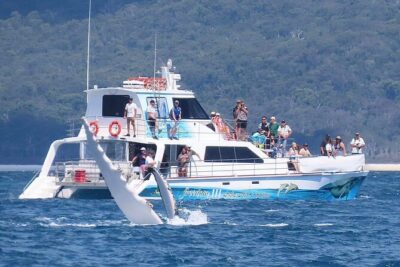
Freedom 3/4 Day Hervey Bay Premium Whale Watching Cruise
Read our review →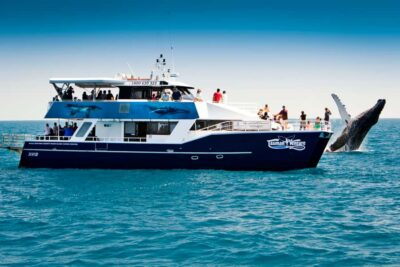
Fraser Island (K’gari): Remote Island and Whale Experience
Read our review →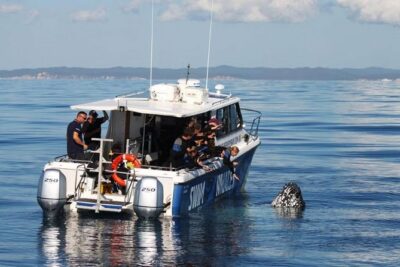
Hervey Bay: Half-Day Whale Watching Cruise with Meal
Read our review →Browse the lists this tour appears in