
REVIEW · ZODIAC AND RIB WHALE WATCHING IN NORWAY
Skjervøy: Whale Watching with RIB Boat and Local Guide
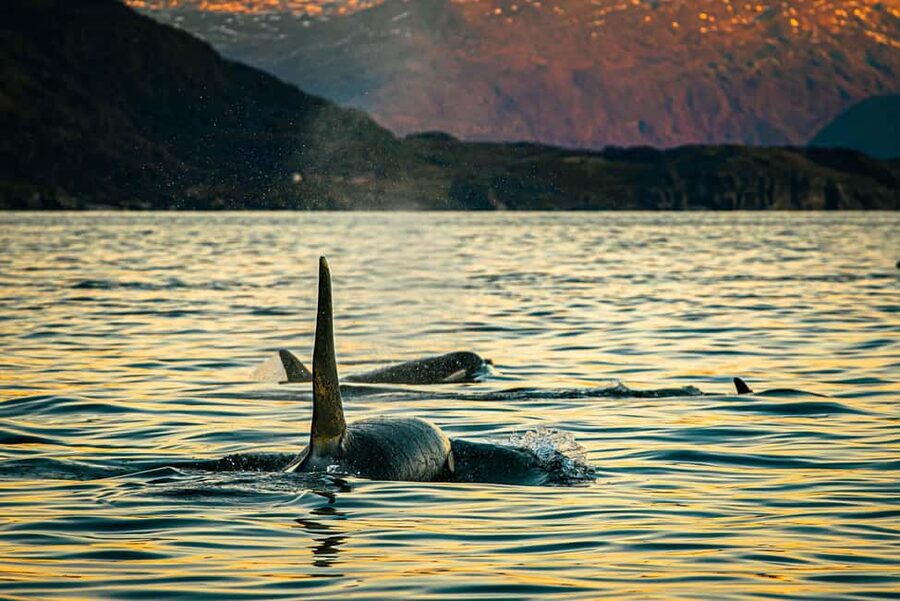
The Arctic ocean gets personal here. This three-hour RIB boat safari takes you from Skjervøy into the waters where killer whales and humpback whales follow the herring, with a local guide at the helm. I like the chance to see both species in one outing, and I like that warm suits, boots, hats, goggles, and life jackets are supplied. The catch is simple: even with the gear, this can be a very cold and bumpy ride.
I also like the small-boat feel. A group of up to 12 people plus the guide has a good chance of seeing the action without sitting in a large enclosed vessel. Guide Viktor receives especially strong praise for finding whales, explaining their behavior, and keeping a respectful distance. Bring your own warm gloves and neck covering, though, since the supplied clothing may not fully protect you from Arctic wind and spray.
Key points to know before booking
- Orca sightings can be spectacular: You might see family groups, feeding behavior, close passes, and occasionally breaching.
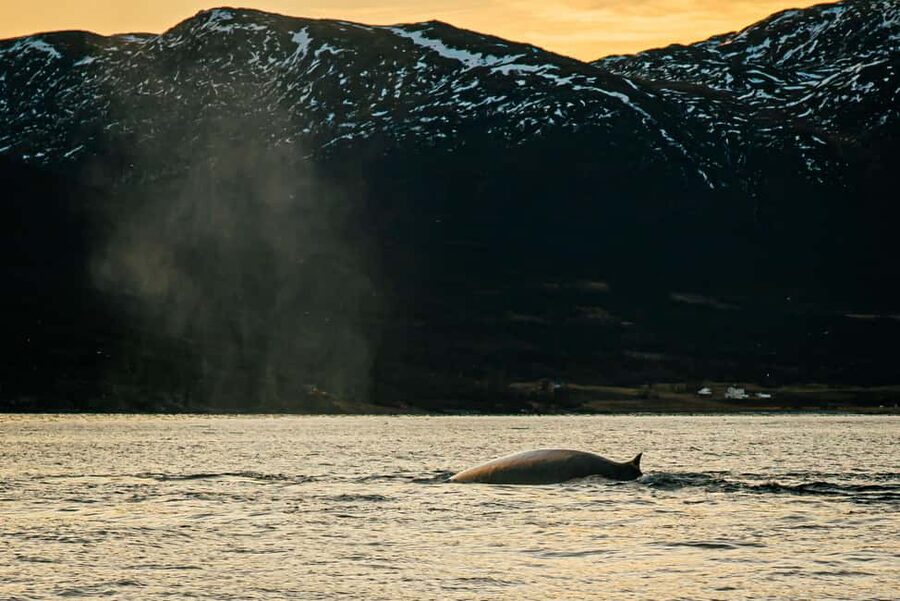
- Humpback whales share the stage: The tour can also produce sightings of humpbacks and, on fortunate days, fin whales.
- The RIB is thrilling but exposed: Expect speed, spray, cold air, and possible rocking when the sea is rough.
- The whale season runs from mid-October to February: Early-season trips may require more searching as the herring and whales shift position.
- Viktor is a major strength: He is praised for his whale-finding skill, clear explanations, calm manner, and care around the animals.
- Skjervøy requires planning from Tromsø: Arctic Route operates daily bus trips between the two places, but the whale trip itself begins at Strandveien 96.
Why Skjervøy is now a major whale-watching base
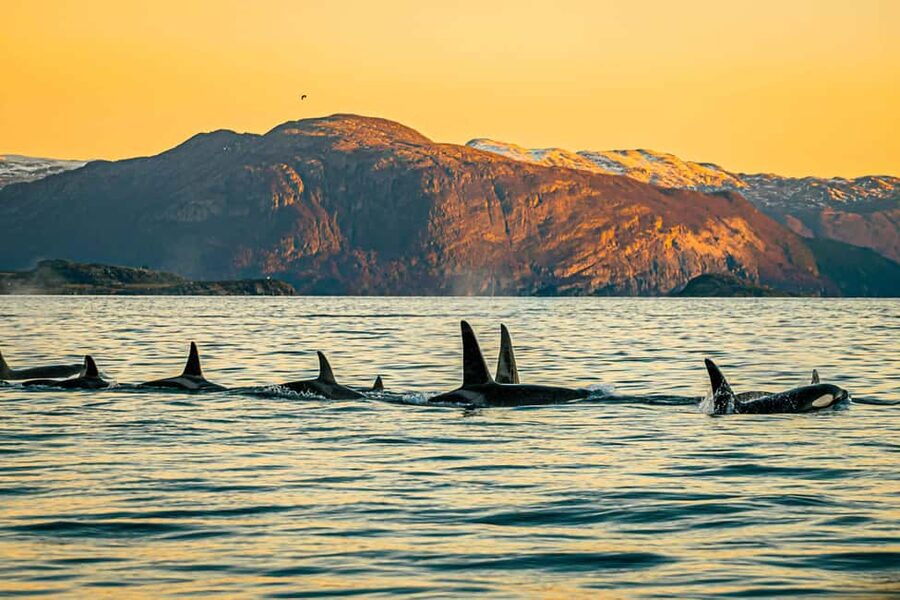
Skjervøy sits in northern Norway, surrounded by cold water, snowy peaks, and islands. From mid-October through February, the area becomes a seasonal meeting place for herring, orcas, humpback whales, and other marine life.
The whales are not placed on a schedule for your convenience. Their location follows the fish, so the boat may need to travel and search before the first sighting. That is part of the deal with a wild-animal trip, and it also explains why the guide’s local experience matters.
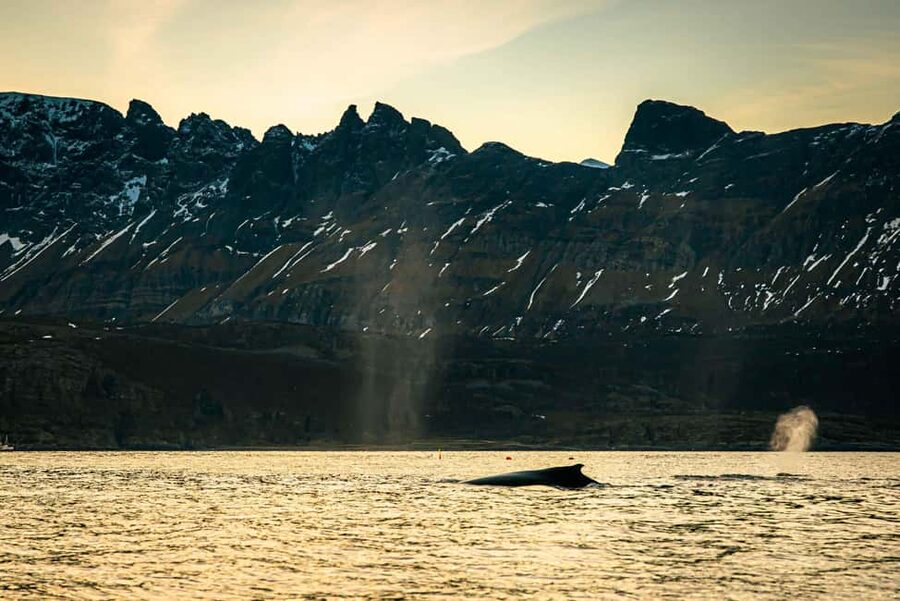
The setting is a big part of the reward. You are not simply watching fins in open water. You are looking across Arctic sea toward snow-covered mountains, often with a low winter sun or soft northern light. On clear days, the scenery can be as memorable as the animals.
This is also why a Skjervøy departure makes sense. A trip from Tromsø may involve a long transfer before you even reach the whale grounds. Starting in Skjervøy puts you closer to the seasonal action, though you need to arrange your own way there if you are staying in Tromsø.
More Zodiac and RIB Whale Watching in Norway
- Bleik: Whale Watching by Speedboat with Puffins and Muffins
★ 4.7 · 326 reviews - Whale Watching RIB Safari at Skjervøy
★ 4.8 · 136 reviews - Whale Watching RIB Boat Tour in Skjervoy from Tromso
★ 4.5 · 102 reviews
Finding the meeting point at Strandveien 96
The meeting point is on the harbor side of Skjervøy, at Strandveien 96. Look for the backside of the old white building, below the Ekstra grocery store. The stated coordinates are 70.02948760986328, 20.968090057373047.
This is a useful detail because the harbor can be busy with several whale operators. Give yourself time to identify the correct building and company rather than arriving at the last minute and hoping someone spots you.
Once you meet the local team, you change into the supplied equipment. The operation provides a warm outer suit, life jacket, hat, thermal shoes, and goggles. The goggles are especially useful when the RIB is moving quickly or spray blows across the boat.
The clothing is a strong value point, but do not treat it as a complete substitute for your own winter layers. Wear warm base layers, bring good gloves, and take a neck covering or buff. One passenger found the missing neck protection and less-than-warm gloves made the final part of the trip less comfortable. That is an easy problem to avoid.
Three hours on the RIB: what the outing feels like
The boat carries 12 people plus the guide. That is large enough to keep the trip viable, but still small enough for everyone to have a reasonable view. The RIB has powerful engines and a lively ride, so you should expect movement rather than a quiet cruise.
The first stretch is about reaching the right waters. Depending on the day, you may ride through choppy seas while the guide watches for blows, fins, and groups of birds or whales. Some departures find orcas quickly. Others need to travel back and forth before locating them.
That searching time is not wasted, but it can test your patience. On one early-season outing, the boat spent time covering water before finding a large group of orcas. Once the whales appeared, the wait made sense. Wild sightings are less predictable than a timed attraction, so plan your expectations accordingly.
The RIB gives you a close-to-the-water view. You feel the speed, hear the engine, and notice every change in the sea. That makes the ride exciting, but it also means you should be comfortable sitting outside in cold conditions for much of the three hours.
Watching orcas work together
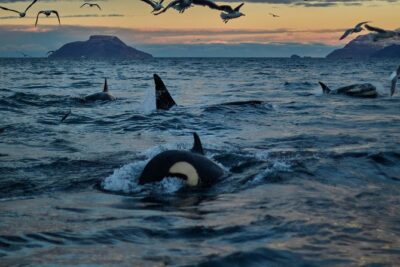
Killer whales are the main prize for many people on this trip. Their black bodies and bright white markings are easy to recognize, but their behavior is what makes the sighting special.
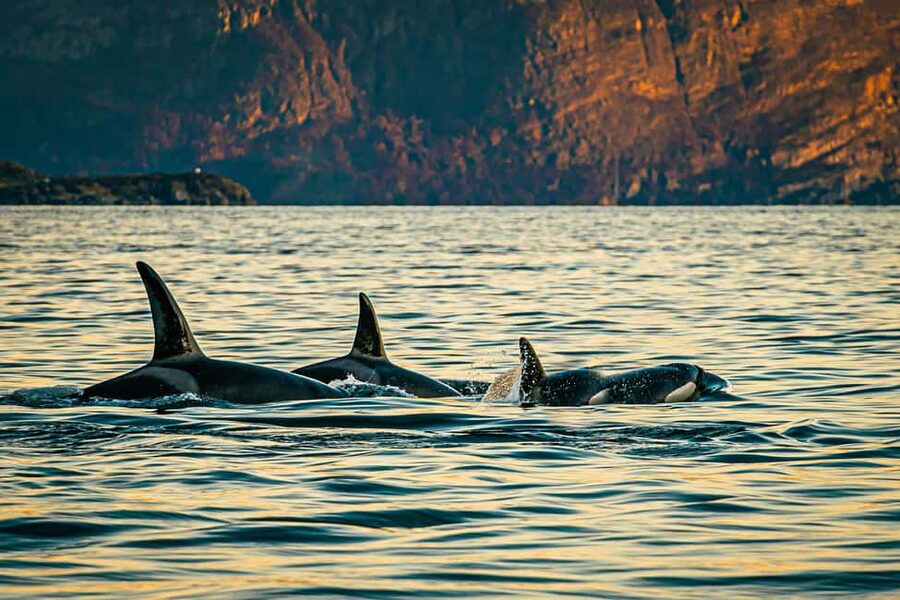
You might see several animals moving together, surfacing in a loose line, or gathering around herring. The strongest sightings have included large groups, including around 50 orcas, and feeding scenes in which the whales worked as a team to catch fish. Breaching has also been reported, though no guide can promise it.
The guide explains how orcas communicate using whistles and pulsed sounds. That context helps you notice more than a dorsal fin appearing and disappearing. You may begin to watch the spacing between animals, the way a group changes direction, or how several whales coordinate during feeding.
The boat crew also aims to keep a respectful distance. On a fortunate outing, a family group approached the RIB out of curiosity, creating a close encounter without the boat chasing into the group. That distinction matters. The best moment is not always the nearest moment, and careful boat handling helps protect the animals while giving you a better chance to watch natural behavior.
Same water, a different way to meet them:
- Tromsø: Whale Watching Tour by Hybrid-Electric Boat
★ 4.5 · 4,217 reviews - Tromsø Whale Safari with MS Gabriele
★ 4.3 · 1,937 reviews - From Tromsø: All-Inclusive Whale & Orca Safari
★ 4.5 · 1,221 reviews - From Tromso: Whale Watching in Magic Skjervoy
★ 4.7 · 1,207 reviews
Humpbacks, fin whales, and the bonus sightings
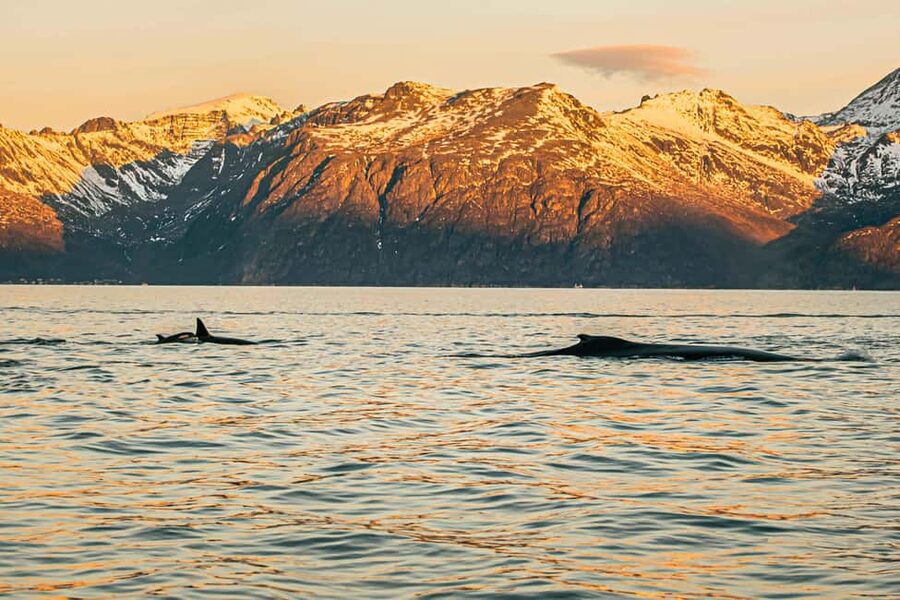
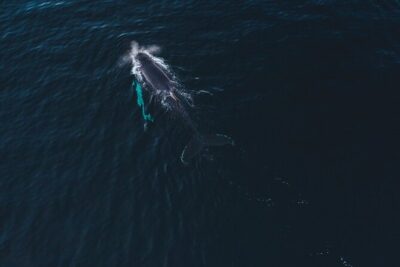
Humpback whales often appear alone or in small groups. Their size is impressive even at a distance, but their tail flukes make the sighting more personal. Each humpback has a distinctive tail pattern, so the guide may use it to help identify individuals.
You might see a humpback surface, blow, arch its back, and lift its tail before disappearing. If you are lucky, you could also see a breach or hear about the whale’s song. The experience description highlights their acrobatic behavior and distinctive vocalizations, though the open-air RIB is primarily a visual experience.
Fin whales have also appeared alongside orcas and humpbacks. Seeing three species in one trip is possible, but it should be treated as a fortunate bonus rather than the expected result.
This variety is one of the best reasons to choose the trip. You are not booking a guaranteed orca-only outing. You are going out into a changing Arctic food chain, where the day’s sightings may include one species, several species, or a long search followed by a brief but excellent encounter.
Guide Viktor and the value of local skill
Guide Viktor is repeatedly praised for his calm welcome, whale-finding ability, and friendly explanations. He helps guests with the equipment, keeps an eye on comfort, and shares information while the boat is watching the animals.
Several details make his role important. He has recognized individual orcas by name, found whales even in poor weather, and adjusted the outing when conditions allowed more time with an active group. He has also asked what else people hoped to see and tried to make those wishes fit the day.
That does not mean every trip will be extended or every request can be met. Weather, safety, daylight, and whale behavior set the limits. Still, a guide who can read the water and make sensible decisions adds real value to a three-hour wildlife trip.
The guide speaks English and Norwegian. If you care about learning as well as seeing, this is an important part of the experience. The RIB’s engine and open layout can make long explanations difficult while underway, so you may receive information in shorter pieces at suitable moments.
Cold, spray, and the practical reality of a RIB
This boat is fun, but it is not a heated cabin cruiser. You may encounter wind, spray, and rough water even when the trip goes ahead safely. One passenger described the ride as rough but enjoyable, while another advised protecting a camera from heavy spray.
Use a waterproof phone pouch or a plastic bag for your camera. Keep electronics secured, and avoid carrying loose items that could blow away or get wet. The supplied goggles help with spray and wind, but they do not replace warm clothing.
The RIB can rock and bounce. If you are prone to seasickness, the combination of speed, cold, and open water deserves serious thought. The experience is likely to suit you if you enjoy active boat rides and do not need a smooth, sheltered platform.
Families can enjoy it, and one highly positive account involved two young daughters. Still, the cold and movement may be tiring for younger children. The supplied information does not give a minimum age, so check the booking details directly before planning around children.
Getting from Tromsø to Skjervøy
If you are based in Tromsø, Arctic Route operates daily bus service between Tromsø and Skjervøy. You need to book that separately from the whale outing.
This transfer adds planning and time. Check the bus schedule against the whale departure, and allow enough margin for delays or for finding the harbor meeting point. The boat leaves from Skjervøy, not Tromsø, so do not assume a Tromsø hotel pickup is included.
The journey can still be worthwhile if seeing whales from a RIB is a priority. Skjervøy gives you access to the seasonal whale area, and the effort of reaching the harbor may be the price of getting closer to the action.
If you are comparing this with a Tromsø departure, look closely at the total day. A Tromsø-based tour may be easier logistically, while a Skjervøy departure may offer more direct access to the whale grounds. The right choice depends on how much time you have and how much you value the RIB experience.
Is the experience good value?
No price is provided here, so I cannot judge the exact cost against competing trips. I can judge what is included and what you receive for your time.
The package includes three hours on the water, a local English or Norwegian-speaking guide, safety equipment, warm outerwear, thermal footwear, a hat, and goggles. You are paying not only for the boat ride, but also for the captain’s ability to search safely, read whale behavior, and choose when to move on.
The strongest value comes on a day with multiple species or active feeding behavior. Seeing orcas cooperate around herring, then finding humpbacks nearby, can make the outing feel exceptional. On a quieter day, the value depends more on your enjoyment of the Arctic scenery and the ride itself.
A hot chocolate and cookies at the base have been offered after some trips. That is a small touch, but it matters after three cold hours outside. It also gives you a comfortable end to the experience before returning to your accommodation or catching transport.
The operator allows cancellation up to 24 hours ahead for a full refund and offers reserve-now, pay-later booking. Those terms are useful in northern Norway, where weather can affect plans. Check the current availability and conditions before booking because start times are not fixed in the supplied details.
The best and weakest parts of the experience
The best part is the combination of close wildlife encounters and a capable local guide. Viktor’s ability to locate whales and explain what you are seeing receives consistent praise, and his calm handling helps the trip feel organized.
The second strength is the equipment. You do not need to arrive with a full expedition wardrobe, although you should still bring your own gloves and neck covering. Goggles, boots, and a flotation suit are practical additions, not decorative extras.
The main weakness is exposure. The boat can be cold and rough, and the engine noise limits how much information the guide can share while moving. If you want a quiet, warm, highly detailed naturalist talk, a heated cabin boat may suit you better.
There can also be crowding around the harbor. Several operators may gather at the same location, which can feel hectic at the start. The changing room and boat departure are organized, but allow time to identify your group.
Who should book this Skjervøy whale safari?
I would choose this trip if you want an active, close-to-the-water outing and you are excited by the chance to see orcas in their natural setting. It is especially appealing if you enjoy photography, Arctic scenery, and the possibility of seeing more than one whale species.
You should also consider it if you are staying in or near Skjervøy and want a focused three-hour activity rather than a full-day cruise. The duration leaves room for other plans, though the transfer from Tromsø changes the total time commitment.
I would think twice if you dislike cold, spray, rough seas, or uncertain wildlife sightings. The boat is not designed to shelter you from the elements, and no guide can guarantee a particular species.
The listed rating is 4.9 from 109 ratings, which matches the strongest features of the outing: good organization, warm equipment, skilled guiding, and memorable whale encounters. The practical complaints are narrow but useful, mainly about gloves, neck warmth, and the limited information possible on a noisy RIB.
Should you book it?
Book it if your ideal whale trip includes speed, sea spray, snowy mountains, and the possibility of watching orcas feed close to the boat. Guide Viktor and the well-prepared equipment make this a strong choice for an active whale safari from Skjervøy.
Before you commit, check the transport from Tromsø, pack warmer personal layers than you think you need, and protect your camera. If you prefer comfort and steady access to a guide’s commentary, compare it with a heated cabin boat. If you want the more lively Arctic experience, this RIB trip is the better fit.
FAQ
Where does the whale-watching trip start?
It starts at Strandveien 96 in Skjervøy. The meeting point is behind the old white building in the harbor, below the Ekstra grocery store.
How long is the experience?
The whale-watching outing lasts three hours, with the boat returning to Strandveien 96.
When does the whale-watching season run?
The seasonal whale-watching period runs from the middle of October through February.
Which whales might I see?
You might see killer whales and humpback whales. Fin whales have also been seen on some outings.
Is a guide included?
Yes. The trip includes a live guide who speaks English and Norwegian.
What equipment is provided?
The company provides warm outerwear, life jackets, hats, thermal shoes, and goggles.
Should I bring extra clothing?
Yes. Bring warm gloves and a neck covering, and dress in warm layers. The supplied equipment may not fully protect you from cold wind and spray.
How many people fit on the RIB?
The boat has space for 12 people plus the guide.
Can I travel from Tromsø to Skjervøy?
Yes. Arctic Route operates daily bus trips between Tromsø and Skjervøy, but the bus ticket is arranged separately from the whale-watching trip.
Just added around Norway
- From Svolvær: Whale Watching Day Trip to Andenes★ 3.8 · 27 reviews
- Tromsø Whale Safari with MS Keiser Wilhelm★ 4.3 · 161 reviews
- Tromsø: Orca and Whale Watching comfort heated boat Trip★ 4.8 · 107 reviews
- Tromsø: Whale Watching on hybrid boat with scenic bustrip★ 4.1 · 30 reviews
- Tromsø: Responsible Whale Watching Cruise Aboard MS Alba★ 4.7 · 53 reviews
- Tromsø: 24hr Northern Lights & Whale Watching Cruise★ 4.9 · 46 reviews
- Whale Safari in Tromso★ 4.5 · 63 reviews
- 24hr Northern Lights & Whale Watching Cruise★ 5.0 · 114 reviews
Zodiac and RIB Whale Watching in Norway, compared.
Bleik: Whale Watching by Speedboat with Puffins and Muffins
Read our review →
Whale Watching RIB Boat Tour in Skjervoy from Tromso
Read our review →
Skjervøy: Whale and Orca Watching Tour by RIB Boat
Read our review →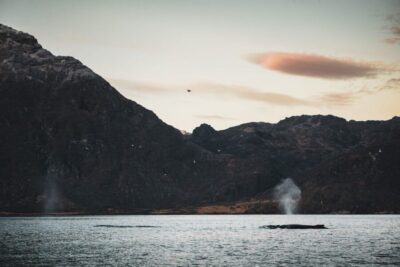
Browse the lists this tour appears in