
REVIEW · ZODIAC AND RIB WHALE WATCHING IN NORWAY
Whale Watching RIB Safari at Skjervøy
The whales are only half the adventure. This Skjervøy RIB safari combines a fast, open boat ride with a serious chance of seeing orcas, humpback whales, and fin whales in their winter feeding grounds. I like the small group of up to 12 people, which gives you a better view and more room than a large sightseeing boat. I also like that the crew provides flotation suits, boots, mittens, goggles, and life vests, because Arctic weather is not something to treat casually.
The main drawback is the long day. From Tromsø, you spend roughly three and a half to four hours each way on the bus before your two and a half to three hours on the water. That is a lot of transport for a boat trip, and the cold can still reach your hands and feet even with the supplied gear.
Key points before you book
- Orca season runs from late October into January, when herring brings whales toward the coast around Skjervøy.
- The Tromsø option is a full-day outing, with an early morning bus and a long return journey.
- The RIB carries no more than 12 people, making it easier to see the action and hear the guide.
- You receive Arctic clothing, including a flotation suit, warm boots, mittens, goggles, and a life vest.
- The crew aims to keep a respectful distance from the whales, rather than chasing them aggressively.
- Bring extra warmth and food, especially thin liner gloves, a hat, and several pairs of socks.
Why Skjervøy is the right place for this safari
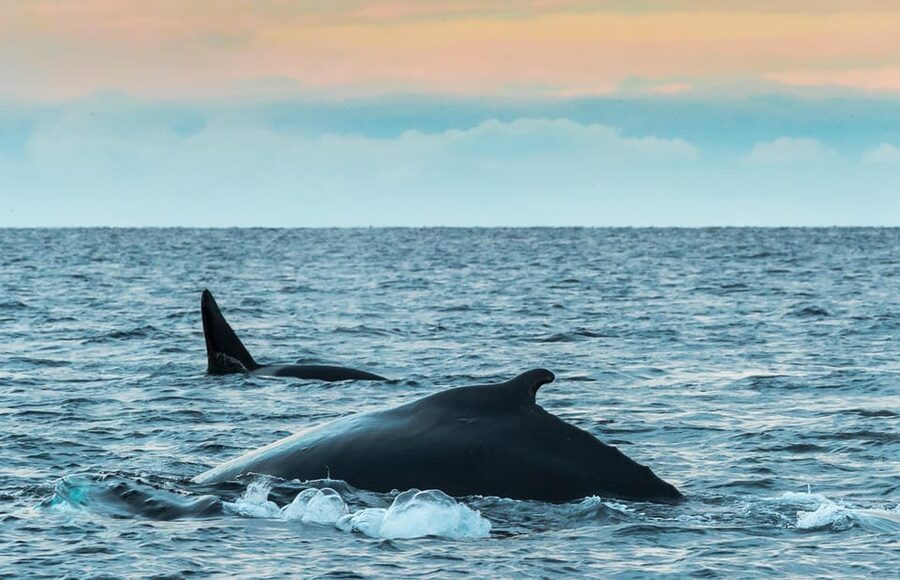
Skjervøy sits north and east of Tromsø, in the part of Northern Norway where whales gather to feed on herring during the colder months. From late October through January, the sea around the island becomes a good place to search for orcas, humpbacks, and sometimes fin whales.
This is not a guaranteed wildlife show. The animals are free-ranging, and the captain must search across open water. Still, the seasonal timing gives the trip a clear purpose. You are not simply taking a boat ride and hoping for something interesting. You are heading toward known feeding grounds during the period when the whales are most likely to be present.
The setting adds plenty even before you see a fin. The boat moves through Arctic coastal scenery, with fjords, cold blue water, and pale winter light. If the weather is clear, the journey itself can be striking. If conditions are rough, the scenery becomes harder to enjoy, and the boat ride feels more demanding.
More Zodiac and RIB Whale Watching in Norway
- Whale Watching RIB Boat Tour in Skjervoy from Tromso
★ 4.5 · 102 reviews - Bleik: Whale Watching by Speedboat with Puffins and Muffins
★ 4.7 · 326 reviews - Skjervøy: Whale Watching with RIB Boat and Local Guide
★ 4.9 · 109 reviews
Starting in Tromsø: the early bus matters
If you choose the Tromsø transport option, your day begins at Prostneset Bus Terminal. The meeting point is on the ground floor behind the Magic Ice bar, at Samuel Arnesens gate 5. You need to meet the bus by 5:20 AM at the latest.
That early start is one of the most important practical details. Do not treat this as a relaxed morning excursion. You need to be at the terminal before sunrise, ready to find the correct red bus from Tromsø Safari or Bussringen, also described as Arctic Buss. Go inside the large red bus and check with the driver rather than relying only on the numbered stand.
The bus-stop arrangement can cause confusion. The ticket may point you toward stand 5, but the coaches may arrive at different nearby stands, and more than one bus may be used. The safest approach is to arrive early, look for the red buses, and ask a driver or staff member before boarding. If you are traveling with friends or family, make sure everyone knows which coach to take.
The bus journey takes about three and a half hours according to the tour plan, while some passengers have found the full transfer closer to four hours. It is a long ride, but it takes you from Tromsø to the remote coastal setting where this particular whale season happens. Bring food and water for the road. A warm drink and sandwiches may be provided after the boat trip, but you should not count on that to cover the entire day.
Arriving in Skjervøy and getting ready
Once you reach Skjervøy, you meet the local guide and go to the operator’s base to change. The dressing-up stage is practical rather than glamorous, but it makes a major difference on the water.
The supplied equipment includes:
- Flotation suit
- Life vest
- Warm boots
- Mittens
- Goggles
The flotation suit is useful for warmth as well as safety. A RIB is open to the air, and the boat can move quickly across exposed water. You should still wear warm clothing underneath. Bring a hat, gloves, and extra layers, as requested by the operator.
I would add thin gloves beneath the supplied mittens. One person found a second pair of socks helpful but wished for a third pair. That is a good warning for anyone who gets cold easily. Your core may stay comfortable while your fingers and toes become the weak point.
The operator sets limits for safety and comfort. The trip is not suitable for children under six, pregnant women, people with back problems, anyone under 150 centimeters tall, or anyone over 125 kilograms. It is also not recommended for people prone to seasickness. Smoking, alcohol, and drugs are not allowed.
The RIB ride: fast, exposed, and exciting
The boat portion lasts about two and a half to three hours, depending on weather. A RIB gives you a more direct feel for the sea than a large enclosed boat. You are closer to the water, the boat responds quickly, and the ride can be thrilling when the captain opens the throttle.
That excitement comes with a tradeoff. You are exposed to wind and spray, even under the flotation suit. If you have back problems or strong seasickness, this is not the right format for you. The small boat is a strength for wildlife viewing, but it also means the sea can feel more active.
The guide and captain work together to search for whales and read their movement. Good sightings depend on timing, weather, and luck, but the crew’s local experience matters. Captains have found orcas, humpbacks, and fin whales during recent trips, sometimes including large groups and young animals.
You may see a whale surfacing, a tail lifting from the water, or an orca moving through the sea with its pod. Some outings have included breaching humpbacks and very close approaches by curious whales. These moments cannot be promised, so keep your camera ready but do not spend the whole trip looking through a screen.
More Zodiac and RIB Whale Watching in Tromso:
- City Cruises Boston Whale Watching Cruise by High-Speed Boat
★ 4.5 · 3,115 reviews - Tadoussac/Charlevoix: Whale Watching Zodiac Tour
★ 4.3 · 2,716 reviews - Húsavík: Original Big Whale Safari & Puffins by Speedboat
★ 4.7 · 1,221 reviews - Los Gigantes: Dolphin and Whale Watching Cruise by Speedboat
★ 4.7 · 1,063 reviews
Orcas, humpbacks, and fin whales
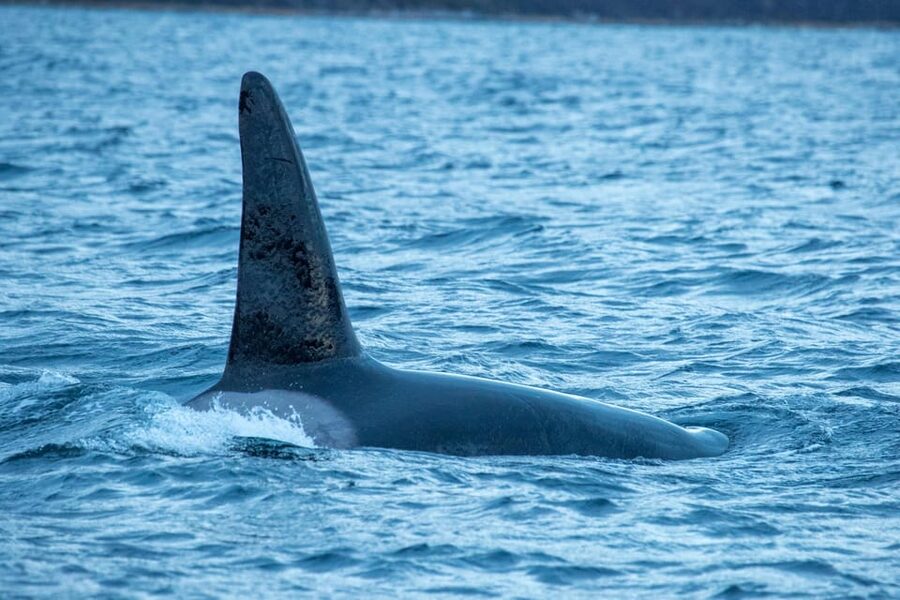
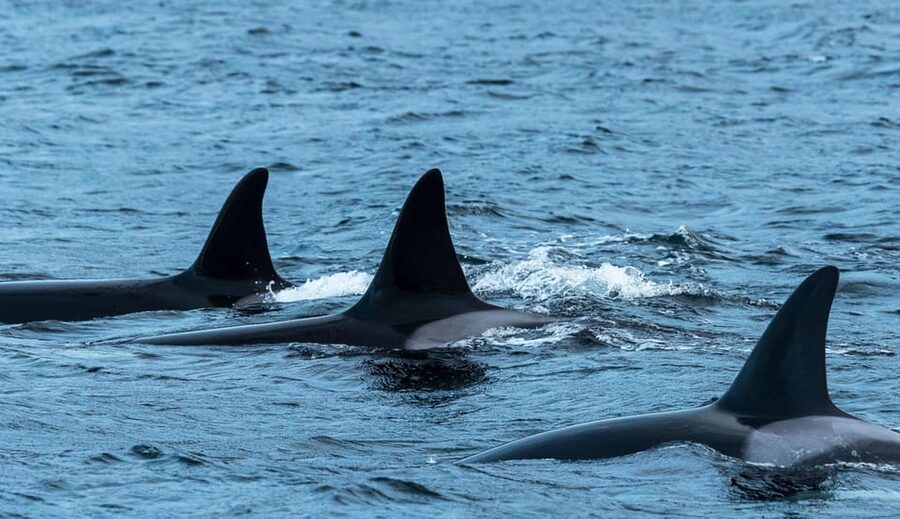
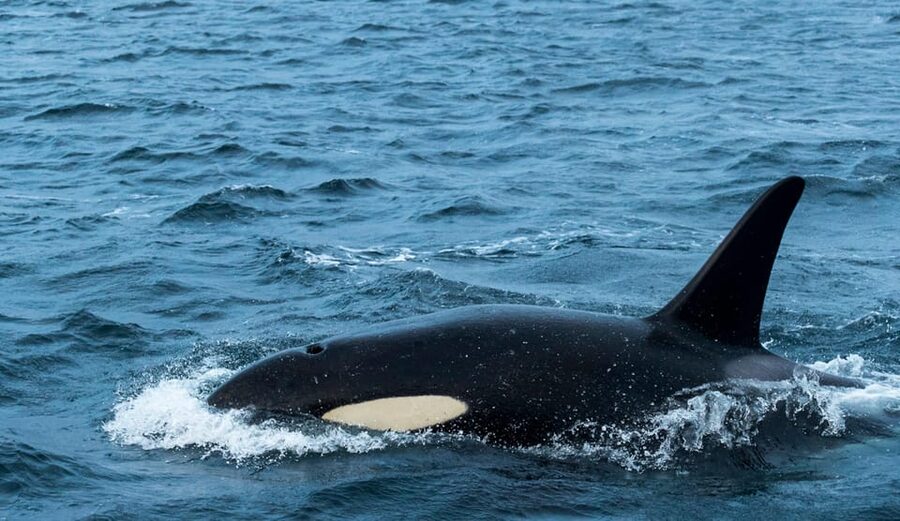
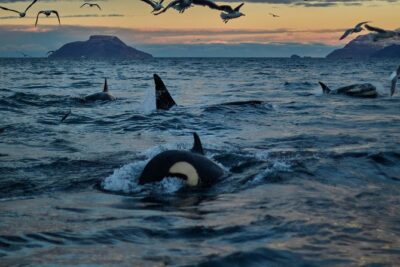
Orcas are the main attraction for many people booking this outing. They often move in family groups, and sightings can involve several animals rather than one quick glimpse. Recent trips have included reports of more than 30 orcas, entire orca families, and a baby orca.
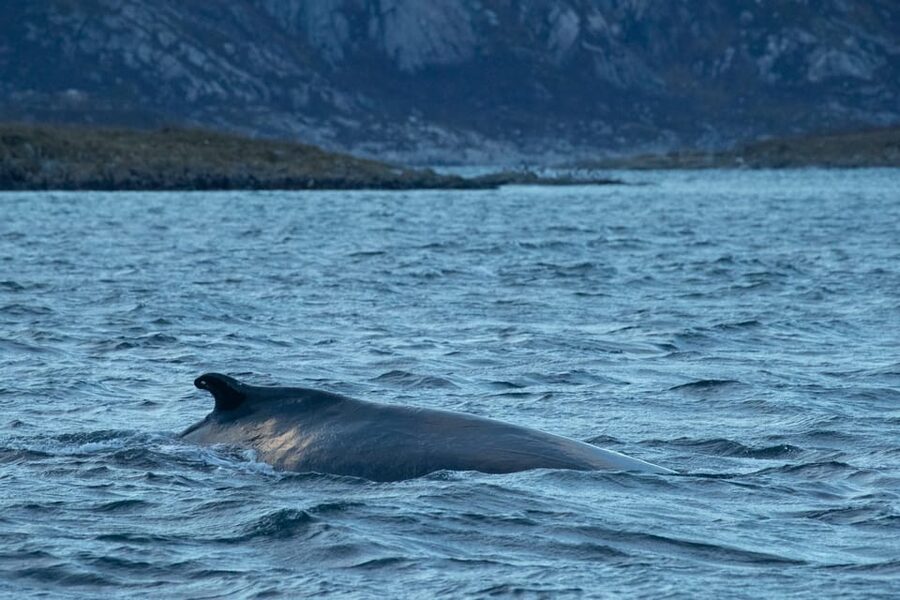
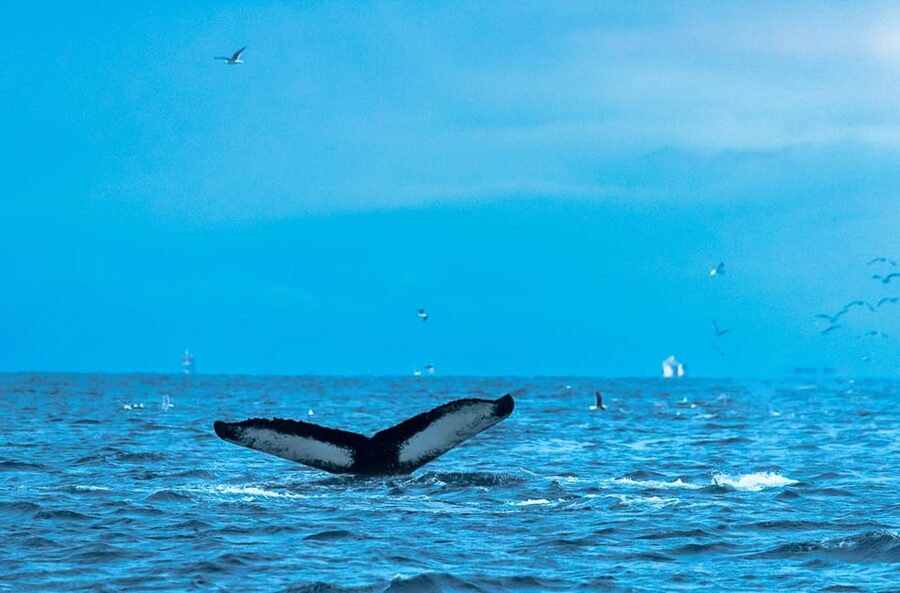
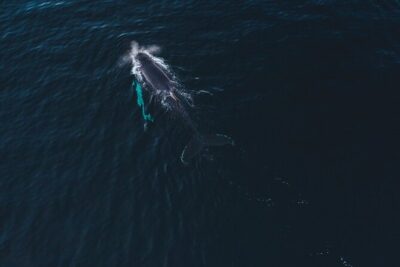
Humpback whales are also regularly seen during the season. Their size is impressive even at a distance, and a breach or tail display can turn a good trip into a remarkable one. Fin whales are less often the headline species, but spotting one adds another layer to the day.
The best approach is to expect wildlife, not a performance. Whales may surface far from the boat, disappear for several minutes, or change direction without warning. The guide may move the RIB to a better position, but the crew’s responsibility is to observe without disturbing the animals.
That point matters here. The captain has been praised for keeping a safe distance instead of chasing whales. The experience is at its best when you can watch natural behavior, such as socializing, feeding, or traveling with a pod, rather than seeing a boat crowd an animal for a photograph.
The guides and the small-group advantage
The tour is conducted in English and uses a maximum group size of 12. That is small enough for a personal feel, especially compared with a large whale-watching vessel where people may crowd the railings.
Guides named in recent outings include Ina, Ini, Iver, and Ivar, with some spelling variations in the recorded feedback. Their roles include explaining the local area, helping with clothing, watching the sea, and making sure everyone remains warm and safe.
The personal care is worth noting. One guide supplied additional gloves and heated hand warmers when a passenger’s hands became cold. After another trip, the guide offered hot drinks and sandwiches before the return coach. These extras do not replace proper clothing, but they show the practical side of the operation.
A small group also helps with photography. You have a better chance of getting an unobstructed view, and the guide can respond when people need help. Still, everyone should be ready to share the best viewing angles. No seat guarantees a perfect photograph.
The Arctic scenery is part of the value
It would be a mistake to judge the trip only by the number of whales. The boat moves through the coastal waters around Skjervøy, where the fjords and winter light create a strong setting for the wildlife.
Clear weather can reveal broad views across the coast. Dawn light may add color and contrast to the water and mountains. Cloud, wind, and snow can make the scene feel more dramatic, though they may also reduce visibility.
The scenery helps justify the long transfer from Tromsø. You are not simply commuting to a dock and back. You are crossing into a quieter, more remote part of Northern Norway, then spending time on the sea where the whales feed. If the animals stay hidden, the setting still gives you something to take away. But you should be honest with yourself: the long journey makes a no-whale day feel more disappointing.
Is the $251 price good value?
At about $251 per person, this is not a cheap activity. The price becomes easier to justify if you select the option with bus transport from Tromsø, since it includes the long return transfer, the RIB safari, guide service, and cold-weather equipment.
You are also paying for access to a seasonal wildlife experience that is difficult to arrange independently. The bus takes you to Skjervøy, the local team handles the boat and clothing, and the guide searches for the whales. The maximum group size of 12 adds value compared with a crowded boat.
The price is less attractive if you dislike long road journeys or want a short, easy excursion from Tromsø. You spend much of the day in transit, and whale sightings remain uncertain. If you are already staying in Skjervøy, the value improves because you can join the boat portion without adding the Tromsø transfers.
Free cancellation up to 24 hours before departure and the option to reserve now and pay later provide some useful flexibility. Check the available start time and selected meeting point carefully, since the two booking options have different logistics.
Camera advice for cold, moving water
Bring a camera if you want photographs, but prepare for difficult conditions. The RIB moves quickly, the boat may bounce, and cold hands make small camera controls harder to use.
Keep your device protected when you are not shooting. Use the supplied goggles for wind protection, and consider a wrist strap or secure pocket. The most useful moments may last only a few seconds, so learn your camera settings before boarding.
Do not let photography take over the trip. Orcas can appear in several places at once, and a whale may surface behind you. Listen to the guide, scan the water, and take in the scene with your own eyes.
Who should book this experience?
I would choose this safari if you want a close-to-the-water whale trip, enjoy wild conditions, and accept that the journey from Tromsø takes most of a day. It suits adults and older children who can handle a fast open boat, cold weather, and a long bus ride.
It is especially appealing to photographers, wildlife fans, and anyone hoping to see orcas in their natural setting. The small group, warm equipment, and careful approach to the whales all support that kind of trip.
I would think twice if you get seasick, have back trouble, dislike early starts, or need a relaxed schedule. The boat can be exciting, but it is not gentle. You also need to accept that even strong guiding cannot control the whales or the weather.
Should you book the Skjervøy RIB safari?
Book it if seeing Arctic whales is high on your Norway wish list and you can handle the long day from Tromsø. The combination of orcas, humpbacks, possible fin whales, local guides, and dramatic coastal scenery gives the trip real value at $251, especially with transport and equipment included.
Skip it if you want a short outing or cannot tolerate cold and open water. For everyone else, the key is preparation: arrive early for the red bus, bring food, wear layers, pack extra socks, and use thin gloves under the supplied mittens. Do that, and you give yourself the best chance of enjoying the journey as much as the sightings.
FAQ
Where does the whale watching safari take place?
The RIB safari takes place in the sea areas off Skjervøy and the surrounding waters north and east of Tromsø, where whales gather to feed on herring.
How long does the full tour take from Tromsø?
The overall duration can range from 3 to 12 hours depending on the selected option and schedule. From Tromsø, the bus ride takes about three and a half hours each way, followed by a RIB safari of about two and a half to three hours.
What whales might I see?
You may see orcas, humpback whales, and fin whales. Sightings depend on weather, sea conditions, and where the whales are feeding.
What clothing and equipment are provided?
The operator provides a flotation suit, life vest, warm boots, mittens, and goggles. You should still bring warm clothing, a hat, gloves, and extra socks.
Where do I meet the bus in Tromsø?
The Tromsø meeting point is at Prostneset Bus Terminal, on the ground floor behind the Magic Ice bar, at Samuel Arnesens gate 5. Meet by 5:20 AM at the latest and confirm the correct red bus with the driver.
Is the tour suitable for children?
The experience is not suitable for children under six years old. It is also not suitable for people under 150 centimeters tall.
Can I cancel the booking?
You can cancel up to 24 hours in advance for a full refund. You can also reserve now and pay later, depending on the selected booking option.
More Safaris in Tromso
- Tromsø Whale Safari with MS Gabriele
★ 4.3 · 1,937 reviews - From Tromsø: All-Inclusive Whale & Orca Safari
★ 4.5 · 1,221 reviews - Tromsø Whale Safari with MS Keiser Wilhelm
★ 4.3 · 161 reviews - Whale Safari in Tromso
★ 4.5 · 63 reviews
Just added around Tromso
- Tromsø: Whale Watching on hybrid boat with scenic bustrip★ 4.1 · 30 reviews
- Tromsø Whale Safari with MS Keiser Wilhelm★ 4.3 · 161 reviews
- Tromsø: Orca and Whale Watching comfort heated boat Trip★ 4.8 · 107 reviews
- Tromsø: Responsible Whale Watching Cruise Aboard MS Alba★ 4.7 · 53 reviews
- Tromsø: 24hr Northern Lights & Whale Watching Cruise★ 4.9 · 46 reviews
- Whale Safari in Tromso★ 4.5 · 63 reviews
- 24hr Northern Lights & Whale Watching Cruise★ 5.0 · 114 reviews
- Silent Whale Watching on Hybrid-Electric Boat with Scenic Bustrip★ 4.0 · 48 reviews
Zodiac and RIB Whale Watching in Norway, compared.
Bleik: Whale Watching by Speedboat with Puffins and Muffins
Read our review →
Whale Watching RIB Boat Tour in Skjervoy from Tromso
Read our review →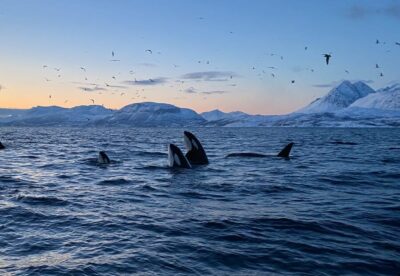
Skjervøy: Whale and Orca Watching Tour by RIB Boat
Read our review →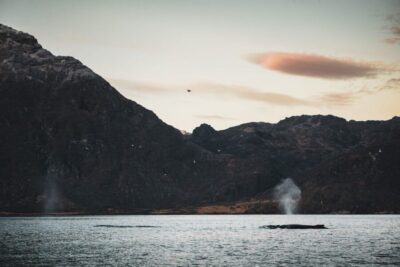
Browse the lists this tour appears in