
REVIEW · WHALE AND DOLPHIN WATCHING TOURS IN SRI LANKA
Pasikuda to Trincomalee: Whale & Dolphin Safari + Transport
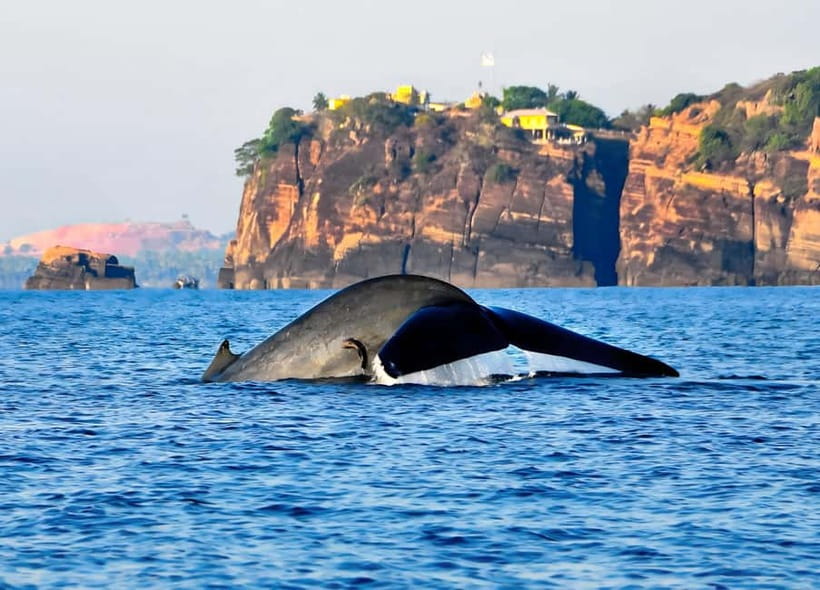
The ocean is the star of this day. From Pasikuda or Kalkudah, you travel along Sri Lanka’s east coast to Trincomalee, then head offshore for a three-hour search for whales, dolphins, sea turtles, and flying fish. I like the easy hotel transport and the chance to see large marine animals in open water, not in a tank or marine park.
I also like the tour’s small-group, eco-conscious approach, along with the experienced marine guide who helps you understand what you are seeing. The main caution is simple: wild animals follow their own schedule. Sightings are common, but never guaranteed, and the boat ride may not suit you if you are prone to seasickness or have serious back problems.
For $118 per person, this is not a bargain-priced outing. But the cost includes the long return transfer, air-conditioned transport, the boat safari, an English-speaking guide, and tea, coffee, and cookies before departure. If you are staying in Pasikuda or Kalkudah and want to visit Trincomalee without arranging transport yourself, the package makes practical sense.
Key points to know before you book
- Three hours on the Indian Ocean: The main safari gives you a proper amount of time to search for whales and dolphins rather than rushing back to shore.
- Fin whales have been seen: Recent outings recorded fin whales and large dolphin pods, though no sighting can be promised.
- Pasikuda transport is included: Hotel pickup and return remove the need to arrange a separate driver for the coastal journey.
- Trincomalee is the launch point: The tour connects two east-coast bases, making it useful if you are staying in Pasikuda or Kalkudah.
- Wildlife rules matter here: The crew aims to avoid overcrowding and behave respectfully around marine life.
- Bring sun and sea gear: A hat, sunscreen, water, towel, swimwear, sunglasses, and a camera will serve you well.
Why this east-coast safari works well from Pasikuda
Pasikuda is a relaxing beach base, but its location can make day trips awkward if you must arrange every transfer yourself. This experience solves that problem by collecting you from your hotel in Pasikuda or Kalkudah, taking you to Trincomalee, and returning you after the boat trip.
The day lasts about seven hours, with three hours devoted to whale and dolphin watching. The rest of the time is tied to the road journey, preparation, and return. That is a full morning and afternoon, so I would avoid booking it on a day when you also have another major excursion planned.
The journey itself is part of the appeal. You travel along Sri Lanka’s east coast in an air-conditioned vehicle, with the chance to watch the scenery change between beach areas and smaller coastal communities. The information does not give an exact driving time, so do not expect a tightly timed schedule down to the minute. Sea conditions and pickup arrangements can affect the day.
The driver collects you from your hotel lobby. Be ready at least 10 minutes early, since the vehicle may need to use a nearby accessible road if your accommodation sits on a narrow lane. Look for the company name or logo, and keep your phone available in case the driver needs to arrange a meeting point.
More Whale and Dolphin Watching Tours in Sri Lanka
- Whales and Dolphins Watching-Luxury Super Grade Cruiser(Hotel Pick up offered)
★ 5.0 · 1,268 reviews - Trincomalee: Whale & Dolphin Safari Tour with Expert Guides
★ 4.2 · 53 reviews - Trincomalee: Dolphin & Whale Watching Boat Tour
★ 4.2 · 37 reviews
The early hotel pickup and road to Trincomalee
An early start is useful for two reasons. You reach the launch point with plenty of daylight, and morning sea conditions can sometimes be more comfortable than later conditions. The exact departure time depends on availability, so check the schedule before booking rather than assuming a standard hour.
The air-conditioned vehicle is a real benefit on Sri Lanka’s east coast. After a boat trip in strong sun, you will appreciate having a cool ride back to Pasikuda instead of negotiating a second car or bus while tired and salty.
I would pack a small day bag rather than bringing your full luggage. Keep sunscreen, water, sunglasses, a hat, and your camera within easy reach. A towel and swimwear are also listed as useful items, although you should not assume that swimming is a formal part of the safari.
The road transfer is not just a necessary connection. It gives you a comfortable look at the coast and makes Trincomalee accessible from a beach resort area that is some distance away. Still, if you dislike spending part of an excursion in a vehicle, this may feel like a long day. The boat trip is the main event, but the transport takes up a meaningful share of the seven-hour schedule.
Arriving in Trincomalee and boarding the safari boat
At Trincomalee, you board a boat designed for marine wildlife watching. Before heading out, you receive tea, coffee, and cookies. That small refreshment stop is welcome after an early pickup, especially if you have not had time for a full breakfast.
The marine guide explains the safari and helps scan the water. Whale watching is not just about spotting a large shape. You need to notice blows, dorsal fins, movement at the surface, and groups of birds or dolphins that may reveal activity nearby. An experienced guide can make the waiting more interesting and help you understand what appears in front of you.
The boat safari lasts about three hours. That gives you time to search rather than treating the sea as a quick photo stop. The exact route and pace depend on where the animals are found, so the outing may include periods of slow travel and careful watching.
This is a small-group experience, but no exact passenger limit is provided. If having plenty of personal space is important to you, ask the operator for the current group size before paying. The tour is promoted as less crowded and eco-friendly, which should appeal to anyone who prefers a quieter wildlife outing.
The whales and dolphins you may see offshore
The waters around Trincomalee are known for regular whale and dolphin activity. Possible sightings include blue whales, sperm whales, spinner dolphins, and bottlenose dolphins. Sea turtles and flying fish may also appear, adding variety to the time between larger sightings.
Recent outings included dolphins racing alongside the boat and large pods leaping near the vessel. Fin whales were also seen, creating the kind of moment that stays with you long after the camera is packed away. Fin whales are fast-moving, powerful animals, and seeing one surface in the Indian Ocean is a very different experience from simply viewing a whale at a distance in an aquarium.
Still, keep your expectations honest. These are wild animals in their own habitat. You may see several species, or you may spend much of the trip scanning open water. The operator clearly states that sightings cannot be guaranteed, and that point should guide your decision.
The best approach is to enjoy the search itself. Watch the horizon, listen for instructions from the guide, and keep your camera ready without staring at the screen. A whale can surface for only a short time, and dolphins can change direction quickly.
Photography is possible, but conditions are demanding. The boat moves, the sea reflects bright sunlight, and animals rarely pose. Use a wrist strap, protect your camera from spray, and leave room on your memory card. A phone can capture the mood, but a camera with a useful zoom gives you a better chance of recording distant wildlife.
Same water, a different way to meet them:
- Whale Watching Mirissa with ( WWC )
★ 5.0 · 252 reviews - Whale Watching Mirissa with Eagle Eye
★ 4.5 · 128 reviews - Sports Boat- Private Whale Watching Trip( free breakfast & paid pick-up)
★ 5.0 · 93 reviews - Trincomalee: Whales Watching and Navy Island Snorkeling Tour
★ 4.4 · 81 reviews
What the eco-friendly approach means in practice
The tour emphasizes responsible wildlife behavior, including avoiding overcrowding and giving animals space. That matters because a close approach may produce a dramatic photograph but can also disturb the animals you came to see.
You should expect the crew to balance viewing opportunities with animal welfare. The guide’s role is not simply to chase every fin. A respectful boat keeps the experience calmer and helps protect the marine setting for future trips.
The available information does not provide a detailed code of conduct or specific distance rules. I would still follow every instruction from the crew, avoid shouting at animals, and resist the urge to throw anything into the water. Do not feed wildlife, and keep plastic and loose belongings secure.
This style of safari suits people who want a genuine nature experience rather than a guaranteed performance. You have a better chance of enjoying the day if you value being on the ocean, even during quiet stretches.
Comfort, seasickness, and the practical limits
This is not an ideal outing for everyone. People with serious back problems are advised against joining, and the experience is also unsuitable for anyone prone to seasickness. A small-group boat can feel exposed to the motion of the sea, even when conditions look calm from shore.
If you know you get queasy, speak with a medical professional about suitable preparation before the trip. Bring water, avoid arriving dehydrated, and do not treat the boat ride like a normal bus excursion. The operator may reschedule or adjust the trip when weather creates a safety concern.
Wear comfortable clothing and footwear suitable for a boat. Sun protection is essential. A hat, sunglasses, sunscreen, and a long-sleeved layer can make a major difference during several hours on the water.
Pregnant people are also advised not to join. Families with children should check the current operator guidance before booking, since no specific child age policy is provided. The boat, sea motion, and early start may be tiring for young children even when they are allowed to participate.
Is the $118 price good value?
At $118 per person, the price is best judged as a full transport-and-excursion package rather than a simple boat ticket. You are paying for hotel pickup in Pasikuda or Kalkudah, a return air-conditioned transfer to Trincomalee, the safari boat, a marine guide, and light refreshments before departure.
That is useful if you would otherwise need to hire a private car for the coast road and then arrange a separate boat trip. The included transport also removes the stress of coordinating different providers in two towns.
The price is less attractive if you already have a car, driver, or accommodation in Trincomalee. In that case, compare the cost of booking a local boat trip directly. The supplied details do not give a separate boat-only price, so you will need to ask the operator for a current comparison.
The strongest value comes from convenience and access. You can stay in Pasikuda, take part in a Trincomalee wildlife safari, and return without planning the transport yourself. The weaker value is the lack of a wildlife guarantee. You are paying for the search and the service, not a promised whale encounter.
Who will enjoy this day most?
I would recommend this tour to nature lovers who want a manageable way to see Sri Lanka’s marine life from the east coast. It is especially useful if you are based in Pasikuda or Kalkudah and do not want to build your own transport plan.
Wildlife photographers may also like the three-hour search window, provided they understand that conditions are not controlled. The opportunity for dolphins beside the boat and fin whales at the surface is excellent, but you need patience and a camera that works well in bright, moving conditions.
This is also a good choice for couples, families with suitable older children, and visitors who want more than beach time. The road trip, boat ride, and open-ocean setting give the day a clear sense of occasion.
I would skip it if you have severe back trouble, are pregnant, or regularly suffer from seasickness. I would also think twice if your holiday schedule is very tight, since the seven-hour duration and transfer time leave little room for another major activity.
Booking details that can save you trouble
You can cancel up to 24 hours before departure for a full refund, and the reserve-now, pay-later option gives you some flexibility. That is helpful when your east-coast plans depend on weather or changing hotel arrangements.
The guide service is available in English, German, French, and Dutch. The listed inclusions specify an English-speaking marine guide, so confirm your preferred language when booking if that matters to you.
Meals and drinks beyond the listed tea, coffee, and cookies are not included. Eat before pickup or bring suitable food if you need more than a light snack, while remembering that loose items should be secured on the boat.
Check the weather before you leave your hotel, but accept that the operator has the final say on safety. A rescheduled trip is frustrating, but rough sea conditions are not worth forcing.
Should you book the Pasikuda to Trincomalee safari?
Book it if you want a well-organized marine wildlife day and are happy to accept the uncertainty that comes with nature. The strongest reasons are the comfortable round-trip transport, the three-hour boat safari, the helpful marine guide, and the real possibility of seeing dolphins and fin whales in the open ocean.
Do not book it expecting a guaranteed whale show or a short, effortless outing. The price is significant, the road journey takes time, and sea conditions may be uncomfortable for some people.
For the right visitor, this is one of the more memorable ways to connect Pasikuda with Trincomalee. Bring sun protection, keep your expectations flexible, and give yourself enough time to enjoy the search. That is how this safari earns its place on an east-coast Sri Lanka itinerary.
FAQ
How long does the Pasikuda to Trincomalee safari last?
The full experience lasts about seven hours. The whale and dolphin boat safari takes about three hours, with the remaining time used for hotel transfers and the visit to the launch point in Trincomalee.
Is hotel transport included?
Yes. Round-trip hotel transport is included from accommodations in Pasikuda or Kalkudah, using an air-conditioned vehicle.
What marine animals might I see?
Possible sightings include blue whales, sperm whales, fin whales, spinner dolphins, bottlenose dolphins, sea turtles, and flying fish. Sightings are common but cannot be guaranteed.
What should I bring?
Bring a hat, sunscreen, sunglasses, water, a camera, comfortable clothing, suitable footwear, swimwear, and a towel.
Is the safari suitable for people with seasickness or back problems?
No. The experience is not recommended for people prone to seasickness or those with back problems. It is also not recommended for pregnant women.
Can I cancel the booking?
You can cancel up to 24 hours in advance for a full refund. A reserve-now, pay-later option is also available.
More Safaris in Sri Lanka
- Majestic Mammals Of Sri Lanka: Whale & Elephant Safari Tour
★ 5.0 · 2 reviews - Los Cristianos Respectful No-Chase Whale and Dolphin Safari
★ 4.6 · 12,782 reviews - Tromsø Whale Safari with MS Gabriele
★ 4.3 · 1,937 reviews - Auckland Dolphin and Whale Watching Eco-Safari Cruise
★ 4.5 · 1,790 reviews
Just added around Sri Lanka
- Whale Watching Tour with Transfers★ 3.6 · 4 reviews
- Trincomalee : Whale & dolphin watching +pigeon island tour★ 4.5 · 3 reviews
- Trincomalee: Dolphin & Whale Watching Boat Tour★ 4.2 · 37 reviews
- Trincomalee: Whale & Dolphin Safari Tour with Expert Guides★ 4.2 · 53 reviews
- Trincomalee: Whales Watching and Navy Island Snorkeling Tour★ 4.4 · 81 reviews
- Whale & Dolphin Watching Tour in Trincomalee | Scenic Boat Ride★ 4.0 · 8 reviews
- Whale Watching in Trincomalee by Catamaran cruise★ 4.0 · 2 reviews
- Whale & Dolphin Watching Trincomalee★ 4.5 · 4 reviews
Whale and Dolphin Watching Tours in Sri Lanka, compared.
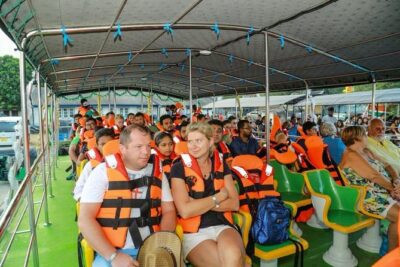
Whales and Dolphins Watching-Luxury Super Grade Cruiser(Hotel Pick up offered)
Read our review →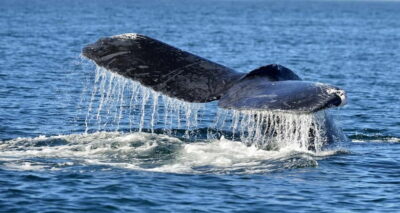
Trincomalee: Whale & Dolphin Safari Tour with Expert Guides
Read our review →
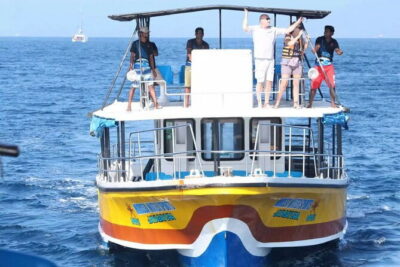
All Inclusive Mirissa Whale and Dolphin Watching Boat Ride
Read our review →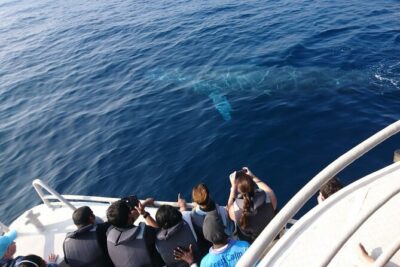
Mirissa Whale & Dolphin Watching Cruise with Geeth’s Crew
Read our review →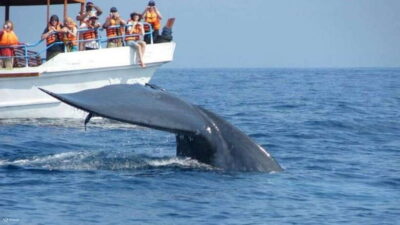
Mirissa: Whale & dolphin Watching Boat Tour with Breakfast
Read our review →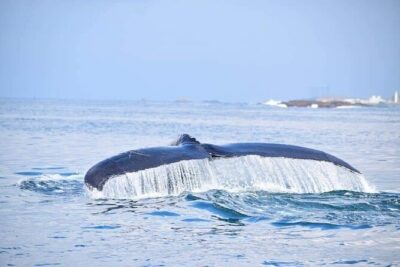
Whale & Dolphin Watching Tour in Trincomalee | Scenic Boat Ride
Read our review →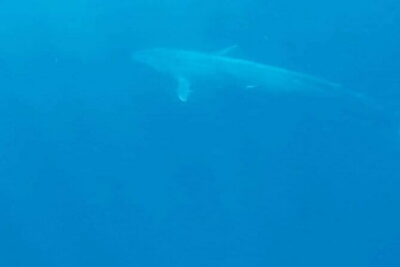
Great Whales Education Programe Dolphins and Whales are in SL
Read our review →Browse the lists this tour appears in