
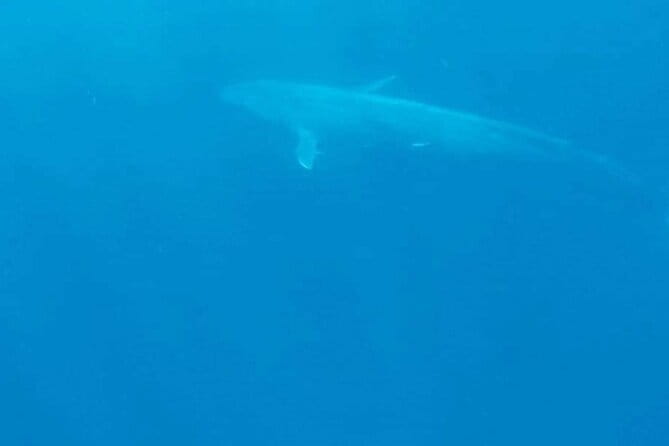
REVIEW · GALLE WHALE WATCHING TOURS
Great Whales Education Programe Dolphins and Whales are in SL
Whales make more sense once you know them. This one-hour program in Matara explains Sri Lanka’s whales and dolphins before you spend money on a boat trip, with clear guidance from Ms. A.H. Deepika Kumari, a veteran of more than 12 years in the local whale-watching industry. I like the focused format and the chance to ask questions rather than simply hope an animal appears beside a boat. I also like that tea, coffee, snacks, and bottled water are included.
The main drawback is simple: this is an indoor education program, not a whale-watching cruise. At $25 per person, you are paying for useful preparation and discussion, not guaranteed sightings or transport to the sea. That makes it a smart addition to a Galle, Matara, Weligama, or Mirissa visit, but less suitable if you want an action-packed outing.
Key points to know before booking
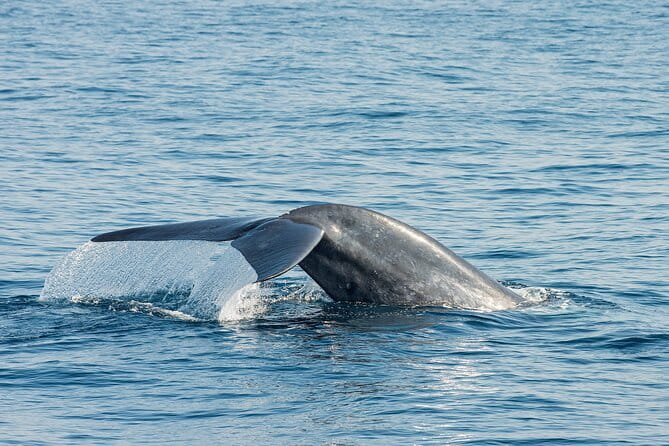
- A one-hour lesson in Matara: The program covers Sri Lankan whale and dolphin species, viewing locations, boats, weather, trip length, and responsible ways to watch marine life.
- Led by Ms. A.H. Deepika Kumari: She was among the first members involved in whale and dolphin watching in Sri Lanka and has more than 12 years of industry experience.
- Useful before Mirissa: The meeting point is about 30 minutes from Mirissa and Mirissa Beach, and about 15 minutes from Polhena Beach.
- A private experience: Only your group participates, making it easier to ask questions and discuss a previous whale-watching trip.
- Refreshments are included: Tea or coffee, snacks, bottled water, and entrance costs are covered.
- No boat ride or vehicle is included: You need to arrange your own way to No. 12 Paramulla Road in Matara.
Why this small program matters before a boat trip
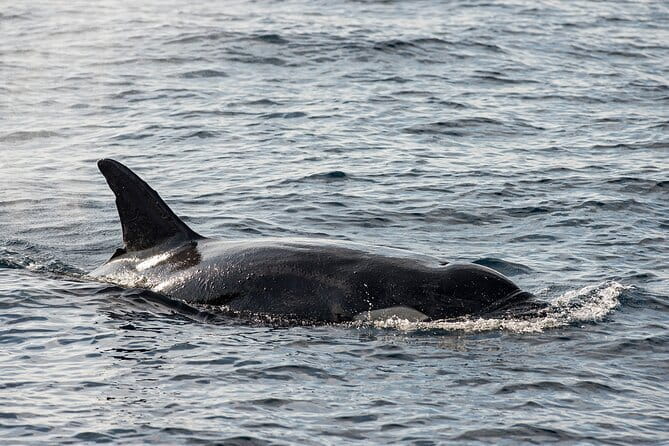
Sri Lanka is a major place for seeing whales and dolphins, especially blue whales, the largest animals on Earth. Yet a boat trip can leave you with more questions than answers. What species did you see? Why were the animals in that part of the sea? Was the weather suitable? How should a boat behave around them?
This program is designed to fill in those gaps. It gives you a working background before you head offshore, or helps you make sense of a trip that produced no sightings. That second use matters. One recent booking took place when bad weather had stopped live whale and dolphin trips, so the education session became the main experience rather than a backup plan.
You will spend about an hour learning how whale and dolphin watching developed in Sri Lanka, where the main viewing points are, and why these animals use Sri Lankan waters. The session also covers common species, current sightings, weather conditions, boat types, and the facilities offered by operators.
That subject list sounds broad, but it is practical. If you are considering a boat trip from Mirissa, you can use the information to ask better questions before paying. You can also form more realistic expectations. Wildlife watching never works like a museum visit. A good lesson should make that clear.
More Whale and Dolphin Watching Tours in Sri Lanka
- Whales and Dolphins Watching-Luxury Super Grade Cruiser(Hotel Pick up offered)
★ 5.0 · 1,268 reviews - Trincomalee: Whale & Dolphin Safari Tour with Expert Guides
★ 4.2 · 53 reviews - Trincomalee: Dolphin & Whale Watching Boat Tour
★ 4.2 · 37 reviews
Meeting Ms. A.H. Deepika Kumari in Matara
The session is conducted by Ms. A.H. Deepika Kumari, who has more than 12 years of experience in whale and dolphin watching. She was also one of the first people involved in this activity in Sri Lanka.
Her role is central to the experience. This is not simply a room with a video and a printed chart. The format includes explanation and open discussion, so you can ask about sightings, boats, seasons, and the difference between a good viewing trip and a disappointing one.
Several points of praise focus on her warm welcome and the amount of time she gives to explanations. That is useful for families, since children can ask simple questions while adults can discuss the more practical side of whale watching. It also helps if you have just returned from a boat trip and want to understand what you saw.
The program is presented as a rare, dedicated whale and dolphin education session for tourists in Sri Lanka. Its strongest feature is the local point of view. You are not only learning general facts about marine mammals. You are learning how those animals, boats, weather patterns, and viewing sites connect specifically to Sri Lanka.
What happens during the one-hour session
The program does not list a series of separate stops. Instead, it follows a discussion-based lesson. Here is what you can expect the hour to cover.
Sri Lanka’s whale-watching story
The session begins with the development of commercial whale and dolphin watching in Sri Lanka. This background helps explain why places such as Mirissa became known for marine wildlife trips.
For you, this part gives useful context. A boat excursion is not just a ride out to sea. It is part of a growing local industry, and the way that industry operates affects the quality of your experience.
Same water, a different way to meet them:
- Whale Watching Mirissa with ( WWC )
★ 5.0 · 252 reviews - Whale Watching Mirissa with Eagle Eye
★ 4.5 · 128 reviews - Sports Boat- Private Whale Watching Trip( free breakfast & paid pick-up)
★ 5.0 · 93 reviews - Trincomalee: Whales Watching and Navy Island Snorkeling Tour
★ 4.4 · 81 reviews
Where to watch whales and dolphins
You will learn about the main whale and dolphin watching points in Sri Lanka. Mirissa is especially relevant because it is one of the best-known departure areas and sits close to Matara.
The program is around 30 minutes from Mirissa and Mirissa Beach by road, according to the supplied information. Polhena Beach is closer, at about 15 minutes away. This makes the class easy to pair with a beach stay or a day based around Matara.
The session can help you compare locations instead of choosing a boat trip at random. It does not promise that one place will always produce sightings. That is important, since conditions and animal movements change.
Why marine mammals use Sri Lankan waters
A major topic is why whales and dolphins are found in Sri Lankan waters. This gives the lesson a useful layer of meaning. You are not only memorizing names. You are learning why the area matters to these animals.
The program highlights the blue whale, along with the many recognized whale and dolphin species found around Sri Lanka. The information provided does not promise a complete scientific course, so you should think of this as an accessible introduction rather than specialist training.
Common species and current sightings
You will discuss the main common whale and dolphin species seen in Sri Lanka, as well as current sightings. This is one of the most useful parts for anyone planning a boat trip soon.
Sightings can change, and the program makes clear that wildlife is unpredictable. A day with no whales or dolphins is possible. One booking took place after a boat outing produced no sightings, leaving the participants unhappy and without much explanation. The education session was valuable in that situation because it gave them a better understanding of what can and cannot be expected at sea.
Boats, weather, and trip length
The class covers the length of whale-watching trips, weather conditions, and the types of boats and yachts used. It also discusses what facilities boat operators provide.
This is practical information for families and older visitors. You can think about how long you want to remain at sea, what kind of vessel suits your group, and how weather may affect departure plans.
Bad weather stopped live boat trips during one May visit. That example is a useful warning: do not build your entire day around a sighting. Keep another plan ready, and consider this program as an informed alternative when sea conditions are poor.
Better ways to watch whales and dolphins
The session discusses the best methods for live whale and dolphin watching. That wording matters. The goal is not only to find an animal, but to watch it in a way that respects the animal and gives you a better experience.
You can use this part to judge an operator’s approach. Ask what facilities are provided, how the boat behaves around wildlife, and what happens if weather prevents a trip. The program does not replace your own judgment, but it gives you a stronger starting point.
A private discussion instead of a crowded boat
Only your group takes part in this activity. That private format is a major advantage for families and small groups because you can ask questions without trying to get the guide’s attention in a large crowd.
It is also a useful contrast with a boat trip. One account describes an overcrowded boat and a lack of useful information after a day without sightings. This program cannot change that experience, but it can help you recognize the questions to ask before booking a future trip.
The private setup does not mean the program is a long custom tour. The stated duration is about one hour, and the advertised topics set the basic structure. Still, the open discussion gives you room to focus on what matters to your group.
Children can learn the basic difference between whales and dolphins, while adults can ask about viewing sites, trip length, and weather. Seniors who prefer not to spend hours on a boat may find the class a comfortable way to learn about Sri Lankan marine life.
Tea, snacks, and locally made souvenirs
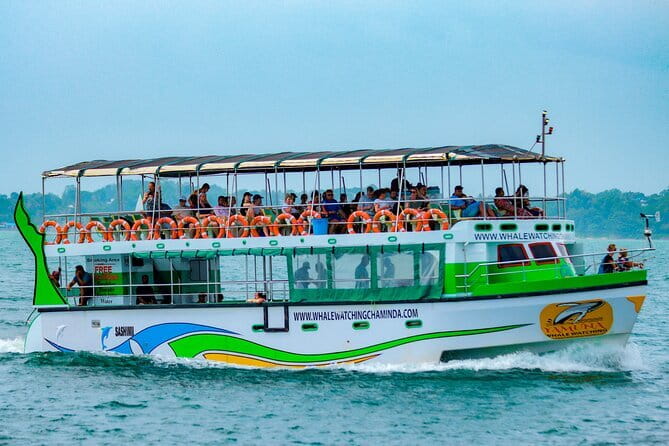
Tea or coffee, snacks, and bottled water are included in the $25 price. These are modest extras, but they make the short session easier, especially if you are fitting it between beach time and other sightseeing.
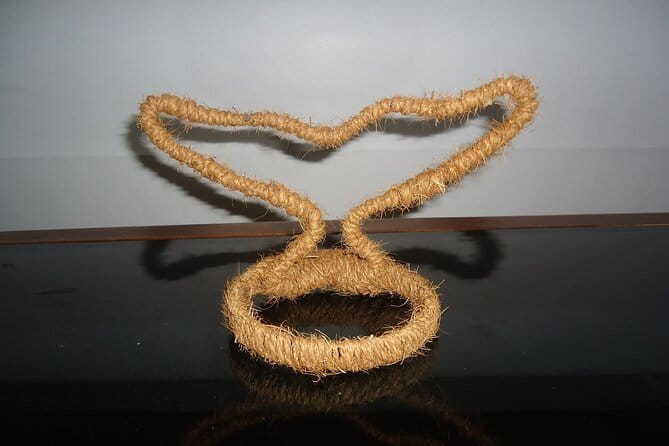
You can also buy locally designed and locally made whale and dolphin souvenirs. This gives the visit a small connection to local craft and lets you take home something tied to Sri Lanka’s marine life rather than a generic beach item.
The refreshments should not be the reason you book. The real value lies in the discussion and the local experience of the guide. Still, knowing that basic drinks and snacks are covered helps the price feel more reasonable.
Is $25 a fair price?
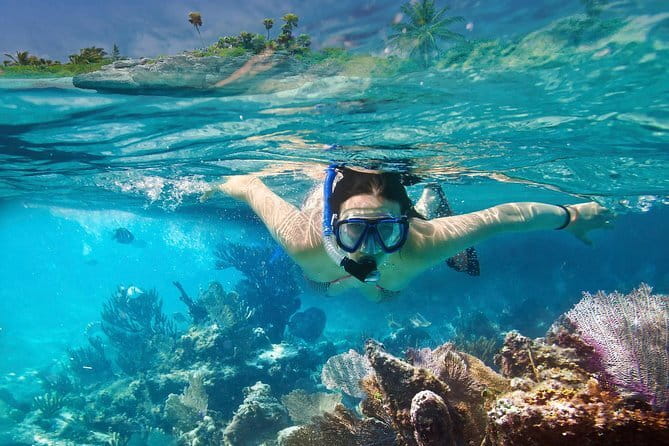
At $25 per person, the program is not the cheapest way to spend an hour in Matara. It is also not priced like a full boat excursion. You are paying for a private educational session, local expertise, refreshments, and the chance to make better decisions about whale watching.
The value is strongest in three situations. First, you are planning a Mirissa boat trip and want to understand the options. Second, you have already been whale watching and came away confused or disappointed. Third, bad weather has stopped boat departures and you still want a meaningful marine-life experience.
The value is weaker if you already know a great deal about Sri Lankan whales and dolphins, or if you are looking only for direct wildlife action. No boat ride is included, and there is no promise of a live sighting.
Transport is another cost to consider. The program does not include an air-conditioned vehicle, so you must arrange your own way to No. 12 Paramulla Road, Matara. The location is near public transportation, but the supplied information does not specify fares, routes, or pickup service.
Planning the visit from Galle, Mirissa, or Polhena
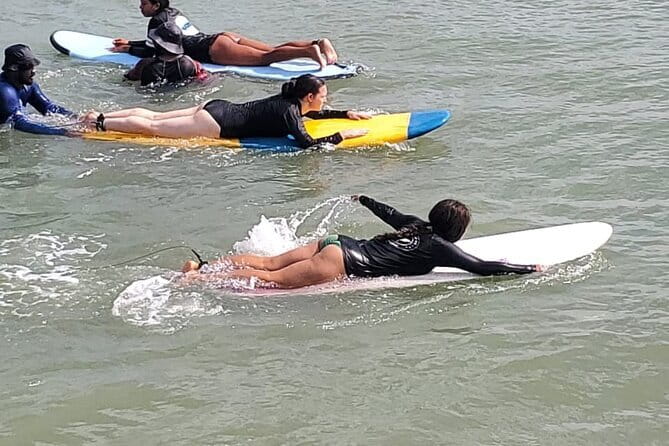
The address is No. 12 Paramulla Road, Matara, and the activity returns to that same meeting point. It is open daily from 7:00 AM to 7:00 PM during the stated operating period, which runs through November 26, 2026.
The broad opening window gives you flexibility, but you should confirm your start time after booking. The operator sends a WhatsApp message to confirm the appointment, and one booking successfully changed its time after transport problems arose. Do not assume every last-minute change will be possible, though.
From Mirissa, allow about 30 minutes of travel time. From Polhena Beach, allow about 15 minutes. From Galle, the exact journey time is not provided, so you should check your own route before selecting a start time.
A mobile ticket is accepted. Confirmation is received at booking, and the activity is private to your group. Service animals are allowed, and most people can participate.
Who will get the most from it?
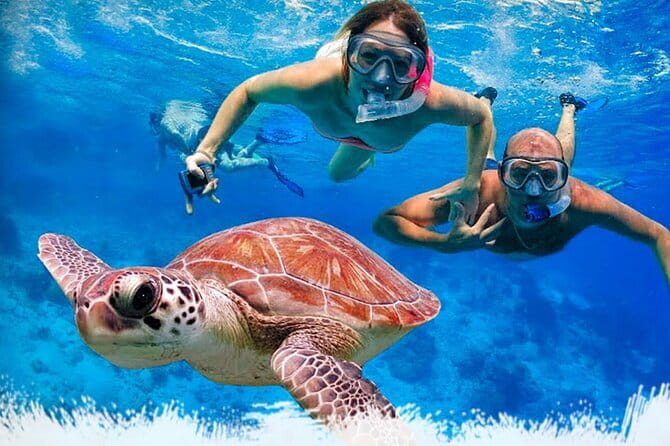
I would recommend this program to:
- Families who want children to learn before seeing wildlife
- Adults interested in Sri Lanka’s marine mammals
- Seniors who prefer a one-hour indoor activity to a long boat trip
- People staying in Matara, Weligama, Mirissa, or near Polhena Beach
- Anyone who had a poor boat experience and wants clearer information
- Visitors whose whale-watching plans are threatened by bad weather
I would be more cautious if your main goal is a guaranteed sighting. No responsible wildlife program can promise that, and this particular experience does not go to sea.
It is also worth checking the day’s plan if you are combining it with a live whale-watching trip. A one-hour class plus transport plus a boat excursion can take more time than expected, especially if you are also visiting Mirissa Beach.
Booking, cancellation, and small practical details
You can cancel for a full refund if you do so at least 24 hours before the start time. Changes or cancellations made less than 24 hours before the experience are not accepted for a refund, and the cut-off follows local Sri Lankan time.
The operator’s contact through WhatsApp is useful for confirming the meeting time and discussing transport issues. I would still confirm the exact start time, ask for directions to Paramulla Road, and check whether your group needs any special arrangements.
The program includes all fees and taxes, tea or coffee, snacks, and bottled water. It does not include transport in an air-conditioned vehicle or a boat trip to see whales and dolphins.
Should you book the Great Whales Education Programme?
Book it if you want a clear, local introduction to Sri Lanka’s whales and dolphins, especially before a Mirissa boat trip. The strongest reasons are Ms. Deepika Kumari’s long experience, the private discussion format, and the useful explanation of weather, boats, species, and viewing sites.
Skip it if you want only a sea excursion or have limited time and no interest in an educational session. At $25, it is best understood as preparation, interpretation, and a weather-proof marine-life activity, not a replacement for a whale-watching cruise.
For families, curious first-time visitors, and anyone who wants more than a quick glimpse from a boat, I think it is a sensible Matara stop. You may leave without a photograph of a blue whale, but you should leave with a much better idea of what you are looking at and how to watch it responsibly.
FAQ
How long is the Great Whales Education Programme?
The program lasts approximately one hour.
Where does the program take place?
It takes place at No. 12 Paramulla Road, Matara 81000, Sri Lanka, and ends back at the same meeting point.
How much does the experience cost?
The listed price is $25 per person.
Is a whale-watching boat trip included?
No. The program is an educational session. You can buy tickets separately for live whale and dolphin watching in Mirissa.
What is included in the price?
All fees and taxes, tea or coffee, snacks, and bottled water are included.
Is transportation included?
No. An air-conditioned vehicle is not included. The meeting point is near public transportation.
Is the experience private?
Yes. Only your group participates in the activity.
Can I cancel for a refund?
Yes. You can receive a full refund if you cancel at least 24 hours before the experience start time. Cancellations or changes made less than 24 hours before the start time are not accepted for a refund.
Just added around Sri Lanka
- Whale Watching Tour with Transfers★ 3.6 · 4 reviews
- Trincomalee : Whale & dolphin watching +pigeon island tour★ 4.5 · 3 reviews
- Trincomalee: Dolphin & Whale Watching Boat Tour★ 4.2 · 37 reviews
- Trincomalee: Whale & Dolphin Safari Tour with Expert Guides★ 4.2 · 53 reviews
- Trincomalee: Whales Watching and Navy Island Snorkeling Tour★ 4.4 · 81 reviews
- Whale & Dolphin Watching Tour in Trincomalee | Scenic Boat Ride★ 4.0 · 8 reviews
- Whale Watching in Trincomalee by Catamaran cruise★ 4.0 · 2 reviews
- Whale & Dolphin Watching Trincomalee★ 4.5 · 4 reviews
Galle Whale Watching Tours, compared.
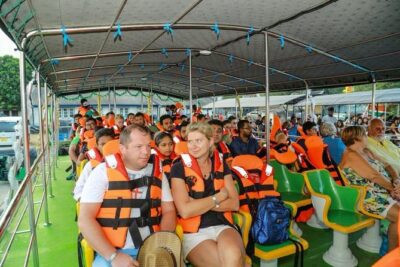
Whales and Dolphins Watching-Luxury Super Grade Cruiser(Hotel Pick up offered)
Read our review →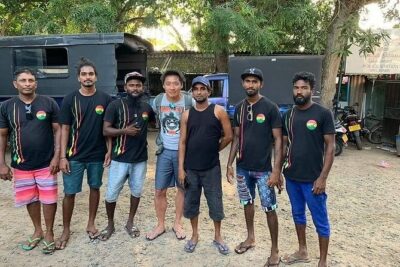
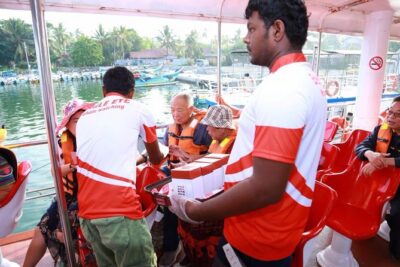
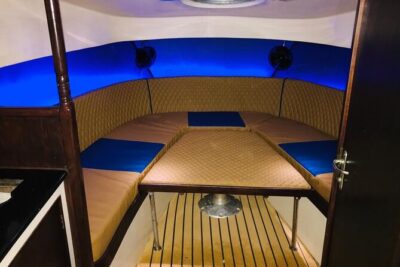
Sports Boat- Private Whale Watching Trip( free breakfast & paid pick-up)
Read our review →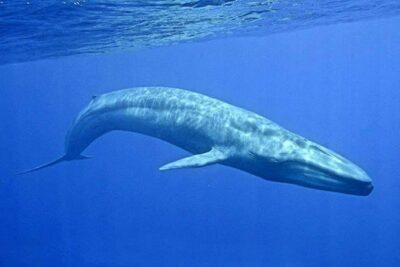
Mirissa Whale & Dolphin Watching Cruise with Geeth’s Crew
Read our review →
Whale Watching Mirissa Ultimate Tour in Sri Lanka with Breakfast
Read our review →Browse the lists this tour appears in