
REVIEW · KAIKOURA WHALE WATCHING TOURS
Kaikoura: Whale Watching Flight with Commentary
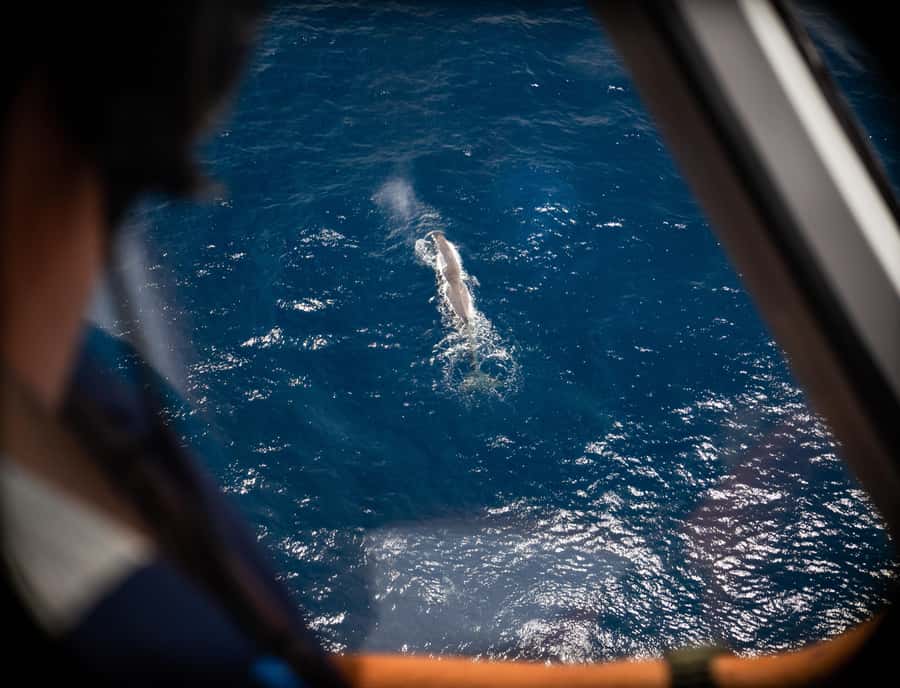
See whales from a whole new angle. This small-plane flight gives you a guaranteed window seat and covers far more ocean than a boat can in the same time, which makes it a smart choice for spotting marine life. I also like the live pilot commentary and the sweeping views of Kaikoura’s snowy mountains, reefs, and coast.
The main drawback is simple: whales are wild, and there is no refund if they stay out of sight. The flight costs $131 per person and lasts only 30 minutes in the air, so you are paying for speed, access, and scenery rather than a long outing on the water. For many people, that trade-off is worthwhile. For others, the short flight may feel expensive.
Key points at a glance
- Every passenger gets a window seat, so you are not left craning across another person for a view.
- The aircraft can cover large ocean areas quickly, giving you a better chance of finding whales in limited time.
- Sperm whales are the main prize, but sightings may also include dusky dolphins, humpback whales, orcas, blue whales, pilot whales, and fin whales.
- Pilot commentary adds real value, with guides such as Ben, Alex, Dan, and Tom praised for clear explanations and careful positioning.
- The return flight is part of the experience, with views of Kaikoura’s coast, turquoise reefs, and snow-clad ranges.
- Sharp turns can cause motion sickness, so prepare if you are sensitive to small-plane movement.
Why seeing Kaikoura from the air matters
Kaikoura is famous for sperm whales because the ocean floor drops sharply near the coast. That underwater geography brings marine life close enough for regular whale-watching trips, but the animals still move across a wide area.
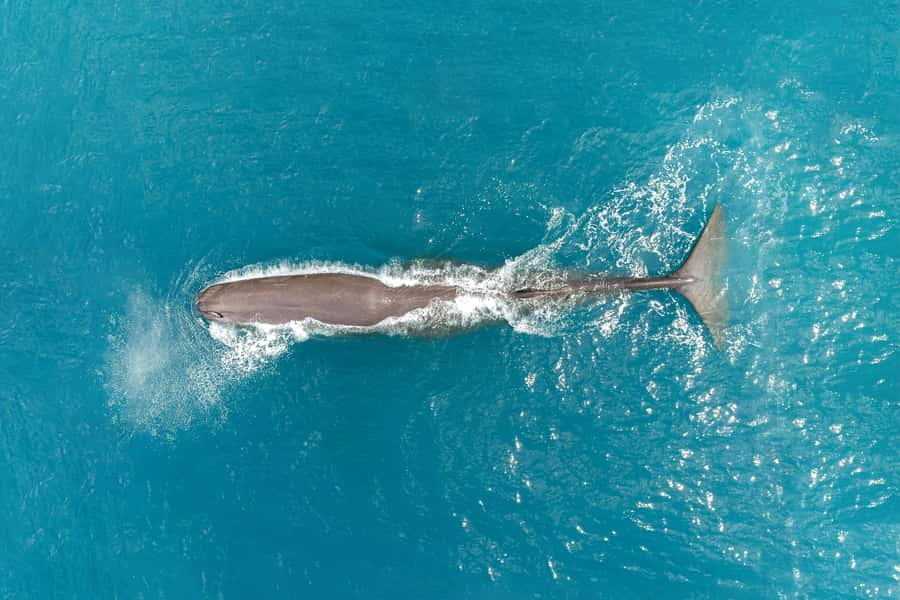
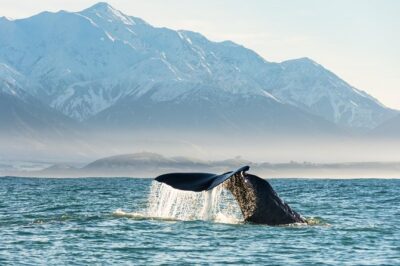
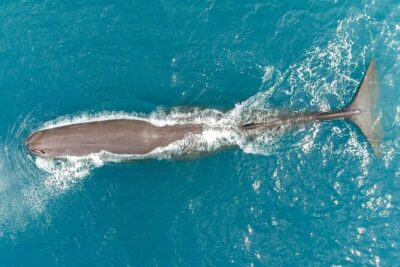
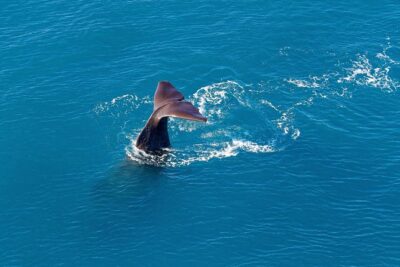
From a boat, you experience the sea at eye level. From a plane, you can see the whole setting at once. A sperm whale’s back looks impressive from the surface, but from above you begin to understand its size, body shape, and slow movement through the water. That change in scale is one of the strongest reasons to choose the flight.
The aircraft also searches quickly. A boat spends time moving to and from a sighting, while a plane can scan a much larger patch of ocean. The small group, limited to seven people, helps keep the flight personal and makes it easier for the pilot to communicate with everyone.
I would not book this only as a guaranteed whale product. It is better understood as a scenic flight with a serious attempt to find whales. If the animals stay underwater or the weather closes in, you still get an aerial view of one of New Zealand’s most striking coastal areas.
A few more whale watching trips around Kaikoura worth a look
- Kaikoura: Whale Watching Cruise
★ 4.6 · 3,089 reviews - Whale Watching in Kaikoura by Boat
★ 4.5 · 2,906 reviews - Kaikōura Whale Watching Scenic Flight (40 Minutes)
★ 5.0 · 221 reviews
Arriving at Kaikoura Airport
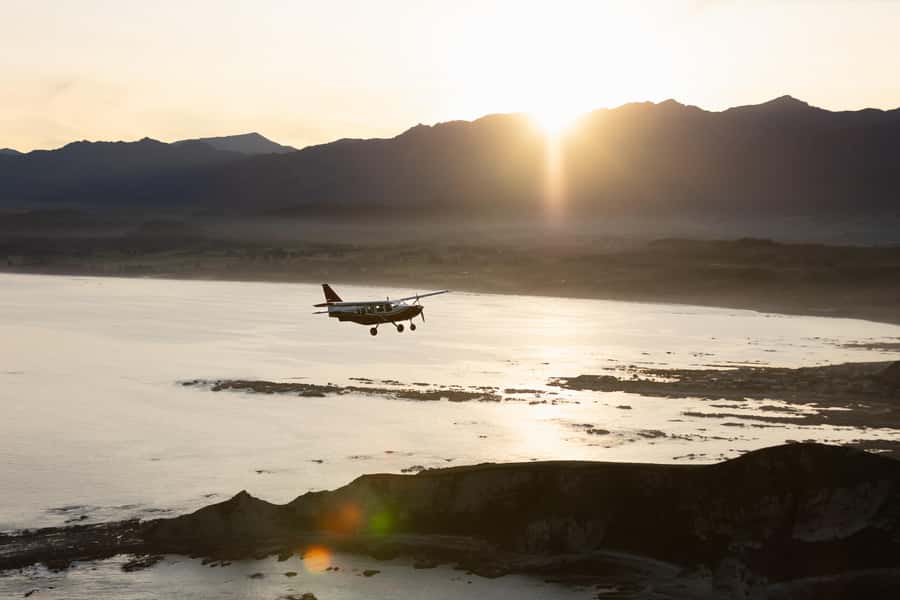
The meeting point is Air Kaikoura at 627 State Highway 1, roughly a 10-minute drive south of Kaikoura. Turn right when you reach the airport. Free parking is available, but hotel pickup and drop-off are not included.
You need to check in 30 minutes before your flight. This matters more than it might sound. Flight times can shift to match whale activity, and the aircraft may leave earlier if a recent sighting gives the crew a good chance of finding an animal. If you arrive late, the flight may depart without you.
The airport setting is practical rather than fancy. That suits the outing. You are here to get a safety briefing, board a small aircraft, and get over the water while conditions are good.
Allow extra time around the advertised 40-minute activity. The flight itself is 30 minutes, but the full schedule includes a 15-minute safety briefing and about 10 minutes after the flight for photographs. The exact timing can change with weather and whale movements.
The safety briefing and small-group setup
Before boarding, you receive a personal safety briefing and an overview of the flight. You also get a headset for the English commentary, so you can hear the pilot while the engine is running.
The small group is a real advantage. With no more than seven participants, the pilot can keep an eye on both sides of the aircraft and explain what you are seeing. Several pilots, including Ben, Alex, Dan, and Tom, are praised for making sure people on both sides had clear views.
That point matters because whale watching from a plane is not just about finding an animal. It is also about positioning the aircraft so everyone gets a fair chance to see it. The crew may circle in one direction and then the other, allowing people on both sides to look down without fighting for a view.
The aircraft may make sharp turns while circling a whale. One passenger specifically found the G force surprising, and this is useful advice if you are prone to motion sickness. The flight is not described as unsafe, but the repeated turns can feel stronger than a normal sightseeing flight.
Thirty minutes over the Kaikoura coast
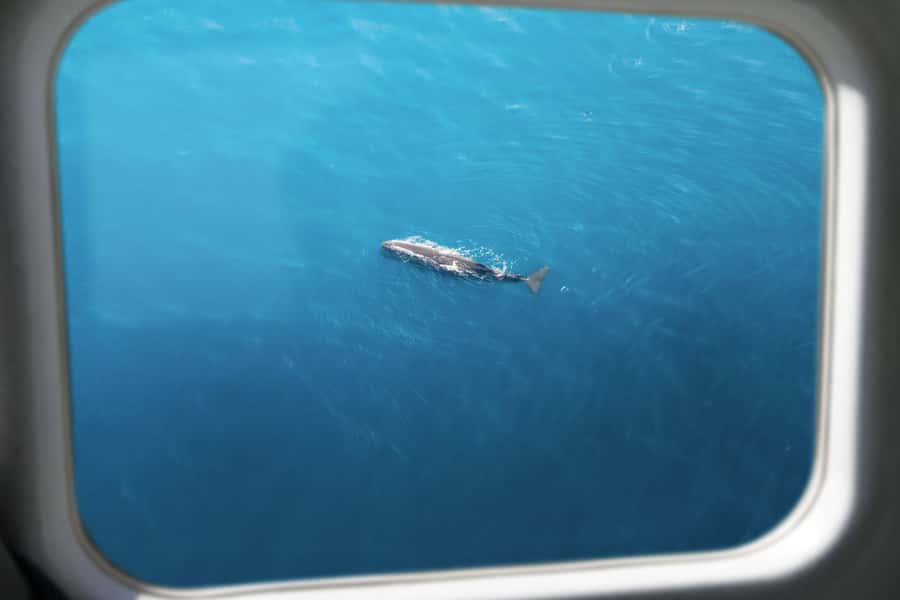
Once airborne, the pilot searches the water and listens for updates from other aircraft and boats. The radio network can help the crew respond quickly when a whale is reported in another area.
This coordination is one of the more practical strengths of the outing. A pilot may adjust the route when new information comes through, rather than simply following a fixed loop. One flight even delayed departure slightly because whales had recently gone underwater near the end of the previous trip.
The main target is often the sperm whale. These animals spend long periods below the surface, then return to breathe before heading underwater again. That makes timing important. You may see a whale briefly, or you may arrive while it is resting near the surface.
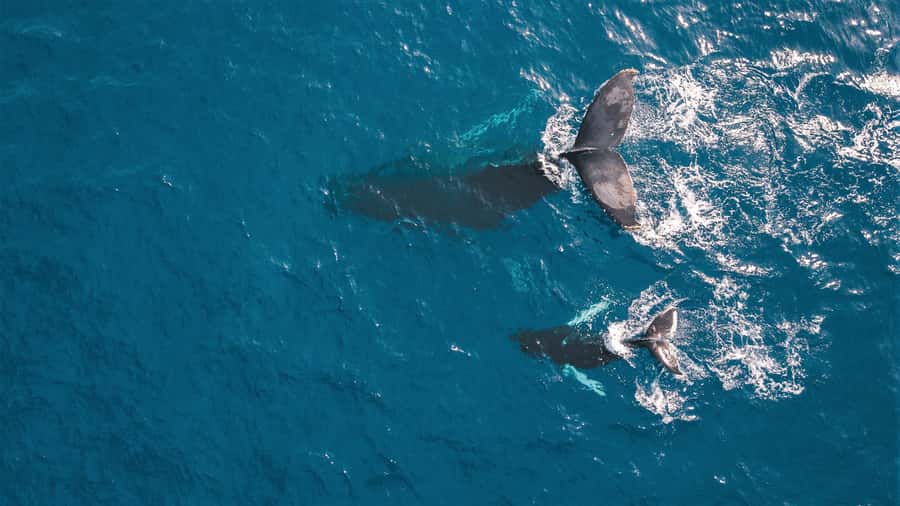
The aerial view helps you spot other animals, too. Dusky dolphins may appear as groups of quick-moving shapes near the coast. Humpback whales, orcas, blue whales, pilot whales, and fin whales have all been seen on different flights. One outing produced a blue whale and a humpback, while another found several orcas and large groups of pilot whales.
Nobody can promise this variety on your flight. The crew gives honest information about the chances before departure, and that honesty is important. Kaikoura is a strong place for marine life, but nature does not follow a timetable.
Same water, a different way to meet them:
- Kaikoura: Whale Watching Flight with Guided Commentary
★ 4.5 · 216 reviews - Whale Watching in Kaikoura – Ultimate Experience
★ 4.5 · 199 reviews - Kaikoura Whale Watch Day Tour from Christchurch
★ 4.5 · 170 reviews - Kaikoura: Whale Watching Flight
★ 5.0 · 100 reviews
Commentary from pilots who make the flight work
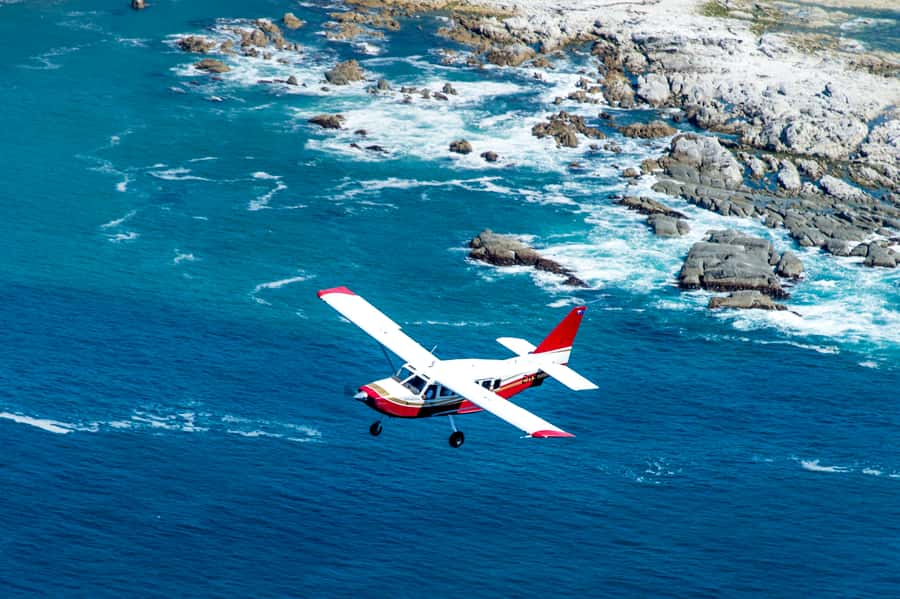
The commentary is not filler. It helps you understand what you are looking at and gives the search a sense of purpose.
Ben is repeatedly singled out for his calm, friendly explanations and for making sure everyone had a clear view. Alex is praised for running a useful commentary throughout the flight. Dan received credit for combining good flying with clear information, while Tom carefully turned the aircraft to give both sides a view.
A good pilot has two jobs here. The first is flying safely and responding to changing information. The second is helping you notice animals that can be surprisingly hard to see from above. A dark shape, a blow, or a brief movement can disappear quickly against the sea.
The best moments may come when the pilot’s excitement reaches you through the headset. A whale surfacing is easy to miss if you do not know where to look. Clear directions can turn a vague patch of water into a memorable sighting.
Guaranteed window seats and better photographs
The window-seat promise is one of the strongest practical features. You do not have to hope for a favorable seat or lean across someone else to see the ocean. Each person gets an unobstructed side view.
This also improves photography. You can shoot straight through your own window instead of trying to photograph around another passenger. Still, keep your expectations realistic. A moving aircraft, reflective glass, changing light, and a whale that surfaces for only a short time can make sharp photographs difficult.
You will have better chances if you keep your camera ready before the flight reaches the sighting area. The whales are not waiting for you to open a phone app. If you want photographs, use a fast shutter setting if your camera allows it, and do not spend the entire flight staring at the screen.
The pilot may circle the animal several times and alter direction so both sides can see. That gives you more than one chance, but it can also bring on motion sickness. Look outside between photographs and keep your attention on the horizon when you can.
The scenery is more than a consolation prize

Whale sightings get the headlines, but Kaikoura’s scenery gives the flight lasting value. The coast runs between the Pacific and the Kaikoura ranges, with snow on the higher peaks during colder months.
On the return leg, you may see the peninsula, reefs, beaches, mountain slopes, and the town from a perspective that is impossible from the road. The turquoise water and pale mountain ridges create a striking contrast, especially on a clear day.
This is why I would still consider the flight worthwhile even if the whales remain hidden. That does not mean a no-whale flight feels identical to a successful one. You should accept that the main goal may not happen. But the scenery makes the activity less dependent on a single animal appearing at exactly the right time.
Several people have also valued the takeoff and landing, particularly the smooth handling of the pilots. For anyone who has never flown in a small aircraft, the flight itself becomes part of the adventure rather than just a way to reach a viewing point.
How the $131 price holds up
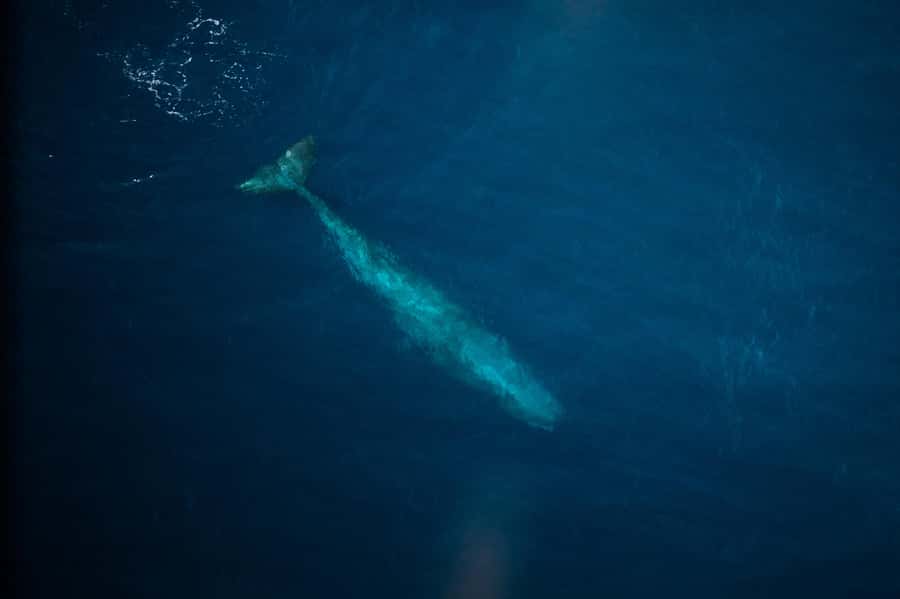
At $131 per person, this is not a budget attraction. The flight lasts 30 minutes, and the whole activity is listed as 40 minutes, so the price can look high if you compare it only by the clock.
The value comes from what the aircraft can do. You cover a large area quickly, receive a guaranteed window seat, hear live commentary, and get a scenic flight over both sea and mountains. A boat trip gives you a longer period on the water, but the plane offers a different chance of finding animals and a much broader view of the region.
I think the price makes the most sense if you care about both whales and scenery. It is also a useful alternative if a boat trip is cancelled by weather, as happened to one passenger who changed plans and saw a blue whale from the air.
If you are travelling on a tight budget, you may prefer to spend $131 on a longer activity. If whale watching is high on your list and you want the best possible use of a short window in Kaikoura, the flight is easier to justify.
Weather, wildlife, and the limits of the promise
Flights depend on weather. If poor conditions prevent the aircraft from operating, you receive a full refund. You can also cancel up to 24 hours ahead for a full refund, and a reserve-now, pay-later option helps keep plans flexible.
A weather cancellation is different from a flight with no whale sightings. If the plane operates but no whales appear, there is no refund or automatic rescheduling. That policy is fair for a wildlife activity, but you should understand it before booking.
The provider has more than 30 years of local experience and uses information from pilots, boats, and other aircraft to improve the search. Even so, whales can move away or remain underwater for long periods. The honest way to book is to see the whale sighting as a strong possibility, not a guarantee.
The activity is not suitable for anyone over 120 kilograms. Infants sitting on an adult’s lap must weigh 11 kilograms or less, otherwise a child ticket applies. The flight is wheelchair accessible, and the tour runs in English with both live commentary and an English audio guide.
Who will enjoy this flight most
I would recommend it to you if:
- You want a fast way to search a wide stretch of ocean.
- You want guaranteed access to a side window.
- You enjoy scenic flights as much as wildlife watching.
- You are comfortable with the possibility of sharp turns.
- You have limited time in Kaikoura.
- You want a small group rather than a crowded outing.
Families can enjoy it, but consider the aircraft movement and the short notice nature of whale sightings. Children who need constant activity may find the search quiet at times, while children fascinated by planes and animals may love it.
Photographers should appreciate the window access, but they should not treat the flight as a guaranteed wildlife photography session. You may get a clear whale photograph, or you may spend much of the time watching the sea and mountains.
Should you book the Air Kaikoura flight?
Yes, if you want the widest possible search area and a memorable view of Kaikoura from above. The guaranteed window seat, small group, pilot commentary, and fast access to distant parts of the sea make this a strong choice for whale-watchers with a flexible attitude.
I would book it early in your Kaikoura stay if possible. That gives you some room to reschedule if weather cancels the flight. Arrive well before check-in, keep your camera ready, and accept that the scenery is part of the experience, not merely a backup.
Skip it if a 30-minute flight feels too short for $131, or if you need a guaranteed whale sighting. But if you can accept the gamble, the chance to see a sperm whale from above, with snowy mountains behind you and the coast below, is hard to match.
FAQ
Where does the whale-watching flight depart from?
It departs from Air Kaikoura at 627 State Highway 1, at Kaikoura Airport. The airport is about a 10-minute drive south of Kaikoura, with free parking available.
How long is the flight?
The flight itself lasts 30 minutes. The activity is listed as 40 minutes overall, while the schedule also includes a safety briefing and time for photographs, so you should allow extra time at the airport.
Do all passengers get a window seat?
Yes. Every passenger receives a guaranteed window seat for clear views of the coast and marine life.
Which animals might I see?
Possible sightings include sperm whales, dusky dolphins, humpback whales, blue whales, orcas, pilot whales, fin whales, and other marine life. Sightings are not guaranteed.
What happens if bad weather cancels the flight?
If poor weather prevents the flight from operating, you receive a full refund. Flight times may also be adjusted to match weather and whale activity.
How early should I arrive?
Check in 30 minutes before your scheduled flight time. Departures may be adjusted earlier, and the aircraft may leave without you if you are not present at check-in.
Just added around Kaikoura
- Kaikōura Whale Watching and Scenic Landing – 1hr Premier Tour★ 5.0 · 24 reviews
- Kaikōura Whale Watching – 1hr 20min Ultimate Adventure★ 5.0 · 8 reviews
- Kaikoura Whale Watch Day Tour from Christchurch★ 4.5 · 170 reviews
- Kaikoura Whale Watching – 45 Minute Ocean Safari★ 5.0 · 39 reviews
- Kaikoura Helicopters Top n Tail Whale Watch flight★ 5.0 · 7 reviews
- Whale Watching in Kaikoura – Ultimate Experience★ 4.5 · 199 reviews
- Kaikoura Helicopters Extended Whale Watch★ 4.5 · 15 reviews
- Kaikoura: Whale Watching Flight★ 5.0 · 100 reviews
Kaikoura Whale Watching Tours, compared.
Kaikōura Whale Watching Scenic Flight (40 Minutes)
Read our review →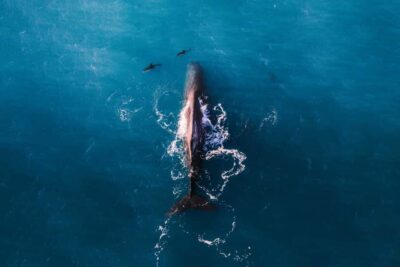
Kaikoura: Whale Watching Flight with Guided Commentary
Read our review →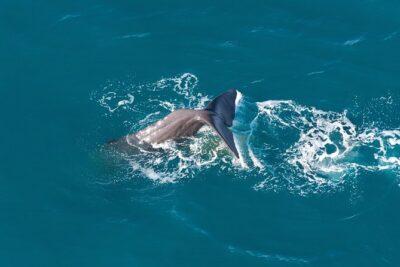
Whale Watching in Kaikoura – Ultimate Experience
Read our review →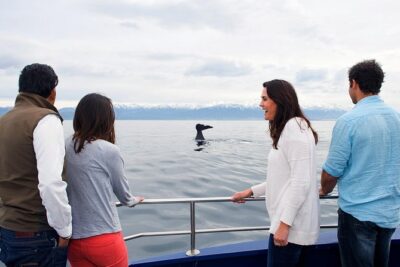
Kaikoura Whale Watch Day Tour from Christchurch
Read our review →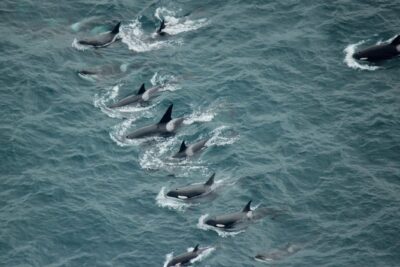
Browse the lists this tour appears in