
REVIEW · MOOREA WHALE WATCHING TOURS
Half day whale tour 4h00
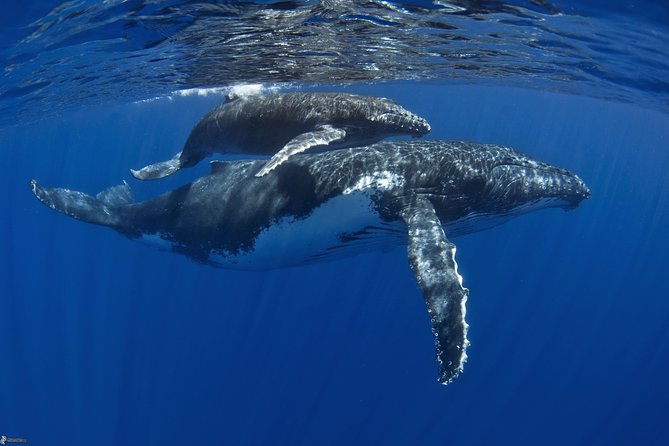
See humpbacks in their own world. This four-hour Moorea outing combines open-ocean whale watching with a chance to swim near whales, then cool off around the lagoon. I like the small boat setting, with no more than 12 people, and the high-tech listening gear that helps the crew locate whales. I also like that masks, snorkels, fins, and drinks are included.
The main catch is physical. You may need to swim about 100 meters from the boat, often in open water, and the sea can be rough. The boat holds up to 12 people, but only six may be in the water at one time, so groups may need to take turns. That rule can reduce your chances of swimming with the whales, especially if they move away.
Key points to know before booking
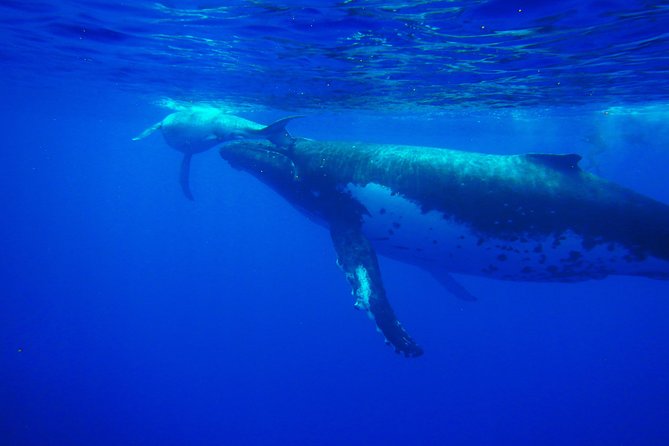
- Whale season runs from July through November, when humpback whales and their calves may pass through Moorea.
- A swim with whales is never guaranteed, even when you see them from the boat.
- Only six people can enter the water at once, although the boat may carry up to 12 participants.
- You need solid swimming ability, since the group may cover roughly 100 meters in open ocean.
- Guides such as Kevin, Mahai, Michele, Ari, and Mahi receive strong praise for wildlife knowledge, safety briefings, and enthusiasm.
- Lagoon time may include reef sharks, rays, turtles, and tropical fish, even if the whale encounter does not work out.
What this Moorea whale tour is really like
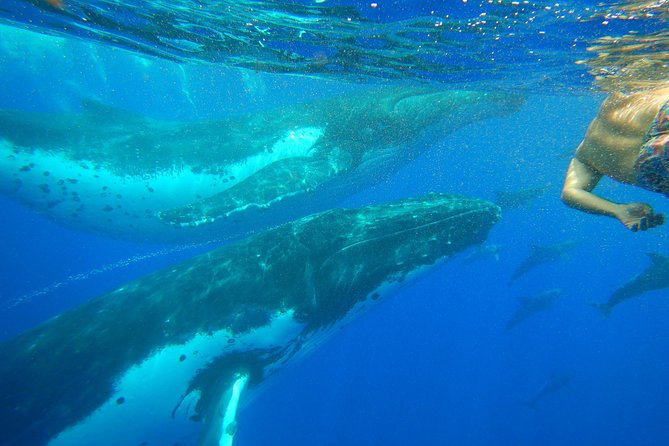
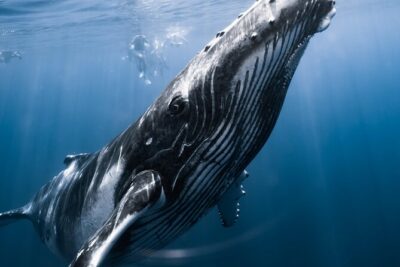
Moorea is one of the Pacific’s memorable places for seeing humpback whales. From July through November, whales migrate through the waters around the island, often with young calves. This tour gives you two ways to experience them: watch from the boat, or enter the sea for a closer look if the whales, weather, and local rules allow it.
The tour lasts about four hours and begins at the Moorea Activities Center in Opunohu. Pickup is offered, but the listed meeting point is the activity center, so check your confirmation carefully before setting out. Confirmation arrives within 48 hours, subject to availability.
The experience is not a passive cruise. You may be standing, swimming, climbing a short boat ladder, and moving quickly when a whale appears. The reward can be extraordinary, but you need to approach this as a wild-ocean activity, not a guaranteed animal encounter.
A few more whale watching trips around Moorea worth a look
- Swimming with Whales in Moorea (Half Day tour)
★ 4.5 · 264 reviews - Whale Tour – Observe and swim with whales
★ 5.0 · 257 reviews - Swim with humpback whales
★ 5.0 · 224 reviews
Opunohu Bay starts the outing
Opunohu Bay is listed as the tour stop, and it provides a useful setting for getting organized before the boat heads farther out. The bay is surrounded by Moorea’s dramatic mountain scenery, making even the waiting and preparation time worthwhile.
The crew supplies masks, snorkels, and fins. Several accounts describe a short test swim in the bay before the whale search. This helps the guide judge who is comfortable in the water and gives you a chance to check your mask and snorkel.
That test matters. Some people expected a gentle boat excursion and found the open-water swim much harder than planned. If you have only one strong swim in you, use the test to judge your own limits. You should not feel pressured to enter the water later if you are tired, nervous, or uncomfortable with the swell.
Finding whales with sound and patience
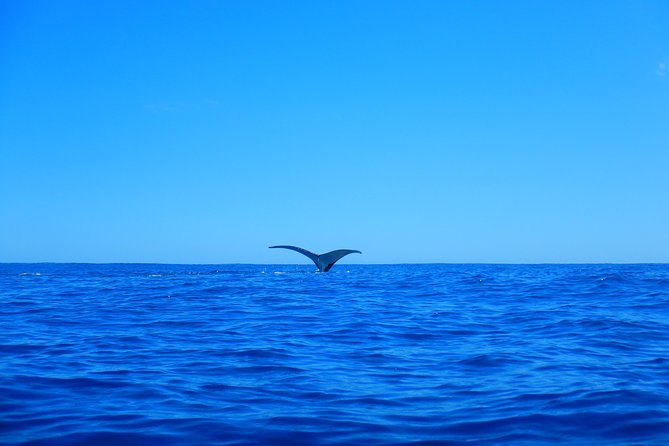
Once outside the bay, the crew searches the surrounding waters. The boat uses high-tech equipment to listen for whales, which can improve the odds of locating them. Guides also watch the surface for blows, movement, and signs of a mother and calf.
Some outings find whales quickly. One account describes locating a whale after about 15 minutes on site. Other trips may involve more searching, and the animals can change direction before the boat reaches them.
The boat must respect local rules on approach distances. It cannot move within 100 meters of a whale, especially when the animal is close to the reef. That rule explains why you may see whales from the boat but still have a long swim to reach a suitable viewing position.
This distance is not a flaw in the tour. It protects the animals and keeps the encounter respectful. It does, however, make the experience physically demanding. You could be looking at a humpback close to the boat, then swimming hard to reach the place where the guide believes it will surface next.
Swimming with whales is the highlight, not a promise
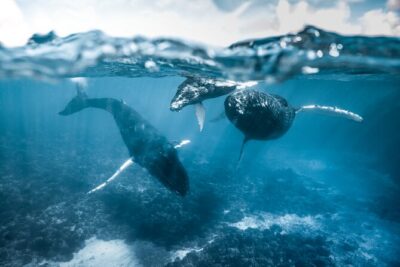
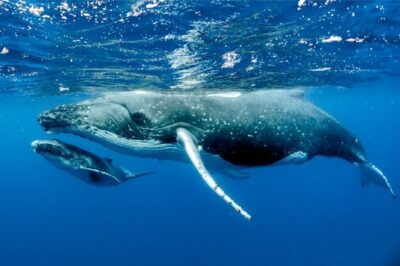
When conditions are good, the guide may organize a water entry. The goal is to swim near the whales without chasing, crowding, or touching them. Some of the strongest experiences involved mothers and calves, with people hearing whale songs or watching a calf rise and disappear below the surface.
The most praised guides are Kevin and Mahai, who are often singled out for clear instructions, calm leadership, and good humor. Michele, Ari, and Mahi are also mentioned positively. A good guide makes a real difference here, since the group must stay together, move quietly, and respond quickly when the animals appear.
You may get more than one attempt. Some outings have included three swims or two successful entries. On other days, the whales move away, the sea becomes too rough, or the conditions are not suitable for entering the water.
That uncertainty is central to the experience. You can see whales and still not swim with them. You can also enter the water and get only a brief view. The guides work with the animals’ behavior, not a fixed schedule.
Same water, a different way to meet them:
- Humpback whale watching and marine life in Moorea
★ 5.0 · 199 reviews - Private tour observing and swimming with humpback whales in Moorea
★ 5.0 · 126 reviews - Half Day Small Group Whale Watching
★ 5.0 · 88 reviews - Whale watching and snorkelling in Moorea
★ 5.0 · 64 reviews
The six-person water limit changes the odds
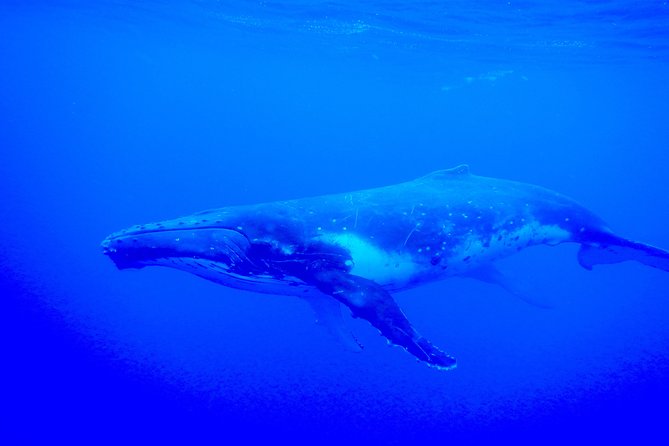
The boat can carry a maximum of 12 people, but current rules limit the number in the water to six at a time. If the boat is full, the group must split into two water teams.
This arrangement keeps the advertised price lower than a private or six-person boat, but it creates a real tradeoff. The first group may get into position while the whales are nearby. By the time the second group enters, the animals may have moved.
The order does not automatically decide who gets the best encounter. Whales can reappear, and the second group may sometimes get the better view. Still, if swimming with whales is your main reason for booking, a smaller boat with only six people offers a better chance of being in the first water group. A private tour is another option, though it costs more.
At $191.91 per person, this trip sits in the expensive excursion category. I think the price can be fair when you see whales, use quality equipment, receive active guidance, and finish with lagoon wildlife. It feels less satisfying if the group is full, the water is rough, and only half the boat gets a meaningful swim.
Open-ocean swimming requires honest self-assessment
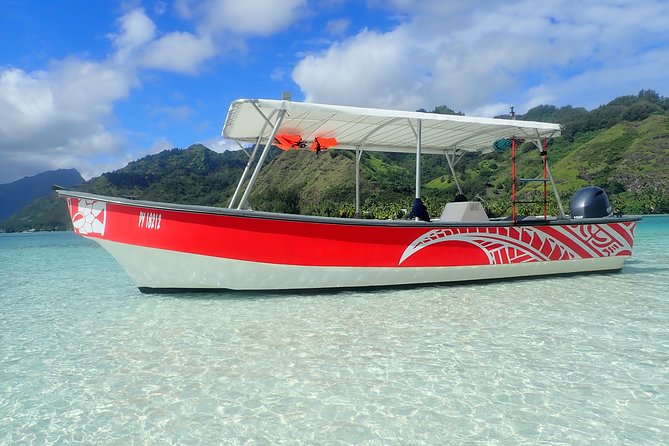
The tour requires a moderate level of physical fitness, but that phrase deserves a closer look. Several accounts describe a long, hard swim in open water. One strong swimmer still struggled with the distance, while another person chose to stay on the boat after the test swim.
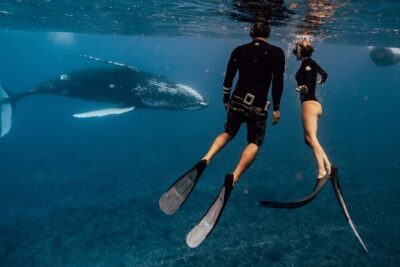
You should be comfortable swimming with fins and a snorkel while the boat sits some distance away. You may need to move quickly, keep up with the group, and handle waves or swell. This is not the best choice if you prefer shallow water, relaxed floating, or a whale-watching boat with no swimming requirement.
Life jackets are offered but not compulsory. The operator explains that swimming in a life jacket can make it harder to cover the distance and see the whales. Still, you should ask for one if you need extra support, and you should speak up immediately if your mask or snorkel does not fit properly.
The boat crew has responded to concerns about equipment by saying that gear can be exchanged and that the test swim checks comfort and ability. Inspect your equipment before heading offshore. If the sea looks rough or you feel unsure, tell the guide early rather than waiting until you are far from the boat.
Rough seas can change the entire mood
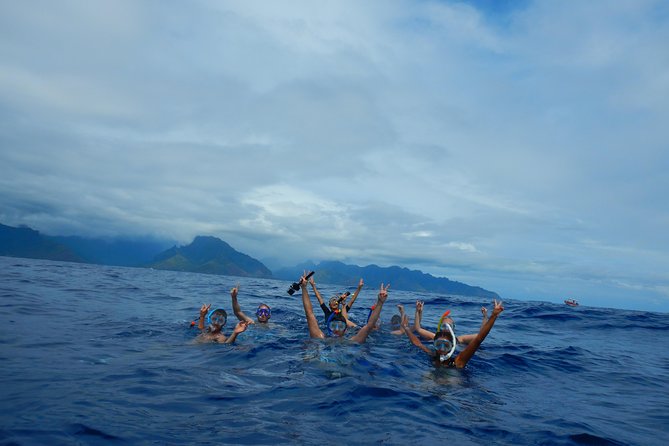
Moorea’s ocean conditions vary. A day that looks fine from shore may bring strong swell offshore. Some outings have taken place in rain or wind and still found whales, while other people felt the conditions were unsafe or too uncomfortable to enjoy.
The operator says tours are canceled when weather is genuinely poor and offers a new date or refund in that case. Yet a trip can still operate with rain, rolling seas, or uncomfortable movement. Those are not always cancellation conditions.
If you get seasick, consider taking appropriate medicine before the tour. The ride can be rocky, especially on the way into open water. You should also avoid scheduling this as your only major activity immediately before a flight or ferry connection. The tour is listed as four hours, but you will enjoy it more if you are not rushing afterward.
The lagoon adds value after the whale search
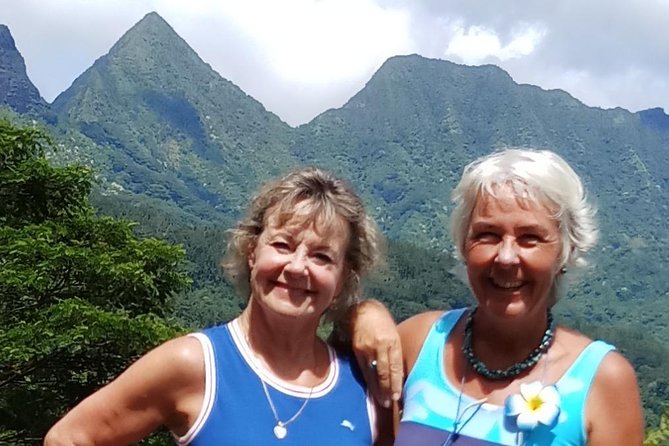
The whale encounter usually receives the attention, but the lagoon portion can rescue the day when the whales stay distant. The exact order may vary with conditions, but the outing can include time around reef sharks, stingrays, turtles, and tropical fish.
Several people who could not swim with whales still enjoyed the sharks and rays. This makes the tour more useful for mixed groups, especially when some people are strong swimmers and others prefer a shorter, calmer water activity.
You should not assume the lagoon wildlife replaces the whale experience in every case. It is an additional part of the outing, not a guaranteed substitute for a successful whale swim. Still, seeing reef sharks and rays in clear lagoon water gives the trip more variety than a whale search alone.
Drinks are included during the tour. Lunch is not, so plan to eat before or after. Snorkeling equipment is loaned at no extra charge.
Group size, guide quality, and the human side
A group of 12 is small enough for direct contact with the crew, but it is not intimate once the water group is split. The strongest praise goes to guides who keep people together, explain animal behavior, and give clear signals in the water.
Kevin is especially well regarded for calm leadership and marine-life information. One account describes him helping less confident swimmers feel secure, while another praises his handling of a shark sighting and his instructions for getting back to the boat. Mahai is also frequently praised as a capable captain and guide.
There is a practical difference between an excellent guide and a perfect operation. A good guide can make you feel prepared, but cannot control whale behavior, sea conditions, or the six-person water rule. One poor account also raised concerns about smoking on the boat and faulty snorkeling equipment. The operator acknowledged the smoking issue and said it should not happen again.
I would ask for a gear check, listen carefully to the safety briefing, and make your own decision about entering the water. You are paying for a serious wildlife outing, not a carefree pool session.
Who will get the most from this experience
I would recommend this tour most strongly to people who:
- Can swim confidently in open water
- Accept that wildlife encounters are unpredictable
- Want the possibility of swimming near humpback whales
- Are comfortable with a moving boat and changing sea conditions
- Enjoy learning about sharks, rays, turtles, and other marine life
- Prefer a shared tour to the higher cost of a private boat
You may want another activity if you are not a strong swimmer, dislike rough water, or want a guaranteed whale sighting from a stable viewing platform. The lagoon portion gives non-swimmers something to enjoy, but the tour’s central purpose remains the whale search.
Families and mixed-ability groups should discuss expectations before booking. A fit swimmer may call it a once-in-a-lifetime experience, while someone who struggles with the test swim may spend much of the outing watching from the boat.
Booking, cancellation, and practical details
The tour costs $191.91 per person and is commonly reserved about 59 days ahead. That advance pattern suggests you should not leave it until the last minute if your Moorea dates are fixed, especially during whale season.
Free cancellation is available up to 24 hours before the start time for a full refund. Changes or cancellations made inside 24 hours are not accepted for a refund. If poor weather causes the operator to cancel, you can choose another date or receive a full refund.
The activity ends back at the meeting point. A mobile ticket is accepted, group discounts are offered, and pickup is available. Confirmation is sent within 48 hours, subject to availability.
Should you book the Moorea whale tour?
Book it if you want a real ocean adventure and understand that the best moment may be brief, distant, or unavailable. The chance to swim near a mother and calf, hear whales underwater, and then see rays and reef sharks is exceptional when conditions line up.
Think twice if you are not a confident swimmer or if you want a guaranteed, relaxed viewing experience. The 12-person boat and six-person water limit are the biggest practical drawbacks. For the best odds of entering the water promptly, ask about group size and water-group order before paying, or consider a private trip if the budget allows.
For a strong swimmer who values wild encounters over certainty, this is a worthwhile Moorea outing. Just bring realistic expectations, respect the whales’ space, and treat the open ocean with proper caution.
FAQ
Where does the whale tour begin?
The meeting point is the Moorea Activities Center in Opunohu, Moorea, French Polynesia. Pickup is offered, and the activity ends back at the meeting point.
How long does the tour last?
The tour lasts approximately four hours.
When is whale season in Moorea?
The tour operates with the possibility of seeing humpback whales and their young from July through November.
Is swimming with the whales guaranteed?
No. Seeing whales and entering the water depend on the whales’ behavior, weather, sea conditions, local rules, and the group’s ability to swim safely.
How many people can join the boat?
The boat has a maximum capacity of 12 people. Current restrictions allow only six people in the water at one time, so a full group may be divided into two water groups.
How far might I need to swim?
You may need to swim approximately 100 meters from the boat to reach a suitable viewing position. A moderate level of physical fitness is required.
Are snorkeling items included?
Yes. Masks, snorkels, and fins are provided on loan. Drinks are also included, but lunch is not.
What happens if the weather is poor?
The experience requires good weather. If the operator cancels because of poor weather, you can receive a full refund or choose a different date. You may cancel for a full refund up to 24 hours before the start time.
Just added around Moorea
- Whale watching and snorkelling in Moorea★ 5.0 · 64 reviews
- Whale watching 6 people half day★ 5.0 · 38 reviews
- Whale Watching Moorea (non-swimming)★ 4.0 · 12 reviews
- WHALE TOUR – Watching and Swimming with Whales★ 5.0 · 52 reviews
- Snorkeling Lagoon Cruise and Whale Watching in Moorea★ 5.0 · 2 reviews
- Watch and Swim with Humpback Whales in Moorea★ 5.0 · 3 reviews
- Shared Whale Expedition★ 5.0 · 34 reviews
- Sacred Experience Swimming with a Whale in Moorea★ 5.0 · 46 reviews
Moorea Whale Watching Tours, compared.
Swimming with Whales in Moorea (Half Day tour)
Read our review →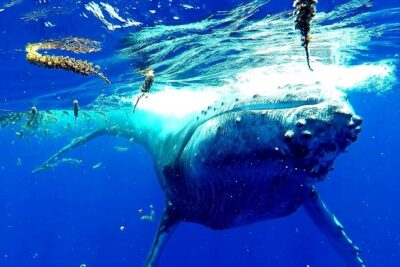
Humpback whale watching and marine life in Moorea
Read our review →
Private tour observing and swimming with humpback whales in Moorea
Read our review →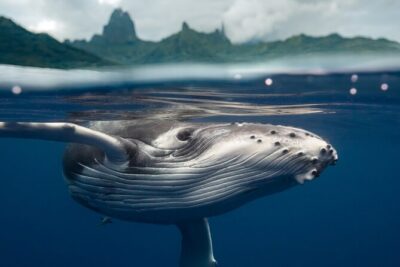
Browse the lists this tour appears in