
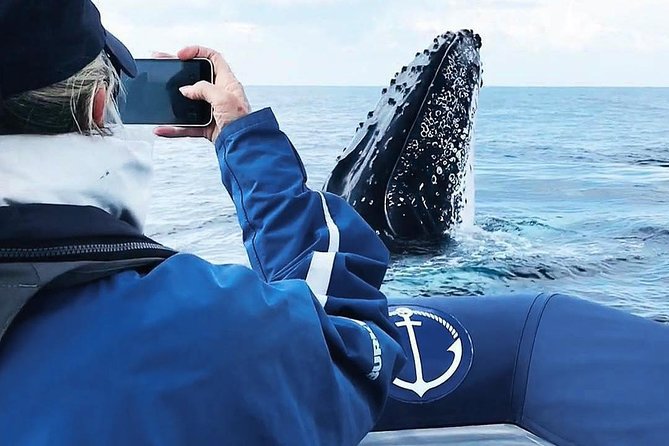
REVIEW · AUSTRALIA WHALE WATCHING TOURS
Premier Whale Watching Byron Bay
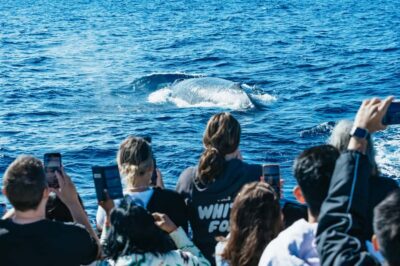
Whales turn a boat ride into a story. This small-group trip follows humpback whales between Ballina and Cape Byron, with a marine biologist explaining their behavior, calls, and migration. I like the maximum group size of 20, which keeps the outing personal, and I like the underwater hydrophone, which lets you listen for whale song below the surface. Free digital photos are another welcome touch.
The main catch is practical but important: the boat leaves from Ballina, not Byron Bay. You must reach Lance Ferris Wharf yourself and arrive 30 minutes early. The sea can also be choppy, and the exact whale action is never under your control. Still, the tour carries a whale guarantee, so you can return for a free trip if no whale is spotted.
Key points at a glance
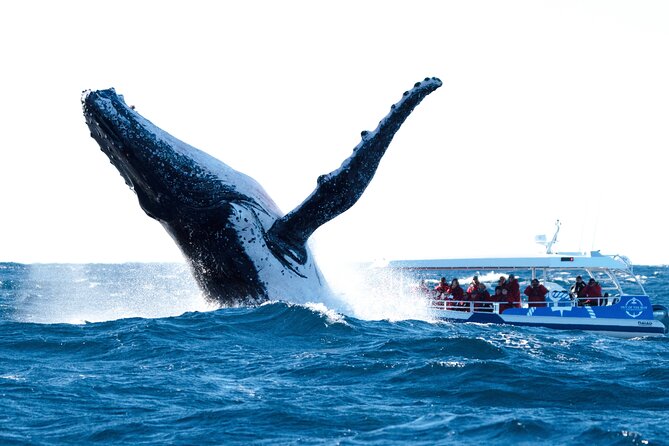
- Whales migrate past Cape Byron from June through November, making this the key season for the trip.
- The actual meeting point is Ballina’s Richmond River, at Lance Ferris Wharf, in front of Wharf Bar & Restaurant.
- A marine biologist provides live commentary, including information about whale behavior and migration.
- The tour uses an underwater hydrophone, so you may hear whale song as well as see the animals.
- The boat carries no more than 20 people, a useful advantage over large sightseeing cruises.
- A whale guarantee protects your booking, with a free return trip if conditions or animal behavior prevent a sighting.
Why this whale trip feels different
Many whale tours amount to a boat ride followed by a lot of waiting. This one puts more emphasis on understanding what you see. The guide explains whale behavior as the boat moves through the Cape Byron Marine Park, helping you make sense of a blow, a tail slap, or a sudden breach.
I especially like that the guide is a qualified marine biologist. The commentary is not just filler between sightings. You learn why whales appear along this coast, how they move during migration, and what their surface behavior may mean.
The hydrophone adds another layer. Humpback whales are often associated with dramatic breaches, but much of their life happens beneath the waves. Listening to their calls gives you something to notice even when the sea is quiet and a whale is only surfacing briefly.
The small boat also matters. With a maximum of 20 people, you have a better chance of seeing the water from a clear position rather than peering over several rows of heads. That does not guarantee a close encounter, and the crew must follow rules around marine animals, but the format feels less like a floating auditorium.
A few more whale watching trips around Australia worth a look
- Sydney: Whale Watching Adventure Cruise
★ 4.2 · 1,790 reviews - Brisbane Whale Watching Cruise from Redcliffe or Sunshine Coast
★ 5.0 · 997 reviews - Freedom 3/4 Day Hervey Bay Premium Whale Watching Cruise
★ 5.0 · 919 reviews
Ballina is the real starting point
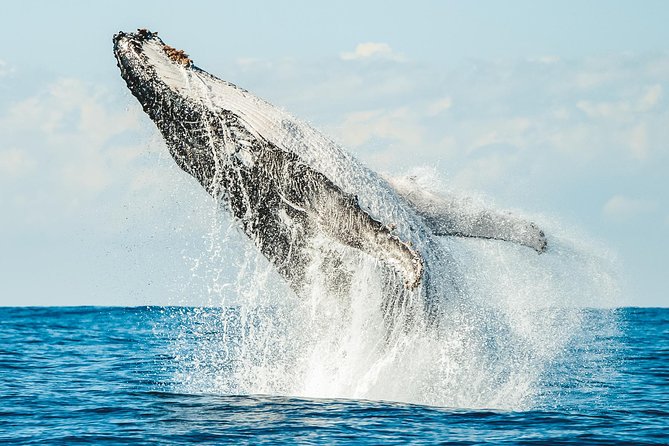
The biggest planning issue is the departure location. The experience is marketed around Byron Bay, but the boat leaves from Ballina’s Richmond River. Meet at Lance Ferris Wharf, directly in front of the Wharf Bar & Restaurant at 12 to 24 Fawcett Street, Ballina.
Allow extra time. Ballina is not a quick walk from central Byron Bay, and transfers from Byron Bay to the wharf are not included. A shuttle or other transport arrangement is worth planning before the morning of your trip. The most useful rule is simple: follow the Ballina wharf address, not just a generic Byron Bay map pin.
Some booking information may display Byron Bay as the meeting area, which can cause confusion. One person arrived at a roundabout in Byron Bay and still needed to get to Ballina, about 30 minutes away. Check the final instructions carefully, then aim to reach Lance Ferris Wharf at least 30 minutes before departure.
At the wharf, the captain greets you and leads you to the vessel. The crew supplies life jackets and waterproof ponchos, followed by a short safety briefing. You then travel briefly along the Richmond River before heading out toward Cape Byron Marine Park.
From the Richmond River to open water
The opening river section gives you time to settle in. It is also useful for getting comfortable with the boat before it reaches the open ocean. The route from the river to the marine park is not a sightseeing stop with a scheduled photo opportunity. Its value is that it moves you efficiently toward the waters where whales are likely to pass.
Once outside, the captain adjusts the route according to whale location. The crew may visit different areas between Ballina and Cape Byron rather than follow one fixed path. That flexibility improves your chances, though it also means the exact outing can vary from day to day.
The setting is a major part of the experience. You are not watching whales in a tank or from a distant shore. You are on the Pacific Ocean, surrounded by changing water, sky, and coastal views. On a calm day, this can feel wonderfully open. On a rougher day, the same openness means more movement.
Whale behavior, breaches, and patient watching
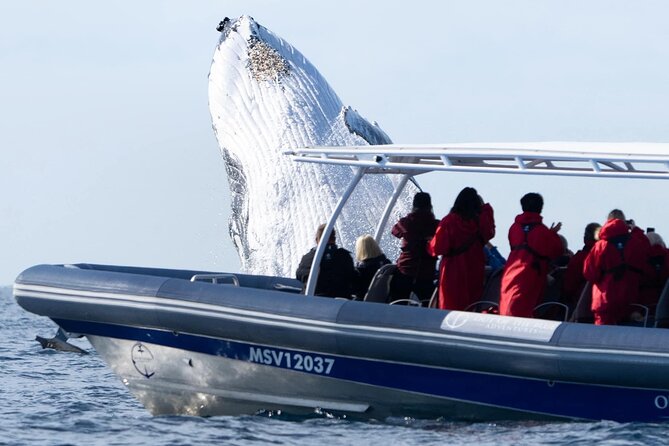
The main target is the humpback whale, which passes this section of coast during its winter migration season from June through November. You might see a whale surface, blow, roll, breach, slap its tail, or travel steadily through the water. You may also see a mother and calf, an especially memorable sight because the pair often move at different speeds and surface intervals.
You should set your expectations carefully. A whale guarantee means the operator expects a sighting, but it does not promise a close breach beside the boat. One outing may bring many active whales and calves. Another may produce a quieter encounter with a mother and young whale surfacing only every several minutes.
That quieter behavior is not a failure of the crew. Marine animals decide where they go and how long they remain at the surface. The boat must also keep a responsible distance under NSW rules. If a whale chooses to approach, the encounter may feel close, but the crew cannot force that moment.
The crew may move to another area if the first sighting is limited. This is one reason the captain and guide matter. Several people had especially good experiences after the crew put extra effort into finding more active whales. Still, the trip remains wildlife watching, not a guaranteed performance.
Same water, a different way to meet them:
- Whale Watching Tour with Spirit of Gold Coast
★ 4.5 · 884 reviews - Sydney Whale-Watching Cruise Including Lunch or Breakfast
★ 4.5 · 878 reviews - Sydney: 2-hour Express Whale Watching Cruise
★ 4.2 · 756 reviews - Spirit of Gold Coast 2.5-Hour Whale Watching Tour
★ 4.2 · 703 reviews
Dolphins, seabirds, and the wider marine park
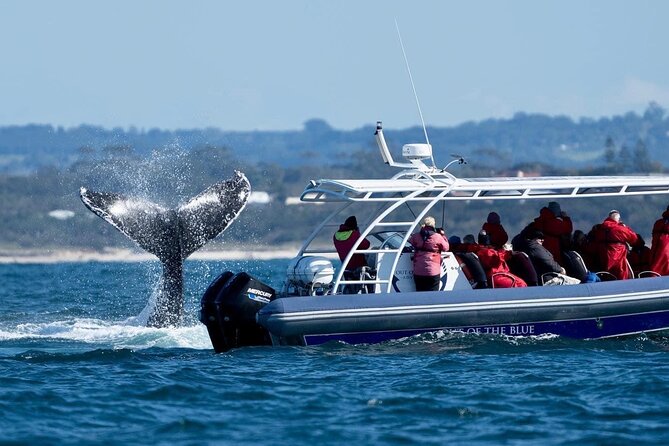
Whales are the headline act, but keep watching between sightings. The tour may also encounter resident pods of dolphins and other marine life and birds. Dolphins can turn an already good outing into a memorable one, especially when they appear near the boat.
The guide’s commentary helps you use the gaps well. Instead of staring at one patch of water in silence, you learn where to look and what signs might reveal a whale nearby. A blow, a change in the water, or a distant splash can suddenly become important.
This is also a good trip for people who like natural encounters more than fixed attractions. The animals are not performing on a timetable. You get the pleasure of searching, spotting, and then watching the crew respond.
How long the outing really lasts
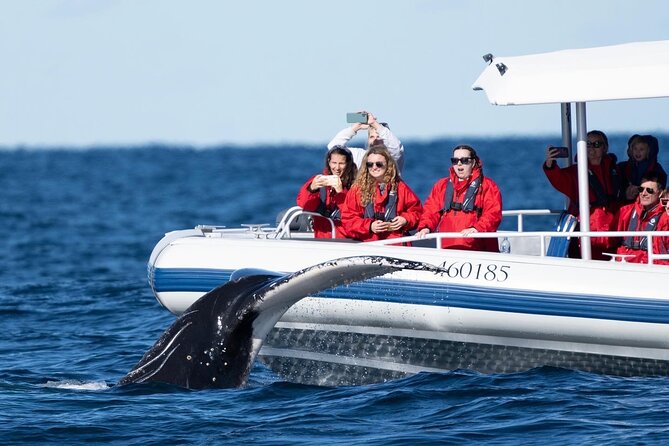
The advertised duration is approximately two hours and 30 minutes. In practical terms, the operator describes about two hours on the water, with arrival 30 minutes before departure for check-in, safety preparation, and equipment.
That distinction is worth knowing if you are planning another activity afterward. The time at the wharf, the safety briefing, the river transit, and the return process all form part of the morning. Do not schedule a tight connection immediately afterward.
The sea conditions can affect how the duration feels. A calm outing may pass quickly because the whale activity keeps your attention. On a rough day, even two hours can feel substantial, especially if you are prone to motion sickness.
Boat comfort, safety, and sea conditions
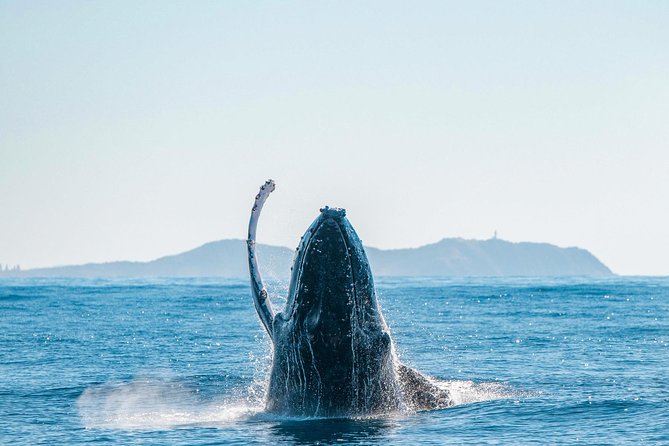
Life jackets and waterproof ponchos are supplied. The poncho is useful because spray is part of an ocean trip, even when the weather looks friendly from shore. Wear practical clothing and shoes that you do not mind getting damp.
The captain gives a safety briefing before departure, and the vessel is described as being of a high standard. The crew also received praise for careful handling and for maintaining a safe distance from whales. That balance matters: the best sighting is not worth disturbing the animal or putting people at risk.
The ocean may be choppy. If you know you get seasick, consider taking motion sickness tablets before boarding, following medical guidance that applies to you. Sit where you feel most stable, keep your eyes on the horizon when needed, and do not wait until you feel ill before taking action.
This is not an ideal choice for very young children. Children must be accompanied by an adult, and the tour is not recommended for children under five. Most other people can participate, but you should be comfortable on a moving boat and able to manage a two-hour ocean outing.
The guides make the difference
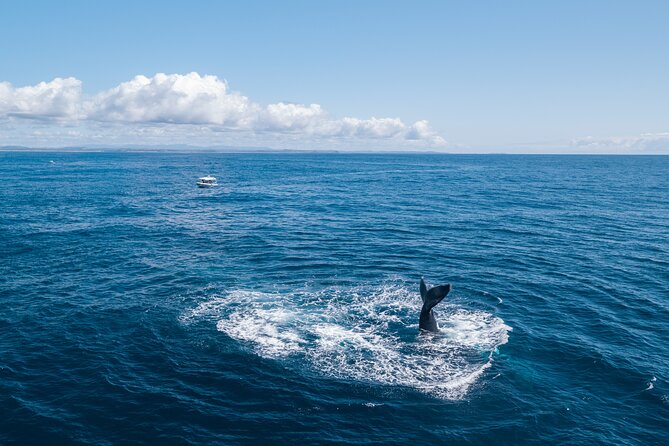
The marine biologist is the heart of the experience. Guides such as Hazel, Emily, and the young marine biologist praised for her clear speaking voice have been singled out for friendly, engaging explanations. Angus has also been praised as a careful driver, while the skippers receive credit for calm, professional handling.
Good guiding changes the way you watch. Instead of simply hoping for a breach, you begin to notice travel patterns, surface intervals, and the difference between a casual splash and a whale moving with purpose. The guide also keeps the commentary going during quieter stretches.
The crew’s attitude is another strength. They are described as welcoming, patient, and willing to keep searching when the first area is slow. One group even received extra help after arriving late, though you should not count on that. Arriving 30 minutes early is still the right plan.
Is $92.52 good value?
At $92.52 per person, this is not the cheapest way to look for whales from the coast, but it offers more than a simple boat transfer. Your price includes live commentary, a qualified marine biologist, life jackets, a waterproof poncho, and free professional photos uploaded digitally.
The small group size strengthens the value. You are paying for an intimate boat trip rather than a large crowd, and the guide’s expertise gives the outing educational value even between sightings. The photos are useful because it is hard to hold a camera steady while watching a whale appear and disappear in seconds.
The whale guarantee also reduces some risk. If no whale is spotted, you can return on a free trip. It does not remove the cost and effort of reaching Ballina, and it does not promise a particular kind of sighting, but it shows confidence in the route and season.
I would call the price fair for a dedicated marine wildlife trip, especially if you value a small group and expert commentary. It is less compelling if you are looking only for a quick, guaranteed photo of a breaching whale.
Best time to book and what to bring
The tour is booked, on average, 17 days ahead, so I would reserve early during the June to November migration season. A 99 percent recommendation rate and a 4.9 rating from 413 ratings suggest strong demand, particularly for good-weather departures.
Bring:
- Sun protection suitable for an exposed boat
- Water and any personal medication you need
- Clothing that can handle spray
- Motion sickness medication if you are susceptible
- A phone or camera, while remembering that free digital photos are included
Arrive at the Ballina wharf 30 minutes before departure. Confirm the date, departure time, and exact address before leaving Byron Bay. This small amount of planning will prevent the most avoidable problem on the trip.
Free cancellation is available when you cancel at least 24 hours before the start time. If poor weather cancels the trip, you can receive another date or a full refund. The same applies if the minimum number of people is not reached.
Who should book this boat trip?
I would choose this experience if you want a serious whale-watching outing with a marine biologist, a small group, and a good chance to learn as you watch. It suits couples, families with older children, photographers, and anyone who would rather spend two hours on the ocean than view whales from land.
It is also a strong choice if hearing whale song appeals to you. The hydrophone gives the trip a feature that many basic whale outings lack.
I would think twice if you dislike rough water, have limited time around Byron Bay, or do not want to arrange your own transport to Ballina. The departure mix-up is the one issue you must solve in advance.
Should you book Premier Whale Watching Byron Bay?
Yes, if you understand that this is a Ballina departure and a genuine wildlife outing. The marine biologist, small boat, hydrophone, free photos, and whale guarantee make the $92.52 fare reasonable. The strongest trips can include several whales, calves, dolphins, and active surface behavior.
Book it with realistic expectations. You may see spectacular breaches, or you may spend time watching a quieter mother and calf while the crew follows responsible viewing rules. Either way, you get a well-run introduction to humpback behavior along the Cape Byron coast, provided you reach the correct wharf and prepare for a moving sea.
FAQ
Where does Premier Whale Watching Byron Bay depart from?
The boat departs from Lance Ferris Wharf on the Richmond River in Ballina, directly in front of the Wharf Bar & Restaurant at 12 to 24 Fawcett Street.
Does the tour depart from Byron Bay?
No. The experience is associated with Byron Bay, but the actual boat departure is in Ballina. Transfers from Byron Bay to the wharf are not included.
How early should I arrive?
You should arrive 30 minutes before your scheduled departure time for check-in, life jackets, waterproof poncho collection, and the safety briefing.
How long does the experience last?
The stated duration is approximately two hours and 30 minutes. The operator describes about two hours on the water, plus the required early arrival and preparation time.
When is whale season for this tour?
Humpback whales pass along this coast during their migration from June through November.
What happens if no whale is seen?
The operator offers a whale guarantee. If you do not spot a whale, you can return for a free trip.
Are life jackets and waterproof clothing provided?
Yes. Life jackets and waterproof ponchos are supplied before departure.
Are photos included?
Yes. Free professional digital photos are uploaded to social media after the experience.
Is the tour suitable for young children?
Children must be accompanied by an adult, and the tour is not recommended for children under five.
What happens if the weather is poor?
The experience requires good weather. If poor weather causes cancellation, you will be offered another date or a full refund.
Just added around Australia
- Wilsons Promontory: Whale Spotting Cruise with Lunch★ 4.9 · 20 reviews
- Noosa: Epic Whale Watching Ocean Kayak Tour & Beach 4X4★ 4.8 · 7 reviews
- Whale Watching Safari Byron Bay★ 4.9 · 39 reviews
- Western Australia: Swim with Humpback Whales★ 5.0 · 20 reviews
- Tweed Heads: Whale Watching Boat Tour★ 4.7 · 30 reviews
- Bremer Bay Orca Experience★ 5.0 · 79 reviews
- Wilsons Prom Whale Cruise★ 5.0 · 104 reviews
- Whale Watching and Wildlife Cruise Townsville and Magnetic Island★ 5.0 · 11 reviews
Australia Whale Watching Tours, compared.
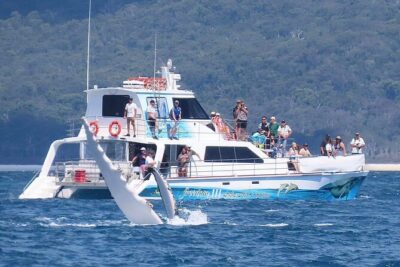
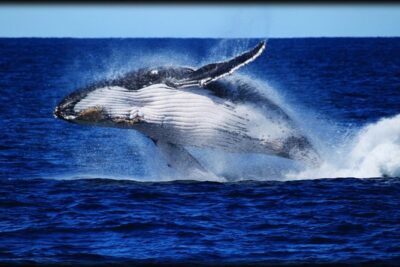
Brisbane Whale Watching Cruise from Redcliffe or Sunshine Coast
Read our review →Freedom 3/4 Day Hervey Bay Premium Whale Watching Cruise
Read our review →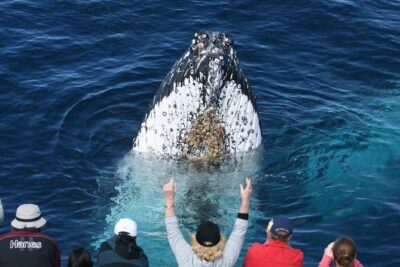

Sydney Whale-Watching Cruise Including Lunch or Breakfast
Read our review →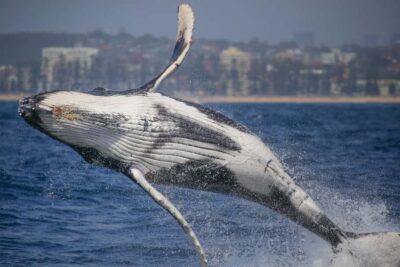
Spirit of Gold Coast 2.5-Hour Whale Watching Tour
Read our review →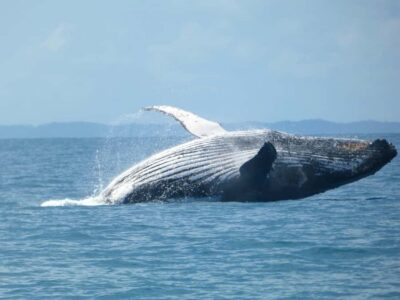
Browse the lists this tour appears in