
REVIEW · SPAIN WHALE WATCHING TOURS
Whale Watching
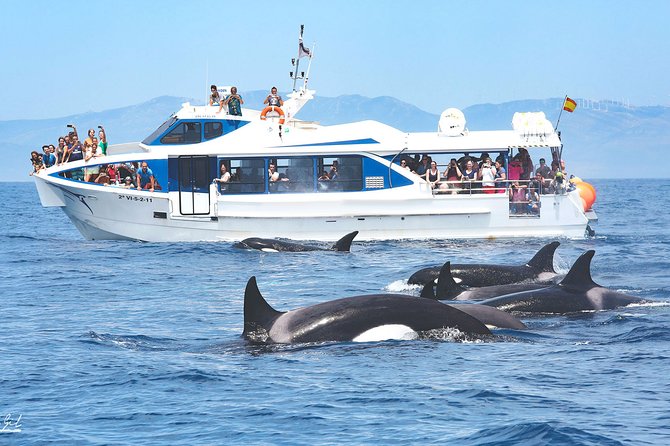
Wildlife comes right up to the boat here. This 2.5-hour trip from Tarifa takes you into the Strait of Gibraltar, where the Atlantic meets the Mediterranean and seven cetacean species pass through. I like the strong sighting record and the chance to see pilot whales, sperm whales, bottlenose dolphins, and their young. I also like the careful approach rules, which put animal welfare ahead of a close photograph.
The main drawback is that this is still a nature trip, not a theater show. Sightings are reported as practically 100 percent, with a second chance offered in the rare event of missing the animals, but wildlife can never be fully controlled. The sea can also be rough, so take seasickness medicine before boarding if you are prone to motion sickness.
Key points before you book
- Seven cetacean species share the Strait of Gibraltar, depending on migration, food, and breeding periods.
- Pilot whales, sperm whales, and bottlenose dolphins have all been seen on successful outings.
- The boat may hold up to 50 people, so you should expect a shared group experience rather than a private cruise.
- The trip lasts about 2 hours and 30 minutes, beginning and ending at Calle Alcalde Juan Núñez in Tarifa.
- English is offered, and guides have explained sightings clearly in English.
- Bring sunscreen, a cap, warm clothing, comfortable shoes, and seasickness medicine if needed.
Why the Strait of Gibraltar is such a good place for whales
Tarifa sits at one of Europe’s most dramatic marine crossroads. The Strait of Gibraltar connects the Mediterranean Sea with the Atlantic Ocean, and its waters attract marine life moving between feeding and breeding areas.
The setting has real ecological importance. The area was declared an International Biosphere Reserve by UNESCO in 2006, a useful reminder that this is not simply a scenic boat ride. You are entering a protected marine environment where the behavior of the animals matters as much as the quality of your photograph.
Seven cetacean species can be found in this part of the sea. Which ones appear depends on the season, migration routes, food supply, and reproduction periods. That variety gives the outing more depth than a simple search for one famous species.
The most exciting possibilities include pilot whales, sperm whales, and bottlenose dolphins. Pilot whales may travel in groups, and seeing adults with young can be especially memorable. Sperm whales offer a different kind of encounter, with their visible spouts and tall tails rising before they disappear beneath the surface.
I would approach this trip with the right goal: not a guaranteed checklist, but a chance to observe wild animals in one of Europe’s busiest marine corridors. The reported success rate is practically 100 percent, which is unusually encouraging. Still, the exact species, distance, and length of each sighting remain up to nature.
A few more whale watching trips around Spain worth a look
- Tenerife: Eco-Yacht Whale and Dolphin Watching and Swimming
★ 4.7 · 15,619 reviews - Los Cristianos Respectful No-Chase Whale and Dolphin Safari
★ 4.6 · 12,782 reviews - Costa Adeje: Whale & Dolphin Eco-Cruise with Snacks & Drinks
★ 4.6 · 5,096 reviews
From Calle Alcalde Juan Núñez to open water
The meeting point is on Calle Alcalde Juan Núñez in Tarifa, Cádiz. The activity returns to this same point, so you do not need to arrange a separate ride back from another harbor.
The available operating hours are listed from 9:00 a.m. to 3:00 p.m., Monday through Sunday, during the stated 2026 and 2027 operating periods. Your specific departure time matters, so check it carefully when booking. The supplied schedule covers April 1 through October 15, 2026, and March 14 through October 30, 2027.
Once aboard, you have roughly two and a half hours on the water. That is enough time to search a useful section of the Strait, but it is not an all-day expedition. I like this length for a holiday schedule because it leaves room for lunch, Tarifa’s old town, or another activity afterward.
The boat can carry a maximum of 50 people. That is a reasonable limit for a wildlife trip, though it is still large enough that you may need to move around or find a clear viewing position when animals appear. One advantage is that the boat has allowed people to change position and see a pod from different angles.
What the search for wildlife is really like
A whale-watching outing is not a straight trip from the harbor to one fixed viewing point. The captain and guide search the water, watch for blows and movement, and adjust the route as conditions change.
That searching is part of the experience. You may spend quiet stretches scanning the sea before a fin, blow, or group of dolphins suddenly changes the mood on board. The most useful skill on this type of trip is patience. Keep watching the water rather than expecting constant action.
The captain has been praised for spotting whales and dolphins, while the guide explains what you are seeing. English commentary is available, which helps you understand the difference between a dolphin group, a pilot whale pod, and a sperm whale sighting.
Past outings have included pilot whales with babies, bottlenose dolphins swimming very close to the boat, and sperm whales raising their tails before going below the surface. Those are remarkable encounters, but they should not be treated as a promised sequence. The operator’s near-100-percent success claim means that some cetacean sighting is highly likely, not that every trip will produce every species.
The most important rule is simple: the animals are in charge. The boat should approach cautiously and follow the distances, direction, and speed required by Spanish law and ACCOBAMS regulations. If the animals show any sign of disturbance, the boat moves away.
That policy is worth your attention. A close animal is exciting, but the best trip is one that lets you watch without forcing contact. The occasional bottlenose dolphin that chooses to swim near the boat is far more meaningful than an encounter created by chasing it.
The animals you may see
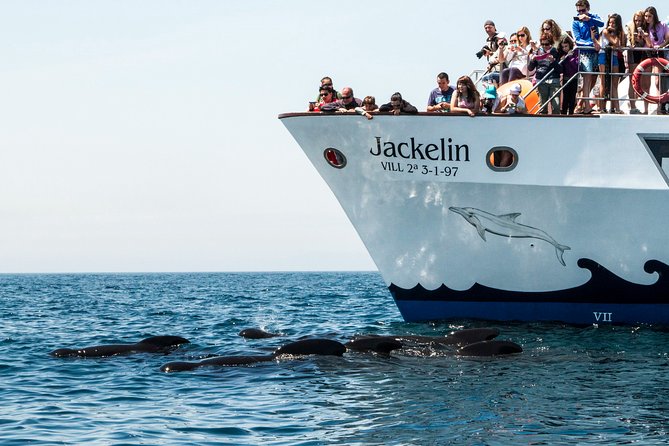
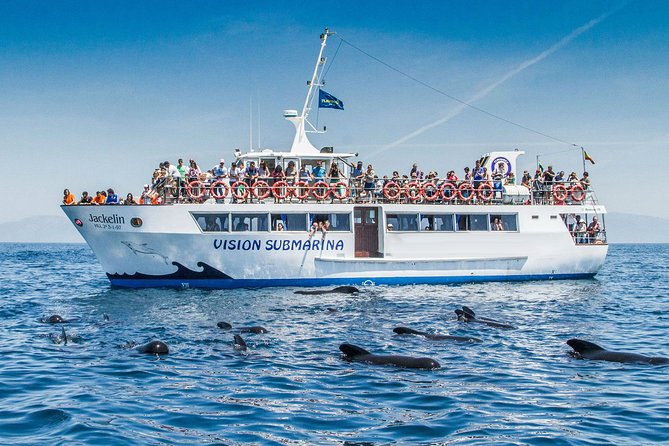
Pilot whales are among the most realistic highlights. One outing included a pod with babies, allowing people to move around the boat and view the group from several angles. A pod encounter can feel more substantial than a single passing animal because you can watch the group’s movement and social pattern.
Bottlenose dolphins may provide the quickest action. They can approach the boat and swim alongside it. If that happens, you may hear them breathe, an unusually intimate detail that makes the sighting feel real rather than distant.
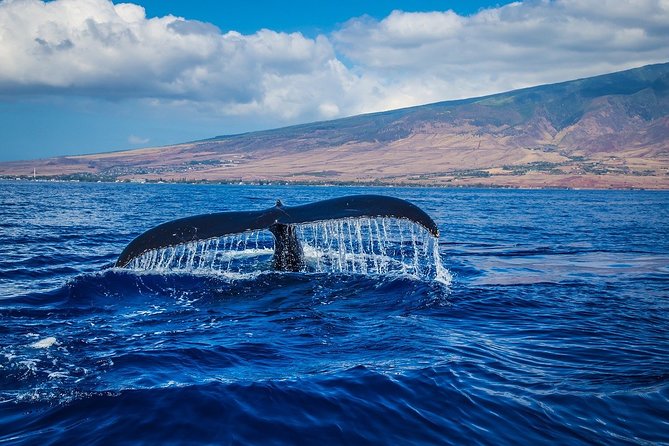
Sperm whales are a different sort of prize. Their spouts can reveal their position, and their tails may rise high as they head below the surface. A tail lift can last only a moment, so keep your camera ready, but do not spend the whole trip looking through a screen.
The wider list of seven cetacean species adds an element of surprise. The mix changes with migration, feeding, and breeding patterns. You are not simply visiting a tank with a fixed collection of animals. You are watching a living marine route with changing conditions.
Same water, a different way to meet them:
- Los Gigantes: Dolphin & Whale Watching Cruise with Swim Stop
★ 4.7 · 4,539 reviews - Morro Jable: Dolphin & Whale Watching Cruise, Drinks & Swim
★ 4.1 · 4,158 reviews - From Morro Jable: Dolphin and Whale Watching and Snorkelling
★ 4.6 · 3,687 reviews - Costa Adeje: Whale Watching Catamaran Tour with Drinks
★ 4.7 · 3,653 reviews
Responsible watching and the rules on board
Several restrictions are in place for good reason. You may not feed the animals, throw anything into the sea, scream at them, or run around the boat.
These rules also help keep the boat safe. Running on a moving vessel is risky, and shouting can disturb both wildlife and other people trying to watch. Keep your belongings secure, especially water bottles. One passenger reported two bottles falling overboard and rightly pointed out that repeated small losses become a serious plastic problem.
Put bottles inside your bag when you are not drinking. Do not leave them rolling on the deck, especially when people stand up or the boat shifts with the waves. This is a small habit that protects the sea you came to see.
The crew is expected to follow Spanish legislation and ACCOBAMS regulations concerning distance, direction, and speed. If the animals show disturbance, the boat leaves the area. I consider this a strong part of the trip’s value because it teaches you to see wildlife without treating it as a performance.
Sea conditions, clothing, and seasickness
Tarifa’s marine position can mean changing conditions. Bring sunscreen and a cap, even if the day begins cool. Also bring a coat or other warm layer, because the boat can feel colder than the harbor once it is moving.
Comfortable shoes are recommended. You will be on a boat for about two and a half hours, and secure footwear makes it easier to move safely when the deck shifts.
Seasickness deserves serious attention. Several people became ill on one return journey, while those who took a remedy beforehand had no trouble. If you know you are sensitive to motion, take your usual seasickness medicine before the trip rather than waiting until symptoms begin.
The practical lesson is clear: pack for sun, wind, and motion. A small bag with water secured inside, sunscreen, a hat, a coat, and any needed medicine will serve you better than a large collection of loose items.
Price and what you receive for $69.77
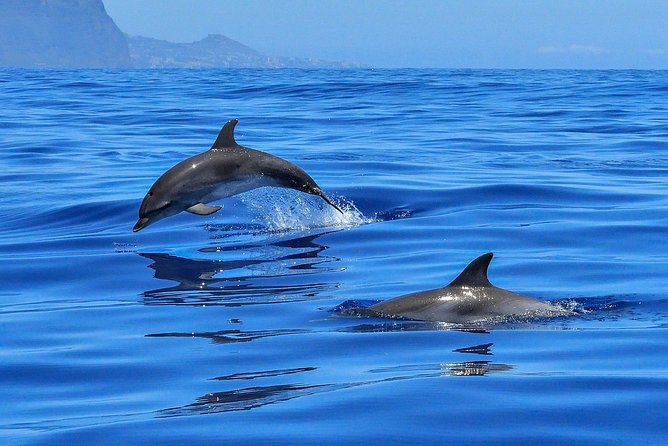
The listed cost is $69.77 per person. For a 2.5-hour marine wildlife outing in a UNESCO-recognized biosphere area, the price can make sense if you value the location, the guide, and the strong chance of seeing cetaceans.
You are paying for more than transportation across the water. The experience includes a captain searching for wildlife, a guide identifying what appears, and an operation that follows rules intended to limit disturbance. Seeing several species, especially pilot whales with young or sperm whales lifting their tails, can make the cost feel worthwhile.
Still, check the final amount before payment. One passenger reported paying about 14 euros more per booking than an advertised 40-euro entry price, with a final charge of 54 euros. That may reflect a booking fee, a different rate, or changing prices, but it is a useful warning to compare the displayed base rate with the total checkout cost.
The price is easiest to justify for someone who has set aside money for a special wildlife outing. If you only want a short boat ride or a general view of the Strait, you may find it expensive. If the animals are your main reason for visiting Tarifa, the strong sighting record gives it better value.
Who will enjoy this trip most
I would recommend this outing to families, couples, and solo visitors who are happy to spend time watching rather than demanding constant entertainment. Most people can participate, and service animals are allowed.
It also suits anyone interested in responsible wildlife watching. The rules are not decoration. They shape the way the encounter happens, and they require you to accept that the captain may move away when an animal seems disturbed.
Children may enjoy the dolphins and whales, but adults should explain the no-running and no-shouting rules before boarding. The maximum group size of 50 means this is not a quiet private charter, so families should stay aware of where children are standing.
This trip is less suitable for anyone who dislikes open water or struggles with boat motion. It is also a poor choice if you need a guaranteed close-up photograph of a specific species. Nature decides the details.
Booking timing and cancellation protection
The experience is booked an average of 26 days ahead, so I would not leave it until the last moment during a busy visit. That is especially sensible if you have only one free morning in Tarifa.
You can cancel without charge up to 24 hours before the start time for a full refund. Changes made less than 24 hours before departure are not accepted, and late cancellations are not refunded.
The trip requires good weather. If poor weather causes cancellation, you are offered another date or a full refund. The same applies if the minimum number of participants is not reached. Because sea conditions matter, I would schedule this early enough in your Tarifa stay to leave room for a second attempt.
My verdict: should you book it?
I would book this whale-watching trip if marine life is high on your list and you can accept a shared boat, changing sea conditions, and wildlife on its own schedule. Pilot whales, bottlenose dolphins, and sperm whales have all appeared, and the English guide service makes the sightings easier to understand.
The strongest reasons to go are the Strait’s important position, the very high chance of seeing cetaceans, and the responsible approach rules. The main cautions are seasickness, the possible final-price difference, and the fact that no operator can promise a particular species.
Take medicine if needed, dress for wind and sun, secure every bottle, and keep your eyes on the water. If that sounds like your kind of afternoon, $69.77 can buy a memorable look at wild animals in one of Europe’s most interesting marine passages.
FAQ
Where does the whale-watching trip start?
It starts at Calle Alcalde Juan Núñez, 11380 Tarifa, Cádiz, Spain.
Where does the activity end?
The trip ends back at the meeting point in Tarifa.
How long does the whale-watching experience last?
The experience lasts approximately 2 hours and 30 minutes.
What animals might I see?
The Strait contains seven cetacean species. Sightings can include whales and dolphins, with pilot whales, sperm whales, and bottlenose dolphins specifically seen on outings.
Is wildlife sightings guaranteed?
The success rate is described as practically 100 percent on all departures. If the animals are not seen on the first attempt, a second chance is offered in the rare event of a missed sighting.
Is the tour offered in English?
Yes. English is one of the offered languages, and the guide provides information in English.
How many people can join the boat trip?
The maximum group size is 50 people.
What should I bring?
Bring sunscreen, a cap, a coat, and comfortable shoes. If you are prone to seasickness, take a suitable remedy before boarding. Keep water bottles secured inside your bag.
Can I cancel for a refund?
Yes. You can cancel at least 24 hours before the start time for a full refund. Poor weather or failure to meet the minimum number of participants may also result in an alternative date or a full refund.
Just added around Spain
- Tenerife Whale Watching and Snorkeling Yacht Trip★ 4.5 · 162 reviews
- Whale watching and snorkelling in the whale sanctuary★ 5.0 · 14 reviews
- Whale & Dolphin Watching With Mustcat Virgin Coast Trip On a Large Catamaran★ 4.0 · 3 reviews
- Whales and Dolphins excursion on a Luxury Yacht in Canary Islands★ 5.0 · 93 reviews
- Whale and Dolphin Watching EcoAdventure in Tenerife★ 5.0 · 78 reviews
- Whale & Dolphin Watching in Tenerife (Puerto Colon) On a Large Catamaran★ 4.0 · 12 reviews
- Whale & Dolphin Watching Boat Trip in Tenerife On a Sailing Boat (3 Hr)★ 3.5 · 10 reviews
- Whale Watching Catamaran to Los Gigantes & Masca (Including drinks & warm lunch)★ 4.0 · 55 reviews
Spain Whale Watching Tours, compared.
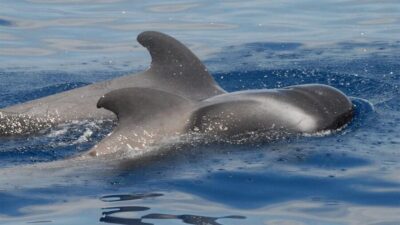
Tenerife: Eco-Yacht Whale and Dolphin Watching and Swimming
Read our review →
Los Cristianos Respectful No-Chase Whale and Dolphin Safari
Read our review →
Costa Adeje: Whale & Dolphin Eco-Cruise with Snacks & Drinks
Read our review →Los Gigantes: Dolphin & Whale Watching Cruise with Swim Stop
Read our review →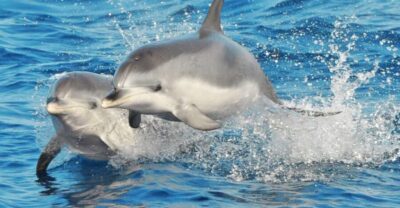
Morro Jable: Dolphin & Whale Watching Cruise, Drinks & Swim
Read our review →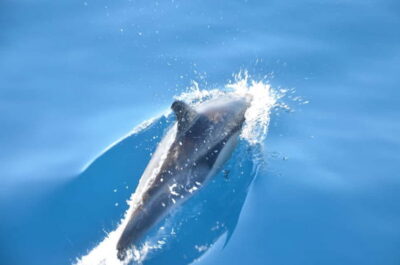
From Morro Jable: Dolphin and Whale Watching and Snorkelling
Read our review →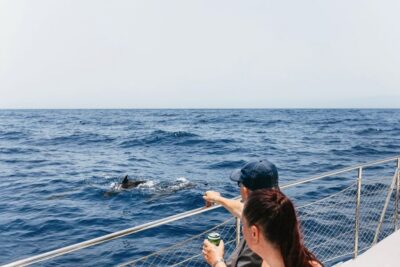
Costa Adeje: Whale Watching Catamaran Tour with Drinks
Read our review →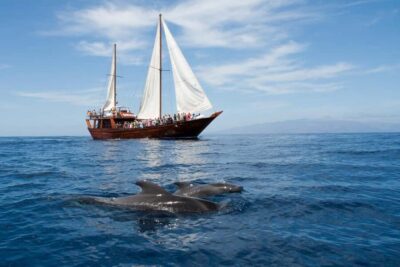
Tenerife: Whale & Dolphin Watching Cruise with Swim Stop
Read our review →Browse the lists this tour appears in