
REVIEW · WHALE WATCHING CRUISES IN OAHU
Whale Watch Cruise Aboard The Majestic
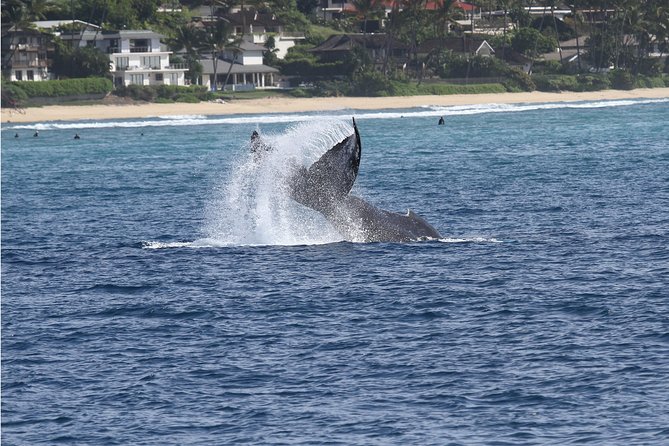
Whales make even a rough sea worthwhile. This 2.5-hour cruise takes you from Honolulu into the NOAA whale sanctuary in Maunalua Bay, with wide views of Diamond Head, Waikiki Beach, and the Honolulu skyline along the way. I like the large, comfortable boat and the chance to move between air-conditioned indoor areas and outdoor viewing decks.
I also like the naturalist commentary, which gives the search some purpose instead of leaving you to stare at empty water. The main drawback is simple: whales are wild animals, and sightings can range from several pods and breaches to one distant spout or nothing clearly visible. The free return cruise helps, but only if your schedule allows another outing.
The Majestic by Atlantis Cruises charges about $85.09 per person and limits the boat to 200 passengers. That makes this a good fit if you want a stable, roomy platform rather than a small, quick-moving vessel. It is less ideal if your only goal is the closest possible whale encounter.
Key points to know before booking
- Seasonal humpback sightings: Whale watching takes place during Hawaii’s winter migration season, with especially strong reports from January through March.
- A free second chance: If the naturalist does not spot a whale, you receive a complimentary return whale watch cruise.
- Room to spread out: The three-level Majestic offers indoor air conditioning, outdoor viewing areas, and space to move when activity is called.
- Strong naturalist presence: Guides explain humpback biology and behavior while directing passengers toward sightings.
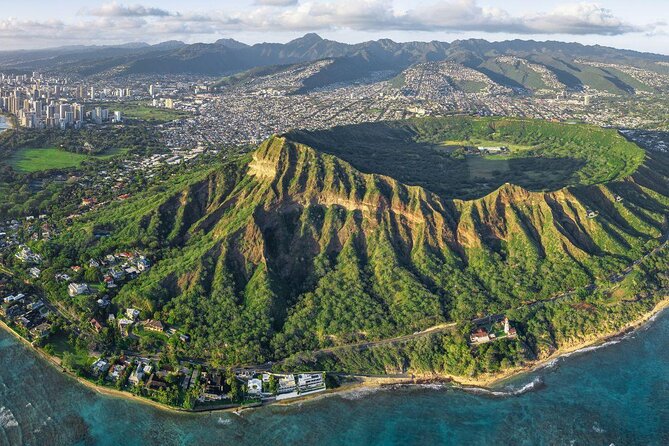
- Honolulu harbor views: The route includes Diamond Head, Waikiki Beach, Aloha Tower, and the city skyline.
- Comfort comes with a tradeoff: A bigger vessel handles rough conditions better for some people, but whales may appear farther away than they would from a small boat.
Starting at Pier 6 beside Aloha Tower
The cruise begins at the Majestic by Atlantis Cruises, 301 Aloha Tower Drive at Pier 6 in Honolulu. This is a central waterfront departure point near public transportation, and the Aloha Tower Marketplace gives you an easy landmark for finding the dock.
The scheduled start time is 11:30 a.m., and the cruise ends back at the same place after roughly two and a half hours. Allow extra time to find parking and reach the pier. The adjacent parking area has narrow spaces, so a large rental car may take patience. Atlantis provides updated parking and rideshare information online, which is worth checking before you set out.
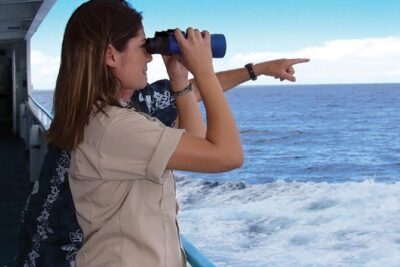
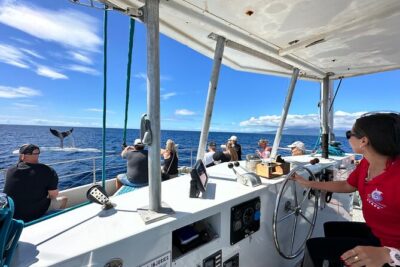
Once aboard, you can choose among several areas. The air-conditioned interior is useful when the sun feels strong or the wind picks up. Outdoor decks give you the best chance of spotting a blow or breach, but you may want to move inside between sightings, especially on a windy day.
The boat can hold up to 200 passengers. That is not an intimate outing, but it does mean you are not packed onto a small craft with one fixed viewing position. You can change sides, move between decks, and find a better angle when the naturalist calls out activity.
More Whale Watching Cruises in Oahu
- Early Bird Whale Watching Cruise from Waikiki
★ 4.5 · 202 reviews - Honolulu, Oahu: Waikiki Whale Watching Cruise
★ 3.5 · 166 reviews - Whale Watching & Late Breakfast Cruise in Honolulu
★ 4.0 · 161 reviews
Why the large boat can be a good choice
I would choose the Majestic for comfort first, whale watching second. The size gives you more seating, indoor shelter, bathrooms and amenities on multiple decks, plus the option to step outside when the action begins.
That matters on a two-and-a-half-hour cruise. A small boat can feel exciting, but it can also mean more spray, more wind, and fewer places to escape the sun. Several passengers have particularly praised the vessel’s room, air conditioning, and general comfort. Families also have access to coloring pages, word searches, and whale-watching binoculars for children, according to the onboard experience described by previous passengers.
The drawback is distance. A large vessel may not approach whales as closely as a smaller craft, and captains must follow rules designed to protect the animals. Even if you see frequent blows, flukes, or splashes, they may be some distance away.
The best attitude is to treat the cruise as wildlife watching, not a marine theme park ride. The captain can search, reposition, and point the bow toward activity, but no crew can order a whale to breach beside the boat.
Leaving Honolulu with Diamond Head in view
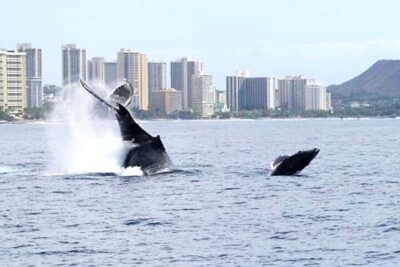
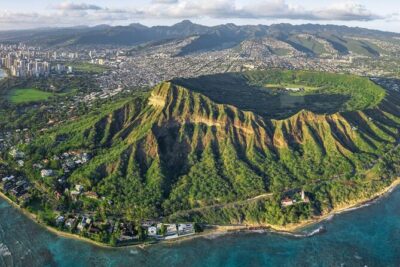
As the Majestic leaves the harbor, the scenery begins before the whale search does. Diamond Head gives you a recognizable volcanic landmark on the east side of Waikiki, and the view changes as the boat moves offshore.
This is one of the cruise’s quiet strengths. Even during a slow period for whales, you are not spending the entire time looking at featureless ocean. You get a different angle on Honolulu, Waikiki’s beachfront buildings, and the coastline that most people see from land.
The route also offers views of Aloha Tower and the Honolulu skyline. The itinerary describes sunset views, but the listed departure time is 11:30 a.m., so you should not book this particular departure expecting an evening sunset. Think of the city views as part of the cruise rather than the main event.
If you enjoy taking photographs, keep your camera ready as you leave the harbor. Diamond Head and Waikiki are easier to frame from the water than from a crowded beach or roadside viewpoint.
Searching Maunalua Bay for humpback whales
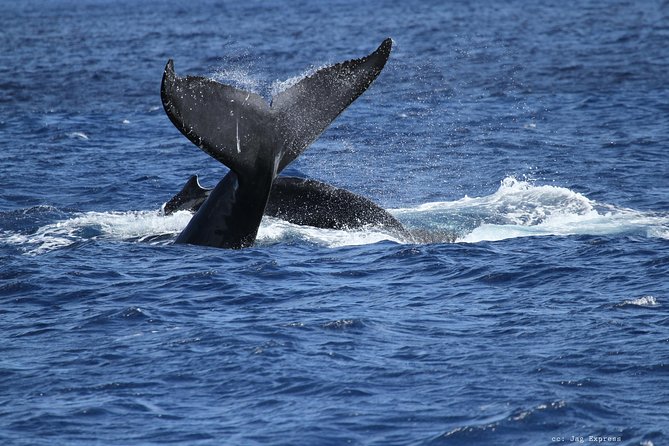
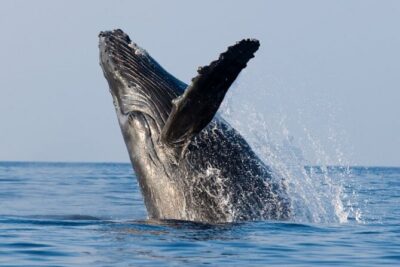
The main search takes place in the NOAA whale sanctuary of Maunalua Bay. During Hawaii’s humpback season, these whales migrate to warm Hawaiian waters, where they mate, give birth, and care for calves.
The naturalist explains whale biology and behavior throughout the trip. This is important because much of whale watching involves waiting. A guide can help you understand why a whale surfaces, what a blow looks like, and why a tail or distant splash still matters.
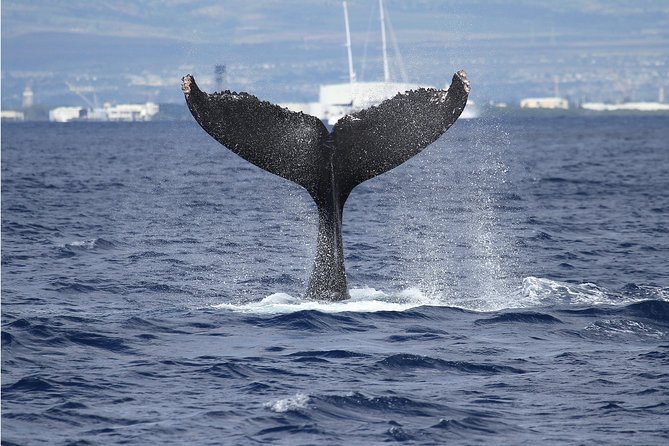
The naturalist also directs attention when something appears. On productive outings, the boat may encounter several pods, a mother and calf, or repeated breaches. One particularly memorable report described three separate pods, a very young calf, and a green sea turtle. Other outings have included multiple breaches close enough for passengers to hear the blow.
But the range of results is wide. Some people see a dozen sightings, while others see only two distant whales. A few outings have produced no confirmed whale sighting at all. Rough seas and high winds can make distant animals harder to see, and bad conditions may leave you cold, wet, or uncomfortable even when the crew is doing its job.
Bring patience. You may spend long stretches scanning the water before a small puff appears. If you expect constant breaches, you risk disappointment. If you value the setting, the teaching, and the possibility of a sudden wildlife moment, the cruise makes more sense.
More Whale Watching Cruises in the USA
- 2 Hour Waikiki Whale Watching Cruise from Oahu
★ 4.5 · 139 reviews - Sea Safari, Dolphins, Turtles and Waikiki Cruise
★ 3.5 · 124 reviews - Oahu: Waikiki Eco-Friendly Morning Whale Watching Cruise
★ 4.4 · 119 reviews - Waikiki Whale Watching Cruise with Snack & Trolley Transportation
★ 5.0 · 62 reviews
Wildlife beyond the whales
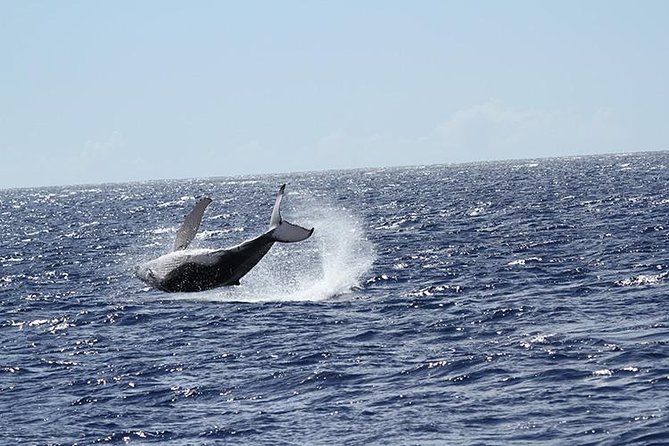
Humpbacks are the reason to book, but they are not the only animals you might see. The crew keeps an eye out for Hawaiian green sea turtles and Hawaii spinner dolphins.
These sightings are not promised, and they do not replace the whales if whales are your main goal. Still, a turtle surfacing or a group of dolphins appearing near the boat can turn a quiet stretch into a useful bonus.
The naturalist’s role matters here. Without guidance, you might miss a distant turtle or mistake a dolphin’s movement for a wave. Keep watching the water even when the whale search is slow.
Naturalist commentary and live music
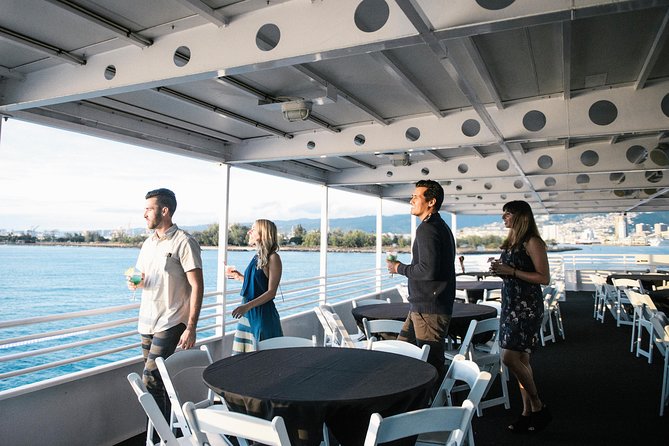
The onboard naturalist is one of the strongest parts of this outing. The commentary covers humpback biology and behavior, and guides such as Bill have been singled out for clear, lively explanations. A good naturalist keeps passengers alert without making the experience feel like a classroom.
The crew also receives praise for being friendly, attentive, and helpful. Casey has been noted for making passengers feel welcome, while other reports describe a professional crew that kept the experience smooth from boarding through the return to Pier 6.
Some sailings include live Hawaiian music from a solo performer using guitar and, at times, ukulele. This music fills the quiet periods without necessarily taking over the trip. It is a pleasant touch, especially when whales are taking their time.
There is also a photographer associated with the boat, and photos may be offered for purchase or emailed to you. If you prefer to take your own pictures, you can skip that extra cost. One negative account described the photo sales as too pushy, so do not feel obliged to buy anything after the cruise.
Food, drinks, and alcoholic beverages are available for purchase. They are not included in the ticket price. A drink can be welcome on a long cruise, but factor the extra cost into your budget rather than assuming the $85.09 fare covers refreshments.
What the $85.09 price really buys
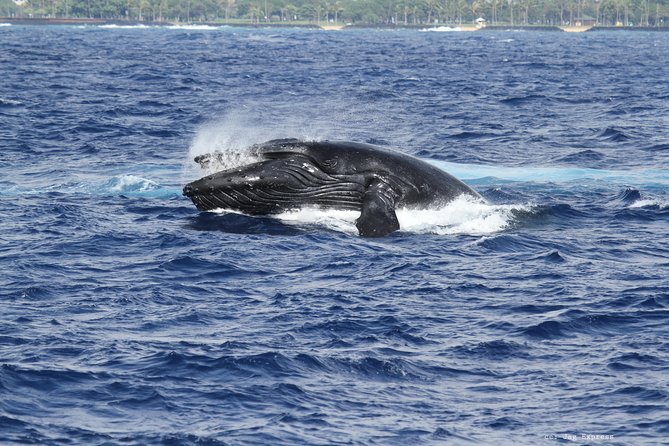
At about $85.09 per person, this is not the cheapest way to look for whales in Hawaii. The value depends on what you want from the outing.
You are paying for roughly 2.5 hours on the water, a large vessel, indoor and outdoor viewing areas, naturalist commentary, scenic Honolulu views, and the protection of a free return cruise if no whale is spotted. For a first-time visitor who wants a simple departure from Waikiki or downtown Honolulu, that is a fair package.
The boat’s size also adds value for families, older passengers, and anyone who prefers stability and space. You can sit inside, move around, and step outdoors when the crew spots activity. That flexibility is harder to get on a tiny open boat.
The value drops if you want a small-group wildlife trip or close photography. A large boat can carry more people, and whale sightings may look more distant from the deck. Food, alcohol, and optional photographs cost extra, so the final price can rise.
The guaranteed whale policy should also be understood correctly. It means a complimentary return cruise if the naturalist does not sight a whale. It does not promise close whales, breaching whales, or a particular number of sightings. If you are leaving Oahu soon, the guarantee may have little practical value.
Weather, wind, and seasickness
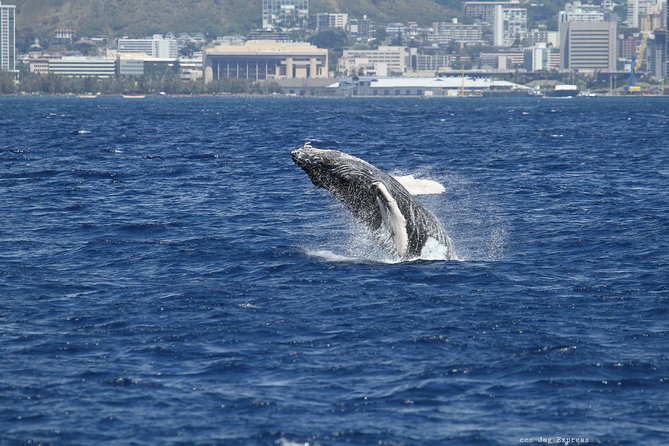
This experience requires good weather. If the operator cancels because of poor conditions, you can choose another date or receive a full refund. That policy protects you from losing money when the ocean is unsafe or unsuitable.
Weather can still change during an operating cruise. One outing was described as cold, windy, and rough, while another passenger felt the boat should have been canceled because of high winds. A large vessel may feel more secure than a small one, but it will not make rough seas disappear.
If you get seasick, choose your position carefully and stay aware of how the conditions affect you. The supplied information does not specify a particular seating area as best for motion, so ask the crew for practical advice when you board. On rough days, the indoor area may be more comfortable, but outdoor viewing is where you will have the clearest sightline.
Wear layers. Hawaii may feel warm at the pier, while the open water can be windy. Sunglasses and sun protection are sensible, and a phone or camera should be secured when you move onto an outside deck.
Who should book the Majestic?
This cruise suits you if you want:
- A roomy boat with both indoor and outdoor areas
- A straightforward whale-watching trip from Honolulu
- Scenic views of Diamond Head, Waikiki, and the skyline
- Naturalist explanations rather than a silent search
- A family-friendly outing with activities for children
- A second chance if no whale is sighted
It may not suit you if you want a small boat, a quiet expedition, or guaranteed close encounters. It is also a weaker choice if your schedule is too tight to use the free return cruise after a no-sighting outing.
The cruise works well for couples, families, solo passengers, and groups. The large vessel gives everyone more room than a compact craft, while the music and onboard service keep the trip pleasant during quiet stretches.
Booking, cancellation, and practical timing
This experience is often booked well in advance, with an average booking lead time of about 46 days. That suggests planning ahead during the popular whale season, particularly if you have only one open morning in Honolulu.
You receive confirmation at booking, and most people can participate. The activity is near public transportation, and it begins and ends at Pier 6. Free cancellation is available up to 24 hours before the 11:30 a.m. start time. Cancellations or changes made within 24 hours are not refunded.
Since the cruise lasts about two and a half hours, avoid scheduling a tight lunch reservation, airport transfer, or other fixed activity immediately afterward. Add time for disembarking and getting back to your car or rideshare.
Should you book the Majestic whale watch cruise?
I would book it if you want a comfortable, easy-to-reach whale cruise with strong onboard commentary and a little extra scenery. The boat, crew, naturalist talks, and free return policy make the $85.09 fare reasonable, especially for families or anyone who does not want a cramped open vessel.
I would not book it expecting guaranteed close whales. Sightings can be spectacular, with pods, calves, turtles, and repeated breaches, but they can also be distant or absent. The Majestic gives you a well-organized chance, not control over nature.
Book during the main humpback season if whales are your priority, leave room in your schedule for a return trip, and bring layers for wind. If you can accept the uncertainty, this is a pleasant way to see Oahu from the water and one of the better large-boat options from Honolulu.
FAQ
Where does the whale watch cruise depart?
It departs from the Majestic by Atlantis Cruises at 301 Aloha Tower Drive, Pier 6, Honolulu, Hawaii. The cruise returns to the same meeting point.
What time does the cruise start?
The listed start time is 11:30 a.m. The experience lasts approximately 2 hours and 30 minutes.
What happens if no whale is seen?
If the naturalist does not sight a whale during the cruise, you receive a complimentary return whale watch cruise.
Is the cruise available in languages other than English?
The experience is offered in English.
Are food and drinks included?
Food, drinks, and alcoholic beverages are not included in the ticket price. Alcoholic drinks are available to purchase onboard.
Can I cancel for a full refund?
Yes. You can cancel at least 24 hours before the start time for a full refund. Cancellations or changes made less than 24 hours before departure are not refunded.
Just added around Oahu
- Oahu: Waikiki Eco-Friendly Morning Whale Watching Cruise★ 4.4 · 119 reviews
- West Oahu: Eco-Friendly Whale Watching Cruise★ 4.5 · 40 reviews
- Oahu: Waikiki Eco-Friendly Afternoon Whale Watching Trip★ 4.5 · 60 reviews
- 2 Hour Waikiki Whale Watching Cruise from Oahu★ 4.5 · 139 reviews
- Waikiki Whale Watching Cruise with Snack & Trolley Transportation★ 5.0 · 62 reviews
- Whale Watching and Sunrise Breakfast Cruise in Honolulu★ 3.0 · 13 reviews
- Moana’s Waikīkī Whale Watching Exploration★ 4.5 · 49 reviews
- Private Whale Watching Safari from North Shore Oahu★ 5.0 · 3 reviews
Whale Watching Cruises in Oahu, compared.
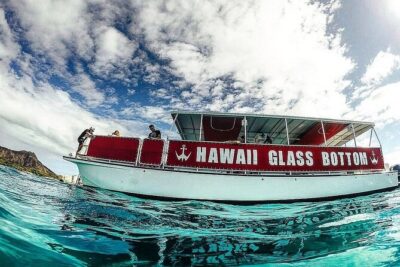
Sea Safari, Dolphins, Turtles and Waikiki Cruise
Read our review →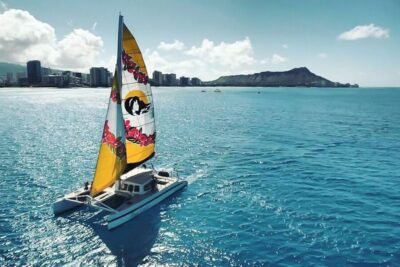
Oahu: Waikiki Eco-Friendly Morning Whale Watching Cruise
Read our review →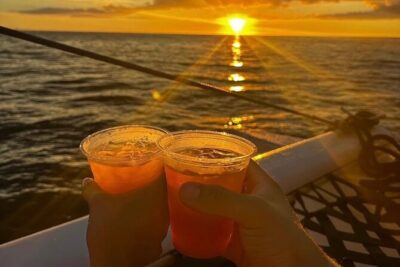
Waikiki Whale Watching Cruise with Snack & Trolley Transportation
Read our review →Browse the lists this tour appears in