
REVIEW · WHALE AND DOLPHIN WATCHING TOURS IN SPAIN
Tarifa: Whale & Dolphin Watching in the Strait of Gibraltar
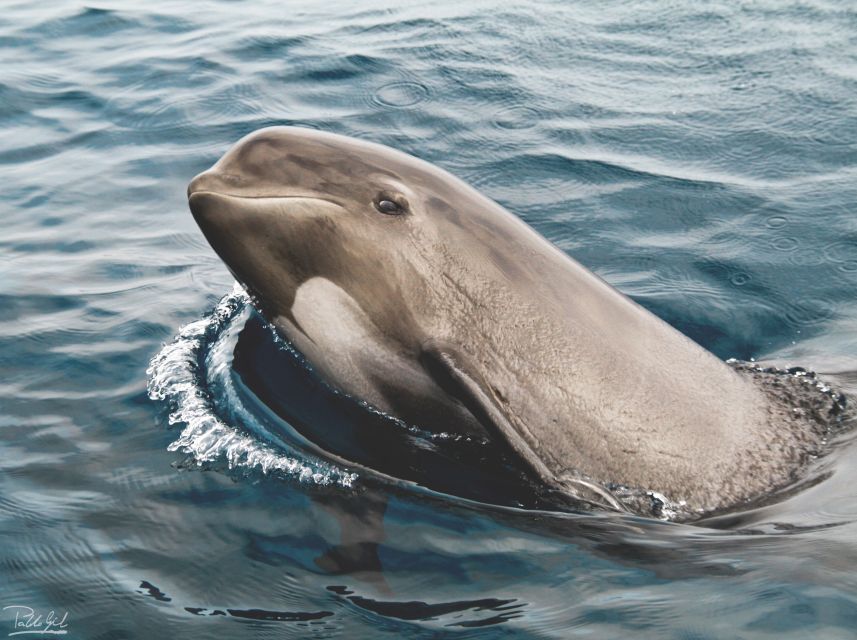
Whales may appear after an hour of empty sea. This two-hour cruise from Tarifa takes you into the Strait of Gibraltar, a UNESCO international biosphere reserve where dolphins and whales cross busy migratory routes. I like the high chance of seeing cetaceans and the crew’s clear respect for Spanish and ACCOBAMS wildlife rules. I also like the broad views toward the Spanish and Moroccan coasts, although rough water can make the boat roll and wildlife never follows a timetable.
The $53 price is fair for a two-hour sailing trip with a guide, especially when you see pilot whales swimming close to the vessel. The main catch is that the shorter cruise may not suit you if your chief goal is a particular whale species. One past passenger felt the longer three-hour option gave better whale-spotting chances.
Key points before you book
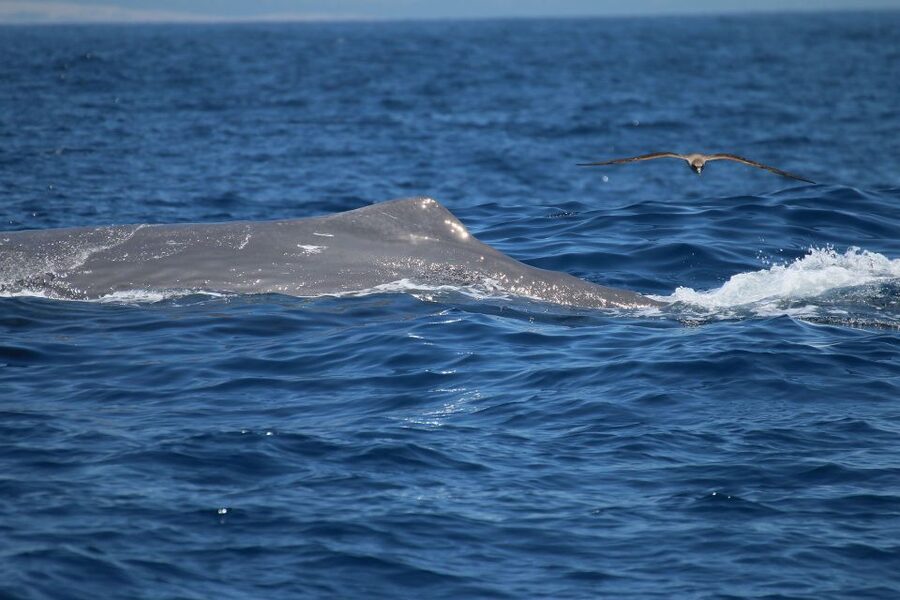
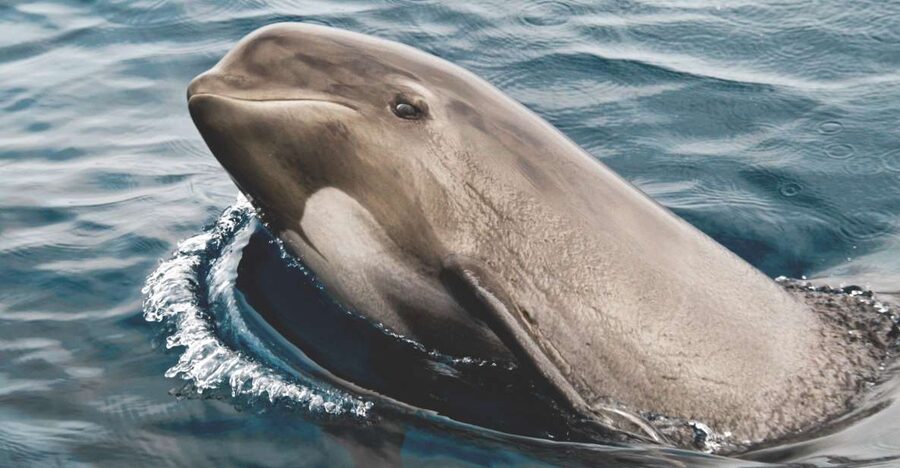
- Pilot whales are the most dependable highlight: They are frequently seen close to the boat, sometimes alongside it for a long stretch.
- Seven cetacean species may appear: Possibilities include common, striped, and bottlenose dolphins, plus pilot, fin, and sperm whales.
- The sea can be rough: The boat is fairly large, but it can still move in strong waves. Motion-sickness tablets are worth considering.
- The crew puts animal welfare first: Boats keep the distance and speed required by Spanish law and ACCOBAMS regulations.
- You get a second chance if nothing appears: The activity includes another opportunity when no cetacean is seen.
- Tarifa parking needs extra time: One departure waited for a late arrival because finding a parking space took longer than expected.
Why the Strait of Gibraltar makes a fine wildlife trip
The Strait is more than a strip of water between Spain and Africa. It is a meeting point for the Atlantic Ocean and Mediterranean Sea, and marine animals use it as a passage along their migratory routes. That gives your two-hour cruise a setting with real purpose, not just a pleasant boat ride.
You may see dolphins moving in groups, pilot whales surfacing in calm rhythm, or larger whales farther from the vessel. The exact species depends on the day, season, sea conditions, and luck. A guide explains what you are seeing and discusses how marine life moves through the Strait.
The views help fill the quiet periods. From the boat, you can look back toward Tarifa and across the water toward North Africa. I would treat the scenery as part of the main event, not as something to occupy you only when the animals are absent.
More Whale and Dolphin Watching Tours in Spain
- Tenerife: Eco-Yacht Whale and Dolphin Watching and Swimming
★ 4.7 · 15,619 reviews - Los Cristianos Respectful No-Chase Whale and Dolphin Safari
★ 4.6 · 12,782 reviews - Costa Adeje: Whale & Dolphin Eco-Cruise with Snacks & Drinks
★ 4.6 · 5,096 reviews
Arriving at Turmares in Tarifa
The meeting point is the Turmares Whale Watching office in Tarifa. You need to make your own way there because hotel pickup and drop-off are not included. If you arrive by car, allow more time than you think you need for parking. A late passenger was reportedly held for, which is kind, but you should not count on that happening every time.
The arrival period includes about 30 minutes for free time, shopping, and a safety briefing. This is when you get settled, ask about sea conditions, and listen for practical instructions. The briefing matters because the Strait can turn a smooth outing into a rolling one.
Wear shoes that are comfortable and secure. Bring a sun hat, sunscreen, and a jacket. Even a warm day in Tarifa can feel cool once the boat is moving, especially if you remain outside for the full trip.
The two-hour cruise, step by step
Once aboard, the boat heads out from Tarifa and into the Strait. The cruise lasts about two hours, with the guide watching the water and explaining the marine life and migratory routes.
The early part can feel slow. You may see nothing but open water for a while, and that is normal for wildlife watching. One passenger described an hour of bobbing sea before the boat reached a large family of pilot whales and nearby dolphins. That sudden change is part of the experience, but it also means you need patience.
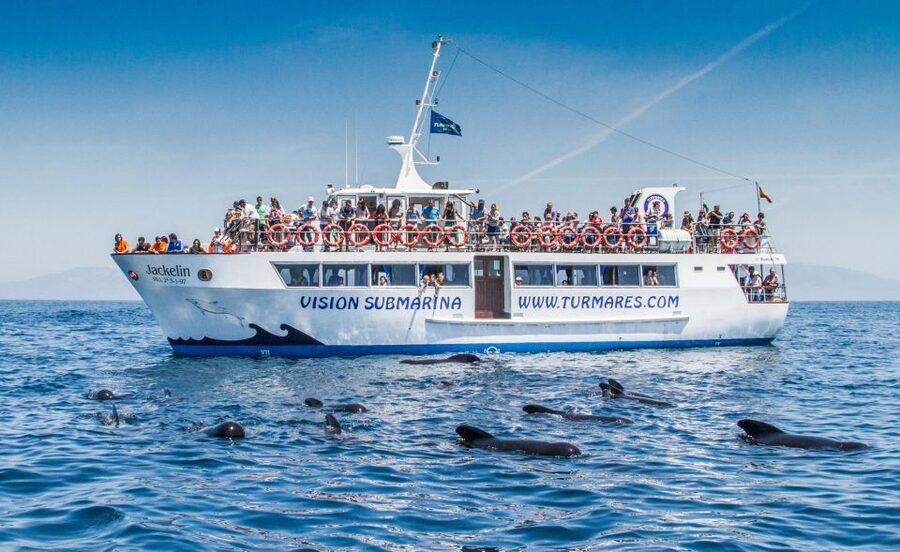
When a sighting happens, the crew works to bring the boat close enough for a clear view without crowding the animals. Dolphins may swim near the vessel or pass underneath it. Pilot whales have been seen close to the boat for a long time, giving you more than a quick fin before they disappear.
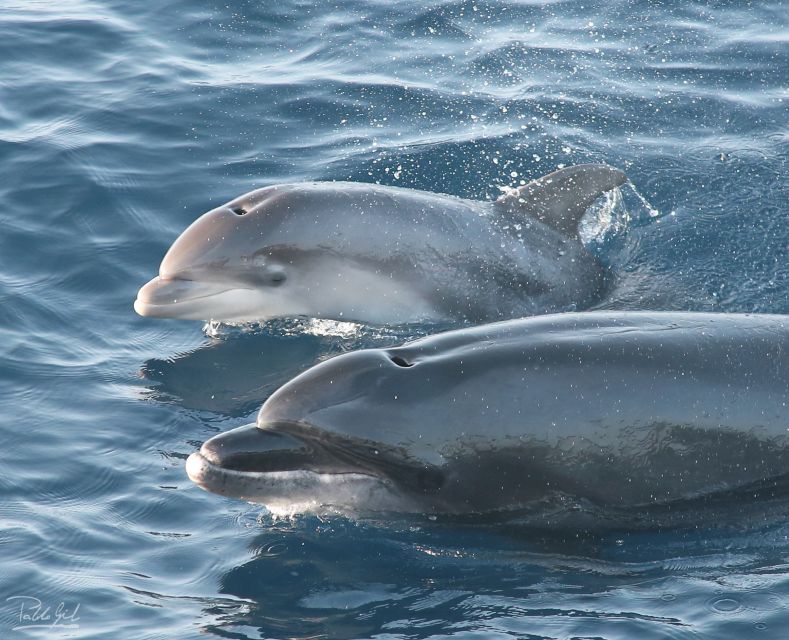
You might also see sperm whales, fin whales, or several dolphin species. The possible dolphin sightings include common, striped, and bottlenose dolphins. The activity presents up to seven different cetacean species as possible sightings, but no trip can promise a complete list.
The crew’s response to the animals is important. If a pod appears anxious about the boat, the vessel pulls away rather than pressing closer for a better photograph. Spanish legislation and ACCOBAMS rules set limits on approach distance and speed. That can mean a less dramatic photograph, but it is the right trade for a responsible wildlife trip.
What you might see from the boat
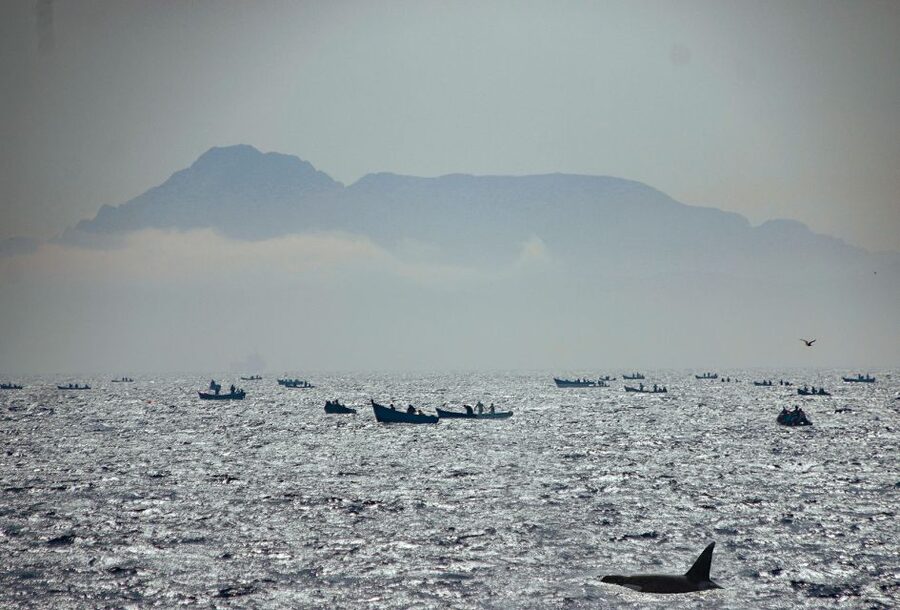
Pilot whales are one of the strongest reasons to choose this cruise. Several departures have found them swimming close to the vessel, sometimes in groups with young. Their calm, social behavior can make a sighting feel more substantial than a brief appearance on the horizon.
Dolphins offer the quick movement and energy many people hope for. They may travel beside the boat, surface in groups, or appear around and beneath the vessel. Common, striped, and bottlenose dolphins are among the possible species.
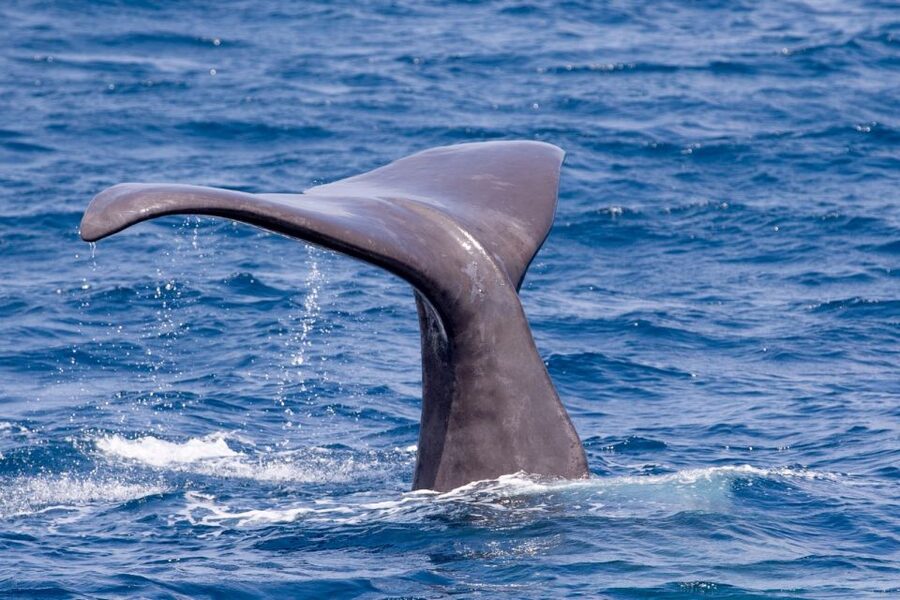
Sperm whales and fin whales are less predictable targets on a short outing. They have been spotted, but you should not book the two-hour trip expecting one particular species. A passenger on an April sailing saw sperm whales and pilot whales, while another October trip produced fin whales, pilot whales, and dolphins.
Other marine life can appear. One family saw a turtle along with dolphins and pilot whales. Such sightings are a bonus, not a promised part of the route.
The key point is to judge success by the quality of the encounter, not by the number of species on a checklist. A single pod that stays near the boat can be more memorable than several distant sightings.
Same water, a different way to meet them:
- Los Gigantes: Dolphin & Whale Watching Cruise with Swim Stop
★ 4.7 · 4,539 reviews - Morro Jable: Dolphin & Whale Watching Cruise, Drinks & Swim
★ 4.1 · 4,158 reviews - From Morro Jable: Dolphin and Whale Watching and Snorkelling
★ 4.6 · 3,687 reviews - Costa Adeje: Whale Watching Catamaran Tour with Drinks
★ 4.7 · 3,653 reviews
Guides, explanations, and the feel on board
The tour is offered in Spanish and English. The guide explains the animals, the Strait, and the routes used by marine life. Adriana has been singled out for clear explanations and an engaged approach, and guides have also been praised for explaining both the animals and the surrounding scenery.
The staff seem to take two jobs seriously: finding wildlife and caring for people on board. They watch the sea, help guests understand what is happening, and keep safety in view. That matters when the boat is moving and everyone is trying to see the same pod.
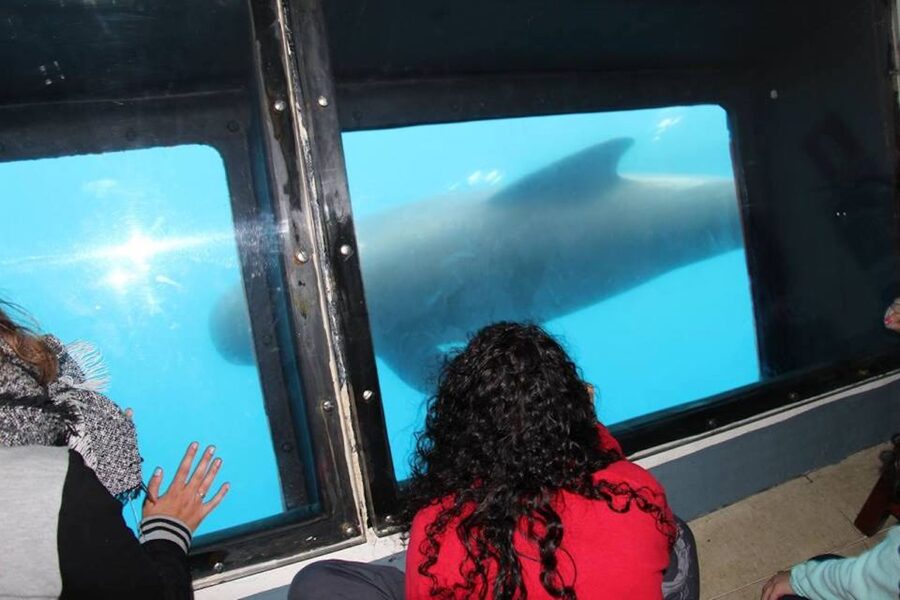
The boat itself is described as fairly large but basic. A larger vessel can offer more room than a tiny speedboat, yet it does not eliminate motion in rough water. One departure included a glass-bottom viewing area, which offered another way to see the animals, but I would confirm that feature before booking if it matters to you.
Food and drinks are not included. Snacks and drinks may be available for purchase, but bring water rather than relying on a sales counter. If you are prone to seasickness, ask the staff about conditions and consider taking motion-sickness tablets before departure. One passenger was glad to have followed that advice when the waves became sizable.
Is $53 a good price?
At $53 per person, this is a reasonable price for a two-hour guided cruise in a major marine passage. Your fee covers the guide and the whale and dolphin cruise, while food, drinks, transport to Tarifa, and hotel transfers cost extra or require your own planning.
The value is strongest when you are already visiting Tarifa or can combine the cruise with time in town. If you are coming from Cádiz, the journey takes extra planning, but the coastal setting and the chance to see animals in the open sea can justify the effort for wildlife fans.
The price does not buy a guaranteed whale encounter. It buys time in a productive marine area, with a crew actively searching and a second chance if no cetaceans appear. That is a sensible arrangement, especially because nature can be uncooperative.
I would compare this two-hour trip with the available three-hour option if whales are your top priority. One past passenger specifically wished they had known that whales were more likely during the longer activity. The shorter cruise still produces excellent dolphin and pilot whale sightings, but extra time can matter when the animals are spread out.
Weather, sea motion, and practical comfort
The main physical issue is the sea. The Strait may be calm, but the boat can move when waves build. The vessel is large enough to feel substantial, yet size does not prevent rolling completely.
Bring your jacket even in good weather. Wind, spray, and the boat’s speed can make the open deck cooler than the shore. Sunscreen and a hat are equally useful because you may spend a long period looking across exposed water.
Do not plan a tight connection immediately after the cruise. The official sailing lasts two hours, but returning to shore, leaving the boat, and collecting your belongings take additional time. The cruise is also not a quiet sightseeing ride. You need to watch the water, move your attention quickly, and accept some waiting.
Flash photography is not allowed. You must not feed or touch the animals, and loud noise is prohibited. These rules protect the wildlife and help keep the boat from becoming an irritating presence.
Families and different types of visitors
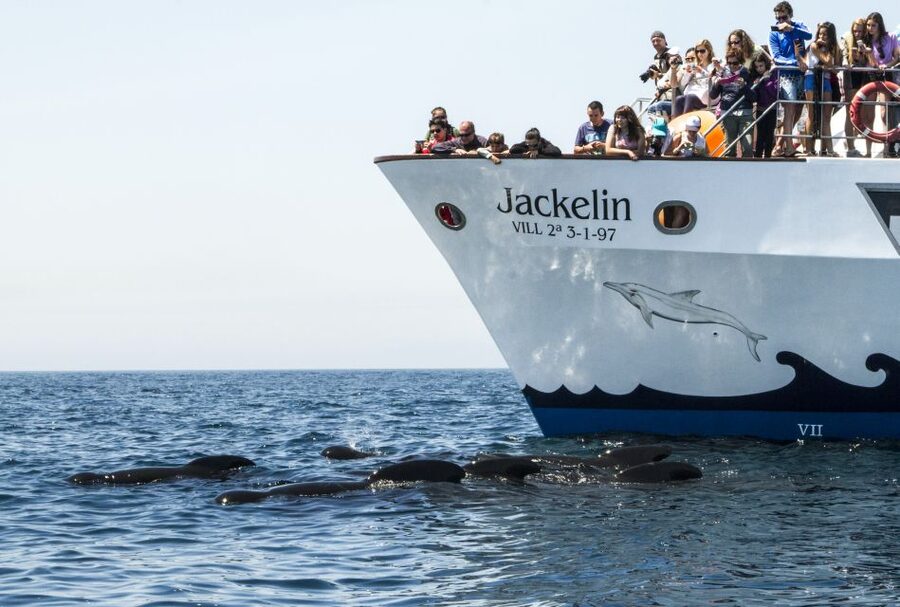
This tour suits adults, older children, families, and anyone who enjoys wildlife without needing a polished luxury boat. A group ranging from a 21-month-old child to a 67-year-old adult reportedly enjoyed the outing, and staff have been praised for looking after children.
Small children may find the waiting periods difficult, especially if the sea is rough or no animals appear at first. Keep expectations simple: you are going to look for wildlife, not attend a guaranteed animal show.
The cruise is wheelchair accessible, which makes it more practical for many visitors. You should still speak with the provider about your own access needs before arrival, since the supplied details do not explain boarding arrangements or accessible facilities in depth.
This is a good choice for nature lovers, families wanting a memorable day near Tarifa, and people who enjoy learning while they watch. It is less suitable if you dislike open water, need a completely calm ride, or want guaranteed close views of a specific whale.
How to improve your chances of enjoying it
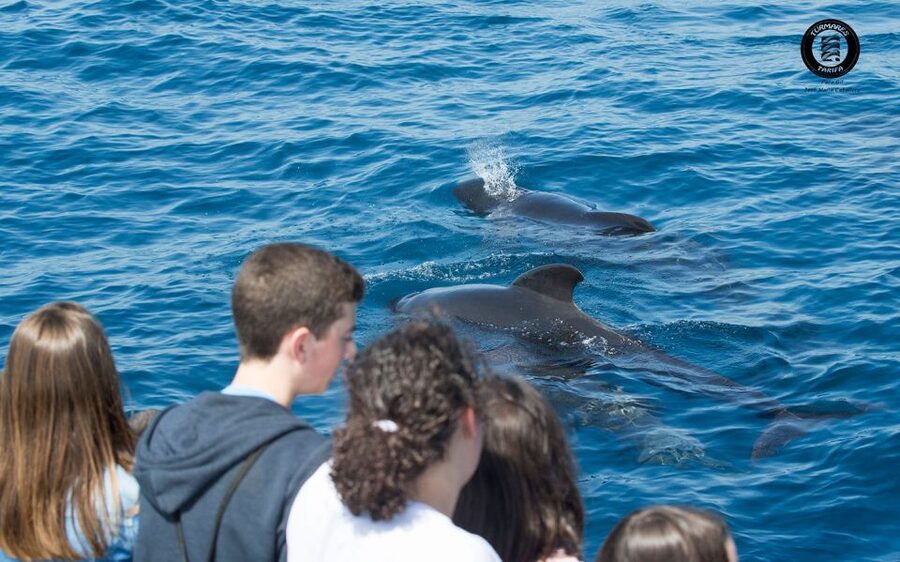
Book with enough flexibility to accept a slow start. The first hour may produce only water, then a pod can appear without warning. Keep watching, even when other people begin to lose interest.
If your schedule allows, consider the longer three-hour whale-watching activity. The two-hour trip can be excellent, especially for dolphins and pilot whales, but the extra hour may help when the crew needs more time to reach distant animals.
Arrive early enough for the briefing and parking. You do not need hotel transport because it is not included, and the meeting point is at Turmares in Tarifa. Wear practical clothing rather than treating this as a dress-up excursion.
Take photos without using flash, but do not let the camera take over. The animals may surface for only seconds, and the best part of the trip is often seeing a pod move naturally beside the boat.
If nothing appears, use the second-chance policy. The activity says you can return for another opportunity when no cetacean is seen. Confirm the exact terms with Turmares when you book, but this promise adds useful protection to a wildlife outing.
Should you book this Tarifa whale-watching cruise?
I would book it if you want a reasonably priced chance to see dolphins and pilot whales in a serious marine setting, and if you can handle a little uncertainty. The strongest features are the helpful crew, the clear attention to animal welfare, and the repeated close encounters with pilot whales and dolphins.
I would choose the three-hour option instead if a whale sighting is your main goal and your schedule allows it. For the two-hour cruise, think of whales as a welcome possibility and dolphins or pilot whales as the more practical hope.
Book this tour if you are comfortable with open water, willing to wait, and interested in the Strait itself as much as the animals. Skip it if rough seas would spoil your day or if you need guaranteed wildlife on a fixed timetable. For most visitors who enjoy nature and can accept a little suspense, $53 is a fair price for two hours on one of Europe’s most interesting marine routes.
FAQ
Where does the whale-watching tour start?
It starts at Turmares Whale Watching in Tarifa. Hotel pickup and drop-off are not included.
How long does the cruise last?
The whale and dolphin cruise lasts two hours. The arrival period includes about 30 minutes for free time, shopping, and a safety briefing.
What animals might I see?
Possible sightings include common, striped, and bottlenose dolphins, along with pilot, fin, and sperm whales. Up to seven cetacean species may be seen.
Are whale or dolphin sightings guaranteed?
No. Wildlife sightings cannot be guaranteed, but the activity states that you receive a second chance if no cetacean species is seen.
What languages does the guide speak?
The live guide service is available in Spanish and English.
Is the boat trip suitable for wheelchair users?
The activity is listed as wheelchair accessible. Contact Turmares before arrival if you need details about boarding or specific access arrangements.
What should I bring?
Bring comfortable shoes, a sun hat, sunscreen, and a jacket. Water and any food or drinks are not included.
What is not allowed during the cruise?
Flash photography, feeding animals, touching animals, and making noise are not allowed. These rules help prevent disturbance to the marine life.
Just added around Spain
- Tenerife Whale Watching and Snorkeling Yacht Trip★ 4.5 · 162 reviews
- Whale watching and snorkelling in the whale sanctuary★ 5.0 · 14 reviews
- Whale & Dolphin Watching With Mustcat Virgin Coast Trip On a Large Catamaran★ 4.0 · 3 reviews
- Whales and Dolphins excursion on a Luxury Yacht in Canary Islands★ 5.0 · 93 reviews
- Whale and Dolphin Watching EcoAdventure in Tenerife★ 5.0 · 78 reviews
- Whale & Dolphin Watching in Tenerife (Puerto Colon) On a Large Catamaran★ 4.0 · 12 reviews
- Whale & Dolphin Watching Boat Trip in Tenerife On a Sailing Boat (3 Hr)★ 3.5 · 10 reviews
- Whale Safari to Los Gigantes with pickup from North★ 4.0 · 9 reviews
Whale and Dolphin Watching Tours in Spain, compared.
Tenerife: Eco-Yacht Whale and Dolphin Watching and Swimming
Read our review →
Los Cristianos Respectful No-Chase Whale and Dolphin Safari
Read our review →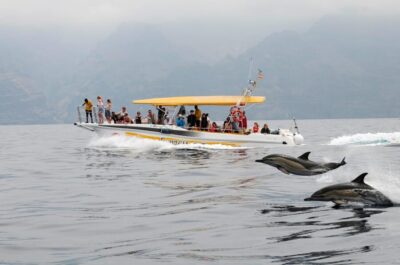
Costa Adeje: Whale & Dolphin Eco-Cruise with Snacks & Drinks
Read our review →Los Gigantes: Dolphin & Whale Watching Cruise with Swim Stop
Read our review →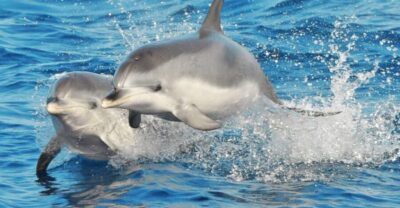
Morro Jable: Dolphin & Whale Watching Cruise, Drinks & Swim
Read our review →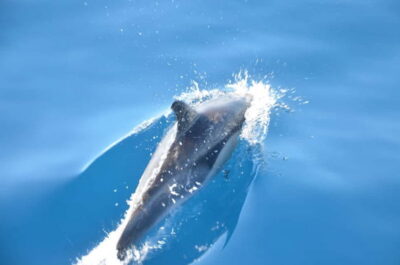
From Morro Jable: Dolphin and Whale Watching and Snorkelling
Read our review →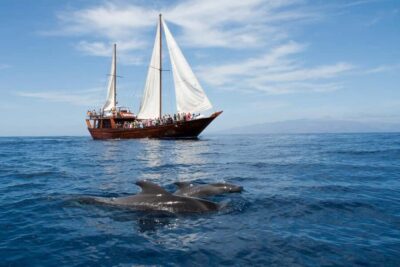
Tenerife: Whale & Dolphin Watching Cruise with Swim Stop
Read our review →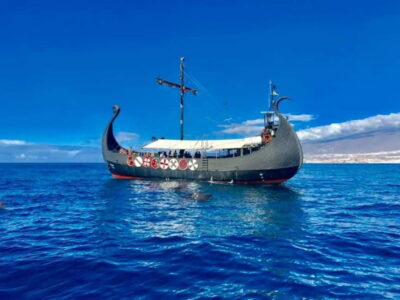
Los Cristianos: Viking Cruise Whales & Dolphins Watching
Read our review →Browse the lists this tour appears in