
REVIEW · ORCA WATCHING TOURS IN THE USA
Orcas Island: Whale and Orca Guided Speedboat Tour
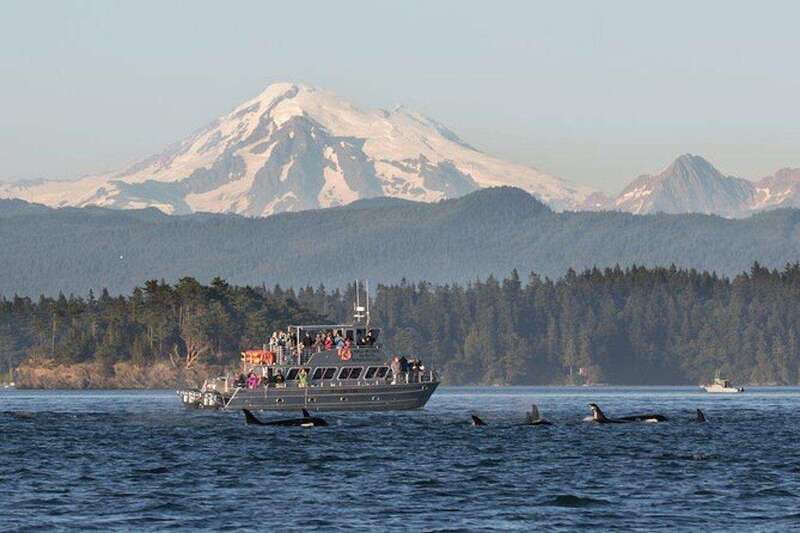
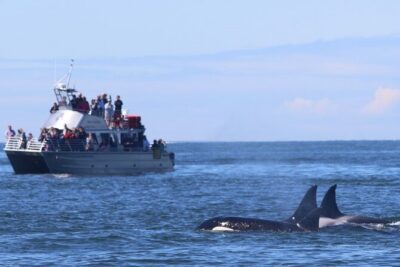
Orcas can turn a ferry day into magic. I like the fast speedboat because it covers the San Juan archipelago efficiently, and I like the onboard naturalist guide who explains the animals instead of leaving you to guess. The boat also has indoor and outdoor viewing areas, a restroom, and enough room for everyone to find a good angle.
The main catch is getting there. Orcas Island requires a Washington State Ferry reservation, and the tour dock is not right beside the ferry landing. One guest reported paying $70 each way for a taxi, so your transport plan matters as much as the whale search.
Key points at a glance
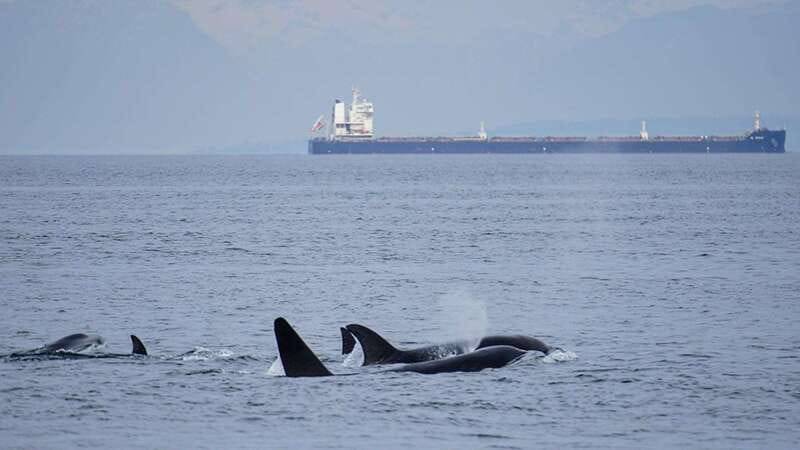
- Over 98 percent chance of seeing whales: The tour offers a very strong sighting record, though wild animals never follow a script.
- A 210-minute speedboat outing: You get three and a half hours on the water, not a quick loop around the harbor.
- Four whale species may appear: The search focuses on orcas, humpbacks, minke whales, and gray whales.
- Wildlife beyond whales: Keep watch for harbor seals, sea lions, harbor porpoises, bald eagles, otters, and seabirds.
- Indoor and outdoor viewing: You can move around the boat as conditions and sightings change.
- Orcas Island requires planning: Ferry reservations, early arrival, and transport from the landing are essential.
Why this Orcas Island whale tour is worth considering
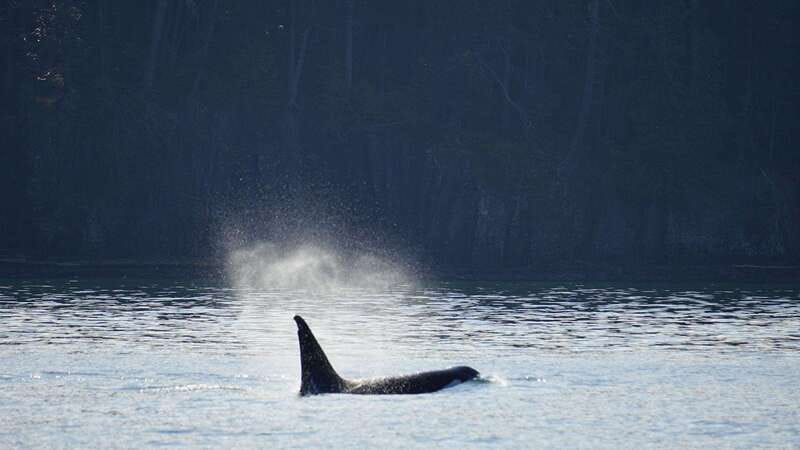
This is a wildlife trip first, not a sightseeing cruise with a few whale-shaped dots in the distance. You leave Orcas Island and range across the San Juan archipelago in search of animals that are feeding, traveling, resting, or simply choosing to stay out of sight. That makes the experience exciting, but also pleasantly unpredictable.
At $119 per person, the price is reasonable for a three-and-a-half-hour boat trip with a dedicated guide. You are paying for time on the water, a fast vessel, and a crew that keeps searching rather than turning around after one brief sighting. The value gets stronger when you see several species in one outing.
The price does not include the ferry to Orcas Island. That extra cost is only part of the issue. You also need to think about ferry reservations, timing, and transport between the landing and the meeting point. If you are staying on Orcas Island, the tour is far simpler. If you are coming from Seattle or Bellingham, the company also offers the same type of trip from Anacortes, which may be easier.
More Orca Watching Tours in the USA
- Orcas Island Whale Watching
★ 4.5 · 442 reviews - Orca Cove Sea Kayaking
★ 5.0 · 322 reviews - Kenai Fjords Orca Quest Cruise
★ 5.0 · 137 reviews
Reaching the dock from the Washington State Ferry
Orcas Island is in the middle of the San Juans and is only accessible by the Washington State Ferry system. You should treat the ferry crossing as a major part of your day, not a minor transfer before the real activity begins.
Build in plenty of time to arrive on the island. You need to check in at the little building on the dock 30 minutes before departure, and a late ferry arrival could put the entire outing at risk. Ferry reservations are required, so check the sailing schedule and reserve ahead rather than hoping to fit onto a boat at the last minute.
The ferry landing and tour meeting point are not conveniently adjacent. That is the practical wrinkle many people overlook. Plan your ride from the landing before you arrive, especially if you are carrying bags or traveling with children. One reported taxi fare was $70 each way, which can change the value calculation quickly for a small group.
If you already have lodging on Orcas Island, I would choose this departure point for the scenery and ease. If you are based on the mainland, compare the total cost and time with the Anacortes option before booking. The mainland departure can avoid the ferry reservation and the extra island transfer.
The 210-minute search across the San Juans
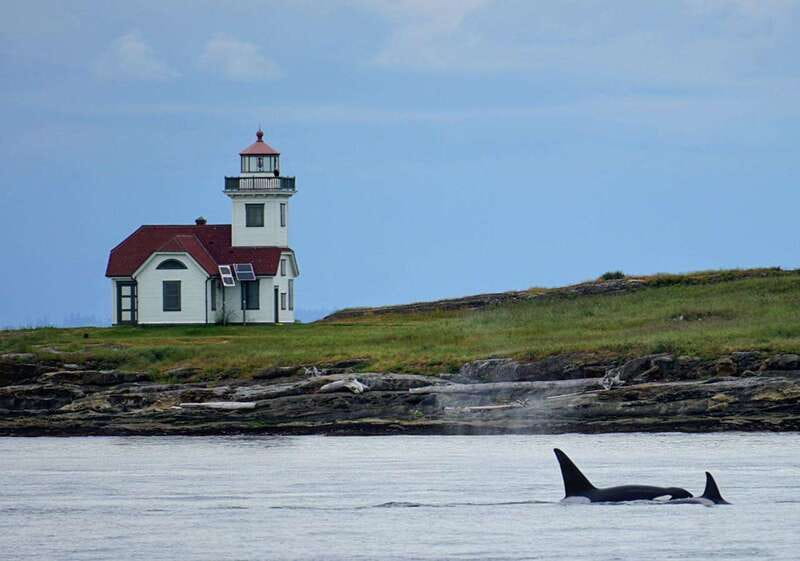
Once checked in, you board one of the fastest whale-watching boats in the Salish Sea. Speed matters here because the animals may be spread across a large area, and the crew needs to cover water while still following responsible wildlife-viewing practices.
The trip lasts 210 minutes, or three and a half hours. That is long enough for the crew to search several areas and wait with a pod when the sighting is worthwhile. One recent outing ran to four and a half hours because whales were found farther away, showing that actual timing can sometimes stretch when conditions and wildlife cooperate.
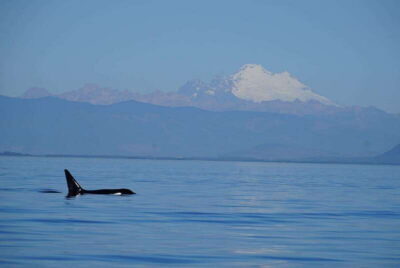
You will travel through the San Juan archipelago rather than stay in one fixed viewing area. The scenery is part of the reward. Islands, open water, and changing views give the ride a sense of place, even during the quiet stretches when the crew is scanning for fins.
Do not expect a fixed sequence of stops. This is a search based on current whale locations. The exact route can change, and that is a good thing. A rigid itinerary would make little sense when the main attractions are moving animals.
Looking for orcas, humpbacks, minke whales, and gray whales
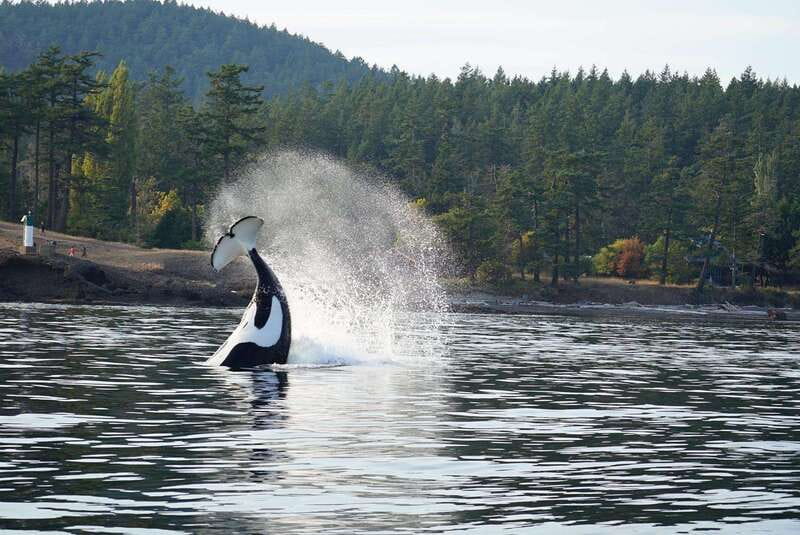
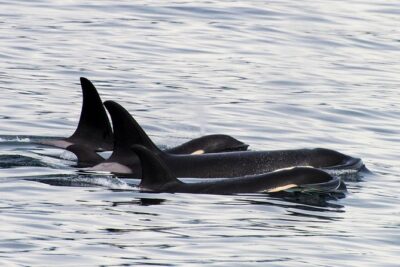
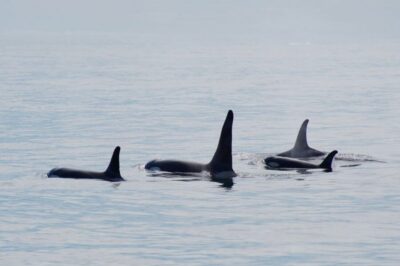
Orcas are the headline act, and several outings have included pods feeding for a good stretch of time. Seeing a group work together is far more satisfying than catching one quick surfacing. The naturalist can explain behavior as it happens, helping you understand why the animals are moving, turning, or repeatedly surfacing.
The tour also searches for humpback, minke, and gray whales. You may not see all four species on one trip, but the range gives the crew more possibilities than an orca-only outing. If orcas are not in the immediate area, the search can still produce an excellent wildlife day.
The advertised sighting rate is over 98 percent, which is unusually encouraging for a wildlife activity. Still, that figure should not be read as a promise of a close approach or a particular species. You are joining a search for wild animals, and a sighting can mean anything from a distant blow to a sustained period watching a pod feed.
I would judge the outing by the whole experience, not only by whether an orca surfaces beside the boat. The scenery, marine mammals, birds, and explanations all add value. That said, the strong sighting record makes this a sensible choice if seeing whales is your top priority.
Same water, a different way to meet them:
- Juneau Wildlife Whale Watching
★ 5.0 · 7,379 reviews - Juneau Wildlife Whale Watching & Mendenhall Glacier
★ 5.0 · 6,236 reviews - Boston: City Cruises Whale Watching Cruise
★ 4.5 · 4,710 reviews - Whale Watching Tour in Gloucester
★ 5.0 · 4,460 reviews
The extra wildlife that makes the ride better
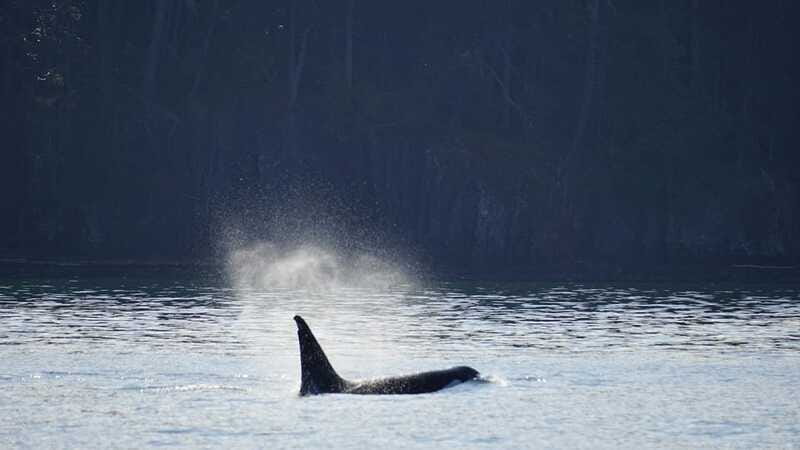
The San Juan waters hold much more than whales. You have a good chance of seeing sea lions, seals, porpoises, bald eagles, otters, and seabirds. For many people, the variety is what turns a whale hunt into a full marine wildlife trip.
Harbor seals and sea lions are common supporting characters on this kind of outing, but they are still worth watching. Their behavior is easier to see at closer range, and they give you something to enjoy while the crew searches the horizon.
Harbor porpoises can be harder to spot because they move quickly and surface briefly. If the guide points them out, keep your eyes on the water rather than trying to take a photo immediately. The same rule applies to otters. One memorable outing included Ollie, a sea otter, along with orcas, harbor seals, and sea lions.
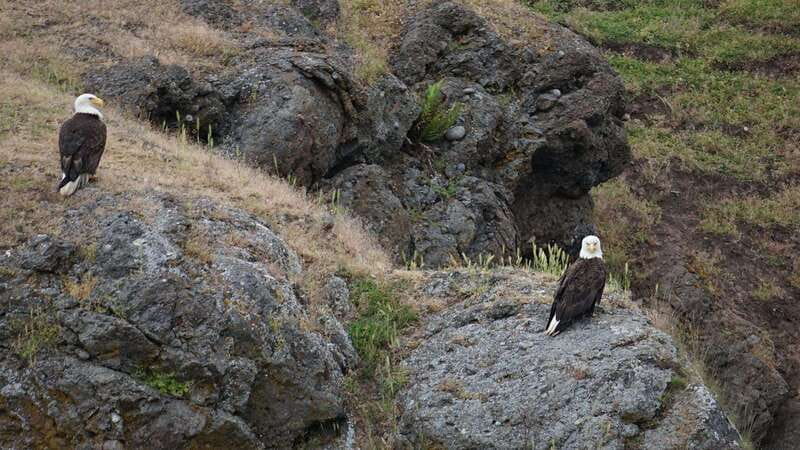
Bald eagles add a different kind of drama. You may see them around the islands or above the water, while seabirds fill in the smaller details of the trip. If you bring binoculars, use them during the slower stretches, but do not rely on them for every sighting. A good guide will direct your attention quickly when something appears.
What the speedboat feels like on the water
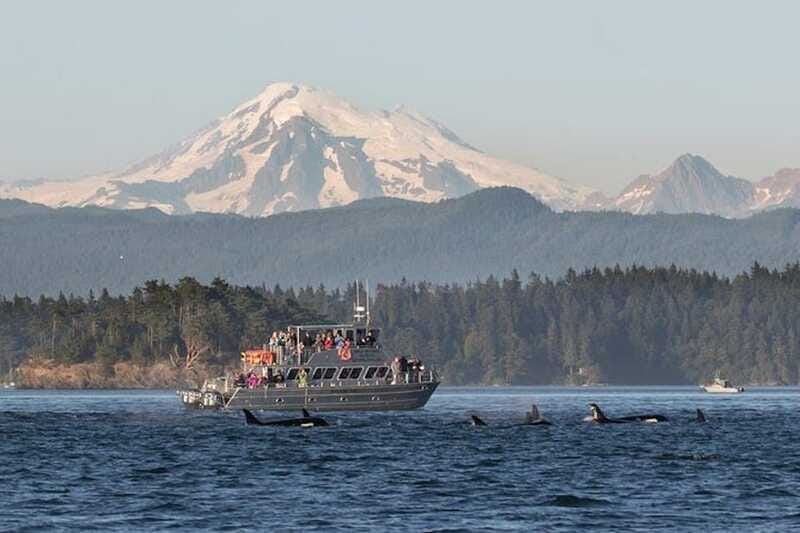
The boat is designed for whale watching rather than luxury cruising. You get indoor and outdoor viewing platforms, a bathroom, and room to move around. That combination matters because three and a half hours is a long time to remain in one position, especially when wind or spray picks up.
The outdoor area gives you the best chance of a clear view and a more direct feel for the water. The indoor section gives you a break when you want shelter or a quieter place to listen to the guide. Having both options is a practical advantage over a small open boat with no refuge from the elements.
The speedboat also helps the crew respond when wildlife is found in another part of the archipelago. It does not guarantee a better sighting, but it gives the captain more range during the available time. Recent departures have been praised for clean, comfortable boats and punctual starts.
The trade-off is that a fast boat can feel lively on the water. The supplied information does not specify seating arrangements, motion conditions, or accessibility details, so you should ask the operator directly if those points matter to you. Bring clothing suited to changing conditions rather than dressing only for the weather at the dock.
The guides make the wildlife easier to understand
The naturalist is not just a voice giving directions. The best moments come when the guide connects what you see with the animal’s behavior. A pod feeding, for example, becomes more interesting when you understand what the group is doing and why the movements matter.
Recent departures have featured guides and crew members including Brock, Megan, Drew, Ginny, Bruno, Hannah, Trevor, Sam, Liberty, and Elliot. The strongest praise has focused on friendly explanations, humor, and a personal feel rather than a dry lecture. That matters on a wildlife trip, where a good guide can keep your attention during both sightings and waiting periods.
You should expect the commentary to be in English. The crew can help you identify species and interpret behavior, but the animals remain the stars. A naturalist cannot summon whales on command, and you should be wary of any tour that makes the experience sound completely controlled.
The crew’s attitude also helps with comfort. Some recent outings were described as engaging from start to finish, with captains and guides making people feel at ease. That is particularly useful for families or first-time whale watchers who may not know what to look for.
Choosing the best departure point
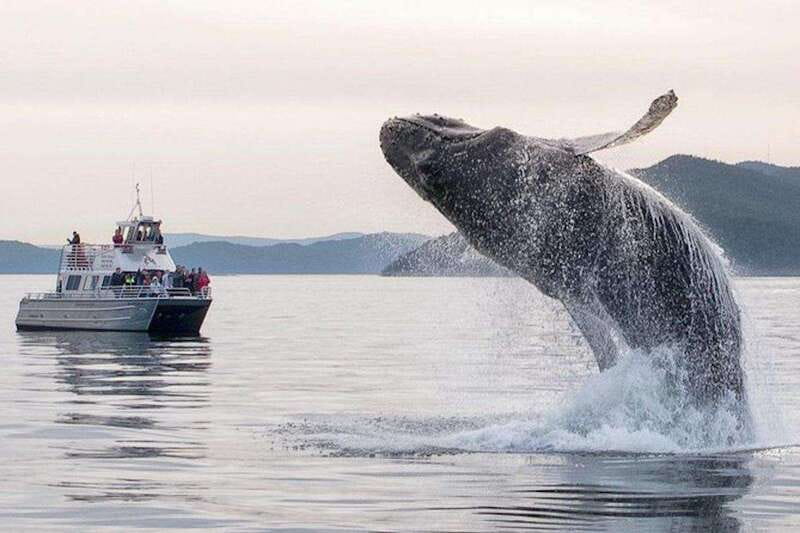
The Orcas Island departure makes the most sense in three situations. You are staying on Orcas Island, you want to combine the whale trip with time in the San Juans, or you are willing to handle the ferry and island transport for the setting.
The island location gives you immediate access to the archipelago and makes the outing feel connected to the place. You are not simply driving to a marina, boarding a boat, and heading back. The ferry ride and island setting become part of the day.
The disadvantage is the extra planning. You must reserve the ferry, arrive early, and arrange transport from the landing. A missed connection can be costly and stressful. If you are staying in Seattle or Bellingham, the Anacortes departure may be the more practical choice because it avoids the ferry to Orcas Island.
I would not choose the Orcas departure solely because it sounds more scenic. I would choose it because it fits your wider itinerary. If you already plan to explore Orcas Island, the logistics are easier to absorb. If this is your only activity in the San Juans, calculate the full transport cost first.
Is $119 a fair price?
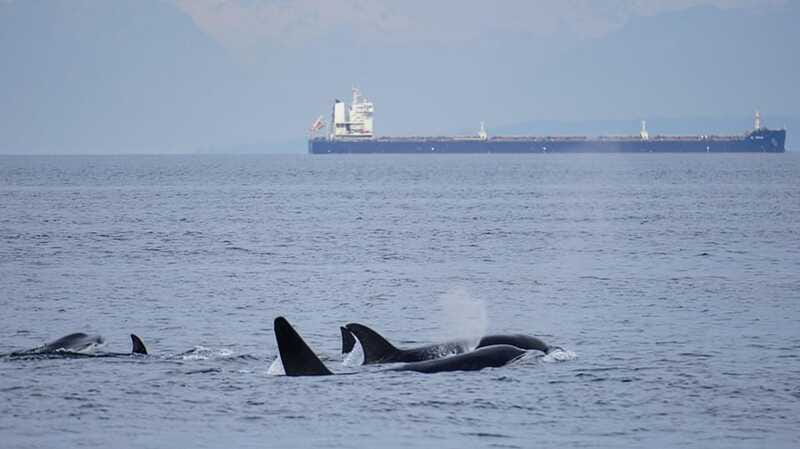
For $119, you receive the speedboat outing and the naturalist guide. The ferry ticket, taxi or other transport from the landing, food, and personal expenses are separate. That means the real cost of the day can be noticeably higher than the headline price.
Still, the base price compares well with the length of the trip. Three and a half hours on the water gives the crew time to search, reposition, and stay with wildlife when something special appears. The boat’s restroom and indoor viewing area also add practical value.
The strongest value comes when you see multiple animals rather than only one distant whale. Orcas, seals, porpoises, sea lions, eagles, and otters have all appeared on recent outings. A pod feeding for a sustained period is the kind of encounter that can justify the price on its own.
For a family, the ferry and taxi costs may be the deciding factor. For a couple already staying on Orcas Island, the tour is easier to justify. If the total cost feels high, compare it with the Anacortes departure instead of dropping the whale trip altogether.
Who will enjoy this trip most?
I would recommend this tour to you if whale sightings are your main goal and you like the idea of searching a broad area rather than following a fixed sightseeing route. It also suits people who want expert explanation, not just a boat ride with a captain pointing at fins.
Families can benefit from the wildlife variety and the bathroom on board. Children may lose interest during a quiet search, but seals, eagles, porpoises, and seabirds can keep the outing lively. The indoor area gives everyone a place to reset.
Photographers should appreciate the outdoor platforms, though wildlife photography is never predictable. You may get a wonderful view and no perfect photograph, or a brief sighting when your camera is pointed the wrong way. Watch first, shoot second.
I would be more cautious if you dislike boat motion, have a tight ferry schedule, or expect guaranteed close views of orcas. The tour has a very high sighting rate, but nature still sets the timetable.
Should you book the Orcas Island departure?
Book it if you are staying on Orcas Island or want a full San Juan day built around wildlife. The combination of a fast boat, three and a half hours on the water, strong sighting odds, and capable naturalist guides gives you a good chance of seeing far more than one species.
Before paying, price the whole outing. Add the ferry, reserve your sailing, check the distance from the landing, and arrange transport to the dock. If those details become awkward, choose the Anacortes departure instead.
For most people who can manage the logistics, I would book. The tour offers a serious search for wild whales, not a token cruise, and the extra wildlife makes the experience worthwhile even when the orcas keep their distance.
FAQ
How long is the Orcas Island whale tour?
The tour lasts 210 minutes, or three and a half hours.
How much does the tour cost?
The listed price is $119 per person. A ferry ticket to Orcas Island is not included.
What whale species might I see?
The tour searches for orcas, humpback whales, minke whales, and gray whales.
Is seeing whales guaranteed?
The tour advertises an over 98 percent chance of seeing whales. Wildlife sightings can still vary in distance, duration, and species.
What other animals might appear?
You may see sea lions, harbor seals, harbor porpoises, bald eagles, otters, and seabirds.
Where do I meet the guide?
The guide meets you at the little building on the dock. Check in 30 minutes before departure.
Do I need a ferry reservation?
Yes. Orcas Island is only accessible by the Washington State Ferry system, so you should plan your sailing and allow plenty of time before the tour.
Does the boat have a restroom?
Yes. The speedboat has a bathroom, indoor viewing areas, outdoor viewing platforms, and room for passengers to get a good view.
Is there another departure location?
Yes. The same guarantee and type of tour are offered from Anacortes, which may be more convenient if you are staying in the Seattle or Bellingham area.
More Zodiac and RIB Whale Watching in the USA
- City Cruises Boston Whale Watching Cruise by High-Speed Boat
★ 4.5 · 3,115 reviews - Zodiac Raft Whale Watching Adventure
★ 5.0 · 456 reviews - Up-Close Dolphin & Whale Watching Zodiac Adventure in Dana Point
★ 5.0 · 353 reviews - Kauai’s South Side Whale and Dolphin Zodiac Boat Adventure
★ 4.5 · 163 reviews
Just added around the USA
- Newport Beach: Year-Round Whale Watching Cruise★ 4.2 · 151 reviews
- Juneau: Mendenhall Glacier and Whale Watching Tour★ 4.6 · 98 reviews
- Oahu: Waikiki Eco-Friendly Morning Whale Watching Cruise★ 4.4 · 119 reviews
- West Oahu: Eco-Friendly Whale Watching Cruise★ 4.5 · 40 reviews
- Whale Watch Sail Ma’alaea★ 4.9 · 27 reviews
- Whale and wildlife watching Private and Semi-Private tours★ 5.0 · 2 reviews
- Oahu: Waikiki Eco-Friendly Afternoon Whale Watching Trip★ 4.5 · 60 reviews
- Waikiki: Sunset Whale Watching with 2 Drinks (BYOB-Friendly)★ 4.3 · 34 reviews
Orca Watching Tours in the USA, compared.
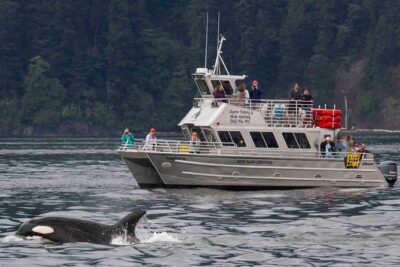
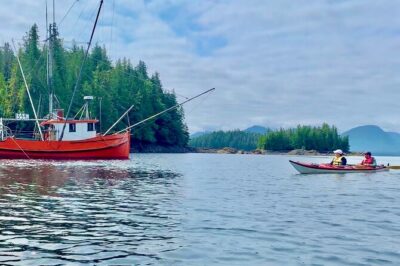
Anacortes: Orca Whales Guaranteed Boat Tour near Seattle
Read our review →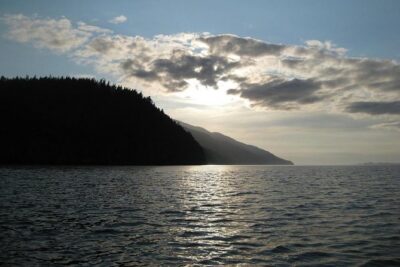

Browse the lists this tour appears in