
REVIEW · WHALE WATCHING CRUISES IN AUSTRALIA
Mooloolaba: Whale Watching Cruise
Whales make a three-hour boat ride worthwhile. Sunreef Mooloolaba’s cruise gives you several viewing levels, useful commentary, and a real chance to see humpbacks along Queensland’s coast for $60 per person. I like the comfortable Whale One boat and the crew’s clear advice on spotting surface activity. The main drawback is simple: wildlife sets the schedule, and the open ocean can become rough enough to unsettle even confident sailors.
I also like the free return trip if no whales are seen, though that is not the same as a refund. Sightings can range from a distant back or tail to a mother and calf circling the boat for an hour. Bring warm clothes, take seasickness advice seriously, and expect a genuine search rather than a guaranteed marine-life performance.
Key points to know before boarding
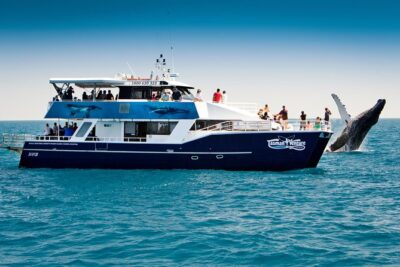
- Whale One offers indoor, outdoor, upstairs, and downstairs seating, so you can move around as the action shifts.
- The whale search begins about 15 minutes after departure, once the boat reaches the Mooloolaba River mouth.
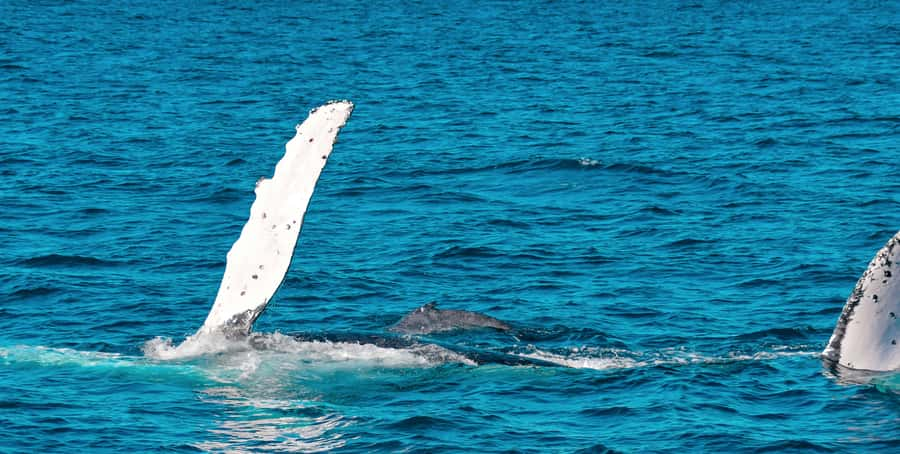
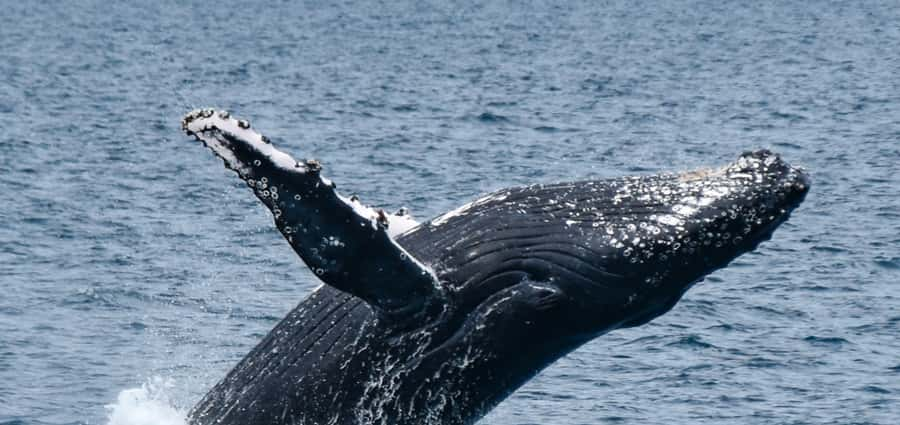
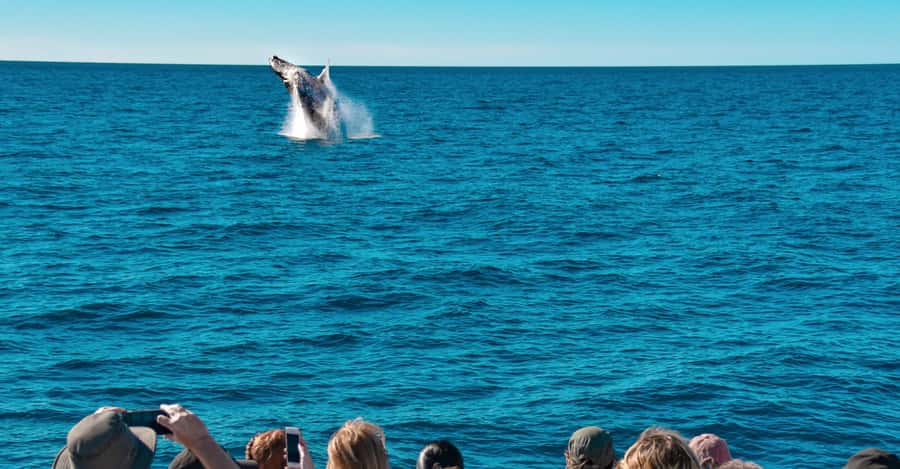
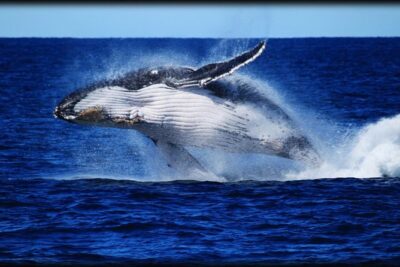
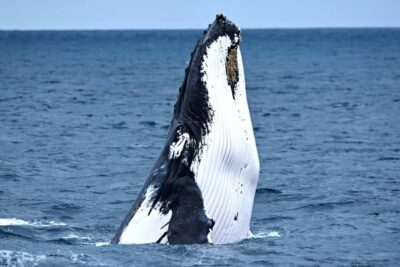
- Humpbacks may breach, slap their tails, or spy-hop, but they can also swim away without much surface activity.
- The crew is a major strength, combining practical spotting tips with commentary about migration and whale behavior.
- Sea conditions matter more than the calendar, and the swell can become significant beyond the shelter of the coast.
- The $60 price is strong value when sightings are active, especially with a three-hour outing and a return-trip guarantee.
Leaving The Wharf Mooloolaba
Your morning or afternoon begins at Sunreef Mooloolaba, Shop 11 or 12 at The Wharf Mooloolaba. Arrive at least 15 minutes before departure, check in at the desk, collect your boarding pass, and wait in the designated area until the crew is ready to board.
That early arrival is worth taking seriously. It gives you time to get organized and improves your chance of choosing a comfortable viewing position. You are not assigned a single seat for the whole trip, but getting aboard without a last-minute rush makes it easier to settle in and move around once the boat is underway.
The wharf is also a practical place to prepare. An onboard bar sells snacks, soft drinks, and alcohol after 10:00 AM, while outside food and drinks are not allowed because of food licensing rules. A cafe at the wharf has served toasties, which can be handy on a cool morning, but do not count on bringing that food onto the boat.
Sunreef sends an email and text message around 3:30 PM the day before the trip with the departure status and time. This matters in Mooloolaba, where weather and sea conditions can change the plan. Your confirmation depends on suitable conditions, so check your messages rather than assuming the cruise will run exactly as first booked.
More Whale Watching Cruises in Australia
- Sydney: Whale Watching Adventure Cruise
★ 4.2 · 1,790 reviews - Brisbane Whale Watching Cruise from Redcliffe or Sunshine Coast
★ 5.0 · 997 reviews - Freedom 3/4 Day Hervey Bay Premium Whale Watching Cruise
★ 5.0 · 919 reviews
The first 15 minutes on the Mooloolaba River
Once you board, you receive a safety briefing as the vessel leaves the Mooloolaba River. This is a useful transition from harbor mode to whale-watching mode, with the crew explaining how to move around the boat and where to look.
About 15 minutes after departure, the vessel reaches the river mouth. That is when the real search begins. The trip is not a quick ride directly to a known pod. The crew scans the water, listens for reports, and watches for small signs such as blows, fins, backs, and birds gathering over activity.
This search period is part of the experience, not wasted time. You get a look back toward the Mooloolaba coastline and a sense of how quickly conditions change once the boat leaves the river. On some outings, the whales have appeared in good numbers. On others, the crew has had to work harder, and the view has been less dramatic.
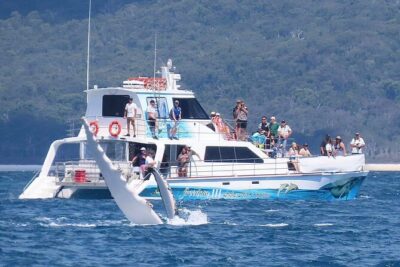
The boat has indoor and outdoor spaces, plus upstairs and downstairs areas. That arrangement is useful because whale watching is a moving game. One side may have a clear view of a blow while another side sees only open water. You may need to change position, and one passenger specifically found it difficult to be on the wrong side at the right moment. If you need help crossing between viewing areas, ask a crew member rather than trying to squeeze through a crowd.
Reading the water with the crew
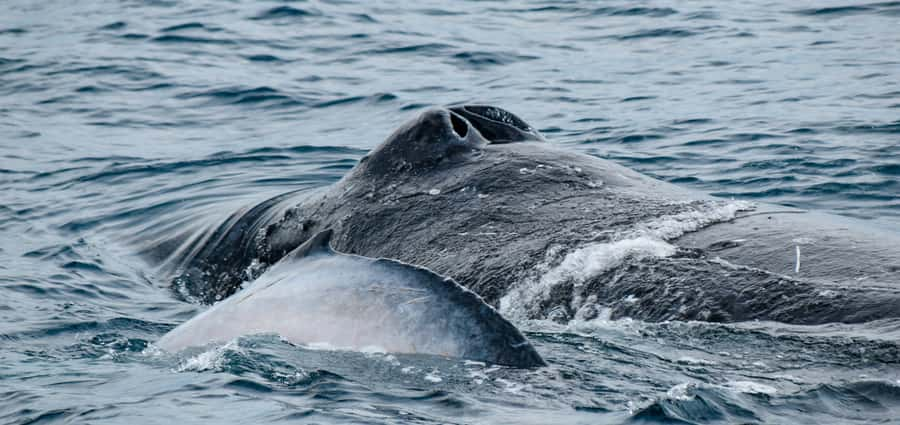
The crew makes a noticeable difference here. Before the search gets serious, you are shown what to watch for and how to distinguish minor surface activity from a larger display. A blow may be your first clue, followed by a curved back, a tail fluke, or a whale lifting its head above the water.
The commentary also explains the humpbacks’ migration to breeding and mating grounds. You learn about their movement and behavior while watching the sea, which gives the outing more purpose than simply pointing a camera at the horizon.
The strongest outings have included reports of seven or eight whales, groups of mothers with calves, young males lingering near the boat, and whales circling for close to an hour. One particularly memorable sighting involved a mother, calf, and male escort remaining nearby while the calf appeared to practice its behavior. Other trips produced spy-hopping, tail slapping, breaches, and whales passing beneath or beside the vessel.
Still, keep your expectations sensible. Humpbacks are wild animals. The operator cannot direct them, call them over, or promise a breach. You may see a spectacular jump, or you may spend time watching backs appear and vanish. The crew can improve your chances, but it cannot control the result.
Whale One and the changing view
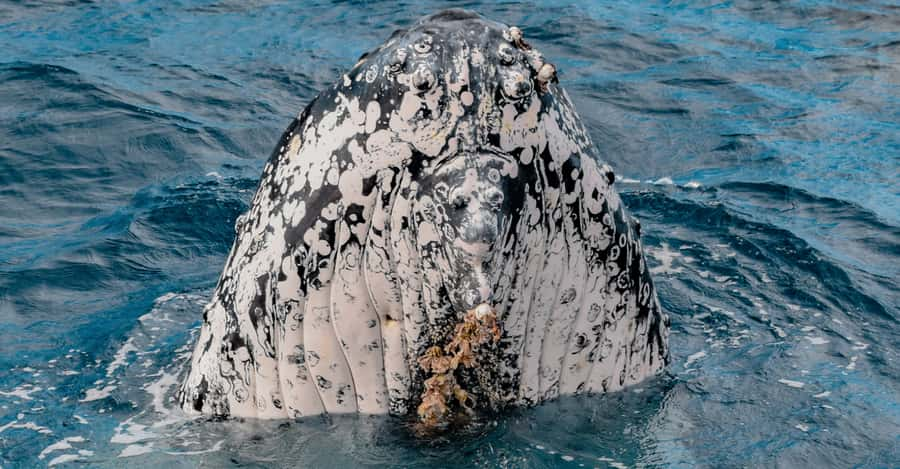
Whale One is a large, comfortable vessel with enough room to spread out. The indoor seating is useful if you need shelter from wind, while the outside decks give you a clearer view and fresher air. Upper and lower levels let you choose between a wider horizon and a lower position closer to the water.
I would begin outside if the conditions allow. Fresh air is one of the best defenses against seasickness, and several outings have had enough swell to make some passengers ill. If the boat becomes uncomfortable, move to a steadier position, keep your eyes on the horizon, and follow the crew’s advice. Seasickness medication is available onboard, but it is not included in the ticket price, so you may prefer to bring suitable medication with you.
The boat is designed for viewing from different angles, but that also creates a small frustration. When the whale appears on one side, everyone naturally wants that side. A busy deck can make it hard to move, particularly for anyone who needs assistance. The crew generally helps people find a workable position, but you should not expect a private viewing platform.
Take a camera, hat, sunglasses, sunscreen, and warm clothing. Mooloolaba may feel mild on shore, yet three hours on open water can feel much cooler. Comfortable clothes are more useful than anything formal, and a secure grip on your camera matters when the boat is moving.
Same water, a different way to meet them:
- Whale Watching Tour with Spirit of Gold Coast
★ 4.5 · 884 reviews - Sydney Whale-Watching Cruise Including Lunch or Breakfast
★ 4.5 · 878 reviews - Sydney: 2-hour Express Whale Watching Cruise
★ 4.2 · 756 reviews - Spirit of Gold Coast 2.5-Hour Whale Watching Tour
★ 4.2 · 703 reviews
What you might see beyond humpbacks
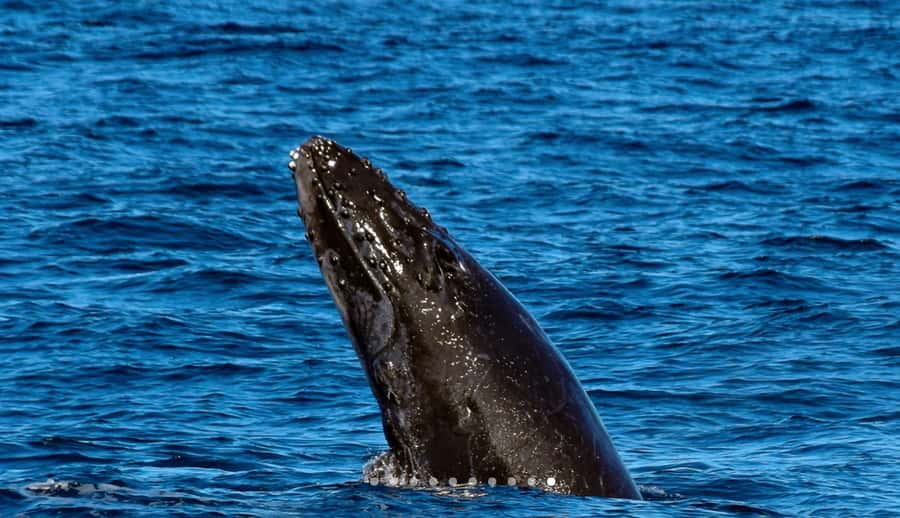
Humpback whales are the main event, but the water can produce extra rewards. Dolphins, turtles, eagle rays, and seabirds may appear during the search. Sightings have included small groups of golden-nosed dolphins and a sea turtle alongside the whales.
These encounters are not guaranteed, and they should be treated as bonuses rather than part of the promised program. The same applies to water clarity. Mooloolaba is known for generally clear water and manageable conditions that also suit other marine activities, but the whale cruise is a surface-watching trip. You are not getting in the water.
The coastline itself adds interest during the outward and return sections. You see Mooloolaba from the water, where the shoreline becomes part of the setting rather than the place you are standing. For families, that variety helps keep the outing engaging during quieter stretches.
Children under 14 must remain with an adult at all times. Unaccompanied minors are not permitted. Pregnant women and wheelchair users should choose another activity, as this cruise is not considered suitable for them.
The ethics of getting close
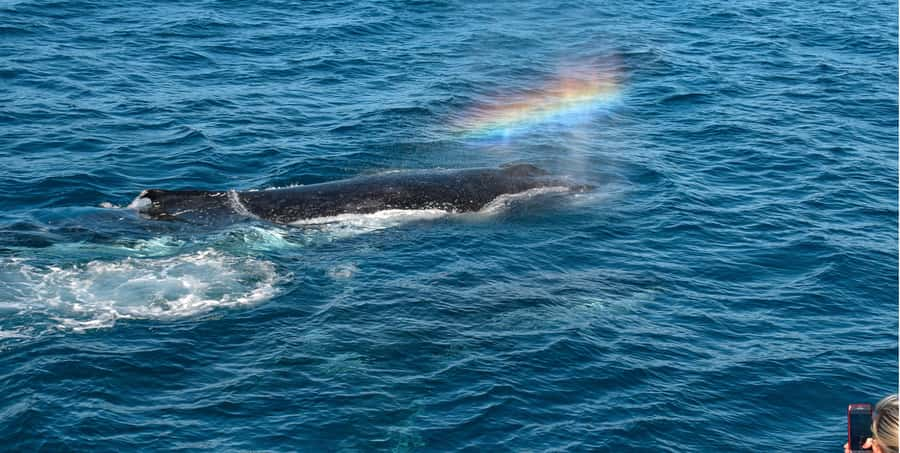
Good whale watching depends on patience and restraint. The crew makes an effort to respect the whales’ boundaries and the marine environment, keeping a safe distance even when an animal approaches the boat.
That approach is important. A close encounter may feel exciting, but it should happen because the whale chooses to approach, not because the vessel chases it. The best moments have come when humpbacks have circled, spy-hopped, or swum alongside on their own terms.
You may hear the crew ask passengers to report sightings. This can make everyone feel involved, although communication needs to stay clear when several people point in different directions. The crew will make the final call on which report to follow, since the people operating the boat have the broader view and responsibility for safe positioning.
Is $60 a good price?
At $60 per person, this is a fairly priced three-hour cruise, particularly when whale activity is strong. You get the boat ride, safety briefing, live English commentary, onboard bathrooms, several viewing areas, and a free return trip if no whales are seen.
The guarantee deserves careful reading. If the crew does not sight any whales, you do not receive a refund. Instead, you are offered another trip. That is useful if you are staying in the area long enough to try again, but it has less value if your visit ends the same day.
The main value comes from the crew and boat rather than from luxury extras. Food and drinks cost extra, hotel pickup is not included, and souvenirs are separate. One booking channel has also been reported as more expensive than booking directly with Sunreef, including a difference of about $40 in one case. It is worth checking the direct price and family-pass options before paying, especially for a larger group.
At the same time, compare the ticket with free whale watching from shore. Beach sightings can sometimes offer surprisingly good views, and one passenger preferred them to the boat view. The cruise earns its price when whales are active, when you want the chance to see them from several angles, or when you value the crew’s explanations and search skills.
Choosing the right season and conditions
The supplied outings show strong sightings from June through October, including trips late in the migration season that still found several mother and calf pairs. July and August produced close encounters, breaches, spy-hops, and groups of young males. September and October also brought active whales, including calves.
That does not create a guarantee for any particular date. Migration timing, wind, swell, visibility, and animal behavior all affect the day. The practical lesson is to keep your schedule flexible if whales are a major reason for booking.
The sea can be calm near the coast and much rougher once the boat leaves its shelter. If you are prone to motion sickness, take the crew’s advice seriously. Fresh air helped passengers on some trips, while seasickness affected others enough to distract from the whales. This is not a criticism of the operator. It is simply the reality of spending three hours on open water.
Who will enjoy this cruise most?
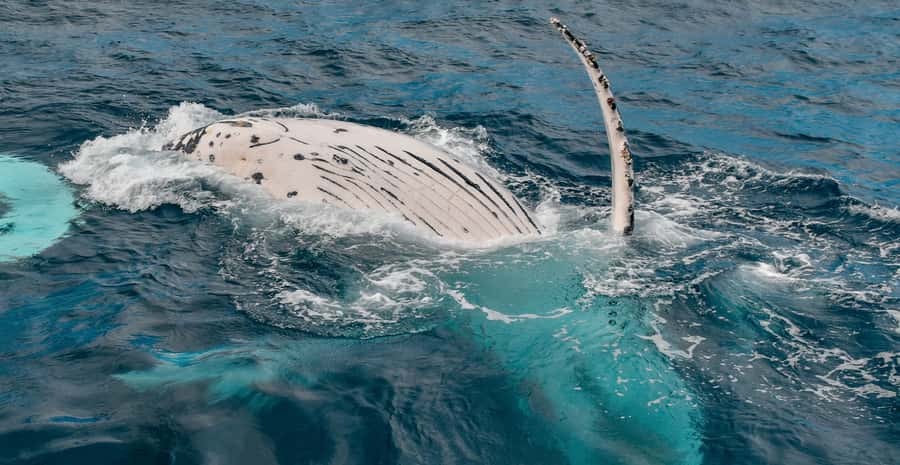
I would recommend it to families with older children, couples, photographers, and anyone who wants a guided introduction to humpback behavior. The crew’s enthusiasm helps first-time whale watchers understand what they are seeing, and the multiple decks give you a better chance of catching action from the right angle.
It is also a good fit if you care about learning as much as taking pictures. The commentary covers migration, behavior, and signs of surface activity, and the crew keeps the tone friendly rather than overly formal.
I would hesitate if you are highly sensitive to motion, pregnant, using a wheelchair, or unable to tolerate an outing where the main attraction may remain distant. Anyone with a tight schedule should also consider the sea-condition policy and the possibility of a delayed or canceled departure.
Should you book Sunreef Mooloolaba?
Book it if you want a serious chance to see humpbacks from the water, appreciate clear commentary, and can accept that the whales are in charge. The strongest outings have delivered close approaches, calves, breaches, tail slaps, dolphins, and long periods of activity, while the boat itself gives you a comfortable base for watching.
Before paying, compare the direct Sunreef rate with the $60 booking price, especially if you are traveling as a family. Pack warm layers and seasickness medication, arrive early for boarding, and keep the next day flexible if you would use the return-trip guarantee.
I think this is good value for a three-hour wildlife outing, but only if you view the guarantee correctly. You are buying access, guidance, and a well-equipped boat, not a staged show. If that sounds right to you, Mooloolaba is a strong place to try whale watching.
FAQ
How long is the Mooloolaba whale watching cruise?
The cruise lasts three hours. The whale search begins about 15 minutes after leaving the Mooloolaba River, once the boat reaches the river mouth.
How much does the cruise cost?
The listed price is $60 per person. Food, drinks, hotel pickup, and souvenirs are not included.
Where do I meet the boat?
Check in at the Sunreef Mooloolaba desk at Shop 11 or 12, The Wharf Mooloolaba. Arrive at least 15 minutes before departure.
What happens if no whales are seen?
You receive a free return trip if no whales are sighted. You are not eligible for a refund in that situation.
Is whale watching guaranteed?
No. The operator offers a free return trip if no whales are seen, but whales are wild animals and their behavior cannot be controlled.
What animals might I see besides whales?
You might see dolphins, turtles, eagle rays, and seabirds. These sightings are not guaranteed.
What seating is available on the boat?
The vessel has indoor, outdoor, upstairs, and downstairs seating. Moving between areas can help you find the best viewing position.
What should I bring?
Bring warm clothing, sunglasses, a hat, a camera, comfortable clothes, and sunscreen. Seasickness medication is available onboard but is not included.
Can I bring food and drinks onboard?
Outside food and drinks are not permitted. Snacks, soft drinks, and alcohol are available from the onboard bar, with alcohol served after 10:00 AM.
Can children join the cruise?
Children under 14 must be accompanied by an adult at all times. Unaccompanied minors are not allowed.
Just added around Australia
- Wilsons Promontory: Whale Spotting Cruise with Lunch★ 4.9 · 20 reviews
- Noosa: Epic Whale Watching Ocean Kayak Tour & Beach 4X4★ 4.8 · 7 reviews
- Whale Watching Safari Byron Bay★ 4.9 · 39 reviews
- Western Australia: Swim with Humpback Whales★ 5.0 · 20 reviews
- Tweed Heads: Whale Watching Boat Tour★ 4.7 · 30 reviews
- Bremer Bay Orca Experience★ 5.0 · 79 reviews
- Wilsons Prom Whale Cruise★ 5.0 · 104 reviews
- Whale Watching and Wildlife Cruise Townsville and Magnetic Island★ 5.0 · 11 reviews
Whale Watching Cruises in Australia, compared.
Brisbane Whale Watching Cruise from Redcliffe or Sunshine Coast
Read our review →Freedom 3/4 Day Hervey Bay Premium Whale Watching Cruise
Read our review →
Sydney Whale-Watching Cruise Including Lunch or Breakfast
Read our review →
From Fremantle: 2-Hour Luxury Whale-Watching Cruise
Read our review →Browse the lists this tour appears in