REVIEW · CATAMARAN WHALE WATCHING IN SPAIN
Lanzarote: Whale and Dolphin Watching Eco-Friendly Catamaran
The quietest boat may offer the best view. This four-hour catamaran trip from Puerto Calero uses the Canary Islands’ first fully electric, emission-free boat, so you can watch marine life without engine fumes or a noisy motor. I especially like the onboard hydrophone, which lets you hear whales and dolphins beneath the surface, and the small-group feel that keeps the outing personal.
I also like the careful approach to wildlife. The crew aims to watch dolphins and whales without chasing or crowding them, and recent trips have included several dolphin species, whales, and even a turtle. The main drawback is simple: wild animals do not follow a timetable. One February outing found no whales or dolphins, and cool, cloudy weather made the four-hour ride less comfortable.
Key points to know before booking
- Fully electric catamaran: Silent, emission-free cruising means less noise, no diesel smell, and a calmer setting for wildlife watching.
- Hydrophone onboard: You may hear whales and dolphins communicating underwater, not just see them at the surface.
- Four hours from Puerto Calero: The boat departs from Pontoon F22, with parking nearby and easy access by taxi or bus.
- Wildlife sightings are never guaranteed: Recent outings have spotted dolphins, whales, and a turtle, but one trip saw no marine animals.
- Snacks and local refreshments included: Expect fresh fruit, sweet snacks, and soft drinks during the trip.
- Best for mobile passengers: The catamaran is not suitable for wheelchair users, and you should bring a hat and sunscreen.
Setting out from Puerto Calero on the electric catamaran
Your meeting point is Marina Puerto Calero, Dock F22. The marina has parking, and you can also reach it by bus or taxi. Give yourself enough time to find Pontoon F22, since marinas can have several piers and the boat is not located in a town-center street setting.
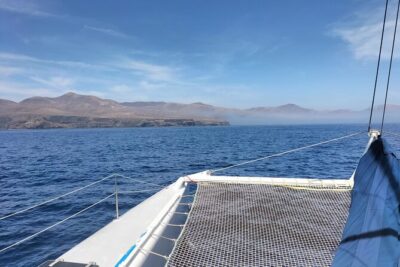
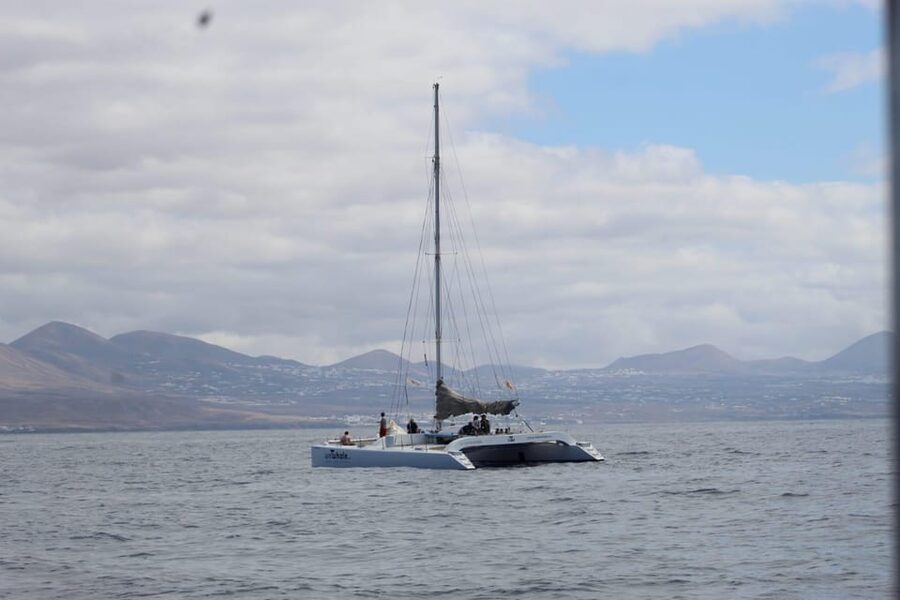
The boat itself is the main attraction before the wildlife search even begins. This is the Canary Islands’ first fully electric catamaran, with an emission-free motor that allows it to travel without the usual diesel fumes. That matters more than it might sound. On a traditional boat, the smell and rumble of the engine can become part of the experience. Here, the quieter ride keeps the mood calmer and makes it easier to listen to the sea and the crew.
The boat does not sail during this tour, despite being a catamaran. It travels under electric power. That distinction is useful if you are choosing between a sailing trip and a wildlife outing. You are booking this experience for its quiet propulsion and marine-life focus, not for a sail with canvas in the wind.
The low-noise setting also supports the tour’s environmental purpose. The crew can approach an area where animals have been spotted without adding the same level of engine disturbance. It does not guarantee a close encounter, but it gives the animals more space and gives you a better chance to observe natural behavior.
More Catamaran Whale Watching in Spain
- Costa Adeje: Whale Watching Catamaran Tour with Drinks
★ 4.7 · 3,653 reviews - Whale and Dolphin Watching Catamaran with Transfer and Buffet
★ 5.0 · 2,712 reviews - Whale watching and listening Eco-Catamaran Tour with Food Tasting
★ 5.0 · 1,447 reviews
The first hour: leaving Lanzarote’s coast behind
The exact route depends on weather and where marine life is active, so you should not expect a fixed series of sightseeing stops. The early part of the trip is a gradual move away from Puerto Calero and along Lanzarote’s Atlantic coast, with views back toward the island.
This is a good time to settle into the boat, listen to the safety information, and get used to the open water. The catamaran is designed to keep you close to the sea, which makes the water feel more immediate than it does from a high-sided excursion boat. That closeness is a plus for photos and wildlife watching, though it also means you should protect yourself from sun and wind.
Bring a hat and sunscreen. Even on a cloudy day, the open Atlantic can expose you to strong sunlight. A recent February trip was described as cool and overcast, so a light extra layer is also sensible, particularly outside the warmer months. The provided information specifically lists a hat and sunscreen, but practical comfort can change with the season.
As the boat reaches open water, the crew begins explaining the marine environment around Lanzarote. The commentary is offered in English, Spanish, and French. That makes the experience easier to follow for a mixed-language group, and the educational element helps you understand what you are watching rather than simply waiting for a fin to appear.
Searching for dolphins, whales, and other marine life
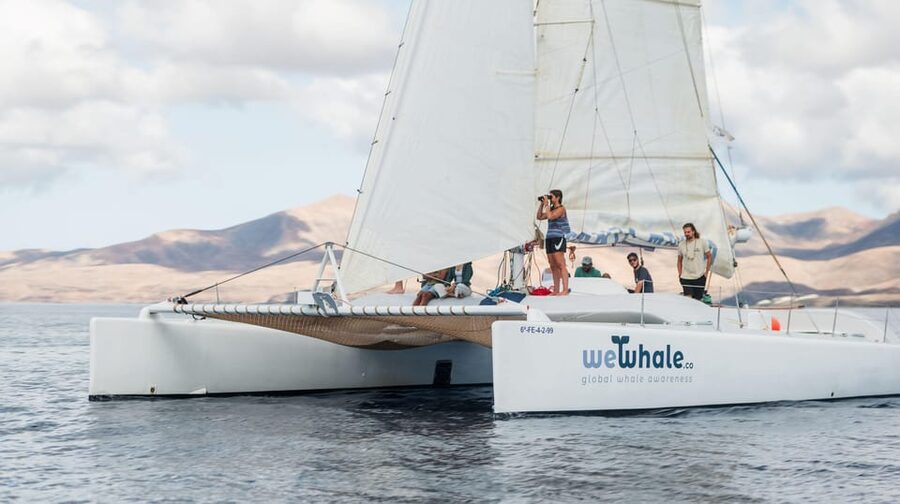
The wildlife search is the heart of the outing, but it is not a staged animal show. The boat moves through areas where dolphins and whales may pass, while the crew watches the water for movement, blows, fins, or groups traveling together.
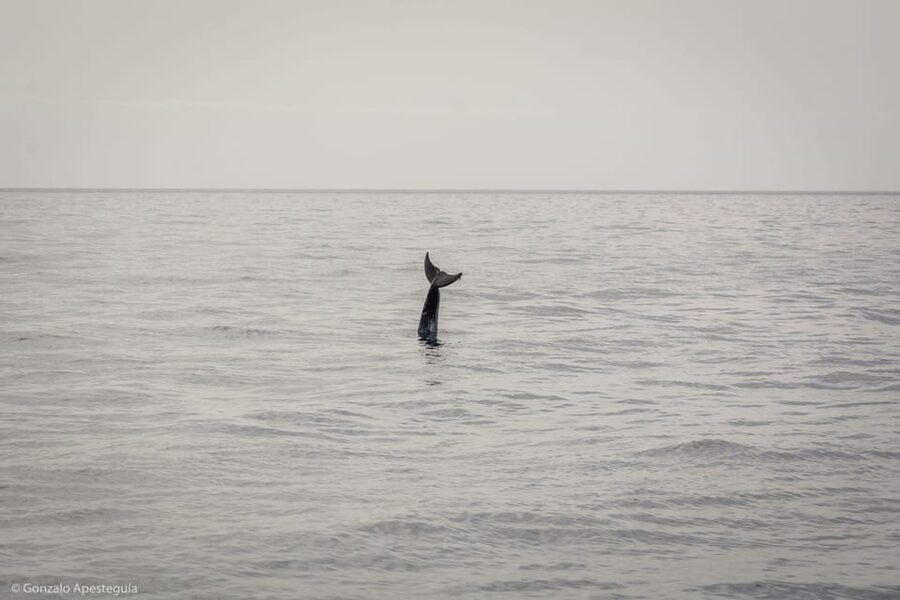
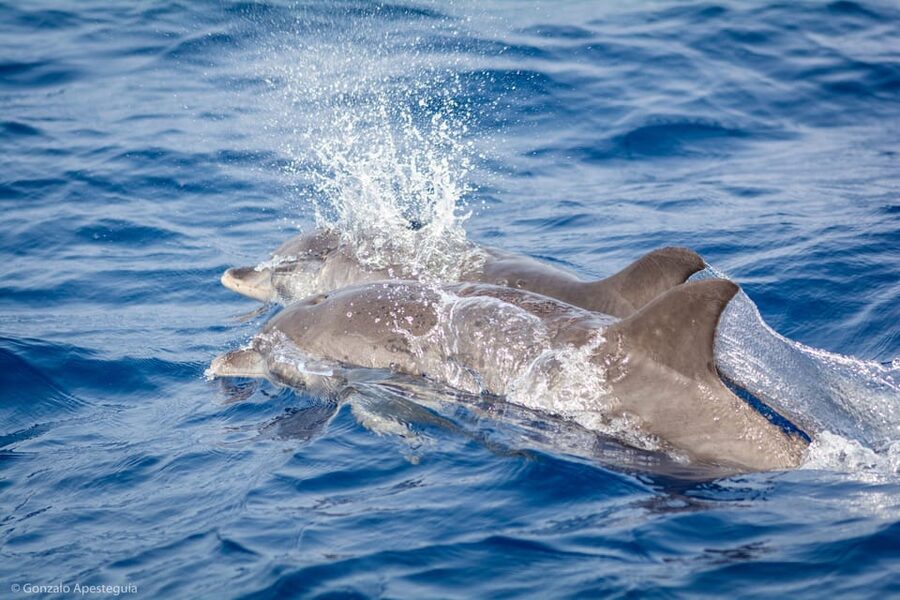
You might see dolphins moving in pods, surfacing in repeated patterns, or playing near the boat. Some recent outings have recorded two types of dolphins and several schools. Whales have also been seen, along with a turtle. These sightings show the potential of the trip, but they should not be treated as a promise.
That uncertainty is part of the bargain with any wild-animal excursion. A four-hour duration gives the crew time to search, but it cannot control the animals, the wind, or the visibility. One trip in early February found no whales or dolphins at all. If seeing a particular species is your only reason for booking, you may be disappointed.
I would frame the value differently. You are paying for time in a quiet electric boat, expert interpretation, and a responsible search in the Atlantic. A sighting can turn the trip into a highlight, but the experience should still make sense to you if the sea remains empty.
The crew’s behavior is especially important. The stated approach is to avoid disturbing the animals, and a report from a dolphin sighting noted that the boat did not pressure or crowd them. That may mean a shorter view or a greater distance than you would get from a reckless operator. It is the right trade-off. Good wildlife watching leaves the animals in charge.
Listening beneath the surface with the hydrophone
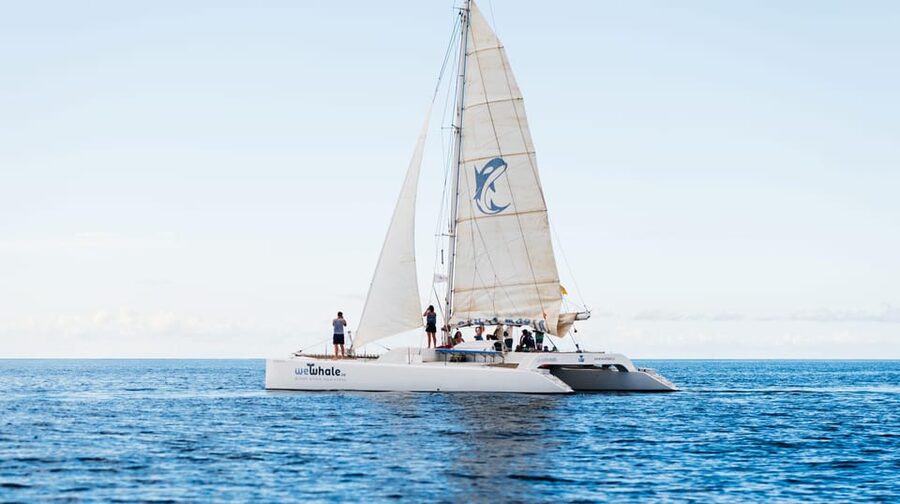
The onboard hydrophone adds something unusual. Instead of relying only on what you can see above the waves, you may listen to the sounds of whales and dolphins communicating underwater.
This changes the pace of the trip. You are not simply scanning for a dorsal fin and taking a photograph. You are also paying attention to the hidden world below the catamaran. Even if the animals remain out of sight, the hydrophone can make the sea feel active rather than empty.
The device also supports the educational side of the tour. The crew can explain what you are hearing and connect those sounds to the animals’ behavior. Since languages are available in English, Spanish, and French, you should be able to follow the commentary in your preferred language when booking options allow.
Do not expect a guaranteed underwater concert. The hydrophone is a listening tool, not a promise that whales or dolphins will be nearby at every moment. Still, it is one of the strongest reasons to choose this trip over a basic sightseeing cruise.
More Whale and Dolphin Watching Tours in Spain
- Tenerife: Eco-Yacht Whale and Dolphin Watching and Swimming
★ 4.7 · 15,619 reviews - Los Cristianos Respectful No-Chase Whale and Dolphin Safari
★ 4.6 · 12,782 reviews - Costa Adeje: Whale & Dolphin Eco-Cruise with Snacks & Drinks
★ 4.6 · 5,096 reviews - Los Gigantes: Dolphin & Whale Watching Cruise with Swim Stop
★ 4.7 · 4,539 reviews
Snacks, drinks, and the four-hour rhythm
A four-hour boat trip needs a break in the rhythm, and refreshments are included. You can expect fresh fruit, soft drinks, and snacks with local flavors, including sweet treats mentioned by recent passengers.
This is not presented as a full meal, so eat normally before you board. The included food is best viewed as a useful refreshment during the outing rather than a replacement for lunch. It also adds a local touch without turning the trip into a food tour.
The small-group atmosphere receives particular praise. A smaller boat can feel more personal than the large vessels used for many whale and dolphin excursions. You are closer to the water, and it should be easier to hear the crew’s explanation and ask questions.
There is a trade-off. A smaller catamaran may offer less room to spread out than a large cruise boat. The provided information does not give a passenger capacity, so you should not assume a specific group size. Still, the reports of an attentive crew and a more personal feel suggest that this is aimed at quality of contact rather than maximum passenger numbers.
Smoking, alcohol, drugs, littering, and feeding animals are not allowed. These rules are sensible on a wildlife trip, especially one built around low-impact observation. Keep rubbish with you until the crew provides a proper place for it, and do not try to attract dolphins with food.
Why the electric motor changes the experience
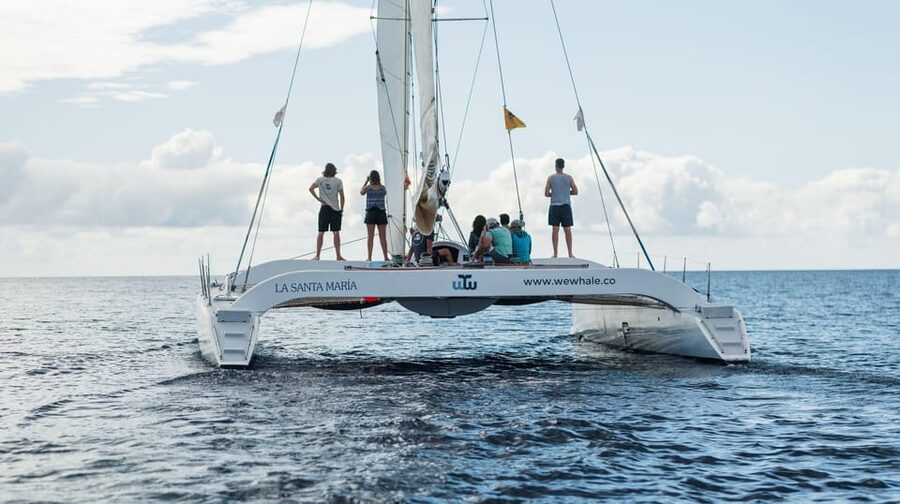
The environmental message here is not just printed on a brochure. The electric propulsion affects what you hear, smell, and feel onboard.
There is no diesel odor drifting across the seating area, and the quieter motor makes it easier to enjoy natural sounds. One passenger specifically praised the silence while watching dolphins. That silence is useful for more than comfort. It helps you pay attention to breathing sounds, splashes, and the crew’s instructions.
The boat’s low-impact design also fits the activity. You are looking at wild animals in their home, so a quieter vessel makes ethical sense. It does not make the tour impact-free. Any boat trip uses energy and enters the animals’ environment. But this setup attempts to reduce disturbance in a practical way.
If you are comparing prices, the electric catamaran is a meaningful part of the value. The cost is $112 per person, which is not cheap for a four-hour outing. You are paying for more than transport across the water: the specialist boat, crew commentary, hydrophone, refreshments, and a small-group experience all play a part.
The price becomes easier to justify if sustainability and comfort matter to you. It is harder to justify if you only want a guaranteed whale sighting, because no responsible wildlife tour can promise that.
Choosing the right season and weather
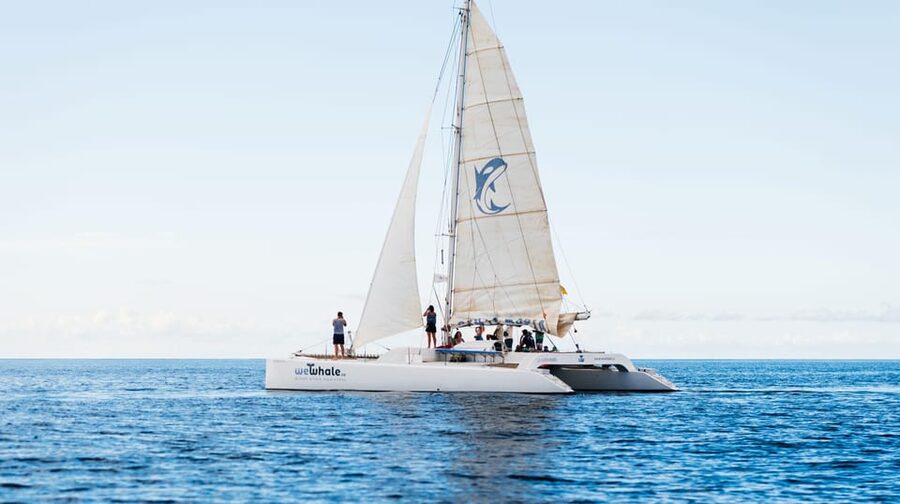
The excursion runs in all kinds of conditions, but the season can affect comfort. An early February trip was cloudy and chilly, with no wildlife sightings. That does not mean winter trips are poor, only that you should prepare for cooler conditions and keep expectations realistic.
For the most pleasant time onboard, I would favor a period with warmer, sunnier weather. The supplied information does not identify a specific best month or provide a weather guarantee, so do not book based on the expectation of perfect skies.
Sun protection remains important even when clouds are present. Bring a hat and sunscreen, and consider an extra layer if you are visiting outside the warmest part of the year. The water can feel cooler than the marina, and four hours is a long time to spend exposed to wind.
If you are prone to seasickness, the available details do not state how rough the ride can become or what remedies are supplied. You should account for that uncertainty when choosing any open-water trip. Ask the operator directly if motion sensitivity is a concern.
Who will enjoy this experience most
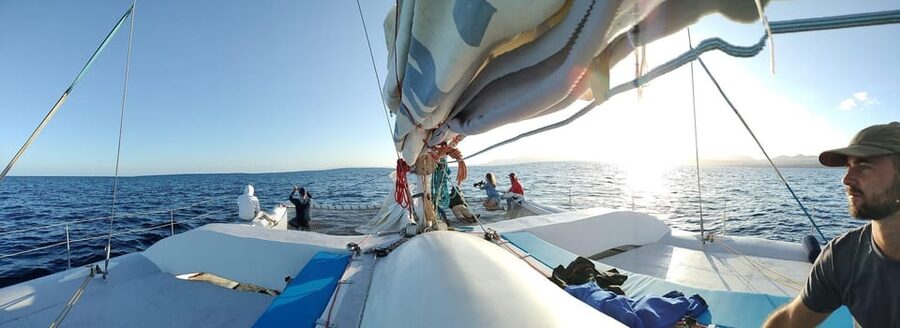
I would recommend this trip to people who care about how wildlife is observed. The crew’s refusal to crowd dolphins, the electric motor, and the no-feeding rule all support a respectful approach.
It is also a good match for families with older children who can stay attentive during a search that may take time. The hydrophone gives children something to listen for, and the crew’s explanations add substance to the outing. The available information does not specify a minimum age, so check before booking for young children.
The trip suits couples and small groups who prefer a quiet boat to a large party cruise. It also works for anyone interested in marine conservation, local ecosystems, and cleaner transport.
I would be more cautious if you need step-free access. The activity is not suitable for wheelchair users. I would also hesitate if you want a tightly scheduled sightseeing route with guaranteed animal sightings. This is an open-water search, not a theater performance.
Free cancellation is available up to 24 hours before departure, and you can reserve now and pay later. That flexibility helps when Lanzarote weather is uncertain, but it does not remove the need to check the starting time and availability before you book.
Should you book the Puerto Calero whale tour?
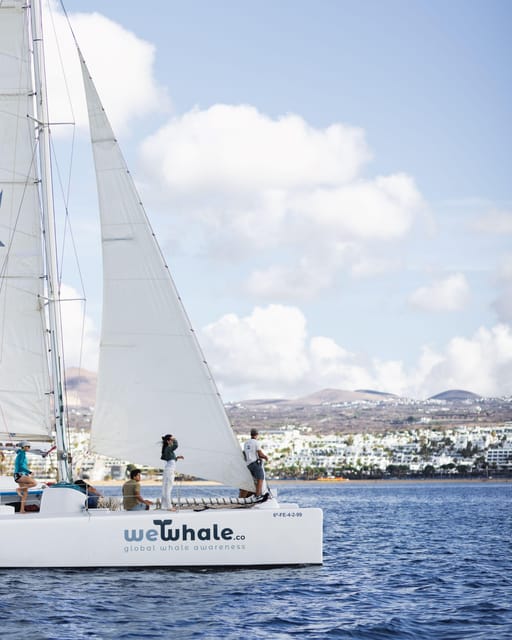
Book it if you value quiet, responsible wildlife watching and can accept that nature sets the schedule. The electric catamaran, hydrophone, friendly crew, refreshments, and close-to-the-water design give the four-hour trip more character than a standard boat ride.
Skip it if your main goal is a guaranteed photograph of a whale or dolphin, or if you need wheelchair access. At $112, the outing earns its price through the boat technology, small-group feel, and careful approach, not through certainty.
For the best chance of enjoying it, bring sunscreen, a hat, and a light layer. Arrive at Puerto Calero with enough time to find Pontoon F22, then let the sea decide what you see. Dolphins and whales may appear, or you may spend much of the trip listening to the water and learning about the animals that pass beyond view. That honest uncertainty is part of the deal.
FAQ
Where does the catamaran leave from?
The boat departs from Marina Puerto Calero, Pontoon F22. Parking is available, and the marina can be reached by bus or taxi.
How long is the whale and dolphin tour?
The excursion lasts four hours. Starting times depend on availability.
What languages are available on the tour?
Live guiding is available in English, Spanish, and French.
Are food and drinks included?
Yes. The trip includes snacks, fresh fruit, and soft drinks.
Is wildlife guaranteed?
No. The tour searches for whales and dolphins in their natural habitat, so sightings cannot be guaranteed. Some outings have seen dolphins, whales, and a turtle, while another reported no whales or dolphins.
What should I bring, and are there restrictions?
Bring a hat and sunscreen. Smoking, alcohol, drugs, littering, and feeding animals are not allowed. The experience is not suitable for wheelchair users.
Just added around Spain
- Tenerife Whale Watching and Snorkeling Yacht Trip★ 4.5 · 162 reviews
- Whale watching and snorkelling in the whale sanctuary★ 5.0 · 14 reviews
- Whale & Dolphin Watching With Mustcat Virgin Coast Trip On a Large Catamaran★ 4.0 · 3 reviews
- Whales and Dolphins excursion on a Luxury Yacht in Canary Islands★ 5.0 · 93 reviews
- Whale and Dolphin Watching EcoAdventure in Tenerife★ 5.0 · 78 reviews
- Whale & Dolphin Watching in Tenerife (Puerto Colon) On a Large Catamaran★ 4.0 · 12 reviews
- Whale & Dolphin Watching Boat Trip in Tenerife On a Sailing Boat (3 Hr)★ 3.5 · 10 reviews
- Whale Watching Catamaran to Los Gigantes & Masca (Including drinks & warm lunch)★ 4.0 · 55 reviews
Catamaran Whale Watching in Spain, compared.
Costa Adeje: Whale Watching Catamaran Tour with Drinks
Read our review →
Whale and Dolphin Watching Catamaran with Transfer and Buffet
Read our review →
Whale watching and listening Eco-Catamaran Tour with Food Tasting
Read our review →
Whale Watching Catamaran Cruise with Transfer, Buffet by MC
Read our review →Whale Watching and Listening Eco Catamaran Tour with Food Tasting
Read our review →
Tenerife Whales and Dolphins Watching Experience in Catamaran
Read our review →
Whale Watching Catamaran in Costa Adeje (Including drinks & Sandwich)
Read our review →