
REVIEW · SPAIN WHALE WATCHING TOURS
La Palma: Whale Watching Experience and Coastal Highlights
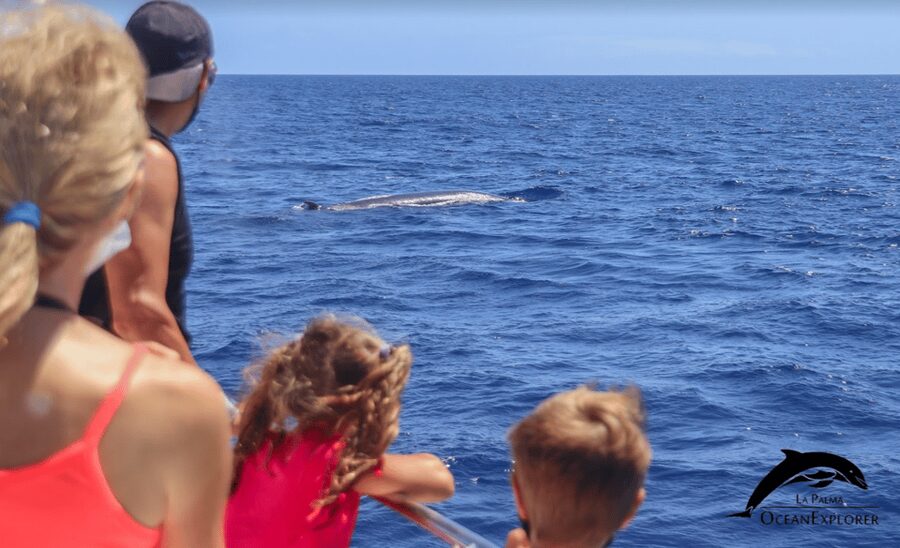
Wildlife meets volcanic coast. This three-hour cruise from Tazacorte combines dolphin and whale watching with striking sea cliffs, Cueva Bonita, Porís de Candelaria, and the new delta formed by La Palma’s 2021 eruption. I like the thoughtful marine-biology commentary and the respectful approach to wildlife. I also like that photos and soft drinks are included. The main drawback is simple: nature sets the schedule, and rough waves or a long search can affect the experience.
You board the Flipper at the marina in Puerto de Tazacorte for a cruise that works as both a wildlife trip and a coastal sightseeing tour. A 96 percent cetacean-sighting success rate is encouraging, but it does not promise whales, dolphins, or calm seas on your particular departure. English and Spanish are offered, though some English-speaking passengers found the microphone commentary hard to follow.
Key Points Before You Book
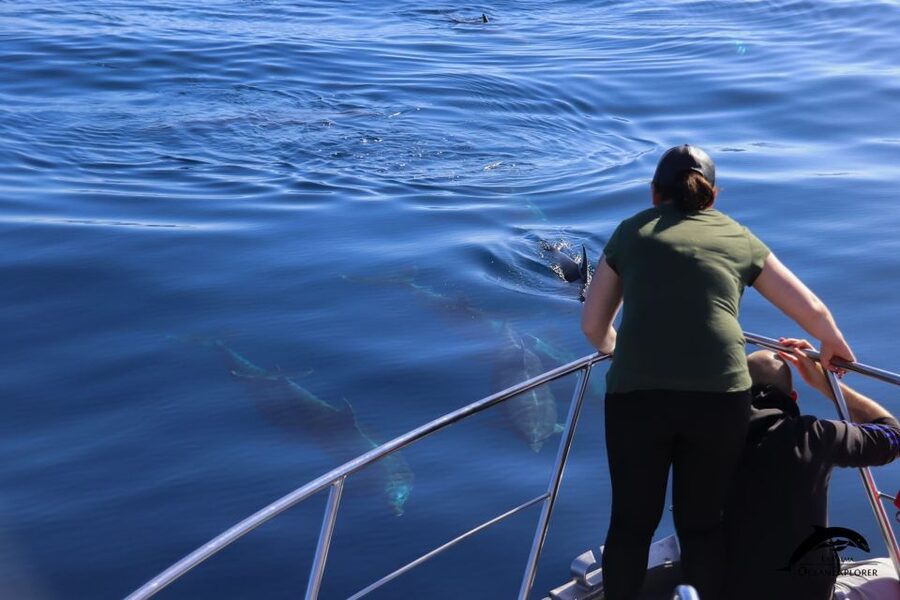
- A 96 percent sighting success rate: Dolphins and pilot whales are often found, but no wild animal appearance can be guaranteed.
- Two very different experiences in one cruise: You spend part of the trip along La Palma’s cliffs and caves, then head offshore to search for marine life.
- Cueva Bonita and Porís de Candelaria: The coastal stops add real scenery even when wildlife is quiet.
- A close look at the 2021 volcanic delta: The boat provides a useful view of the new coastline created by the eruption.
- Marine biologists on board: The commentary covers whales, dolphins, and the wider sea environment, not just animal spotting.
- Good practical setup: The Flipper has an upper deck, lower deck, forward viewing area, toilet, smoking area, refreshments, and wheelchair access.
From Tazacorte Marina to the Open Sea
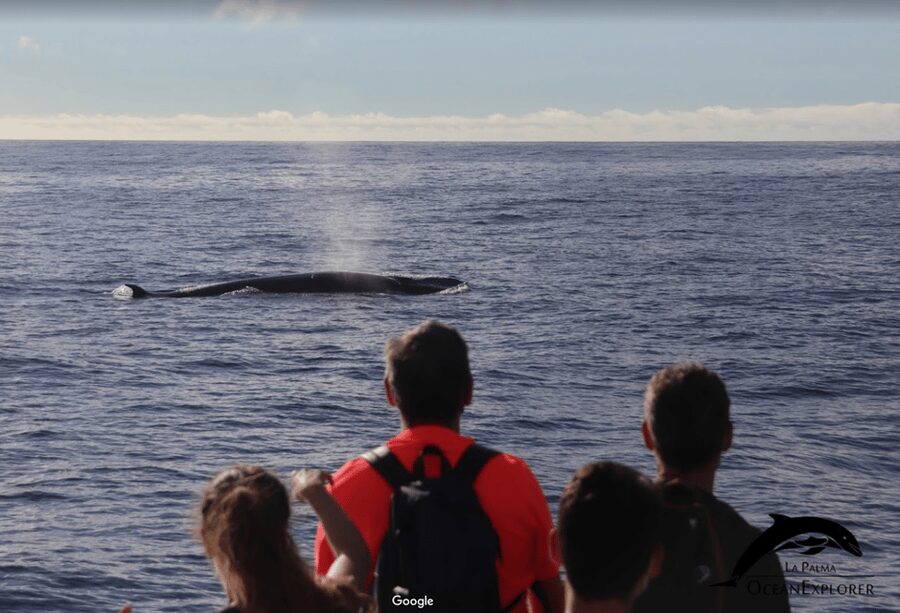
The meeting point is the Ocean Explorer La Palma office at Muelle Deportivo SN, 38779 El Puerto de Tazacorte. You need to make your own way to the harbor, since transport to and from the port is not included. Allow time to find the marina and check in without rushing.
The Flipper is arranged for more than one kind of passenger. The forward area is the best place for clear wildlife views, while the upper and lower decks give you options if the sun, wind, or spray becomes tiring. There is also a toilet, which matters on a three-hour trip, especially for families.
Soft drinks are included, and a photographer on the crew provides photos afterward at no extra charge. Lunch is not included, so eat before boarding if you expect to be hungry. Bring a sun hat and sunscreen, but also pack a warm layer. One passenger reported cloudy weather and a cold wind, while another found the waves strong enough to make some people uncomfortable.
The boat is wheelchair accessible, but the supplied information does not explain the exact boarding arrangements or whether every viewing area can be reached independently. If you use a wheelchair, contact the operator before booking to confirm the practical details.
A few more whale watching trips around Spain worth a look
- Tenerife: Eco-Yacht Whale and Dolphin Watching and Swimming
★ 4.7 · 15,619 reviews - Los Cristianos Respectful No-Chase Whale and Dolphin Safari
★ 4.6 · 12,782 reviews - Costa Adeje: Whale & Dolphin Eco-Cruise with Snacks & Drinks
★ 4.6 · 5,096 reviews
La Palma’s Western Cliffs and Sea Caves
The first part of the cruise follows the western coast of La Palma. This is not filler before the whales appear. The cliffs, dark volcanic rock, and sea caves show how much of the island is best understood from the water.
The boat visits Cueva Bonita, often described as the Beautiful Cave. Entering or approaching this cave gives you a close look at the rough volcanic coast from a low, changing viewpoint. Land-based roads can bring you near some coastal villages, but a boat reveals the sea-facing side of the cliffs, including shapes and openings that are difficult to appreciate from shore.
Porís de Candelaria is another highlight. This dramatic coastal location is known for homes and structures set into a cliffside cove. From the boat, you get a different sense of its isolation and setting. The visit also helps explain why La Palma’s coast has such a strong connection to the sea.
The exact order and time spent at each point can vary with conditions and wildlife activity. If dolphins are nearby early in the cruise, the crew may adjust the plan. That flexibility is useful, but it means the trip is not a rigid sightseeing circuit with a precise minute-by-minute schedule.
The 2021 Volcanic Delta from the Water
The cruise also approaches the new volcanic delta formed by the 2021 eruption. This is one of the most distinctive parts of the experience because you are seeing a coastline that did not exist before the eruption.
From the sea, you can appreciate the scale and shape of the new volcanic ground more clearly than from a distant viewpoint. The boat gives you a moving perspective along the edge of the delta, while the guide explains what you are seeing. One passenger particularly valued the approach to the volcanic area alongside the coastal cliffs and marine life.
This stop is especially worthwhile if you have been following La Palma’s volcanic activity or want a clearer sense of how eruptions change an island. It also gives the cruise a strong local connection. You are not simply looking for animals in open water. You are seeing how geology and marine life meet along La Palma’s western shore.
Searching for Dolphins and Whales
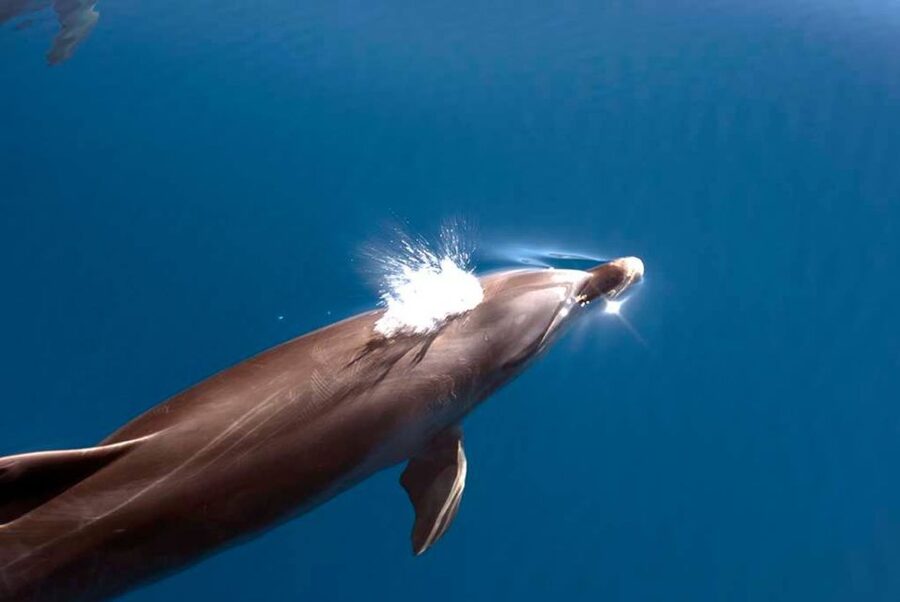
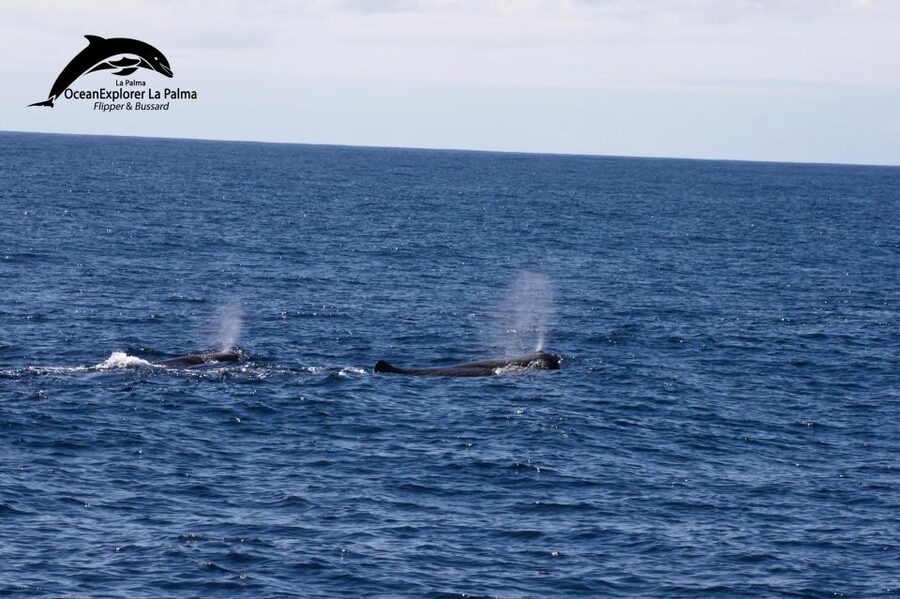
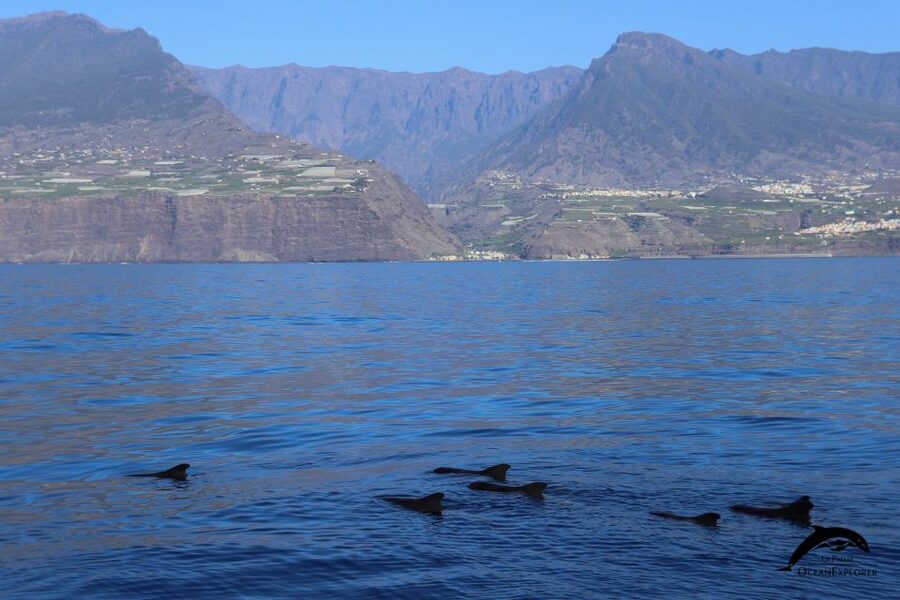
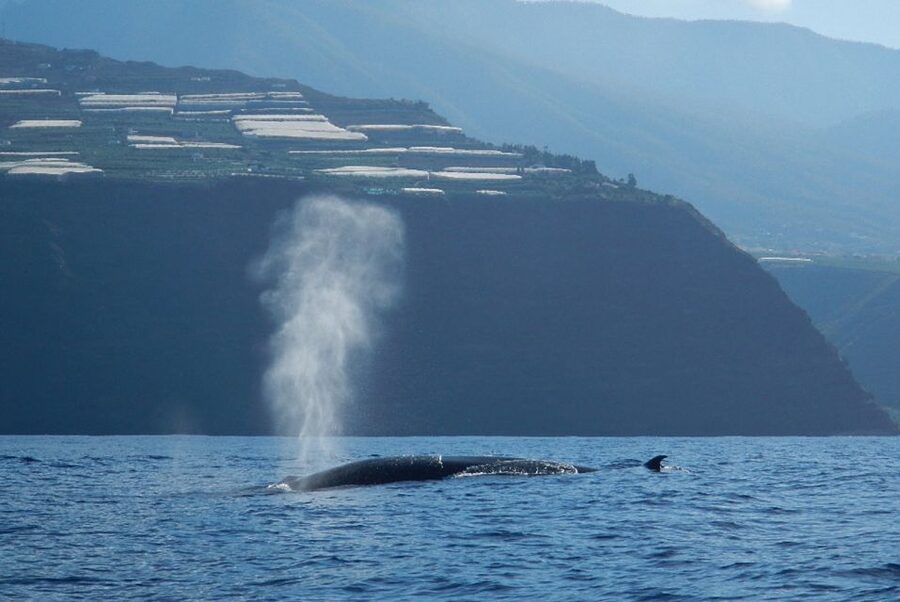
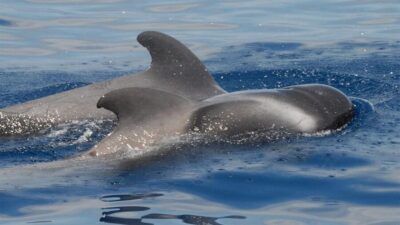
After following the coast, the Flipper heads farther offshore to search for cetaceans. Depending on the day, you may see dolphins, pilot whales, or other whale species. Several departures produced large groups of pilot whales, while others found striped dolphins or bottlenose dolphins moving near the boat.
The best sightings can be thrilling. A large pod of pilot whales offers a slower, more powerful encounter, while dolphins may travel in groups and leap beside the boat. The experience is less predictable than an aquarium visit, which is exactly why the marine biologists place emphasis on observation and respectful boat handling.
The 96 percent success figure is a strong reason to consider this cruise, but you should read it correctly. It suggests a very good chance of seeing at least some cetaceans across the operator’s outings. It does not mean every trip produces whales, and it does not say how long the animals remain nearby.
One departure found dolphins during the first half hour, then spent much of the remaining time searching without another major sighting. The boat returned about 30 minutes early on that occasion. That is a useful reminder that the ocean can turn a promising start into a quieter second half.
Another outing saw only pilot whales, but the coastal caves and volcanic scenery still made the trip worthwhile. If your main goal is a particular species, such as orcas or humpback whales, this is not the right expectation. If you want a chance to see local dolphins and whales while learning about the sea, the odds look much better.
Same water, a different way to meet them:
- Los Gigantes: Dolphin & Whale Watching Cruise with Swim Stop
★ 4.7 · 4,539 reviews - Morro Jable: Dolphin & Whale Watching Cruise, Drinks & Swim
★ 4.1 · 4,158 reviews - From Morro Jable: Dolphin and Whale Watching and Snorkelling
★ 4.6 · 3,687 reviews - Costa Adeje: Whale Watching Catamaran Tour with Drinks
★ 4.7 · 3,653 reviews
Marine Biology That Adds Meaning
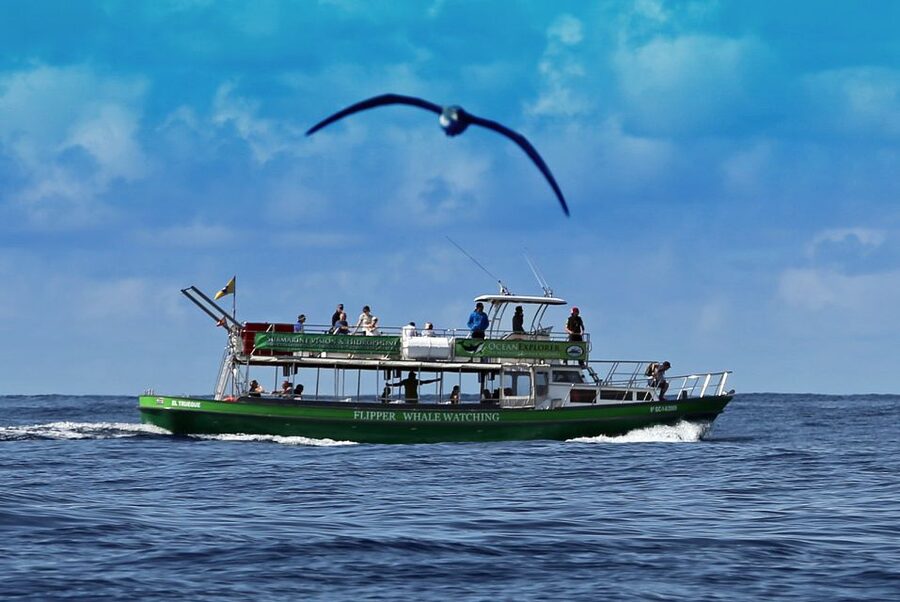
The guides are marine biologists and experienced boat crew, so the commentary is meant to explain behavior, species, and the marine setting. The strongest part of the commentary is its practical connection to what you are seeing. When a pod appears, the guide can help you understand whether you are watching pilot whales, striped dolphins, or bottlenose dolphins.
I also value the operator’s stated concern for the animals’ well-being. One passenger specifically appreciated that the crew kept the dolphins’ welfare in mind while watching them. That matters. A wildlife trip should not treat animals as a performance scheduled for the boat.
Language delivery is the main weak point. The tour is offered in Spanish and English, and several English speakers praised the guide’s language skills. Still, some had trouble understanding announcements through the microphone, and one passenger found that far more information was given in German than in English on a supposedly English tour.
This may depend on the guide and the group on your departure. If precise narration matters to you, tell the crew at the start that you would like the English explanations repeated clearly. Even if you miss parts of the commentary, the visual experience of the coast and wildlife remains accessible.
Boat Comfort, Weather, and Sea Conditions
Three hours is a sensible length for this kind of outing. It gives the crew time to travel along the coast, visit the caves and volcanic delta, and search offshore without turning the trip into an all-day commitment. You still have time afterward for lunch or another La Palma activity.
The sea is the biggest comfort variable. Some departures are calm and pleasant. Others encounter enough swell that not everyone enjoys the ride. Even when the weather looks fine on land, conditions offshore can be different. Take motion-sickness precautions if you normally need them, although the supplied information does not specify whether medication is available on board.
Dress in layers. A hat and sunscreen protect you from the sun, while a fleece or light jacket helps with wind. The boat has upper and lower deck areas, so you can change position during the cruise. The forward area is likely to be the prime viewing spot, but it may also receive more wind and spray.
A smoking area is provided at the stern. That keeps smoking more contained and leaves the main viewing spaces more comfortable for everyone else.
Is $68 a Fair Price?
At $68 per person, the trip is fairly priced for a three-hour boat outing that includes a marine biologist guide, soft drinks, and photos. You are paying for more than the chance of spotting an animal. The price also covers the coastal cruise, cave visits, Porís de Candelaria, and the 2021 volcanic delta.
The included photos improve the value. Wildlife photography from a moving boat can be difficult, especially when dolphins surface quickly or whales appear at a distance. Having the crew’s images means you can enjoy the moment instead of keeping your phone raised the entire time.
The value is strongest if you treat this as a combined nature and scenery trip. If you see dolphins and whales, the price feels easy to justify. If wildlife is limited to one species or a brief appearance, the caves, volcanic coast, guide, and photos still give the outing substance.
The price does not include food or port transfers. Those are minor costs compared with the ticket, but you should plan for them. Bring your own lunch or eat before or after the cruise, and arrange transport to Puerto de Tazacorte yourself.
Who Will Enjoy This Cruise Most?
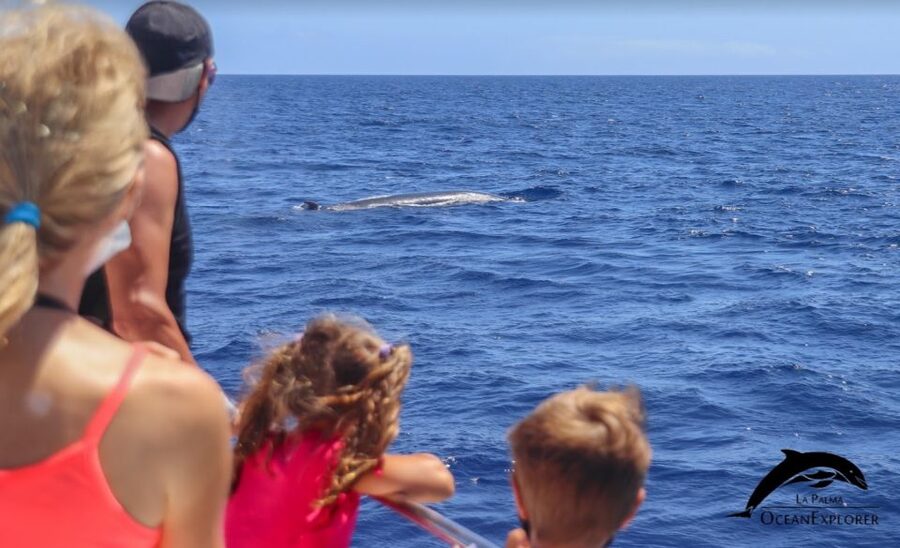
I would recommend this experience to anyone who wants a gentle introduction to La Palma’s coast without committing to a full-day boat trip. It suits couples, families, photographers, and anyone interested in marine life or volcanic geology.
It is also a good choice if you prefer an educational outing. The marine biology focus gives the trip more purpose than simply circling the coast and hoping for a fin. You learn about the animals while seeing them in their natural setting.
You should think twice if you dislike open-water motion, need guaranteed whale sightings, or want a tightly scripted tour with constant commentary in English. The sea may be rough, the search may take time, and some announcements may be difficult to hear.
The cruise is also a sensible option for mixed-interest groups. One person can enjoy the dolphins, another can focus on the cliffs and caves, and someone else can take interest in the volcanic delta. That range helps on days when the animals are less cooperative.
Booking Advice for a Better Day
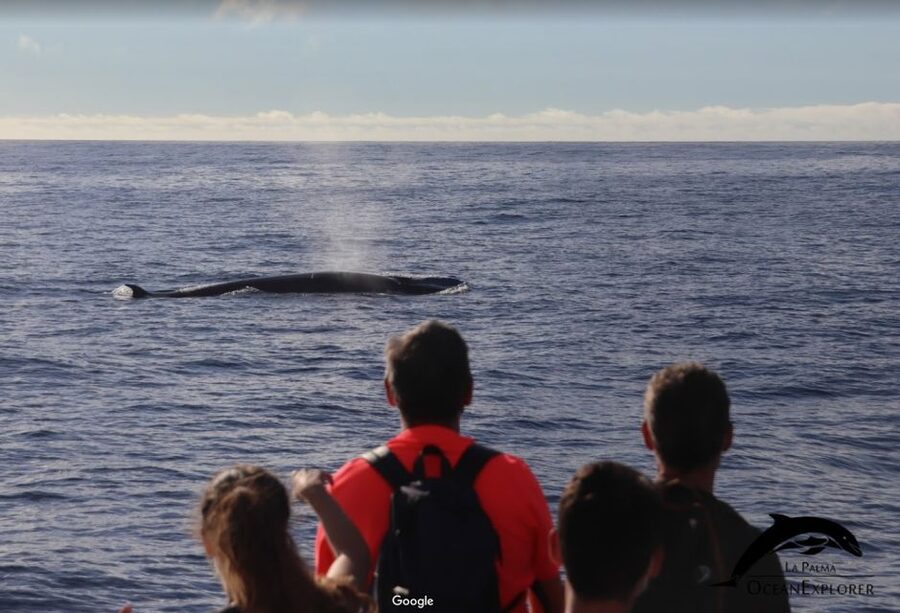
Choose a departure time that fits your tolerance for sun and wind, but do not assume that one part of the day guarantees better sightings. The supplied information confirms starting times vary, so check availability when booking.
Arrive at the Tazacorte marina prepared for a boat day, not a beach day. Wear secure shoes, bring sun protection, and carry a warm layer. Eat beforehand because there is no lunch, though soft drinks are provided.
Keep your expectations flexible. The crew may spend more time searching than you hoped, or return early if conditions and sightings do not support continuing. That is frustrating, but it is also part of responsible wildlife watching.
Free cancellation is available up to 24 hours before departure, and you can reserve now and pay later. Those options help if your La Palma plans depend on weather or changing schedules.
Should You Book La Palma’s Whale Watching Cruise?
Yes, if you want a well-rounded three-hour outing with a strong chance of seeing dolphins or whales and a useful look at La Palma’s western coast. The combination of pilot whales, dolphins, Cueva Bonita, Porís de Candelaria, and the new volcanic delta gives the trip more depth than a standard wildlife cruise.
Book it with realistic expectations. A 96 percent success rate is promising, not a guarantee. The crew may find dolphins quickly, or you may spend much of the trip searching. The sea may be calm or choppy, and English commentary may not always be easy to hear.
For $68, the included guide, refreshments, and photos make the outing good value, especially if you enjoy both nature and scenery. I would choose it for the chance to see La Palma from the water, with the wildlife as the exciting bonus rather than the only reason to go.
FAQ
Where does the La Palma whale watching cruise depart?
The meeting point is the Ocean Explorer La Palma office at Muelle Deportivo SN, 38779 El Puerto de Tazacorte.
How long does the cruise last?
The cruise lasts three hours. Starting times vary, so check availability for your chosen date.
What marine animals might I see?
You might see dolphins and whales, including pilot whales, striped dolphins, and bottlenose dolphins. Sightings are not guaranteed because the animals are wild.
What is the reported success rate for seeing cetaceans?
The excursion states a 96 percent success rate for spotting cetaceans, meaning whales and dolphins.
Is food included?
Lunch is not provided. Soft drinks are included, so you should eat before or after the cruise.
Is the tour available in English?
Yes. The live guide speaks Spanish and English. Some English-speaking passengers found parts of the microphone commentary difficult to understand.
Is the boat wheelchair accessible?
Yes, the activity is listed as wheelchair accessible. For exact boarding and deck-access details, contact the operator before booking.
Just added around Spain
- Tenerife Whale Watching and Snorkeling Yacht Trip★ 4.5 · 162 reviews
- Whale watching and snorkelling in the whale sanctuary★ 5.0 · 14 reviews
- Whale & Dolphin Watching With Mustcat Virgin Coast Trip On a Large Catamaran★ 4.0 · 3 reviews
- Whales and Dolphins excursion on a Luxury Yacht in Canary Islands★ 5.0 · 93 reviews
- Whale & Dolphin Watching in Tenerife (Puerto Colon) On a Large Catamaran★ 4.0 · 12 reviews
- Whale & Dolphin Watching Boat Trip in Tenerife On a Sailing Boat (3 Hr)★ 3.5 · 10 reviews
- Whale and Dolphin Watching EcoAdventure in Tenerife★ 5.0 · 78 reviews
- Whale Watching Catamaran to Los Gigantes & Masca (Including drinks & warm lunch)★ 4.0 · 55 reviews
Spain Whale Watching Tours, compared.
Tenerife: Eco-Yacht Whale and Dolphin Watching and Swimming
Read our review →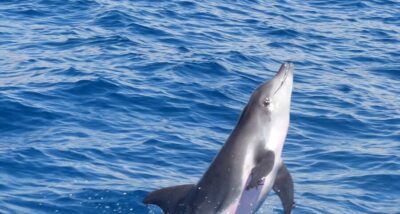
Los Cristianos Respectful No-Chase Whale and Dolphin Safari
Read our review →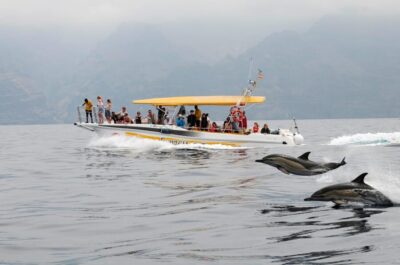
Costa Adeje: Whale & Dolphin Eco-Cruise with Snacks & Drinks
Read our review →Los Gigantes: Dolphin & Whale Watching Cruise with Swim Stop
Read our review →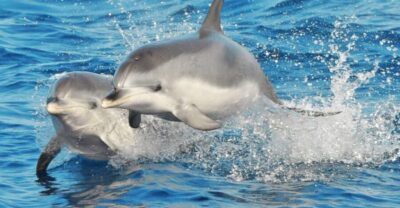
Morro Jable: Dolphin & Whale Watching Cruise, Drinks & Swim
Read our review →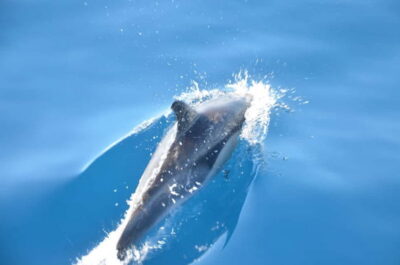
From Morro Jable: Dolphin and Whale Watching and Snorkelling
Read our review →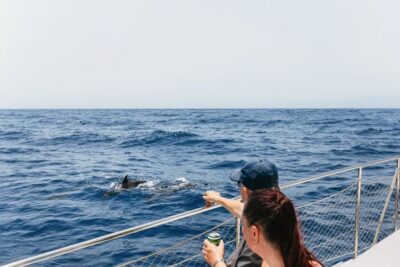
Costa Adeje: Whale Watching Catamaran Tour with Drinks
Read our review →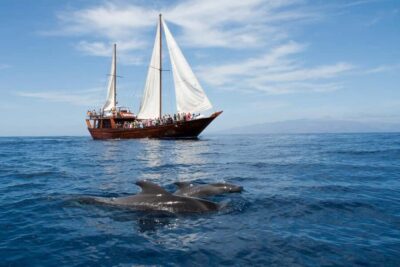
Tenerife: Whale & Dolphin Watching Cruise with Swim Stop
Read our review →Browse the lists this tour appears in