
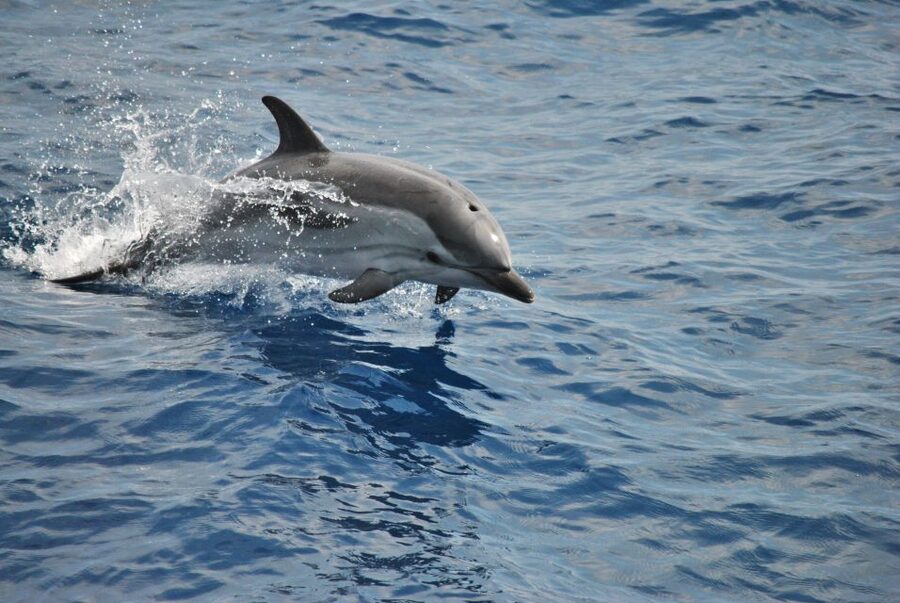
REVIEW · WHALE WATCHING CRUISES
Genoa: Pelagos Sanctuary Whale Watching Cruise
Wild animals set the schedule. This four-hour cruise from Genoa’s Porto Antico takes you into the Pelagos Sanctuary, where biologist-led searching can bring striped dolphins, sperm whales, beaked whales, turtles, and other marine life into view. I like the serious wildlife approach and the chance to reach water 1,000 to 1,500 meters deep, where larger cetaceans feed and travel.
I also like the price, about $51 per person, which is fair for a half-day on the open sea with a research-minded crew. The trade-off is clear: sightings are never guaranteed, and several hours may pass with nothing but sea and sky. Seasickness, a busy boat, or a hard-to-follow translation can also affect the experience.
Key points to know before booking
- The search begins after 30 minutes: The boat reaches open water and deeper sea before the crew starts its main wildlife watch.
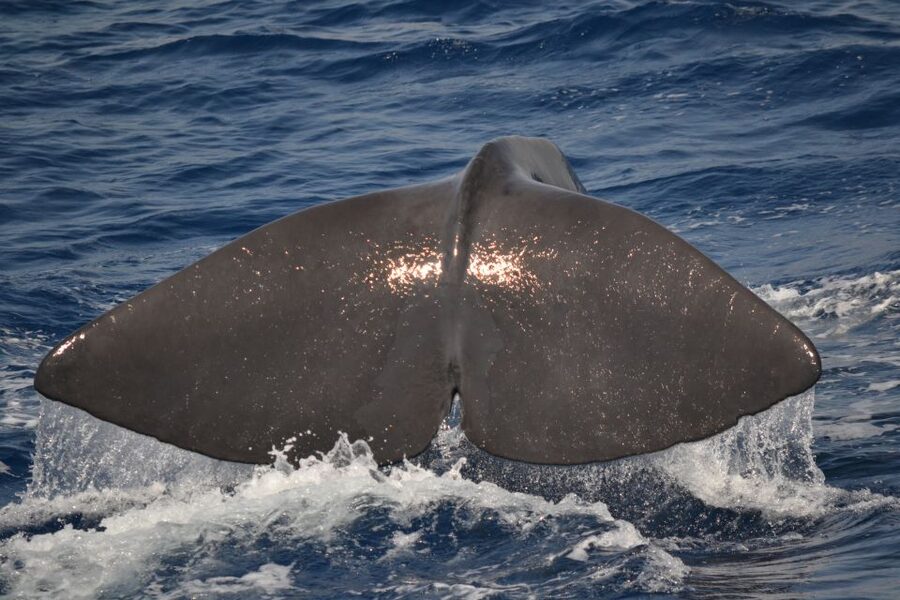
- Sightings can be impressive: Past trips have found striped dolphins, sperm whales, fin whales, Cuvier’s beaked whales, minke whales, turtles, and dolphin pods of more than 25.
- A biologist guides every cruise: The guide explains animal behavior and answers questions while the crew scans with binoculars.
- Calm weather matters most: Still seas and little wind make animals easier to spot when they surface.
- A no-sighting return option is offered: If you see no cetaceans or other wildlife at all, you can request a second trip within one year.
- This is open-sea wildlife watching: It is not suitable for people with mobility impairments, and a sensitive stomach should be taken seriously.
Genoa’s Porto Antico is the easy starting point
The meeting point is Calata Mandraccio in Genoa’s Porto Antico, near the Bigo and the Genoa Coast Guard patrol boats. That puts you in the old harbor area, a handy place to spend time before or after the cruise.
Departure is at 1:00 p.m. The boat leaves the harbor and spends roughly 30 minutes reaching the open sea. That first stretch gives you views back toward Genoa, but the main purpose is to reach the deeper water where the search has a better chance of success.
You should arrive ready for a serious boat outing, not a short harbor ride. The total trip lasts about four hours, and the crew may need to keep moving, stop, or wait while watching the surface. I would avoid scheduling a tight train connection afterward. One trip ran longer than expected when the group stayed with a whale, and the operator helped affected passengers with their next train.
More Whale Watching Cruises in the world:
- Reykjavík: Whale Watching and Marine Life Cruise
★ 4.6 · 9,838 reviews - Funchal: Dolphin and Whale Watching Catamaran Cruise
★ 4.5 · 5,697 reviews - Costa Adeje: Whale & Dolphin Eco-Cruise with Snacks & Drinks
★ 4.6 · 5,096 reviews
Reaching the 1,000 to 1,500-meter zone
After about half an hour, the boat reaches water between 1,000 and 1,500 meters deep. This is when the wildlife search properly begins.
The depth matters because the open sea offers habitat for animals that do not spend much time near the coast. The crew scans the surface for breathing animals, fins, backs, splashes, and groups of dolphins moving across the water. The work can look quiet from your seat, but it requires patience and constant attention.
A biologist guides every excursion. The guide explains the habits of the animals you encounter and answers questions about their behavior. English and Italian are available, and a German or English-speaking guide may also be available if requested. One practical point is worth noting: English explanations can be harder to follow at times, especially when the boat is crowded or the sea is noisy.
The crew uses binoculars and keeps watch from several positions. When an animal appears, the captain may adjust the boat’s course so you can reach the area before the animal disappears. The better captains respect the animals rather than chasing them, which makes this feel more like responsible wildlife watching than a race for photographs.
What you might see in the Pelagos Sanctuary
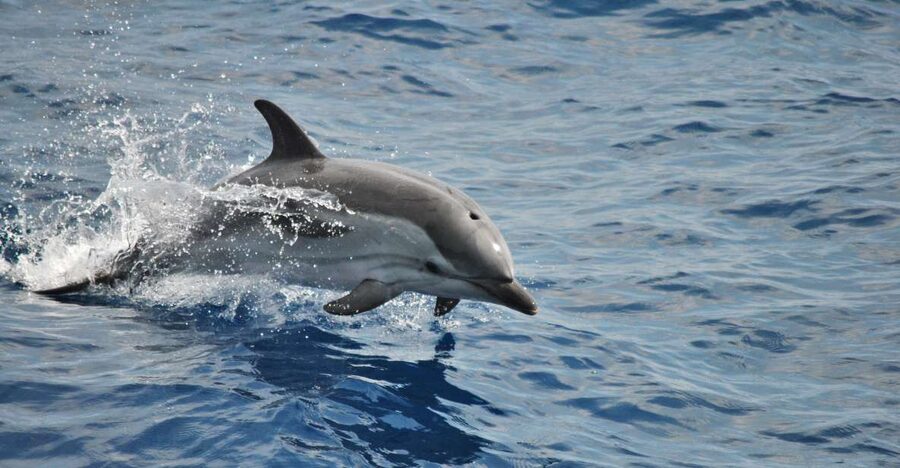
The Pelagos Sanctuary is known for a wide range of cetaceans. This cruise may encounter dolphins, striped dolphins, pilot dolphins, sperm whales, Mediterranean whales, and other species found in the sanctuary.
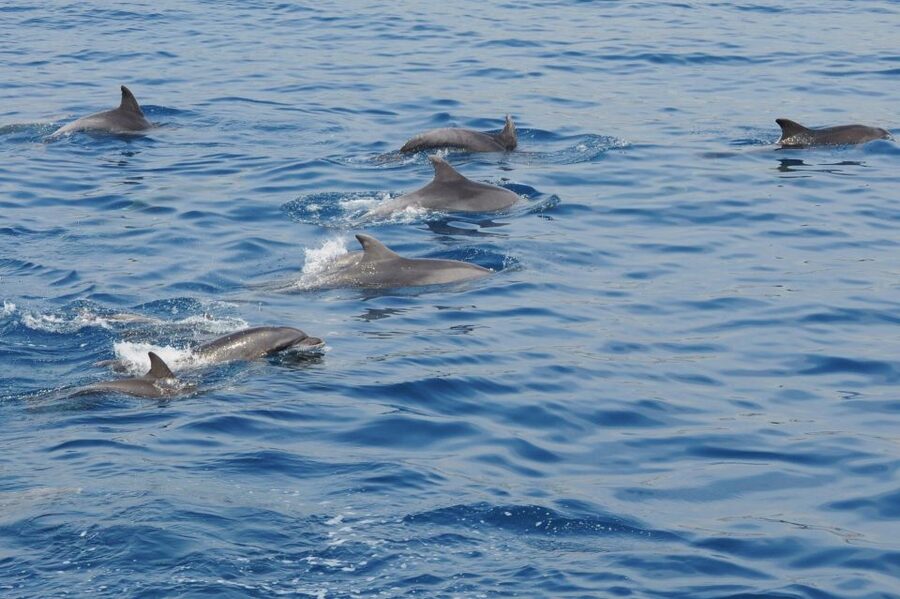
The most common and exciting sightings in the trip reports are striped dolphins. Several groups have seen large pods, sometimes more than 25 animals at a time. Dolphins may swim alongside the boat, pass beneath it, or race through the water in a fast-moving group. That can provide repeated action when whales do not appear.
Whales are less predictable, but the possible sightings are varied. Trips have found sperm whales, fin whales, juvenile minke whales, and Cuvier’s beaked whales. The beaked whales are especially unusual. They spend much of their time below the surface, so seeing several of them is a rare stroke of luck.
Some outings have seen two whales together, whales with calves, or four sperm whales on one trip. Other groups have found only dolphins, turtles, and seabirds. Both outcomes are part of the deal. You are not visiting an aquarium with a timed performance. You are searching for wild animals that surface when they choose.
Loggerhead turtles and sea turtles have also appeared. They may not be the main target, but they add interest to a day that can otherwise consist of long stretches of scanning the water.
Why patience matters on this four-hour cruise
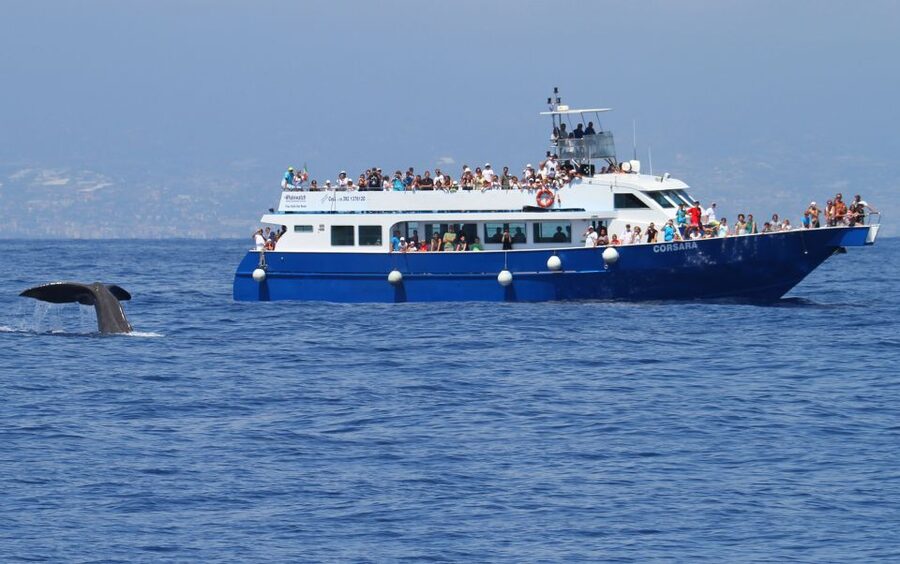
The crew describes the work as patient observation, and that is the right way to picture it. You may spend a long period looking at open water before the first sighting. One successful trip began slowly, then produced striped dolphins and two fin whales after nearly an hour.
The wait can feel long if you expect nonstop action. I would treat the boat ride itself as part of the experience: open views, fresh air, and the odd excitement of knowing that something could surface at any moment. Still, you should be honest with yourself. If you need a packed schedule, this may feel repetitive.
The best conditions are calm seas and little wind. In still water, a breathing whale or dolphin is easier to spot. Strong wind creates small waves that can hide the animals, and rough conditions can make the boat uncomfortable. The chance of seeing wildlife is described as similar throughout the year, but trips operate from April through October because the weather is generally more suitable.
April, May, and October have Sunday departures. From June through September, departures are on Wednesdays, Fridays, and Sundays. The quieter months before and after the busiest summer period may have less shipping traffic, which can make the search calmer and easier.
A few more whale watching trips around the world worth a look
- Tenerife: Eco-Yacht Whale and Dolphin Watching and Swimming
★ 4.7 · 15,619 reviews - Los Cristianos Respectful No-Chase Whale and Dolphin Safari
★ 4.6 · 12,782 reviews - From Funchal: Ecological Catamaran Dolphin Whale Watching
★ 4.5 · 8,204 reviews - Juneau Wildlife Whale Watching
★ 5.0 · 7,379 reviews
The boat, group size, and comfort level
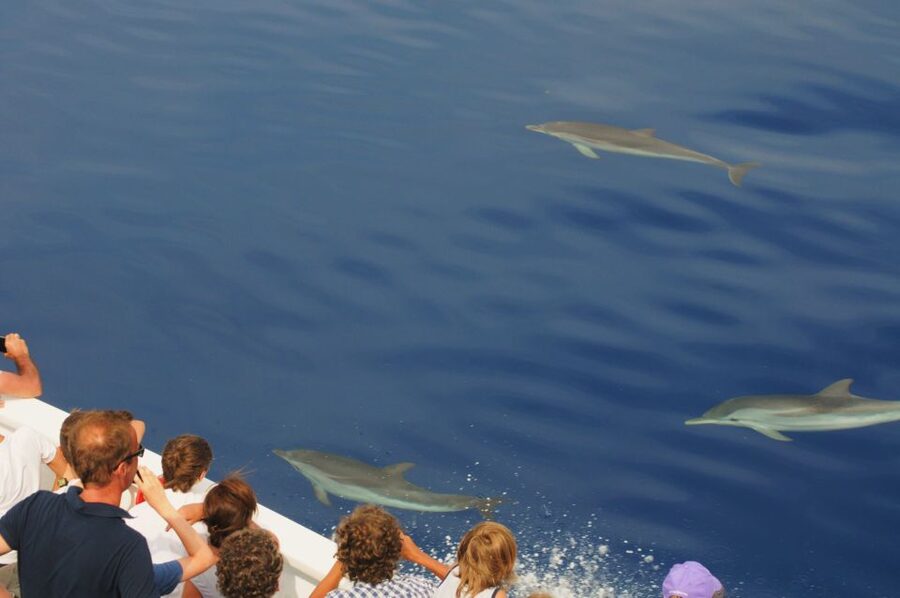
The boat is described as clean and comfortable, with toilets onboard and drinks available for purchase. Those are small details, but they matter on a four-hour trip far from shore.
The cruise runs even with a minimum number of passengers, though the actual boat can be busy. One passenger expected a smaller group and found it harder to speak directly with the marine biologist. If asking lots of questions is central to your plan, a full departure may feel less personal.
A crowded boat can also affect your view. The crew does its best to find wildlife and share the sighting, but you may need to move carefully or wait for a clear position. Binoculars help, and patience helps more. The animals may surface on one side of the boat, then vanish before everyone gets a perfect look.
The trip is not suitable for people with mobility impairments. The supplied information does not give detailed boarding or deck-access guidance, so you should contact Golfo Paradiso srl before booking if you have specific mobility needs.
The guide’s role makes the difference
The biologist is not simply there to point at a fin. A good guide gives meaning to what you see: why whales surface, how dolphins move in groups, and why certain species are harder to find than others.
This is particularly useful when the animal appears only briefly. A back breaking the surface may last seconds. An explanation of behavior can turn a quick glimpse into something easier to understand and remember.
Past trips have praised the guides for staying at the binoculars and constantly scanning. They also praised the crew’s care around wildlife. The captain may slow down or avoid chasing animals, even when a closer photograph would be tempting.
The language setup is mainly English and Italian. The guide can answer questions, but translations may not always be easy to follow. If you need German support, ask ahead rather than assuming it will be present on every departure.
Is $51 a fair price?
At about $51 per person, this is a good-value half-day if you enjoy wildlife and sea time. You are paying for a four-hour cruise, a biologist guide, a trained spotting crew, and access to offshore waters that are not part of a normal Genoa harbor outing.
The value is strongest on a day with several species. Seeing large dolphin pods, turtles, and whales can make the price feel modest. Even a dolphin-focused trip can be rewarding when the animals swim under the boat and keep pace with it.
The calculation changes if your only acceptable result is a whale. There is no fixed meeting point with an animal, no guaranteed species, and no guaranteed sighting at all. You are buying a well-organized attempt, not a whale-shaped promise.
If no wildlife of any kind is seen, you can request a second excursion free within one year of the first. You need to contact the activity provider to arrange it. This safeguard cannot fix a missed vacation schedule, but it does reduce the financial risk.
Free cancellation is available up to 24 hours before departure, and reserve-now-pay-later booking is offered. Those terms are useful when the sea forecast looks uncertain, though you should still check the exact availability and departure time when booking.
Who should book this experience
I would choose this cruise if you enjoy natural history, photography, open-water views, or the quiet tension of searching for wildlife. It also suits families with children who can manage a long boat ride and understand that the animals are not guaranteed.
It is a strong choice for a Genoa itinerary that already includes museums, churches, and city streets. The cruise gives you a different view of Liguria and a chance to spend an afternoon outside the city.
You should think twice if you dislike boats, become seasick easily, or need every hour of a trip to produce a clear attraction. The boat may spend a long time moving slowly or waiting, and the surface can look empty even when the crew is working hard.
Bring realistic expectations. You might see a pod of dolphins racing the boat, a whale with a calf, or a rare beaked whale. You might also see only a few animals after hours of searching. The experience is about the search as much as the final sighting.
Best timing and practical planning
Calm weather is your top priority. Windless days make animals easier to spot and usually make the ride more comfortable. If your schedule allows flexibility, the months before and after peak summer may offer less shipping traffic.
The cruise leaves at 1:00 p.m. and lasts around four hours, though the exact return can vary. Keep your evening open and avoid a close connection by train or other transport.
The meeting point near the Bigo and Coast Guard boats is specific enough to find, but Porto Antico has several waterfront attractions. Give yourself time to reach Calata Mandraccio rather than wandering the harbor at departure time.
I would also plan for the possibility of seasickness. The provided information does not list onboard medical services, so take your usual personal precautions if you are sensitive to motion. One passenger felt unwell toward the end, particularly while the boat was drifting and waiting.
Should you book the Pelagos Sanctuary cruise?
Book it if you can accept uncertainty and want a responsible wildlife outing rather than a guaranteed show. The biologist guide, offshore setting, and strong record of dolphin sightings make this one of Genoa’s more unusual half-day choices.
I would be especially tempted by a calm April, May, September, or October day, when conditions may be favorable and shipping traffic can be lighter. Summer can also produce excellent encounters, including whales, calves, turtles, and large dolphin groups.
Skip it if you need guaranteed whales, dislike open-water waiting, or have limited mobility. For everyone else, $51 is a sensible price for four hours of sea, science, and the possibility of a truly memorable encounter.
FAQ
Where does the cruise leave from?
The departure point is Calata Mandraccio in Genoa’s Porto Antico, near the Bigo and the Genoa Coast Guard patrol boats.
How long does the cruise last?
The excursion lasts about four hours.
What time does the boat depart?
The departure time from Genoa Porto Antico is 1:00 p.m.
What animals might I see?
Possible sightings include dolphins, striped dolphins, pilot dolphins, sperm whales, fin whales, minke whales, Cuvier’s beaked whales, sea turtles, loggerhead turtles, and seabirds.
Are whale sightings guaranteed?
No. The animals are wild, and there are no fixed times or locations for sightings. The crew searches patiently across the open sea.
What happens if no wildlife is seen?
If no sighting of any kind occurs, you can request a second excursion free within one year of the first trip. You must contact the activity provider for an additional booking.
What languages are available?
The main guide languages are English and Italian. A German or English-speaking guide may also be available if requested.
Is the cruise suitable for people with mobility impairments?
No. The experience is listed as unsuitable for people with mobility impairments.
Just added around the world
- Newport Beach: Year-Round Whale Watching Cruise★ 4.2 · 151 reviews
- Juneau: Mendenhall Glacier and Whale Watching Tour★ 4.6 · 98 reviews
- Wilsons Promontory: Whale Spotting Cruise with Lunch★ 4.9 · 20 reviews
- Wismar: Electric Boat Tour past Whale Island with Poel Stop★ 4.3 · 91 reviews
- From Punta Canta: Whale Watching Cruise with Cayo Levantado★ 3.9 · 7 reviews
- Oahu: Waikiki Eco-Friendly Morning Whale Watching Cruise★ 4.4 · 119 reviews
- Madeira : Whales and Dolphins wooden boat excursion★ 4.1 · 247 reviews
- Whale Watching Tour with Transfers★ 3.6 · 4 reviews
Whale Watching Cruises, compared.
Reykjavík: Whale Watching and Marine Life Cruise
Read our review →
Funchal: Dolphin and Whale Watching Catamaran Cruise
Read our review →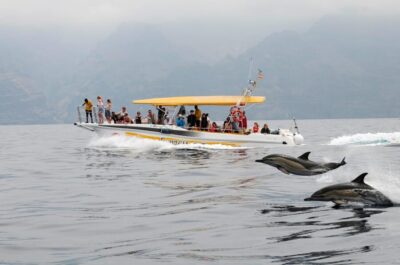
Costa Adeje: Whale & Dolphin Eco-Cruise with Snacks & Drinks
Read our review →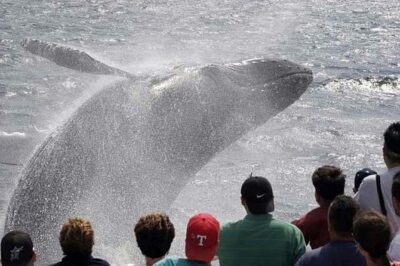
Los Gigantes: Dolphin & Whale Watching Cruise with Swim Stop
Read our review →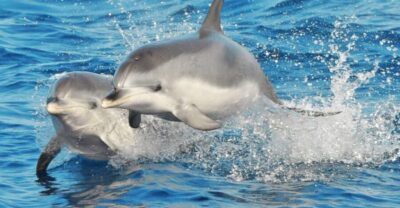
Morro Jable: Dolphin & Whale Watching Cruise, Drinks & Swim
Read our review →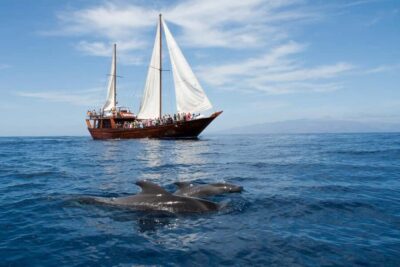
Tenerife: Whale & Dolphin Watching Cruise with Swim Stop
Read our review →
Los Cristianos: Viking Cruise Whales & Dolphins Watching
Read our review →Browse the lists this tour appears in