
REVIEW · MEXICO WHALE WATCHING TOURS
Dolphin & Whale Watching with Marine Biologists
Wildlife can change your whole morning. This Huatulco boat trip combines marine biology guides, a hydrophone for listening beneath the waves, and access to offshore areas where whales, dolphins, turtles, and rays are often found. I especially like the small maximum of 14 people and the serious respect shown for the animals. The main catch is simple: wildlife is never guaranteed, and the small boat can feel sunny and exposed during a rough or hot morning.
I also like the timing. The 8:00 am departure gives you a good start on the water and leaves much of the day free. During December through March, humpback whales are seen on about 90 percent of trips, which makes those months the strongest choice. Outside that period, you can still encounter dolphins, turtles, rays, sea snakes, sailfish, or other marine life, but whale sightings are less certain.
Key points at a glance
- Humpback whales are seen on about 90 percent of trips from December through March, though no wildlife encounter can be promised.
- A hydrophone lets you hear whale songs and dolphin communication, adding sound to the usual surface sightings.
- The boat holds no more than 14 people, giving you room to move around and a better chance at a clear view.
- Marine biologists explain the animals and current research while you watch, rather than leaving you to guess what you are seeing.
- The trip lasts about two and a half hours, begins at 8:00 am at Chahué Marina, and returns to the same place.
- Bring cash for MX$65 National Park access and MX$10 marina access, plus a hat, sunglasses, and reef-friendly sunscreen.
Leaving Chahué Marina at 8:00 am
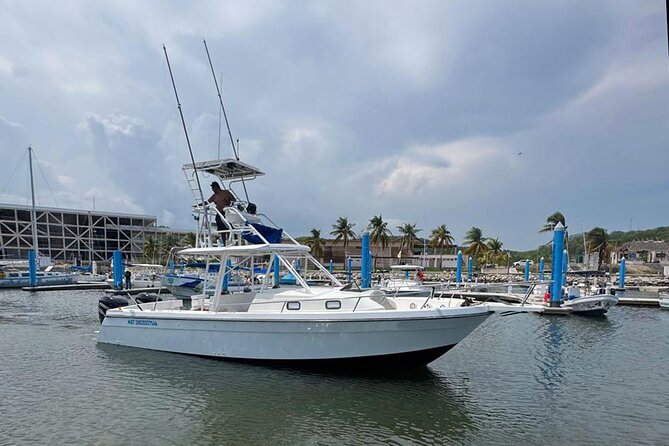
Your morning begins at Oceanico Huatulco in Sector P at Marina Chahue, on Boulevard Benito Juárez. The tour returns to this same meeting point, so you do not need to arrange a second pickup location or find your way across Huatulco after the boat ride.
The marina setting makes the start fairly easy, especially if you are staying nearby. The activity is also near public transportation. Plan to arrive with a little extra time, since the start is early and the crew needs to get everyone settled before departure.
The price is $59.74 per person. That is a fair rate for a small-group boat trip led by marine biologists, especially when you consider the limited capacity and the added use of a hydrophone. Bottled water is included, but the two local fees are not. Bring MX$65 in cash for Huatulco National Park and MX$10 in cash for the Chahué Marina fee.
That extra MX$75 is not a major cost, but it is exactly the kind of small charge that can catch you unprepared at the dock. Keep the pesos handy rather than relying on a card.
More Whale and Dolphin Watching Tours in Mexico:
- Whale and Dolphin Watching with a Biologist in Puerto Vallarta
★ 5.0 · 666 reviews - Whale & Dolphin Watching Cruise in Puerto Vallarta All Inclusive
★ 4.0 · 212 reviews - Ocean Safari: Sea Lions, Mobula Rays, Dolphins, Orcas & Whales
★ 5.0 · 85 reviews
A short briefing before the search begins
The crew starts with an explanation of Huatulco’s whales, dolphins, and sea turtles. This is more than a basic safety speech. The marine biologists explain what you may see, how the animals behave, and why the crew keeps a respectful distance.
I like this approach because it gives the outing purpose. You are not simply chasing a fin on the horizon. You learn what makes a humpback, bottlenose dolphin, spotted dolphin, Olive Ridley turtle, or mobula ray different, then watch with a better eye.
The guides also discuss current research and answer questions during the trip. English is offered, and one report specifically praised the guides for their clear explanations. Another noted that staff could speak several languages, though the advertised language for this activity is English.
If you enjoy asking questions, this is where the experience becomes more personal. You can ask about whale behavior, dolphin echolocation, turtle species, or conservation work in the region. A conservation photographer found the biology discussion especially useful, which gives you an idea of the level of detail available if you take part.
Huatulco National Park and the offshore search
The boat’s main stop is Huatulco National Park, but this is not a land-based visit with a long walk or formal sightseeing route. The park is the marine setting for the wildlife search. You cruise through known areas, watching the water for blows, dorsal fins, turtle heads, splashes, and groups of dolphins.
Oceanico says its crew travels farther than some boats and works with a network of spotters to find the best sightings. The exact route changes with conditions and animal movement. That flexibility matters because whales and dolphins do not follow a fixed itinerary.
The crew may spend time with one animal or group when the behavior is worth watching. One especially memorable encounter involved a mother whale, her calf, and an escort. Another outing followed an adult and calf for about half an hour before seeing dolphins on the return trip.
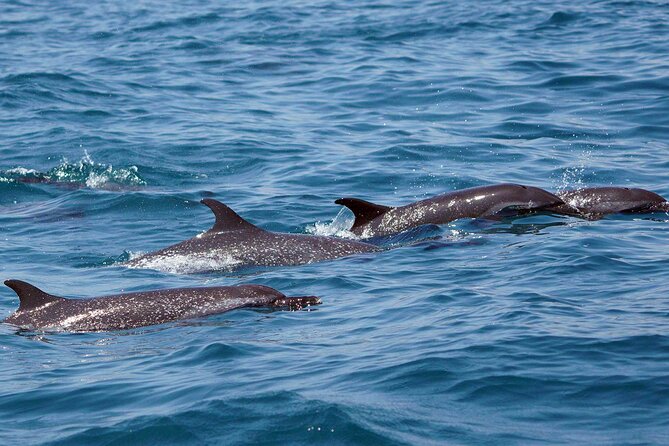
You might see a quiet whale surfacing several times, or you might get a faster-moving scene with dolphins racing beside the boat. The reports include spotted and bottlenose dolphins, a pod estimated at around 300 animals, and a group of roughly 12 mobula rays leaping across the surface.
Those examples also show why patience matters. One trip can produce several species and a spectacular whale encounter. Another may bring dolphins, turtles, manta rays, or sea snakes but no whales. The operator does not pretend that nature follows a schedule.
Humpbacks, dolphins, and the sound beneath the boat
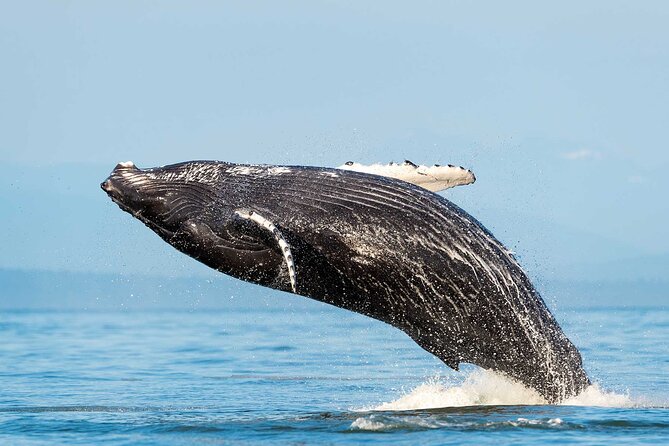
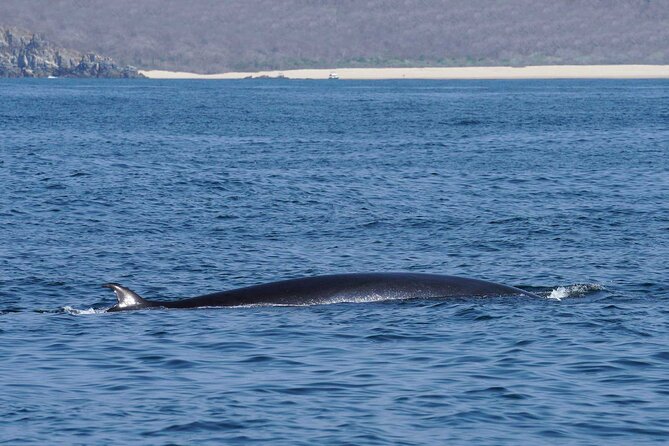
Humpback whales are the main attraction from December through March, when sightings are reported on about 90 percent of departures. That is an unusually useful seasonal figure for planning. If seeing whales is your top goal, schedule your Huatulco visit during those months.
The sightings described on this trip include mothers with calves, adults traveling together, and several whales seen from offshore. One outing also recorded three grey whales. Another had a group identified as orcas. These are notable possibilities, but you should treat them as examples rather than promises.
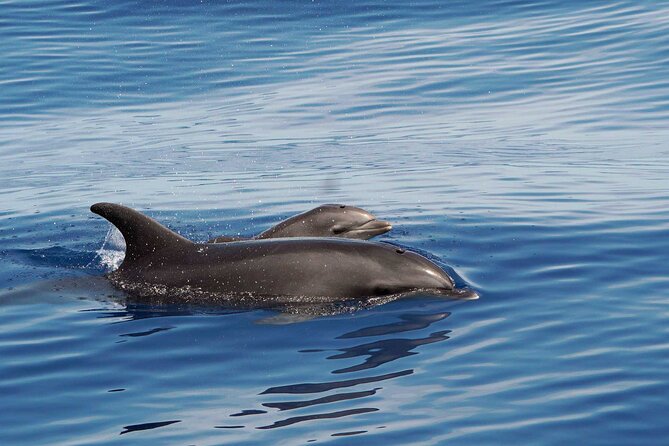
Dolphins may provide the quickest action. One group was seen within 15 minutes of departure, while another pod was estimated at 300 animals. You may see spotted dolphins, bottlenose dolphins, or both. They can move quickly, so a small boat and open viewing space are useful.
The hydrophone is one of the best features of the trip. It is an underwater microphone that allows you to hear whale songs and dolphin communication. Seeing a whale surface is powerful, but hearing sound from beneath the boat gives the encounter another layer. It also helps you understand that much of the activity is happening below the surface, outside your view.
A few more whale watching trips around Mexico worth a look
- Luxury Catamaran Whale Watching Cabo San Lucas
★ 5.0 · 2,107 reviews - Whale Watching Cabo-Women crew-Sightings Guaranteed & Free Photos
★ 5.0 · 1,743 reviews - SMALL GROUP Whale Watch | Cabo San Lucas | Biologist | FREE Pics
★ 5.0 · 1,106 reviews - Humpback Whales in Cabo San Lucas
★ 5.0 · 1,005 reviews
Sea turtles, rays, and the bonus wildlife
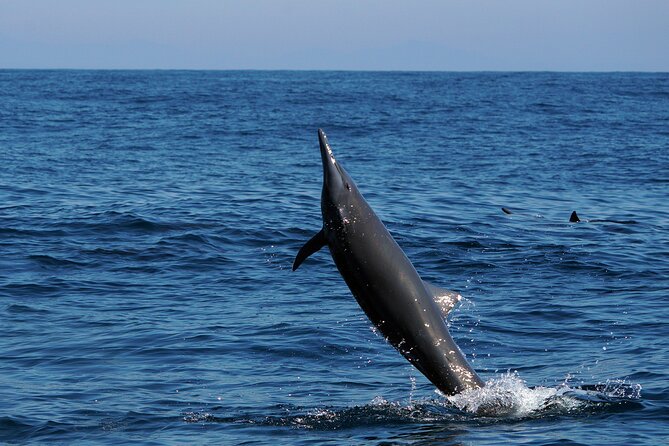
Huatulco’s waters can offer much more than whales and dolphins. Olive Ridley turtles appear regularly, and the crew notes that some trips see 20 or more sea turtles. Green turtles are also possible.
The region’s connection to Olive Ridley nesting adds useful context. Playa Escobilla, farther along the coast, is one of three places in the world associated with mass Olive Ridley nesting events. You will not visit that beach on this boat trip, but knowing its place in the wider region helps explain why turtles are such a common part of the outing.
The species list can grow quickly. Sightings have included yellow-bellied sea snakes, a leaping sailfish, manta rays, mobula rays, and jumping rays. One trip included a fever of about 12 mobula rays, with several animals leaping in the distance.
This variety is a strong reason to book even if you are not completely focused on whales. A whale-free morning can still become an excellent wildlife trip. One outing had two dolphin pods, many Ridley turtles, sea snakes, and a sailfish, and was still considered a very successful day.
What the small boat feels like on the water
The maximum group size is 14 people. That is a real advantage. You have more room to move, less chance of someone blocking your view, and a better opportunity to change position when wildlife appears on one side of the boat.
One small boat also means some tradeoffs. A report described limited sun protection and warned that the boat could become hot if you are not dressed properly. The operator notes that a canvas roof covers the entire boat, but you should still bring a hat, sunglasses, and reef-friendly sunscreen.
The front of the boat can be a good place for watching the action, especially when the sea is calm. It may also expose you more to spray and sun. Large swells have occurred, and one boat pilot was praised for handling them well. Still, if you are sensitive to motion, remember that this is an open-water trip, not a calm harbor cruise.
Lifejackets are available for children from age three through adults weighing up to 130 kilograms. The minimum age is three. People above 130 kilograms are not listed as eligible, so check before booking if that applies to anyone in your group.
The crew and the learning value
The quality of the crew is a major part of the experience. Scarlett and Tito were praised by name for guiding and captaining a trip with whales, dolphins, rays, turtles, and the sounds of dolphin echolocation. Peter and Tony were also singled out for their explanations about whales and turtles.
The important point is not simply that the crew can identify animals. They explain what you are seeing and why it matters. That makes the trip a good fit for curious families, photographers, nature lovers, and anyone who prefers a guided experience with substance.
The guides also focus on keeping a respectful distance from the animals and following national park rules. That matters in a place where repeated boat pressure could affect wildlife behavior. You may not get the closest possible photograph, but responsible viewing is the better trade.
Returning to the marina after about two and a half hours
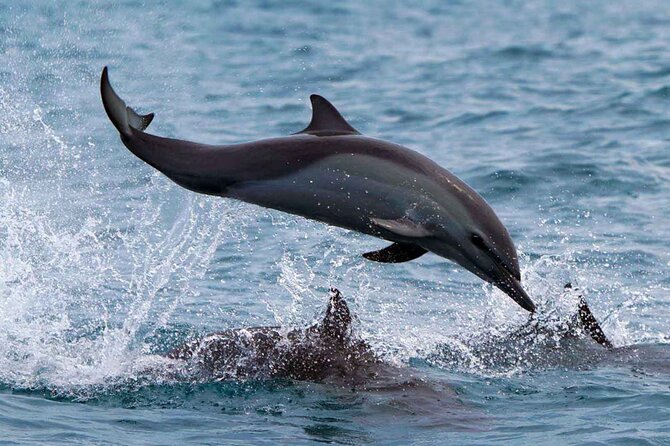
After the wildlife search, the crew says Adios y Gracias to the whales and dolphins before cruising back to Chahué Marina. The return includes a short debriefing, giving you a final chance to ask questions and review what you saw.
The listed duration is about two hours and 30 minutes. Some descriptions refer to a two-hour morning tour, so allow roughly two to two and a half hours on the water, with a little flexibility for conditions and wildlife activity.
Returning to the starting point is convenient. You can arrange lunch, a beach afternoon, or another Huatulco activity without crossing town to find your transport. Since the trip starts at 8:00 am, it also fits well into a day when you want to see more of the bays or relax by the water later.
Who should book this Huatulco boat trip?
I would choose this tour if you want small-group wildlife watching with real interpretation, not just a fast ride offshore. The marine biologist guides, hydrophone, conservation focus, and varied species make it especially appealing to people who enjoy learning as much as taking photographs.
Families can join if children are at least three years old and fit the listed lifejacket limits. The short duration also makes it easier for younger children than a full-day marine excursion.
This may not be the best choice if you need guaranteed whale sightings, dislike open water, or want a heavily shaded boat. Even in the strongest whale season, nature can change the plan. The operator also requires good weather and a minimum number of participants. If poor weather cancels the trip, you are offered another date or a full refund. The booking itself is non-refundable and cannot be changed for personal reasons, so choose your date carefully.
Should you book Oceanico?
I would book it during December through March if humpback whales are high on your list. The reported 90 percent sighting rate is strong, and the small boat, marine biologists, and hydrophone add value beyond a basic sightseeing cruise.
I would also book outside whale season if you would be happy with dolphins, turtles, rays, sea snakes, or other marine life. The wildlife variety is the real strength here. Bring cash, sun protection, and realistic expectations, then let the morning unfold. If your idea of a good tour includes learning what you are seeing and giving the animals space, Oceanico is a very good choice in Huatulco.
FAQ
Where does the tour begin and end?
It begins and ends at Oceanico Huatulco in Sector P at Marina Chahue, Boulevard Benito Juárez, Bahias de Huatulco, Oaxaca, Mexico.
What time does the tour start?
The tour starts at 8:00 am.
How long does the experience last?
The listed duration is approximately two hours and 30 minutes.
How likely are whale sightings?
Humpback whales are seen on about 90 percent of tours from December through March. Wildlife sightings are not guaranteed.
What animals might I see?
Possible sightings include humpback whales, grey whales, dolphins, sea turtles, manta rays, mobula rays, sea snakes, and sailfish. The exact animals vary by trip.
Is water included?
Yes. Bottled water is included.
What extra fees must I pay?
You need MX$65 in cash per person for the Huatulco National Park fee and MX$10 in cash per person for the Chahué Marina fee.
What are the age and weight limits?
The minimum age is three years old. Lifejackets are available for children from age three through adults weighing up to 130 kilograms. People over 130 kilograms are not listed as eligible.
Just added around Mexico
- Whale Watching in San Jose del Cabo★ 5.0 · 3 reviews
- Whale Watching in La Paz – Gray Whale Encounter★ 4.4 · 4 reviews
- Whale Watching Guaranteed Experience in Puerto Vallarta★ 5.0 · 7 reviews
- Cabo San Lucas: Whale Watching Experience on Catamaran★ 4.3 · 5 reviews
- Whale Watch Cabo: Zodiac Whale Adventure – FREE Photos★ 4.8 · 4 reviews
- Whale Watch Cabo: Group Whale Watching Tour – FREE photos★ 5.0 · 3 reviews
- Whale Watching★ 4.0 · 10 reviews
- Private Whale Watching in San Jose Del Cabo snack,drinks,Warranty★ 5.0 · 2 reviews
Mexico Whale Watching Tours, compared.
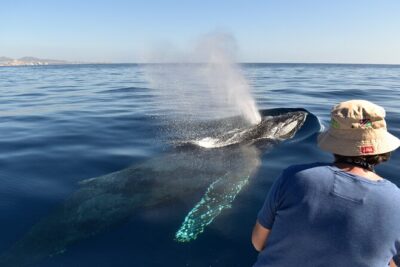
Whale Watching Cabo-Women crew-Sightings Guaranteed & Free Photos
Read our review →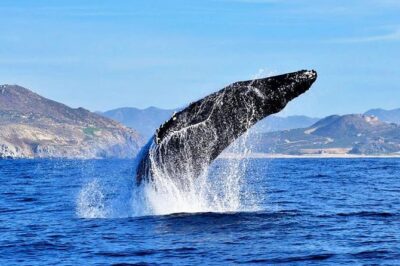
SMALL GROUP Whale Watch | Cabo San Lucas | Biologist | FREE Pics
Read our review →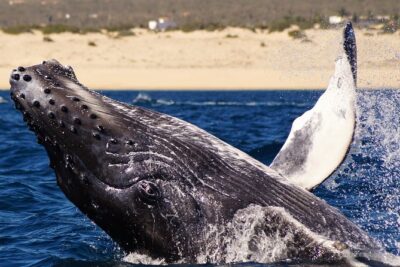
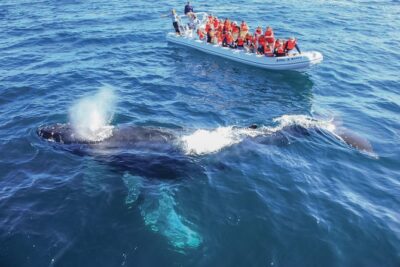
Whale Watching, The Famous Arch and Fast Boat Tour in Los Cabos
Read our review →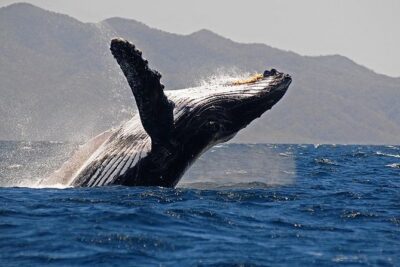
Whale and Dolphin Watching with a Biologist in Puerto Vallarta
Read our review →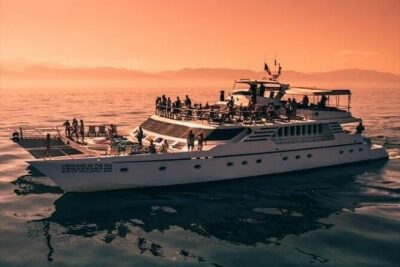
Sunsets and Whales Mega Yachts ALL INCLUSIVE: Puerto Vallarta
Read our review →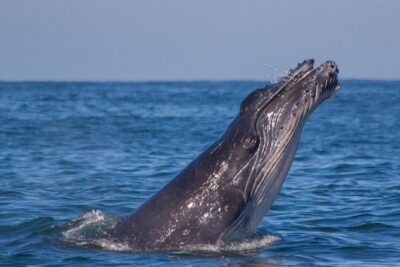
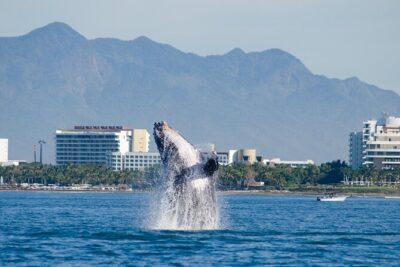
Whale Watching Cruise In Puerto Vallarta & Nuevo Vallarta
Read our review →Browse the lists this tour appears in