REVIEW · WHALE AND DOLPHIN WATCHING TOURS IN AUSTRALIA
Dolphin & Whale Cruise
Wildlife belongs offshore. This three-hour cruise from San Remo takes you along Phillip Island’s rugged coast toward Cape Woolamai, with chances to see seals, dolphins, whales, and even an albatross. I like the mix of open-water wildlife watching and local coastal stories, plus the simple comfort of a large catamaran with afternoon tea, coffee, and tea onboard. The main catch is that nature keeps the schedule, and rough water or quiet wildlife sightings are both possible.
I also like that this is not just a fast ride to one viewing point. You pass the old granite quarry, hear commentary about the area, and get close to Seal Rock before heading farther out. Motion sickness is the serious consideration: a previous cruise had choppy water that felt like a never-ending roller coaster, although the group still described the trip as fun after taking the warning seriously.
Key points to know before you go
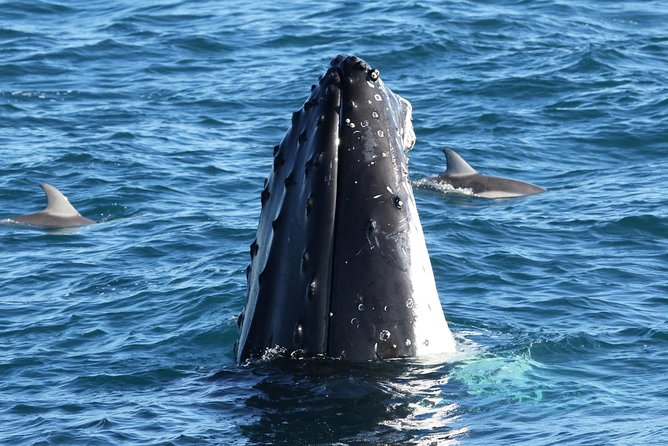
- Winter is the best season for whale possibilities: Humpback and southern right whales pass Cape Woolamai and Phillip Island during their annual migration.
- Seal Rock is a dependable focus of the trip: You get close to the rock and look for seals before heading into wider water.
- The cruise leaves at 1:00 pm: Plan to reach San Remo Jetty, 170 Marine Parade, before departure.
- The vessel carries up to 80 people: It is a sizable catamaran, not a private wildlife outing.
- The water can be rough: Dress for changing weather and take seasickness advice seriously if you are affected by boat motion.
- The trip returns to San Remo Jetty: The experience lasts about three hours and includes afternoon tea, coffee, or tea.
Setting out from San Remo at 1:00 pm
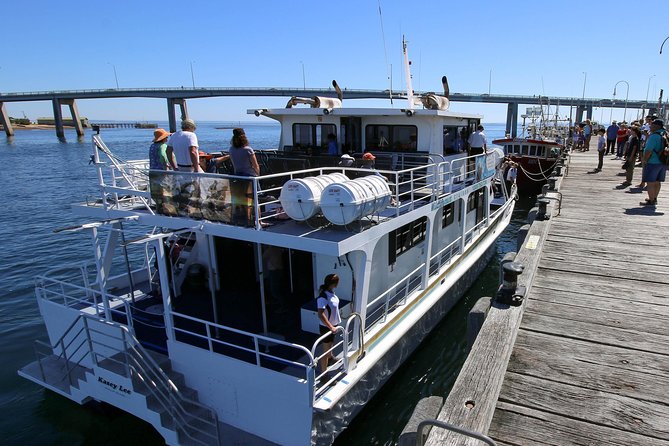
Your cruise begins at San Remo Jetty, at 170 Marine Parade in San Remo, Victoria. The activity ends at the same meeting point, which keeps the day straightforward if you are building a Phillip Island outing around it.
The departure time is 1:00 pm. That gives you a clear afternoon plan, though you should allow enough time to reach the jetty and get ready for an open-water trip. A mobile ticket is accepted, and confirmation is provided when you book. The meeting point is near public transportation, which helps if you are not driving.
The catamaran is described as large and comfortable, with room for a maximum of 80 people. That size offers more stability and space than a small rigid boat, but it does not remove the natural movement of the sea. If you are sensitive to motion, sit where you feel most secure and follow any warning from the operator before departure.
The cruise is weather dependent. That matters here because the experience is built around open water, not a sheltered harbor loop. Wear clothing suitable for changing conditions, and do not treat a calm departure as a promise of calm water farther offshore.
More Whale and Dolphin Watching Tours in Australia
- Moreton Island: Tangalooma Whale Watching & Dolphin Feeding
★ 4.7 · 57 reviews - Port Stephens 3 Hour Whale and Dolphin Watch Cruise
★ 5.0 · 53 reviews - Philip Island: Dolphin and Whale Cruise
★ 4.4 · 48 reviews
Cape Woolamai’s quarry adds a local story
One of the first notable areas visited is the Cape Woolamai Old Granite Quarry. The stop lasts about 10 minutes and has no separate admission charge.
The quarry gives the cruise some context before the wildlife search takes over. You learn about the quarry and the wider Cape Woolamai area as the vessel heads toward open water. This is a useful touch because the trip is not only about scanning the horizon for a fin or spout. You get a little sense of how people have used and understood this coast.
Do not expect a long land excursion here. The stop is brief, and the main purpose is to introduce the area while the boat continues toward the wildlife zones. If you want a full quarry visit, this cruise is not designed for that. Think of it as a short coastal-history chapter in a day spent mostly at sea.
Cape Woolamai is also important for the whale season. Each winter, humpback and southern right whales move through the waters around the cape and Phillip Island as part of their migration. That makes the timing especially relevant for anyone hoping to see a whale rather than simply enjoy the coastline.
Seal Rock is the first strong wildlife focus
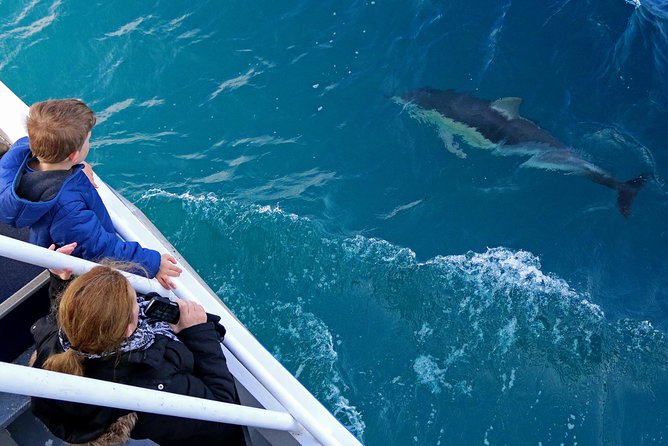
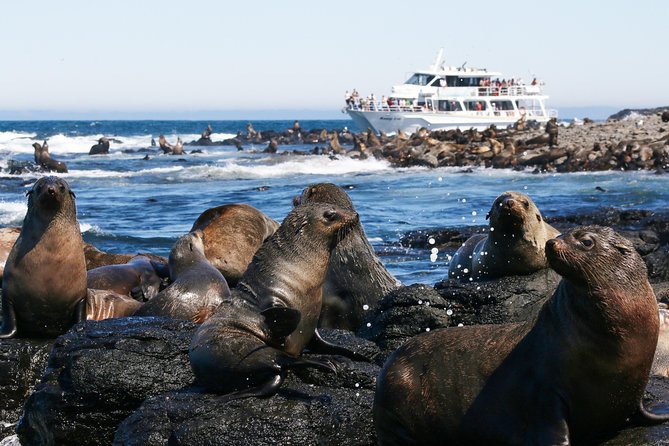
The cruise takes you close to Seal Rock, where you can look for seals on and around the rock. This is one of the most appealing parts of the trip because it gives you a defined wildlife stop even if the wider ocean remains quiet.
Seals are easier to appreciate when the boat gets close enough for you to understand their setting. You are not just watching a distant speck on the horizon. You are looking toward a coastal rock that serves as a resting place, with the water and cliffs forming the backdrop.
The exact quality of the view will depend on the sea, weather, and animal behavior. That is worth keeping in mind. A wildlife cruise can bring you to the right place without producing a perfect photo every time.
The crew provides onboard commentary about the animals and the area. Commentary is particularly useful when you are not sure what to look for. It can also help you understand the difference between a seal, dolphin, or distant whale blow, instead of having every dark shape become an exciting false alarm.
Searching open water for dolphins and whales
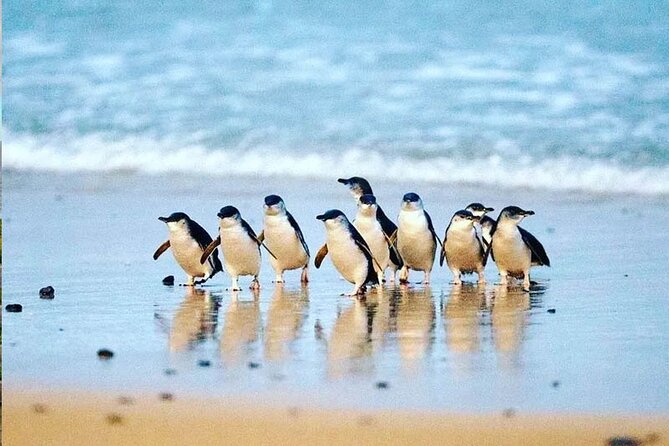
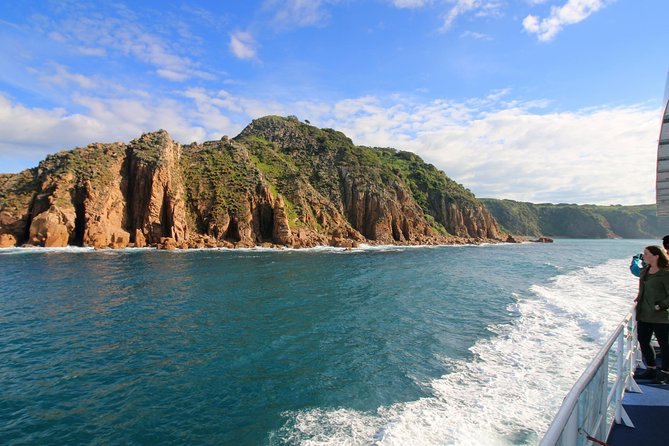
After the quarry and Seal Rock, the cruise heads out to search for dolphins and whales. The route follows a part of the coast known for its wild scenery, so even a quiet wildlife period still gives you a changing view from the water.
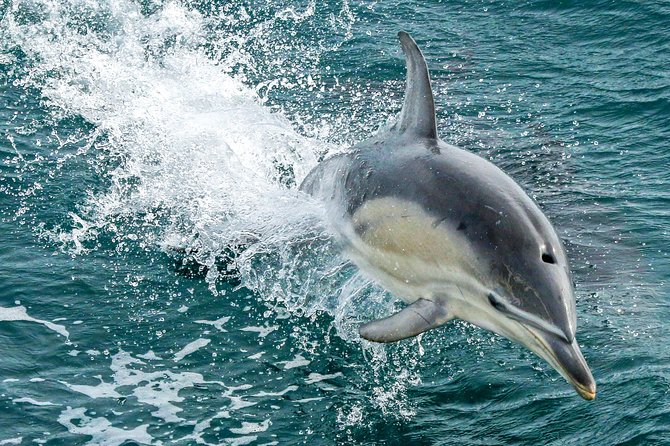
Dolphins may appear during the cruise, along with an occasional albatross circling above. The albatross is not presented as a guaranteed sighting, and neither are the dolphins. That uncertainty is part of the deal. You are paying for access to a likely wildlife area and the time needed to search, not for a staged animal encounter.
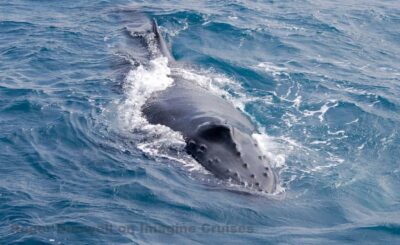
Winter offers the strongest whale context. Humpback and southern right whales use these waters during their migration, and the cruise follows part of that pathway. Still, whales are free-ranging animals. One previous trip had minimal whale activity, even though the passengers enjoyed the rough, lively conditions and the rest of the outing.
That makes expectations important. If seeing a whale is your only reason for booking, you may find the result frustrating. If you value the boat ride, coastal views, seal search, commentary, and possibility of dolphins or whales, the experience makes more sense.
The best approach is to stay alert without turning the entire three hours into a tense test. Look across the water, listen to the crew, and allow yourself to enjoy the coast when no animal appears. A quiet stretch is not wasted time when the scenery itself is part of the trip.
More Whale Watching Cruises in Australia
- Sydney: Whale Watching Adventure Cruise
★ 4.2 · 1,790 reviews - Brisbane Whale Watching Cruise from Redcliffe or Sunshine Coast
★ 5.0 · 997 reviews - Freedom 3/4 Day Hervey Bay Premium Whale Watching Cruise
★ 5.0 · 919 reviews - Sydney Whale-Watching Cruise Including Lunch or Breakfast
★ 4.5 · 878 reviews
What rough water means for your afternoon
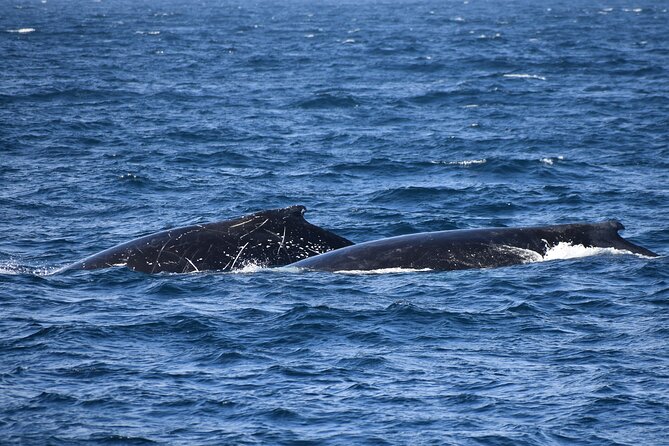
The most important practical warning is seasickness. The cruise operates in open water, and the vessel’s movement may cause discomfort if you are prone to motion sickness.
A recent passenger described conditions as choppy, with the boat rising and dropping in a roller-coaster-like motion. The same account also called the trip wild and fun, but the warning was clear: preparation helped. This is valuable advice, not a minor footnote.
If you know boat motion affects you, prepare before departure according to your usual routine. The operator also sends an SMS warning when choppy conditions are expected, so take that message seriously. Rough water can add excitement for one person and ruin an afternoon for another.
Weather also affects whether the cruise operates at all. If poor weather forces cancellation, you are offered another date or a full refund. The trip also requires a minimum number of people, and if that minimum is not reached, you are offered another date or experience, or a full refund.
Dress appropriately for the forecast, but remember that conditions can feel different on the water than on land. A jacket and practical layers are sensible choices, based on the operator’s advice to prepare for weather changes.
A comfortable catamaran, with simple refreshments
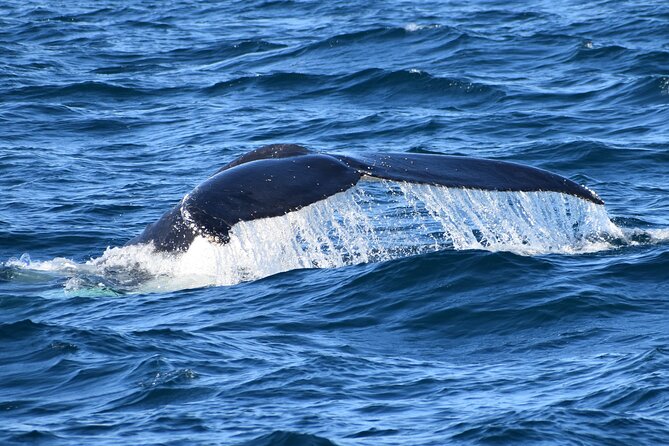
The large catamaran is one of the practical strengths of this experience. You are not spending three hours on a tiny craft with no room to shift position. The vessel is built for a group of up to 80 people and includes onboard commentary.
Afternoon tea, coffee, or tea is included. This is a modest feature, but it matters on a three-hour afternoon cruise. A warm drink gives you a break from standing and watching the water, particularly if the weather turns cool.
Do not mistake refreshments for a full meal. The information provided describes afternoon tea and hot drinks, not lunch or a substantial onboard menu. Plan your food around that limitation if you need more than a light snack.
The catamaran also makes this a more social group outing than a private charter. Up to 80 people may be onboard, so you should expect other passengers sharing the viewing areas and listening to the same commentary. That suits you if you like the energy of a shared wildlife trip. It is less suitable if you want quiet or personal attention from a guide.
Service animals are allowed, and most people can participate. The main physical concern stated for the activity is boat motion rather than a demanding walk or strenuous land activity.
Is the $96.83 price good value?
At $96.83 per person, this is not a cheap sightseeing boat, but the price covers about three hours on the water, a coastal route, wildlife searching, commentary, the Seal Rock visit, and tea or coffee.
I see the value most clearly if you are already planning time around Phillip Island and want more than a land-based view. You get a different angle on Cape Woolamai, a chance to see seals close to their rocky home, and the possibility of dolphins or migrating whales. The quarry commentary adds another layer to what could otherwise be a simple boat ride.
The value is weaker if you need a guaranteed whale sighting. No cruise can promise that here, and one trip had little whale activity. You are paying for the setting, the search, and the chance of a memorable encounter.
The maximum group size also affects the price comparison. This is not an exclusive charter where the crew can tailor the route to your small party. It is a shared catamaran experience, with the advantages of a larger vessel and the limits of a group outing.
The 96 percent recommendation rate and 4.8 rating from 23 reviews suggest strong satisfaction, but the sample is small. I would treat those figures as encouraging rather than absolute proof that every departure will be ideal. Wildlife and sea conditions can change the day dramatically.
Who will enjoy this Phillip Island cruise?
I would recommend this cruise to anyone who likes wildlife but understands that nature does not work on a timetable. It suits couples, families, and groups who want a half-day activity with scenery, commentary, and several possible animal sightings.
It is especially appealing in winter, when humpback and southern right whales use the area during migration. That does not guarantee a sighting, but it gives your search a strong seasonal reason.
You will probably enjoy it if you like being on the water, can handle some boat movement, and are happy to watch patiently. The seals at Seal Rock provide a clear point of interest, while dolphins, whales, and albatross add the element of surprise.
I would think twice if you are highly prone to seasickness or need a guaranteed animal encounter. The open ocean is central to the experience, and the boat can be rough. A land-based wildlife activity may be a better choice if comfort and predictability matter more than the possibility of a whale.
Booking, cancellation, and practical planning
You can cancel for a full refund if you do so at least 24 hours before the 1:00 pm start time. Changes or cancellations made less than 24 hours before departure are not accepted for a refund, and the cut-off uses local time.
The cruise is often booked about 33 days ahead on average. That does not mean you must book exactly that early, but it suggests that planning ahead is sensible, especially if you are visiting during the winter whale season.
Bring your mobile ticket and arrive at San Remo Jetty, 170 Marine Parade. The cruise returns there after about three hours, so you can plan another activity afterward without arranging a separate pickup point.
Should you book the Dolphin and Whale Cruise?
Book it if you want a genuine open-water search rather than a guaranteed show. The strongest reasons are the winter whale route, the close look at Seal Rock, the coastal views from the catamaran, and the useful mix of commentary and refreshments.
Go in with realistic expectations. You may see seals, dolphins, whales, or an albatross, but wildlife activity can be limited. The ocean may also be choppy, so prepare for motion sickness and dress for the conditions.
For a price of $96.83, I think this is good value for a wildlife-minded visitor who enjoys the journey as much as the sighting. It is a less certain choice for anyone who wants a calm ride or a guaranteed whale photograph.
FAQ
Where does the Dolphin and Whale Cruise depart?
The cruise departs from San Remo Jetty, 170 Marine Parade, San Remo, Victoria 3925, Australia.
What time does the cruise start?
The cruise starts at 1:00 pm.
How long does the experience last?
The cruise lasts approximately three hours.
Where does the cruise finish?
The activity ends back at the San Remo Jetty meeting point.
Can I see whales on this cruise?
Whales may be seen, especially during winter when humpback and southern right whales migrate through the waters around Cape Woolamai and Phillip Island. Sightings are not guaranteed.
What other wildlife might I see?
The cruise includes a visit near Seal Rock, where you can see seals. You may also see dolphins and an occasional albatross.
Is the cruise suitable for people prone to seasickness?
The cruise operates in open water, and vessel movement may cause discomfort. Choppy conditions are possible, so anyone affected by motion sickness should prepare carefully.
What happens if bad weather cancels the cruise?
If poor weather causes cancellation, you are offered a different date or a full refund. If the minimum number of participants is not met, you are offered a different date or experience, or a full refund.
Just added around Australia
- Wilsons Promontory: Whale Spotting Cruise with Lunch★ 4.9 · 20 reviews
- Noosa: Epic Whale Watching Ocean Kayak Tour & Beach 4X4★ 4.8 · 7 reviews
- Whale Watching Safari Byron Bay★ 4.9 · 39 reviews
- Western Australia: Swim with Humpback Whales★ 5.0 · 20 reviews
- Tweed Heads: Whale Watching Boat Tour★ 4.7 · 30 reviews
- Bremer Bay Orca Experience★ 5.0 · 79 reviews
- Wilsons Prom Whale Cruise★ 5.0 · 104 reviews
- Whale Watching and Wildlife Cruise Townsville and Magnetic Island★ 5.0 · 11 reviews
Whale and Dolphin Watching Tours in Australia, compared.
Moreton Island: Tangalooma Whale Watching & Dolphin Feeding
Read our review →
Port Stephens 3 Hour Whale and Dolphin Watch Cruise
Read our review →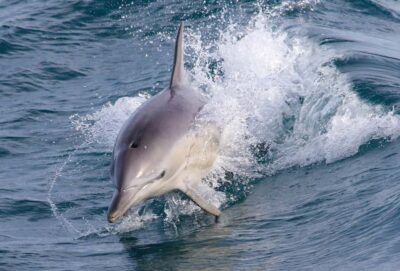
Nelson Bay: Whale and Dolphin Watching Catamaran Cruise
Read our review →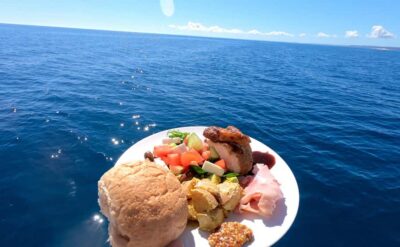
Hervey Bay: Pre-season Whale and Dolphin Watching Cruise
Read our review →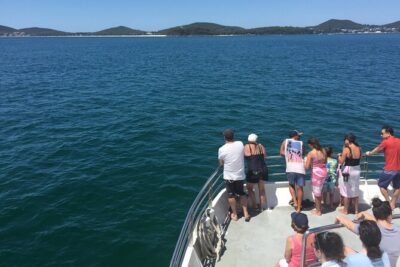
Port Stephens Private Tour From Sydney, with Dolphin/ Whale Cruise Options
Read our review →
Moreton Island: Tangalooma Whale Watching & Dolphin Viewing
Read our review →