
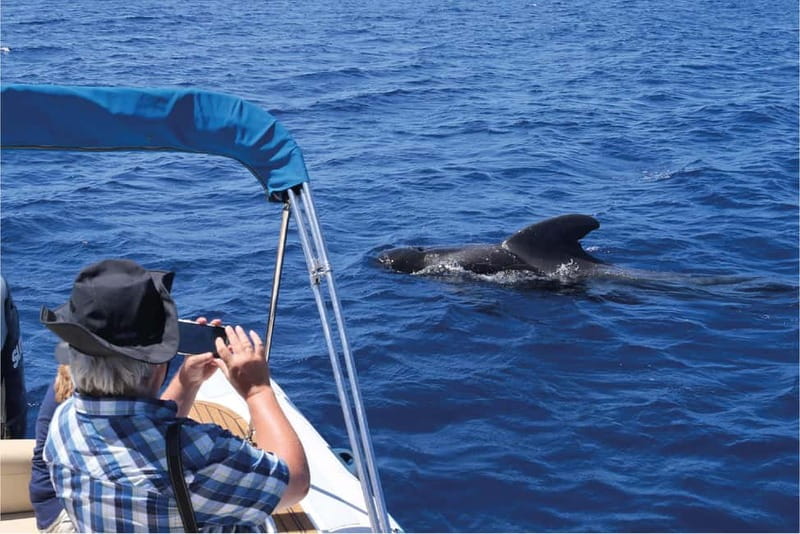
REVIEW · TENERIFE WHALE WATCHING TOURS
Costa Adeje: Whale Watching Eco Experience with Hydrophone.
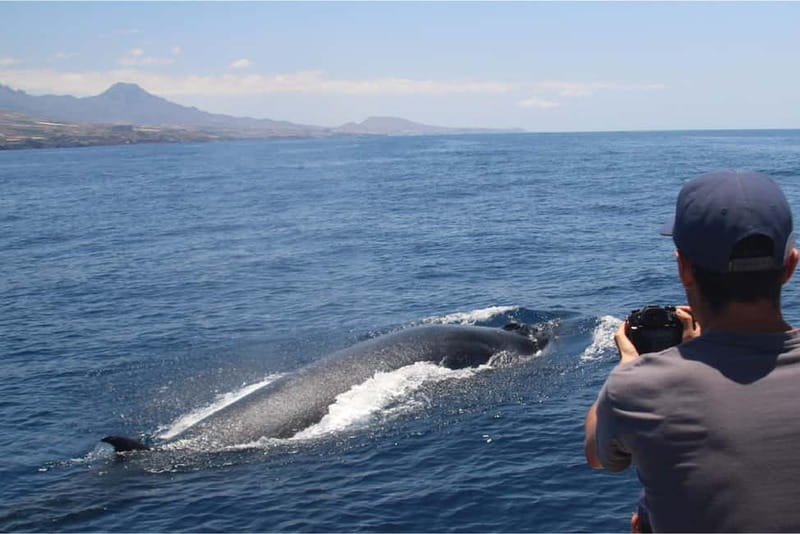
Whales can surprise you at close range. This 2.5-hour trip from Costa Adeje combines wildlife watching with a hydrophone, so you do not only look for cetaceans, you listen to them too. I like the small boat, Papacho 2, which carries no more than 10 passengers, and I like the serious conservation work behind the outing. The crew shuts off the motors near animals and keeps a safe distance.
The main drawback is simple: wild animals set the schedule. You could see pilot whales, dolphins, turtles, and seabirds, but no sighting can be promised. The boat is small and personal, yet that also means less room to move if the sea turns choppy.
Key points at a glance
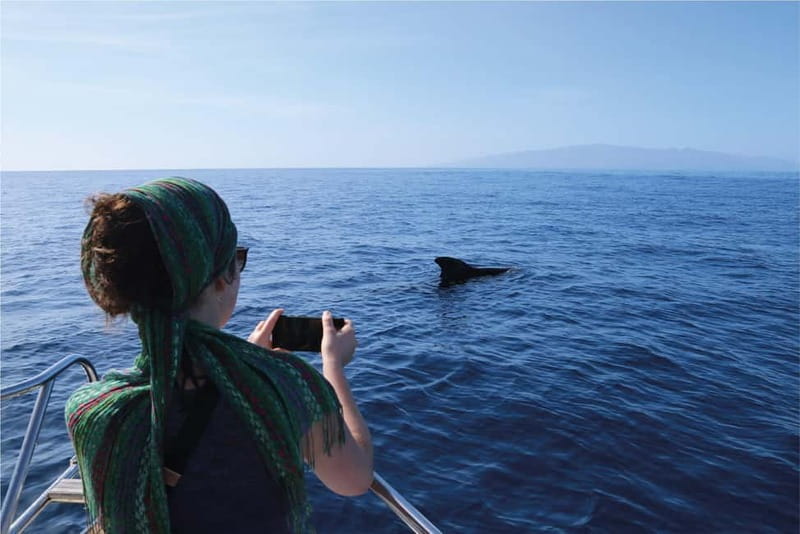
- A hydrophone adds sound to the sighting: You can hear cetaceans communicating or hunting once the engines are turned off.
- Papacho 2 carries only 10 passengers: The small capacity allows the two-person crew to give closer attention.
- The setting is Europe’s only whale sanctuary: The tour operates off Tenerife’s south coast in a protected marine area.
- Pilot whales are a strong possibility: The experience works with local knowledge of the cetaceans found around Costa Adeje.
- The boat follows low-impact practices: Engines are switched off near wildlife, and the crew avoids disturbing natural behavior.
- Your outing supports marine conservation: The company helps rescue injured animals and contributes to pilot whale photo-identification work.
Setting out from Costa Adeje’s whale sanctuary
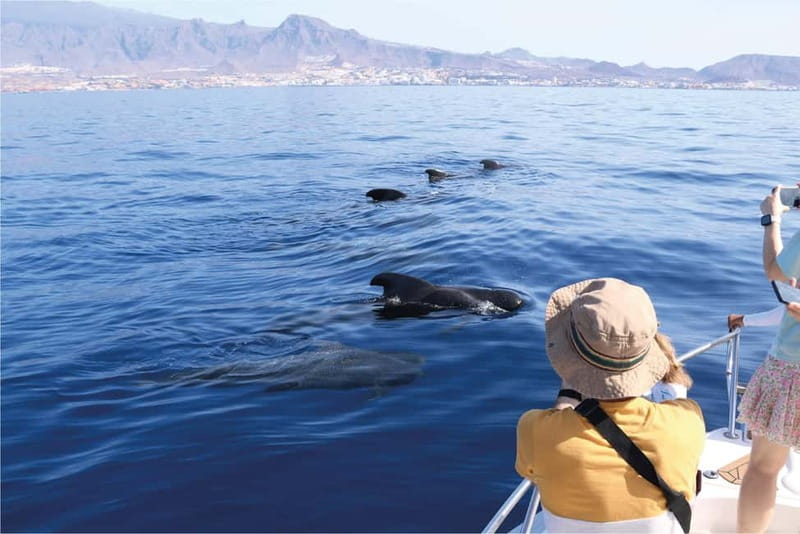
This is not a fast sightseeing cruise built around loud music and a crowded deck. The focus is the sea and the animals living in it. After meeting at the designated point, you board Papacho 2 at the agreed time for a 2.5-hour trip along Tenerife’s south coast.
The location matters. Costa Adeje sits beside the only whale sanctuary in Europe, giving the outing a clear conservation setting rather than a simple boat ride. You are looking for animals in their natural home, not at a marine park or enclosed facility.
The boat holds a maximum of 10 passengers. That number is one of the strongest reasons to choose this trip over a larger cruise. With two crew members onboard, including a biologist, you should have a better chance of hearing explanations and asking questions without competing with a full deck of people.
Starting times vary, so you need to check availability when booking. The meeting point and departure time are provided as part of the reservation details, but the available information does not specify hotel pickup. Plan to reach the meeting point on your own unless your booking confirms another arrangement.
A few more whale watching trips around Tenerife worth a look
- Tenerife: Eco-Yacht Whale and Dolphin Watching and Swimming
★ 4.7 · 15,619 reviews - Los Cristianos Respectful No-Chase Whale and Dolphin Safari
★ 4.6 · 12,782 reviews - Costa Adeje: Whale & Dolphin Eco-Cruise with Snacks & Drinks
★ 4.6 · 5,096 reviews
What the biologist adds to the trip
The biologist explains the marine life you may encounter and the reasons behind the conservation measures. That changes the experience from simply pointing a camera at a fin to thinking about behavior, habitat, and the pressures faced by wild animals.
You may encounter different groups of cetaceans, along with turtles and seabirds. The exact mix depends on what is present on the day. Pilot whales are especially relevant here, and the company takes part in a photo-identification catalog of pilot whales in the Canary Islands. Each animal’s markings can help researchers recognize individuals and build a better picture of local populations.
That research connection gives your outing a practical purpose. You are not promised a scientific lecture, and the supplied details do not list a fixed presentation schedule. Still, having a biologist interpret what you see should help you understand why the boat changes position, slows down, or leaves animals alone.
I also like the wording behind the company’s approach: visitors and crew interpret animal behavior together. That suggests a quieter, observant trip. You may spend time watching how a group moves, surfaces, or feeds instead of rushing from one sighting to the next.
Listening to whales with the hydrophone
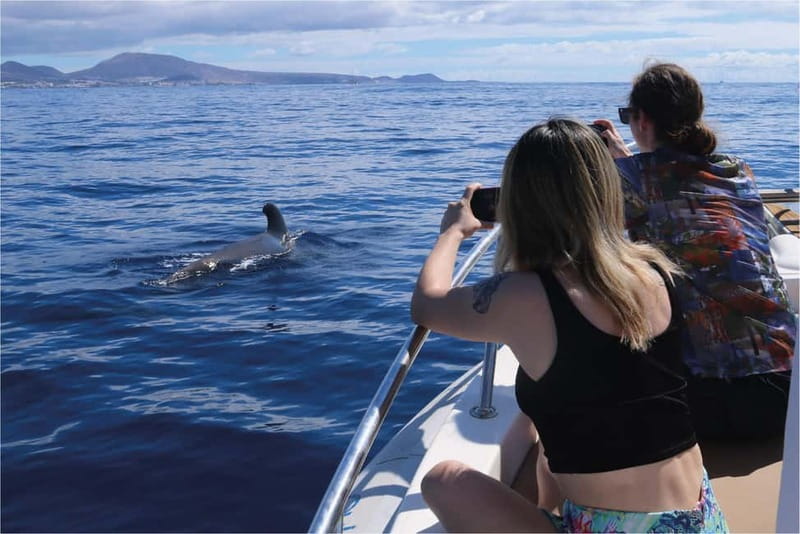
The hydrophone is the feature that gives this experience its clearest point of difference. When the boat reaches a sighting, the crew turns off the engines and lowers the listening device into the water. You can then hear sounds used by the animals to communicate or hunt.
Most whale watching depends on your eyes. You scan the surface, wait for a blow or dorsal fin, and hope you are looking in the right place. The hydrophone adds another sense and helps you think about the animals as active underwater creatures, not just shapes appearing briefly above the waves.
The engine shutdown also serves a conservation purpose. Boat noise can interfere with marine animals, so stopping the motor reduces disturbance while you watch and listen. It may also make the moment feel calmer for you. Instead of engine vibration and constant movement, you get a quieter pause focused on the sounds beneath the hull.
You should keep expectations realistic. The information does not promise a particular species, a certain length of underwater recording, or a perfect soundtrack every time. Wildlife noise varies, and the sea is not a studio. The value is in being given a chance to hear natural communication during a real encounter.
Meeting pilot whales, dolphins, turtles, and seabirds
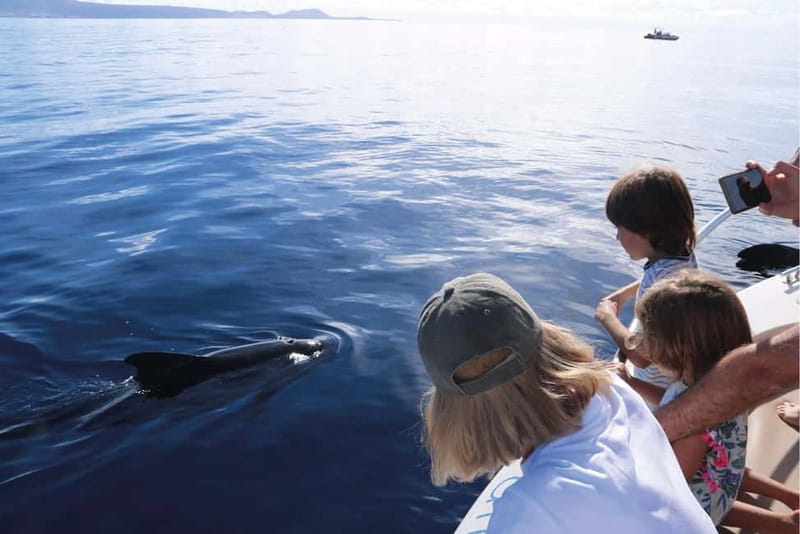
Pilot whales are a central part of the local experience, and the company contributes to research on them. Sightings of these whales can be especially rewarding because you may watch a group move together and then listen to their underwater sounds.
Dolphins are also possible, along with turtles and seabirds. Each type of sighting calls for a different kind of patience. A whale group may stay in an area for a while, while dolphins could be more active and harder to follow. Turtles may appear quietly at the surface, and seabirds can help point out where food or activity is nearby.
The crew’s stated aim is to approach without interfering with natural behavior. That means you should not expect the boat to chase animals for a dramatic close-up. The crew keeps a safe distance and lets the animals decide how near they come.
This can feel less predictable than a standard sightseeing cruise, but it is a better fit if you care about responsible wildlife watching. The closest encounter may happen because an animal chooses to surface near the boat, not because the crew forces the issue.
Same water, a different way to meet them:
- Los Gigantes: Dolphin & Whale Watching Cruise with Swim Stop
★ 4.7 · 4,539 reviews - Costa Adeje: Whale Watching Catamaran Tour with Drinks
★ 4.7 · 3,653 reviews - Tenerife: Whale & Dolphin Watching Cruise with Swim Stop
★ 4.7 · 3,227 reviews - Los Cristianos: Viking Cruise Whales & Dolphins Watching
★ 4.6 · 3,132 reviews
Why the small group matters
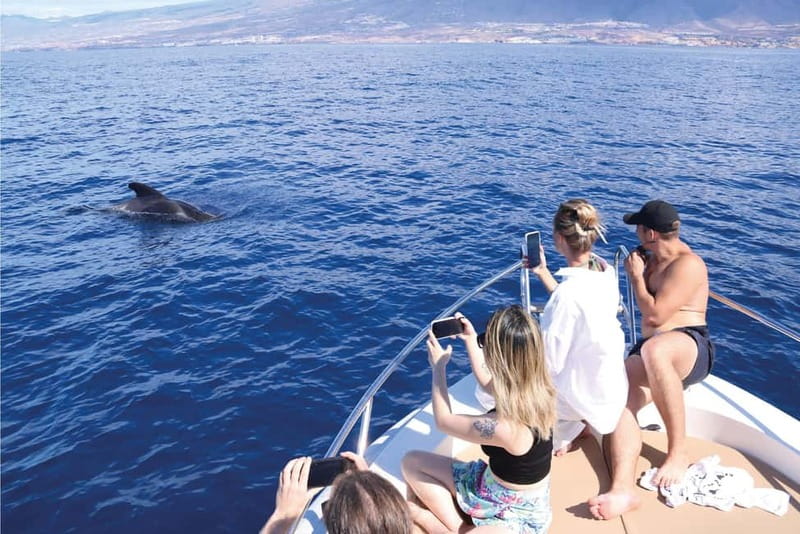
Ten passengers is a useful limit for a wildlife trip. You should have a clearer view than you would from a packed vessel, and the biologist can offer more direct attention. The crew’s stated goal is personalized service, and the two-person team supports that aim.
A small group also makes the hydrophone easier to appreciate. When the engines stop, quiet matters. A deck filled with dozens of people talking would work against the listening experience. Ten passengers still means you are sharing the boat, but the scale is more manageable.
There is a tradeoff. Papacho 2 is not described as a large cruiser with wide indoor areas, multiple decks, or extensive facilities. The details only confirm that drinks are provided onboard. If you need lots of space or prefer a very stable, roomy vessel, a larger boat could feel easier.
The small capacity may also make availability tighter during popular periods. Check the available departure times before building the rest of your day around the trip.
A conservation-first way to watch wildlife
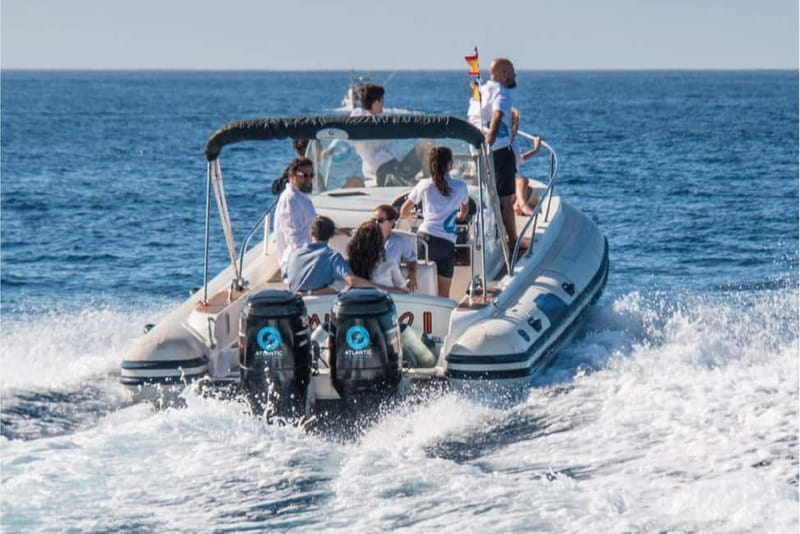
Atlantic Eco Experience is part of ACEST, the Association of Companies for the Sustainability of Tourism. The company also takes part in rescuing and rehabilitating injured marine animals, with the goal of helping them return to the ecosystem.
Those efforts are important because they connect the boat trip to work beyond tourism. You are not simply paying for a view of the ocean. Your outing supports a company that says it helps protect marine life, contributes to research, and responds when animals need assistance.
The operating rules are just as important as the larger projects. The crew approaches at a safe distance, avoids interference, and shuts down the motors during sightings. These choices may mean a less dramatic chase, but they respect the animals you came to see.
I would treat the conservation message as a reason to choose this experience, not as a guarantee of a particular encounter. The responsible approach cannot control the weather or wildlife. It can control how the boat behaves when animals are found.
What to bring and how to prepare
The packing list is short:
- Sunglasses
- A sun hat
- Sunscreen
Bring these even if the day looks mild. You will be exposed to open water and strong reflected light, and a hat can make the time onboard more comfortable.
Drinks are provided, which is useful during a 2.5-hour trip. The available information does not specify food, so do not assume that a meal or snack is included. Eat beforehand if you know you will need something during the outing.
The tour is offered in English and Spanish. That is helpful if you want the biology and conservation explanations in one of those languages. The details do not confirm additional languages or translation support.
Since the boat is small, keep your personal belongings limited to what you need. The supplied information does not describe storage space, so a compact bag is the sensible choice.
Value, timing, and flexibility
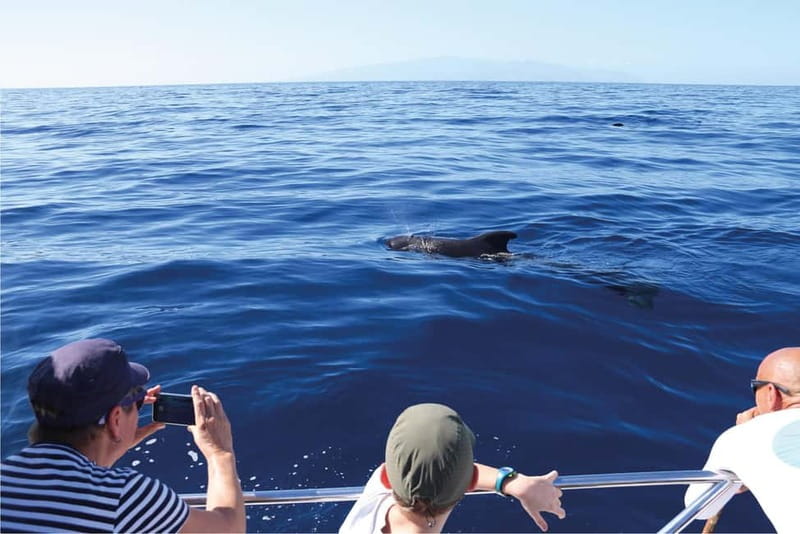
No price is provided in the available details, so I cannot judge the exact fare against other Costa Adeje outings. I would assess the value by looking at what is included: 2.5 hours on the water, a maximum of 10 passengers, a biologist onboard, drinks, wildlife interpretation, and the hydrophone experience.
That package should appeal to you if you value careful guiding and a quieter boat more than the lowest possible price. A larger cruise may offer a cheaper seat, but it may not provide the same personal attention or access to a hydrophone.
The conservation work also matters when comparing costs. Rescue activity, scientific cooperation, and responsible operating practices are not visible extras, but they are part of what you are supporting with your booking.
The flexible booking terms reduce some risk. You can cancel up to 24 hours before departure for a full refund, and you can reserve now and pay later. Check the exact conditions at booking, especially if your plans around Tenerife may change.
Who will enjoy this experience most
I would recommend this trip to you if you want:
- A small-group wildlife outing rather than a crowded cruise
- A chance to hear cetaceans as well as see them
- An experience with a clear conservation focus
- Explanations from a biologist
- A family-friendly boat activity with a manageable group size
- A more thoughtful encounter with pilot whales and dolphins
It also suits families with young children. The small group and short 2.5-hour duration make the outing easier to manage than a full-day marine trip. Still, children need to be comfortable on a small boat, and the sea can be unpredictable. The supplied information does not state a minimum age, so confirm that point before booking for very young children.
You may want to choose another option if you need a guaranteed animal sighting, a large stable vessel, extensive onboard facilities, or a packed schedule of attractions. This outing is built around patient observation, not a checklist of guaranteed stops.
My verdict on the Costa Adeje whale watching trip
I like the combination of a small boat, a biologist, and a hydrophone. You get a closer look at how responsible whale watching should work, with the motors off near animals and a safe distance maintained.
The five-star feedback fits the strongest parts of the experience: friendly, experienced guides, plenty of pilot whales, and whales seen close to the boat. The comments also point to a family-friendly atmosphere, while the company’s conservation work gives the trip more substance than a standard coastal cruise.
You should book it if you are happy to accept the uncertainty of wild animals and want a quieter, more respectful outing. Check the price, departure time, and any age requirements before paying. If the hydrophone and small group are priorities, this is a strong choice for exploring Tenerife’s south coast.
FAQ
Where does the whale watching experience take place?
It takes place on the south coast of Tenerife, from Costa Adeje, within Europe’s only whale sanctuary.
How long does the tour last?
The experience lasts 2.5 hours. Starting times vary, so check availability for the date you want.
How many people can join the boat trip?
Papacho 2 has a maximum capacity of 10 passengers.
What animals might I see?
You may see pilot whales, dolphins, turtles, and seabirds. Wildlife sightings cannot be guaranteed.
What is the hydrophone used for?
The hydrophone is lowered into the water so you can listen to sounds used by cetaceans to communicate or hunt.
Do the boat engines stay on near the animals?
No. During sightings, the engines are completely turned off to avoid disturbing the animals.
Is a guide included?
Yes. A biologist is onboard to explain the marine life you may encounter and the conservation measures used to protect it.
Which languages are available?
The live tour guide service is available in English and Spanish.
What should I bring?
Bring sunglasses, a sun hat, and sunscreen. Drinks are provided onboard.
Just added around Tenerife
- Tenerife Whale Watching and Snorkeling Yacht Trip★ 4.5 · 162 reviews
- Whale watching and snorkelling in the whale sanctuary★ 5.0 · 14 reviews
- Whale & Dolphin Watching With Mustcat Virgin Coast Trip On a Large Catamaran★ 4.0 · 3 reviews
- Whales and Dolphins excursion on a Luxury Yacht in Canary Islands★ 5.0 · 93 reviews
- Whale and Dolphin Watching EcoAdventure in Tenerife★ 5.0 · 78 reviews
- Whale & Dolphin Watching in Tenerife (Puerto Colon) On a Large Catamaran★ 4.0 · 12 reviews
- Whale & Dolphin Watching Boat Trip in Tenerife On a Sailing Boat (3 Hr)★ 3.5 · 10 reviews
- Whale Watching Catamaran to Los Gigantes & Masca (Including drinks & warm lunch)★ 4.0 · 55 reviews
Tenerife Whale Watching Tours, compared.
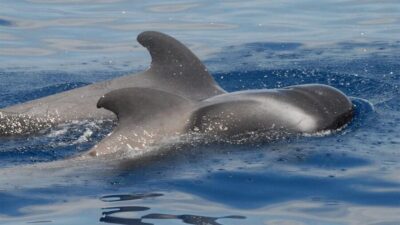
Tenerife: Eco-Yacht Whale and Dolphin Watching and Swimming
Read our review →
Los Cristianos Respectful No-Chase Whale and Dolphin Safari
Read our review →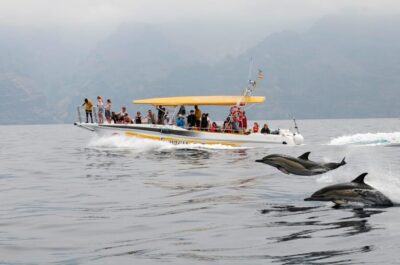
Costa Adeje: Whale & Dolphin Eco-Cruise with Snacks & Drinks
Read our review →Los Gigantes: Dolphin & Whale Watching Cruise with Swim Stop
Read our review →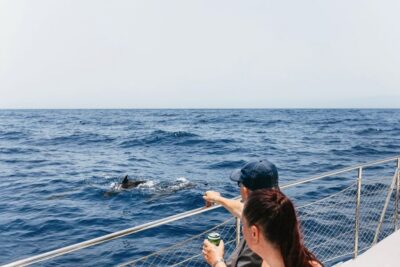
Costa Adeje: Whale Watching Catamaran Tour with Drinks
Read our review →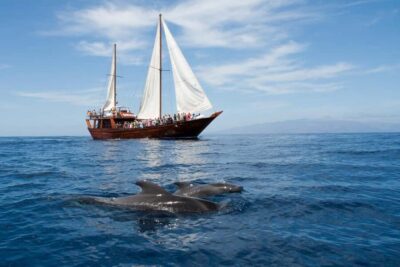
Tenerife: Whale & Dolphin Watching Cruise with Swim Stop
Read our review →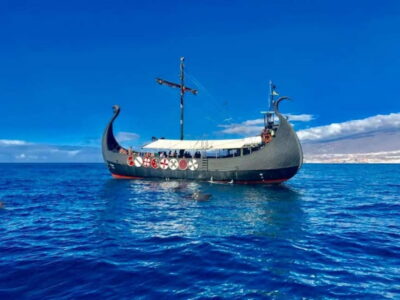
Los Cristianos: Viking Cruise Whales & Dolphins Watching
Read our review →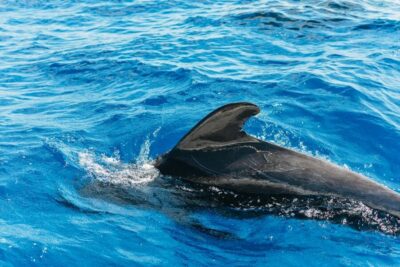
Tenerife: Whale & Dolphin Watching with Drinks and Snacks
Read our review →Browse the lists this tour appears in