
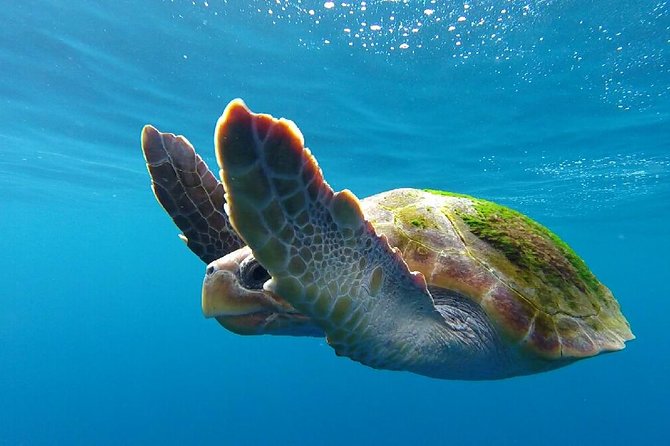
REVIEW · TENERIFE WHALE WATCHING TOURS
Costa Adeje | Cetacean sighting in Tenerife South
The ocean does the entertaining here. This Costa Adeje cetacean tour combines close-to-the-water viewing with a maximum of 10 people, so you can hear the biologist, move around the boat, and watch without a crowd blocking the view. I especially like the respectful approach: the engines are switched off near the animals, and a hydrophone lets you hear whale communication below the surface.
I also like the guides’ strong science background and personal care for the animals. David, Mirna, Marina, and other crew members are praised for explaining pilot whales, dolphins, seabirds, and conservation in a lively way. The main drawback is the sea itself: sightings are never guaranteed, and rough water can be hard on anyone prone to seasickness.
Key points to know before booking
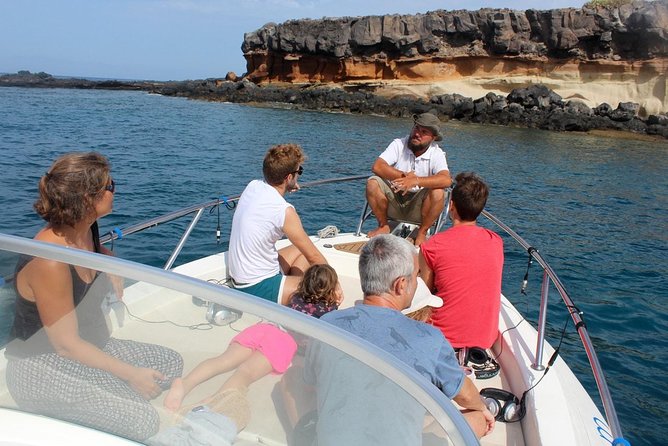
- Only 10 passengers maximum: This is a genuine small-group trip, not a large party boat with a whale-watching label.
- Hydrophone listening stop: The boat can shut down its engines and lower a hydrophone so you can hear the animals communicate.
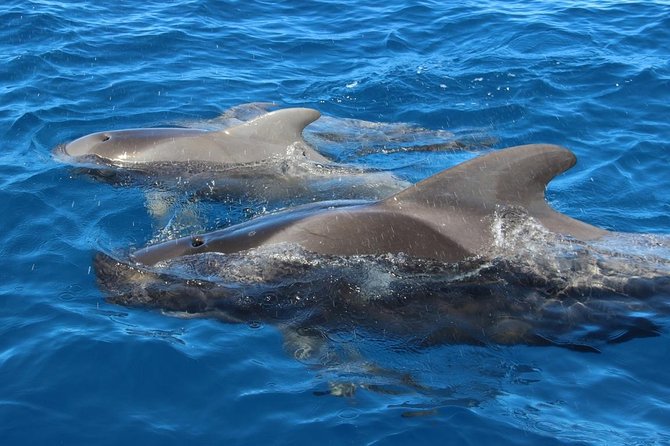
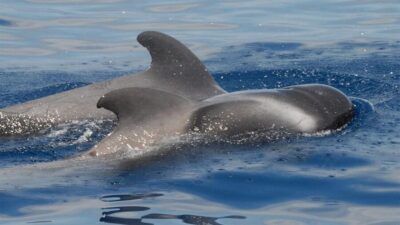
- Pilot whales are the main attraction: Tenerife’s southern coast is known for regular sightings, with dolphins, turtles, seabirds, and occasional larger whales also possible.
- Guides work as educators and observers: David and the crew explain behavior, identify individual whales, and discuss threats to the ocean.
- A quiet, respectful style: The boat waits near animals rather than chasing them, and may leave an area if too many boats gather.
- Bring serious sun and motion protection: A hat with a chin toggle, sunglasses, sunscreen, and motion-sickness tablets are sensible choices.
Setting Out From Puerto Colón in Costa Adeje
The tour begins at Av. de Colón 4 in Costa Adeje, at Puerto Colón Marina. Several people identify Gate 4 as the place to meet, so check the exact meeting instructions you receive after booking and arrive with enough time to find the marina entrance.
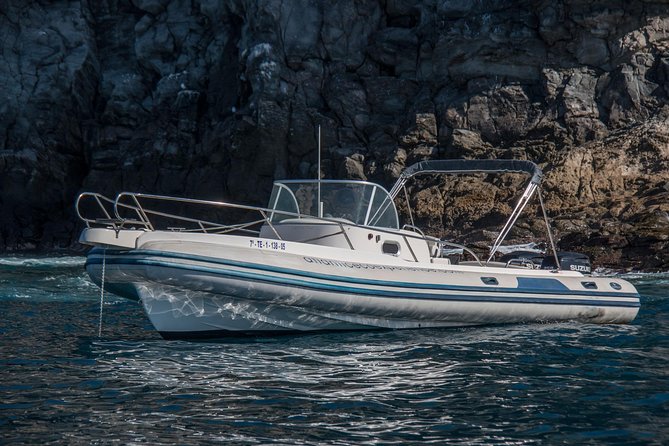
The boat is called Papacho 2. It carries up to 10 passengers, although some departures may have fewer people. That difference matters. A group of four, six, or eight can spread out more easily, ask questions without waiting, and keep sight of a whale as it surfaces on either side of the boat.
You are not boarding a floating restaurant or party vessel. There is no promise of a large meal, loud music, or a full drinks service. The focus is the sea, the animals, and the explanations from the crew. A cold drink is offered toward the end, and a toilet is available below deck, but you should bring your own water.
The boat sits close to the water, which gives you a wonderfully direct view when a pilot whale surfaces nearby. It also means spray and motion can feel more noticeable than they would on a tall, wide sightseeing boat. That is part of the charm, but it is worth considering if you get seasick.
A few more whale watching trips around Tenerife worth a look
- Tenerife: Eco-Yacht Whale and Dolphin Watching and Swimming
★ 4.7 · 15,619 reviews - Los Cristianos Respectful No-Chase Whale and Dolphin Safari
★ 4.6 · 12,782 reviews - Costa Adeje: Whale & Dolphin Eco-Cruise with Snacks & Drinks
★ 4.6 · 5,096 reviews
The First Lesson: Tenerife’s Deep Marine Waters
Before the search begins in earnest, the biologist explains what lives off Tenerife and why the area is so productive for cetaceans. The island rises dramatically from the ocean floor, creating deep offshore water close to the southern coast. That helps bring species such as short-finned pilot whales within reach of a relatively short boat trip.
The guides explain how pilot whales live in family groups, how they communicate, and how their feeding behavior is linked to the deep ocean. One particularly memorable lesson concerns their ability to make powerful underwater pursuits for squid far below the surface. You are not simply told to watch for a fin. You are given clues that help you understand what you are seeing.
David receives especially warm praise for his storytelling and humor. He has used everything from whale family histories to the ancient ancestor Pakicetus to make evolution and marine science easier to follow. Mirna and Marina are also praised for their calm boat handling, photography, and field observations.
This teaching is one of the tour’s biggest strengths. A whale that surfaces for only a few seconds can seem like a quick glimpse. Once you understand its family group, markings, behavior, and likely reason for being in the area, the same glimpse becomes far more meaningful.
Watching Pilot Whales Without Chasing Them
Short-finned pilot whales are the species you are most likely to focus on during this experience. The crew keeps a photo catalogue of known individuals, using dorsal-fin markings to help identify family groups. That gives the trip a research-minded feel without turning it into a dry lecture.
The viewing style is patient. The boat may slow down or simply coast while the crew waits for the animals to surface. This is a major contrast with trips that rush from one sighting to the next. Instead of trying to force a close encounter, the crew gives the whales room to decide where they want to go.
When the animals are nearby, you may see several members of a family group, including young whales. A few accounts describe babies among the groups, which can be a moving sight, though no wildlife trip can promise that particular encounter.
The crew may also move away from an area if too many other boats are already present. That choice can reduce your viewing time in one spot, but it shows that the tour’s environmental approach is more than a slogan. The aim is to watch without adding unnecessary pressure.
You should keep your eyes moving. A whale may surface behind the boat, while another appears off the side. The small size of Papacho 2 helps because you can shift position and still remain close to the action. There is no need to compete with a hundred people for one narrow view over the rail.
Dolphins, Turtles, Birds, and the Occasional Surprise
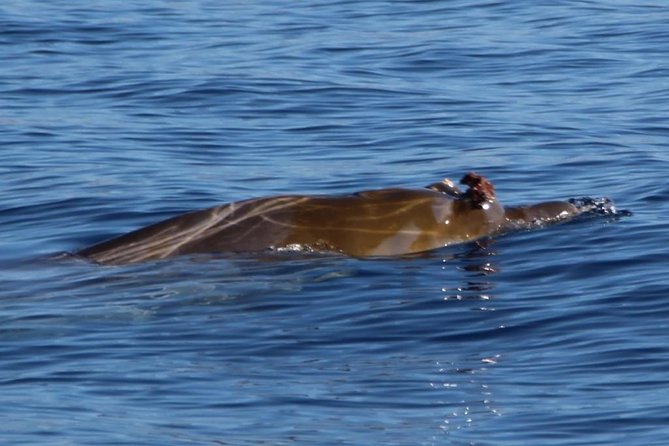
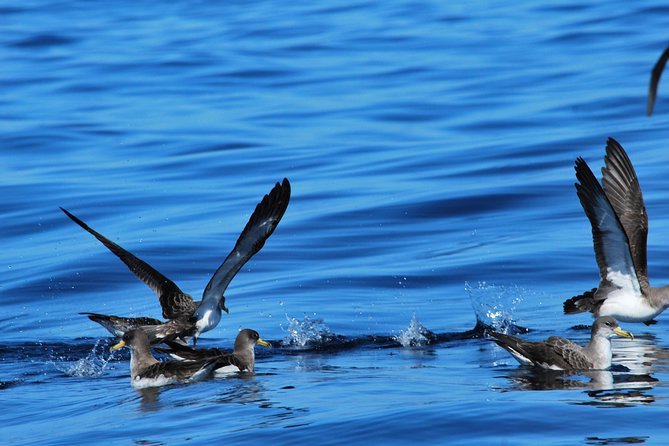
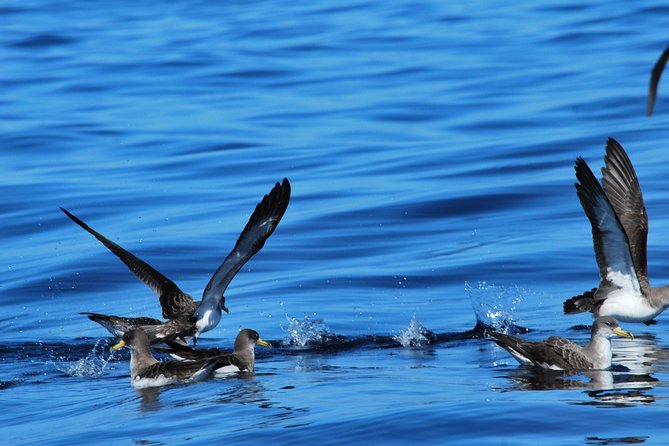
Pilot whales are the regular stars, but the wildlife list is broader. Sightings have included dolphins, porpoises, loggerhead turtles, flying fish, and seabirds such as Cory’s shearwaters. Some trips have also encountered a larger whale, including a possible fin whale, and one exceptional outing saw orcas.
That range is exciting, but it needs a little perspective. Wildlife is unpredictable. You may see several species, or you may spend much of the trip watching one family of pilot whales. Orcas are a rare bonus, not something to book this tour expecting to see.
The guides help you notice smaller details. Flying fish can flash across the surface and disappear before you have time to point. Sea turtles may appear quietly among the waves. Seabirds can help show where feeding activity is taking place. The trip becomes less about collecting species and more about learning how the open ocean works.
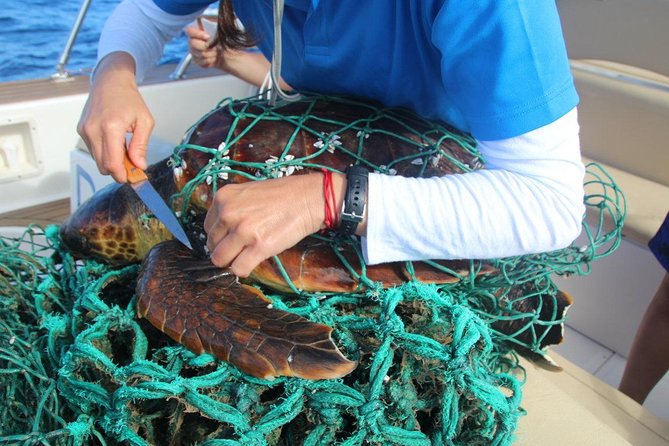
The crew has also been known to collect floating plastic during the outing. It is a modest action, but it fits the tour’s wider message: observing marine life carries a responsibility to care for the water it depends on.
Same water, a different way to meet them:
- Los Gigantes: Dolphin & Whale Watching Cruise with Swim Stop
★ 4.7 · 4,539 reviews - Costa Adeje: Whale Watching Catamaran Tour with Drinks
★ 4.7 · 3,653 reviews - Tenerife: Whale & Dolphin Watching Cruise with Swim Stop
★ 4.7 · 3,227 reviews - Los Cristianos: Viking Cruise Whales & Dolphins Watching
★ 4.6 · 3,132 reviews
Hearing the Ocean Through a Hydrophone
The hydrophone is one of the most memorable features. When the boat reaches a suitable sighting, the crew can stop the engines and lower the listening device into the water. You may then hear the sounds made by whales as they communicate or search for food.
This changes the experience completely. Whale watching is usually visual, built around the brief appearance of a back or fin. Hearing the animals reminds you that a great deal is happening beneath the surface even when the sea looks empty.
Switching off the engine also creates a calmer viewing moment. You hear the water and the animals rather than a motor running under every explanation. The guide can connect the sounds to whale behavior, giving you a better sense of the animals as social, active creatures rather than distant shapes.
The hydrophone is not a guarantee of constant whale song. Conditions and animal behavior affect what you hear. Still, it is a valuable part of the trip, especially for children and anyone who wants more than a standard photo opportunity.
Why the Small Group Changes the Experience
Many whale-watching excursions from Tenerife use large boats. That can work well if you want a lower-cost, social outing with lots of space, but it can also mean crowded rails, limited views, and less time with the guide.
This tour takes the opposite approach. Ten passengers is the absolute capacity, and some departures have had only a few people aboard. You can ask about whale behavior, conservation, and identification without trying to catch the guide’s attention from the back of a packed deck.
The crew can also respond to the group. Families with children have found the explanations engaging, and adults can ask more detailed questions about biology and field research. One seven-year-old reportedly stayed interested for the full two and a half hours, which says a lot about the presentation style.
Small does not mean luxurious. You are still on a compact boat in open water, with sun, spray, and motion. The reward is access and attention, not plush seating or a long list of onboard amenities.
The Crew’s Approach to Conservation
The conservation message runs through the trip rather than appearing as a short speech at the beginning. The guides explain the animals’ behavior, respect their space, stop the engines near sightings, and avoid crowding them with other boats.
The operation is described as Blue Flag certified, and the crew records observations and identifies familiar whales through photographs. That gives the trip a useful connection to ongoing understanding of the local cetacean population.
You should still keep your expectations practical. This is a two-and-a-half-hour public excursion, not a dedicated scientific expedition. Yet the care shown in the handling of sightings makes it feel more responsible than a fast boat ride that treats wildlife as a target.
That distinction matters if you are choosing between several tours in Puerto Colón. A boat that gets close by chasing animals is not offering the same experience as one that waits quietly and leaves when an area becomes crowded. Here, patience is part of the product.
What the $71.35 Price Gets You
At $71.35 per person, this tour costs more than a basic large-boat cruise may cost, but the comparison is not quite fair. You are paying for a maximum 10-person group, a biologist guide, an experienced captain, a compact boat, the hydrophone, and a more careful viewing method.
The price also buys time with the crew. If David is leading your departure, you can expect detailed explanations rather than a few generic facts over a loudspeaker. The crew’s photographs may also be shared after the trip, including images used to identify individual whales.
For me, the value is strongest if you care about marine life and want to learn while watching. It is less compelling if your main goal is a party atmosphere, a large lunch, or a long list of included refreshments. The tour is about quality of attention, not quantity of amenities.
The duration is approximately two hours and 30 minutes. That is long enough to spend real time waiting and observing, but short enough to fit into a day in Costa Adeje. It also gives you a useful schedule cushion if you want to plan another activity later.
Practical Advice for Comfort and Sightings
Wear sunscreen before you leave. The boat offers little relief from the sun, and the glare off the water can be strong even when the air feels pleasant.
A hat with a toggle is better than a loose sun hat, since wind can carry an unsecured hat away. Sunglasses help with glare, and a light layer may be useful if the breeze picks up.
If you are prone to motion sickness, take your usual tablets before boarding. One person still became sick despite taking precautions, so do not assume a small boat will feel steady. The boat is described as sturdy, but open-water conditions can change.
Bring water, even though a cold drink is offered later. Keep your phone and camera secure, and do not spend the entire trip looking through a screen. Sightings can happen fast, and the best view may be the one you catch with your own eyes.
The company says most people can participate, and service animals are allowed. Access to the boat depends on the type of reduced mobility and sea conditions, so contact Atlantic Eco Experience before booking if you need specific assistance.
Who Will Enjoy This Tour Most
I would choose this outing for anyone who prefers a quiet, personal wildlife experience over a large sightseeing cruise. It suits couples, families, solo visitors, and older children who can manage two and a half hours on the water.
It is particularly good for you if you want:
- Close-to-water views from a small boat
- Clear explanations from a marine biologist
- A conservation-minded crew
- A chance to hear whales through a hydrophone
- A flexible, question-friendly group setting
- Wildlife photography without a packed viewing deck
You may want another style of excursion if you dislike boat motion, need guaranteed sightings, or expect food and entertainment to be central. The sea decides what appears, and the crew cannot promise whales, dolphins, turtles, or orcas on any particular departure.
Bookings are often made around 17 days ahead, so popular dates may fill. Confirmation is sent within 48 hours, subject to availability. You can cancel for a full refund up to 24 hours before the start time. Poor weather or failure to meet the minimum group size can lead to a rescheduled trip or full refund.
Should You Book the Costa Adeje Cetacean Tour?
Yes, if you want Tenerife whale watching with a real sense of care and purpose. The small group, quiet approach, hydrophone, and strong guiding make this far more than a quick search for fins.
I would book it for the chance to watch pilot whale families at water level while learning how they live. Just pack for sun and motion, keep your wildlife expectations flexible, and understand that the best moments come from waiting rather than chasing.
If that sounds like your kind of morning on Tenerife, the $71.35 price is fair value. You are not buying a guaranteed animal performance. You are buying a respectful chance to meet the ocean on its own terms.
FAQ
Where does the tour start?
The tour starts at Av. de Colón 4 in Costa Adeje, Santa Cruz de Tenerife, at Puerto Colón Marina. Gate 4 is identified as the meeting point in the tour information.
How long does the experience last?
The cetacean sighting tour lasts approximately two hours and 30 minutes.
How many people can join the boat?
The boat has a maximum capacity of 10 passengers.
What animals might I see?
Possible sightings include short-finned pilot whales, dolphins, porpoises, sea turtles, seabirds, and flying fish. Larger whales and orcas have also been seen, but these sightings cannot be guaranteed.
Is the tour offered in English?
Yes. The experience is offered in English and includes a biologist guide who explains the marine life and conservation work.
What happens if the weather is poor?
The experience requires good weather. If it is canceled because of poor conditions, you will be offered another date or a full refund.
Just added around Tenerife
- Tenerife Whale Watching and Snorkeling Yacht Trip★ 4.5 · 162 reviews
- Whales and Dolphins excursion on a Luxury Yacht in Canary Islands★ 5.0 · 93 reviews
- Whale watching and snorkelling in the whale sanctuary★ 5.0 · 14 reviews
- Whale & Dolphin Watching With Mustcat Virgin Coast Trip On a Large Catamaran★ 4.0 · 3 reviews
- Whale and Dolphin Watching EcoAdventure in Tenerife★ 5.0 · 78 reviews
- Whale & Dolphin Watching in Tenerife (Puerto Colon) On a Large Catamaran★ 4.0 · 12 reviews
- Whale & Dolphin Watching Boat Trip in Tenerife On a Sailing Boat (3 Hr)★ 3.5 · 10 reviews
- Whale Watching Catamaran to Los Gigantes & Masca (Including drinks & warm lunch)★ 4.0 · 55 reviews
Tenerife Whale Watching Tours, compared.
Tenerife: Eco-Yacht Whale and Dolphin Watching and Swimming
Read our review →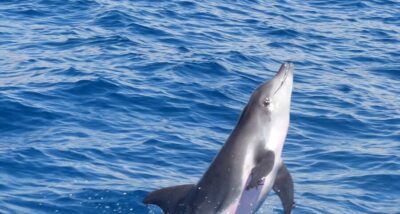
Los Cristianos Respectful No-Chase Whale and Dolphin Safari
Read our review →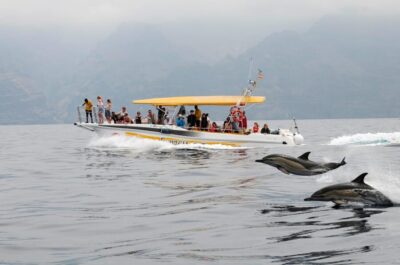
Costa Adeje: Whale & Dolphin Eco-Cruise with Snacks & Drinks
Read our review →Los Gigantes: Dolphin & Whale Watching Cruise with Swim Stop
Read our review →
Costa Adeje: Whale Watching Catamaran Tour with Drinks
Read our review →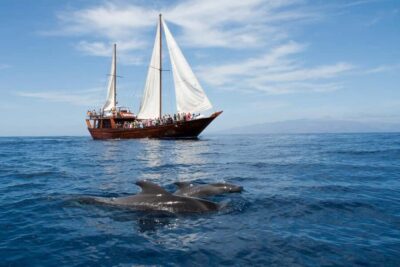
Tenerife: Whale & Dolphin Watching Cruise with Swim Stop
Read our review →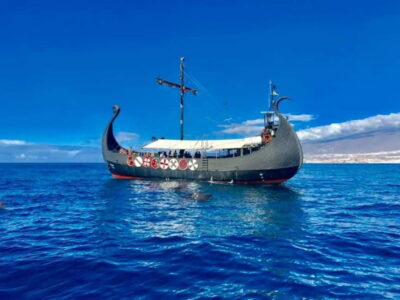
Los Cristianos: Viking Cruise Whales & Dolphins Watching
Read our review →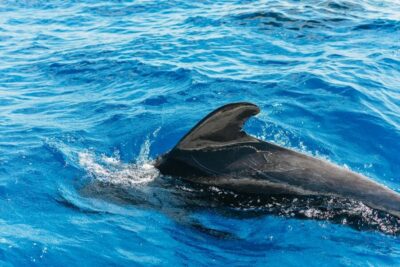
Tenerife: Whale & Dolphin Watching with Drinks and Snacks
Read our review →Browse the lists this tour appears in