
REVIEW · CANADA WHALE WATCHING TOURS
Port Hardy: Sea Otter and Whale Watching
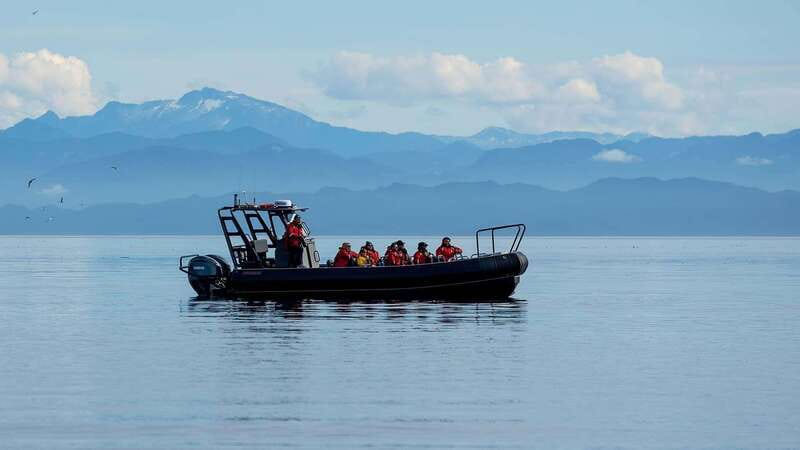
Northern waters reward patience. This Port Hardy trip pairs a fast ride through Kwakwakaʼwakw First Nations’ traditional waters with serious wildlife watching, from sea otters and orcas to whales and seabirds. I like the 12-passenger RHIBs, especially their individual shock-mitigating seats, and I like that the crew provides flotation suits, binoculars, lunch, and hot drinks rather than leaving you to prepare for a cold day at sea.
The onboard hydrophone adds something many boat trips miss: you can listen for whales, not just scan for them. Local Indigenous staff and guides bring a strong sense of place to the outing, with guide AJ earning special praise for getting close while respecting wild animals. The main caution is simple: this is a long, fast ocean trip, and summer fog, rough water, or seasickness can affect the day. Sightings are never guaranteed.
Key points at a glance
- Five and a half hours on northern Vancouver Island waters: The 330-minute outing gives the crew time to cover a wide area instead of staying close to Port Hardy.
- A custom RHIB with suspension seats: Individual seats help soften the impact of speed and waves far better than a basic bench-style zodiac.
- Wildlife listening as well as watching: The hydrophone lets you hear whales beneath the surface when conditions allow.
- Practical cold-weather gear included: You receive a two-piece flotation suit, warm hat, and binoculars, with warm clothing still recommended.
- Small group, local setting: With space for 12 passengers, the boat feels personal, while the guides work in the traditional waters of the Kwakwakaʼwakw First Nations.
- Lunch is part of the day: Hot drinks and a meal make the long outing easier, especially when fog or cool weather keeps you bundled up.
Why this Port Hardy trip feels different
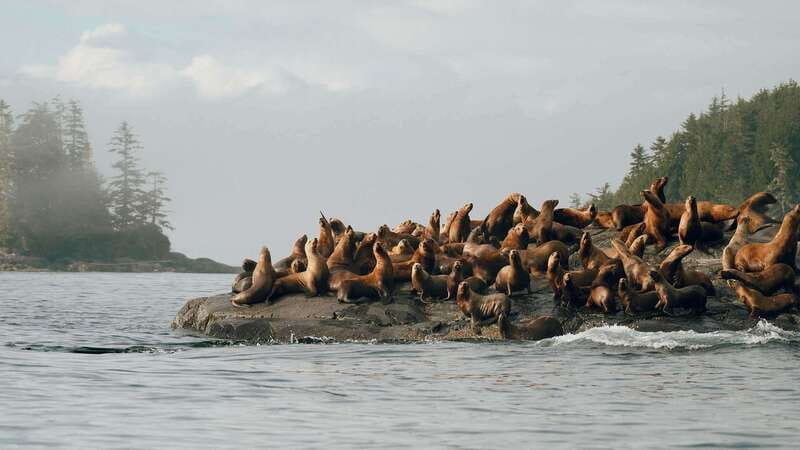
Port Hardy is at the northern end of Vancouver Island, far from the busy sightseeing routes around Victoria and Vancouver. That distance matters. The surrounding waters offer broad feeding grounds and remote shorelines, so the crew can search a large area for marine life instead of relying on a short loop.
You are not signing up for a guaranteed parade of orcas. You are signing up for time on the water with guides who know where wildlife may appear and who can explain what you are seeing. That distinction is important. Nature sets the schedule, not the boat operator.
The trip takes place in the traditional lands and waters of the Kwakwakaʼwakw First Nations. That local connection gives the outing more meaning than a simple sightseeing ride. You get the chance to see the area through guides who understand its wildlife, waterways, and cultural setting.
The small boat also changes the mood. A 12-passenger vessel allows the guide to keep the group together while still leaving each person room to look and photograph. It is a more focused setup than a large whale-watching boat, where you may spend much of the trip trying to find a clear view over other passengers.
A few more whale watching trips around Canada worth a look
- Vancouver Half-Day Whale Watching Adventure with Free Photos
★ 5.0 · 5,000 reviews - Tadoussac/Charlevoix: Whale Watching Zodiac Tour
★ 4.3 · 2,716 reviews - Vancouver: Covered Whale Watching Adventure with Free Photos
★ 4.8 · 2,260 reviews
Arriving at 7185 Market Street
Your day begins at the Coastal Rainforest Safaris office at 7185 Market St in Port Hardy. Arrive 30 minutes before departure. That extra half hour is not wasted time, since you need to be fitted with flotation gear and sign a waiver before heading out.
Wear warm clothing even though the company supplies a flotation suit and hat. On open water, speed and wind can make the temperature feel much lower than it does on shore. Layers are the sensible choice, and you should avoid strong fragrances because they are not allowed on the trip.
The operator also prohibits pets, smoking, drones, tripods, and bare feet. The tripod rule is worth noting if you are packing serious camera equipment. You can still take photographs, but your gear needs to stay manageable in a compact boat.
The ride in a 12-passenger RHIB
The vessel is one of the strongest parts of the experience. These custom-made RHIBs use individual seats mounted on shock-mitigating suspension platforms. That is a major comfort upgrade over the fixed benches found on many traditional zodiacs.
You will still feel the movement of the sea. This is not a calm cruise with a lounge chair and a glass of wine. But the suspension seats are designed to reduce the hard jolts that come from speed and waves. Several passengers specifically praised the comfort of the seats even when the boat was moving quickly or crossing larger waves.
The boat can cover a substantial area during the 330-minute outing. That range improves your chances of finding wildlife, since the crew is not confined to a small patch of water. It also means the ride itself is part of the experience. You will see remote northern scenery from the water, with the boat moving between viewing areas rather than stopping at a fixed list of attractions.
The trade-off is physical. People with back problems should not book this trip, and anyone prone to seasickness should think carefully before committing to five and a half hours on the ocean. The suspension helps, but it does not remove the motion of the sea.
Searching for sea otters, whales, and orcas
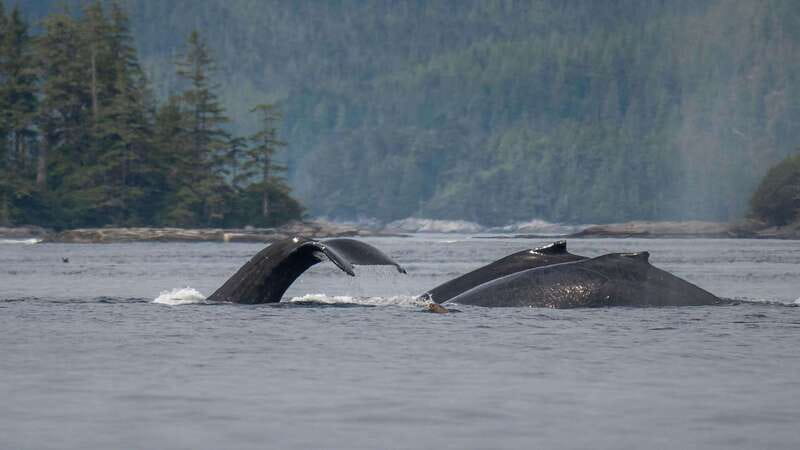
Wildlife viewing unfolds according to conditions. The guide may spend time scanning the water, moving to another area, or slowing down when animals appear. The ability to cover distance is useful because marine wildlife moves freely, and the best viewing area can change during the day.
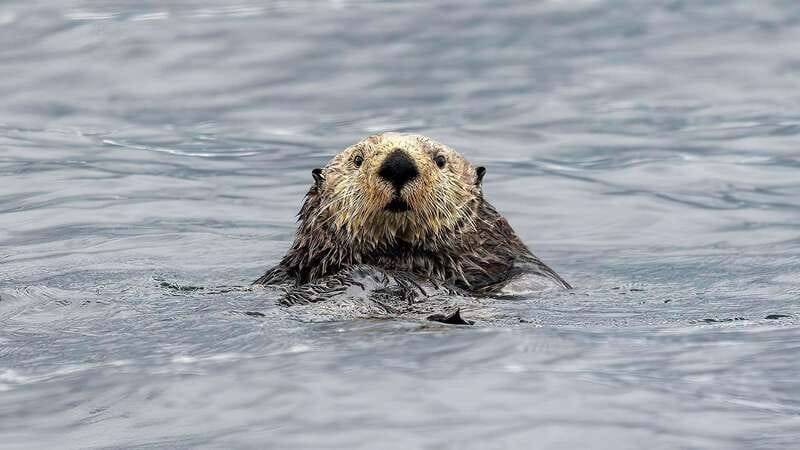
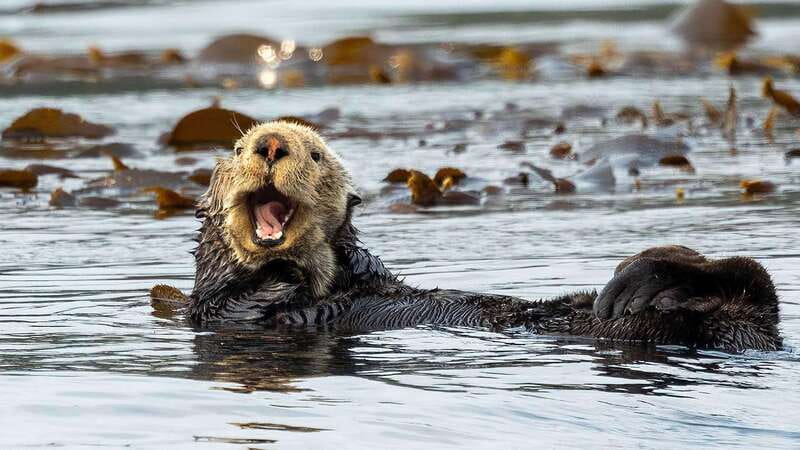
Sea otters are a special treat. They are small compared with whales, so binoculars become valuable when they appear at a distance. The supplied binoculars mean you do not need to bring your own, although a camera with a long lens can still be useful if you have one.
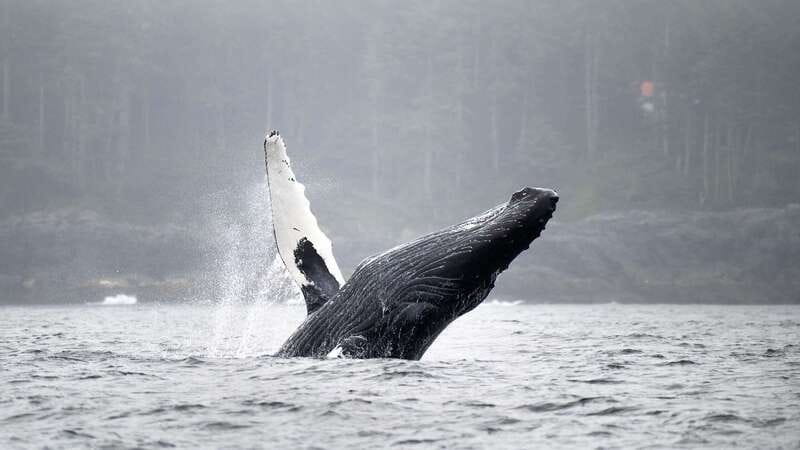
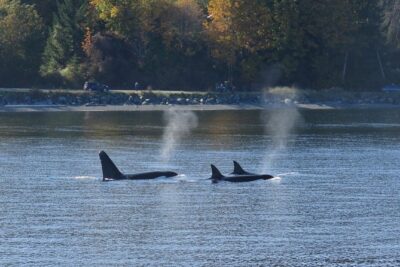
Whales and orcas provide the bigger moments, but you should keep expectations realistic. The operator does not promise every species on every departure. One trip may offer several types of wildlife, while another may be shaped by fog, distance, or animal behavior.
Recent outings included especially strong orca sightings, even in poor weather. That does not make an orca encounter certain, but it shows why time and range matter. The crew can search farther than a short harbor excursion, and the guides can respond when wildlife is reported or spotted.
The staff also place emphasis on approaching animals respectfully. That matters to me. A good wildlife trip should not treat a whale or otter as a prop. The best moments come when the boat gives the animal space and lets you watch natural behavior.
Same water, a different way to meet them:
- Victoria Half-Day Whale Watching Adventure with Free Photos
★ 5.0 · 2,259 reviews - Tadoussac/Charlevoix: 3-Hour Whale Watching Boat Tour
★ 4.2 · 2,179 reviews - Victoria Whale and Wildlife Cruise
★ 5.0 · 1,729 reviews - Whale-Watching Tour from Vancouver
★ 4.5 · 1,572 reviews
Hearing whales through the onboard hydrophone
The hydrophone adds a second way to experience the ocean. Instead of watching only for a blow, fin, or splash, you may hear whale sounds below the surface. That can make a quiet stretch of the trip feel purposeful rather than empty.
A hydrophone cannot guarantee that whales will be vocal or close enough to hear clearly. Still, it is a useful feature, particularly when fog or distance limits visibility. It also encourages you to pay attention to the water as a living environment, not just a stage for dramatic breaches.
I would treat the hydrophone as an important bonus, not the sole reason to book. The core experience remains a guided search for marine wildlife in a remote part of British Columbia.
Why the guides matter
A fast boat is useful, but the guide determines how much you take away from the day. The staff are described as friendly, attentive, and strong at explaining what you see. One guide, AJ, received particular praise for bringing the group close to wildlife while keeping the approach respectful.
The local Indigenous connection is another meaningful part of the trip. The guides work in Kwakwakaʼwakw traditional lands and waters, giving the outing a local voice rather than a generic script. You can expect the focus to include wildlife behavior, local conditions, and respect for the natural setting.
The best guides also know when not to fill every second with talk. Wildlife trips include stretches of waiting and scanning. Clear explanations help you understand why the boat is moving or pausing, while quiet moments leave room for the sounds of water, wind, and animals.
English is the tour language. If you need detailed interpretation in another language, this is not the right choice based on the information available.
Lunch, hot drinks, and the value of included gear
For a 330-minute ocean outing, included food is more than a minor convenience. Lunch and hot drinks mean you do not need to carry a full meal or worry about finding food during the trip. They also help on a cool day, when you may burn more energy than expected simply staying warm.
The company supplies a two-piece flotation suit and warm hat. These items reduce the amount of specialized gear you need to pack, but they do not replace warm layers underneath. Bring clothing suited to changing weather, and avoid assuming that a summer date means warm conditions offshore.
The flotation suit serves a safety purpose as well as a comfort purpose. It also helps protect your clothing from spray. Since the boat is designed for wildlife viewing rather than luxury cruising, practical equipment matters more than polished extras.
At $276 per person, this is not a cheap half-day activity. The price makes more sense when you add up the five and a half hours, small boat, suspension seats, guide service, binoculars, flotation suit, hat, lunch, hot drinks, hydrophone, and onboard toilet. You are paying for access to a remote setting and for a crew able to search a broad area.
Value depends on what you want. If you simply want a short boat ride, the cost is high. If wildlife, photography, local guidance, and a more intimate boat matter to you, the package is stronger. The included equipment also makes the price easier to accept because you do not need to rent or purchase several items separately.
Fog, weather, and the honest drawbacks
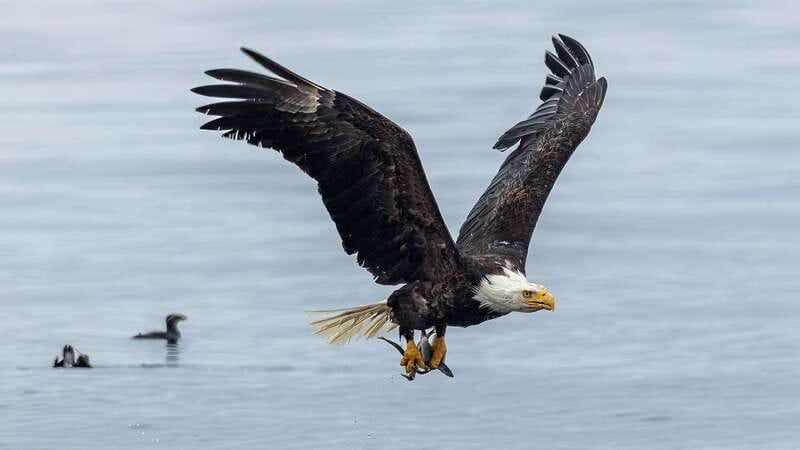
Northern Vancouver Island weather can change the feel of the day. Fog is a real possibility, especially in August. One passenger described the conditions with the local nickname Fogust, which neatly captures the problem: the weather may limit visibility even when the wildlife is nearby.
Bad weather does not automatically ruin the outing. Orcas and other animals can still appear, and the hydrophone may become more useful when the view is soft or blocked. Still, you should be comfortable with uncertainty. You could spend part of the day scanning through mist rather than enjoying postcard-clear views.
The trip is also not suited to everyone physically. Back problems and seasickness are specifically listed as concerns. A flotation suit, suspension seat, and hot drink can improve comfort, but they cannot turn a fast RHIB into a stable indoor platform.
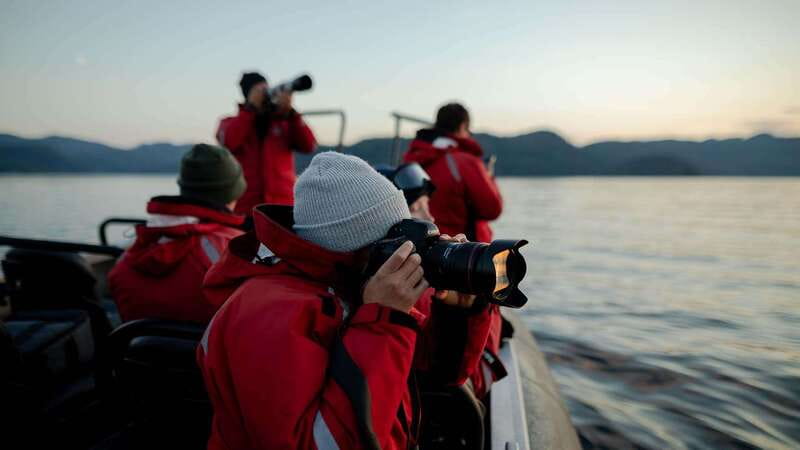
Photography brings its own challenge. You will have strong opportunities, but wildlife is unpredictable and the boat moves. A lightweight camera setup is more practical than a tripod, which is not allowed. Binoculars are included, so you can leave expensive optical equipment at home if you prefer a simpler day.
Who should book this experience?
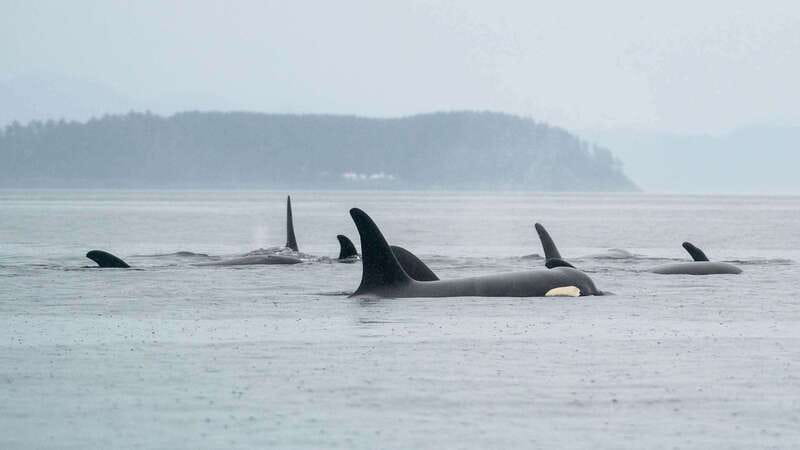
I would choose this outing if you want a serious wildlife search rather than a short scenic cruise. It suits people who enjoy being outdoors, can manage a fast ocean ride, and are willing to accept that nature may produce a spectacular encounter or a quieter day.
It is especially good for photographers who can work quickly and patiently. The small group, open views, and wide search area create useful conditions, while the guide can help you understand where to look. The boat’s seating also makes long periods on the water more comfortable than a basic zodiac arrangement.
Families and older visitors should consider the physical demands carefully. The company does not recommend the trip for people with back problems or those prone to seasickness. Anyone who dislikes cold, wind, or changing weather may find the ride tiring.
You should also book it for the setting, not only for a species checklist. Sea otters, whales, and orcas are major draws, but the remote waters, Indigenous local knowledge, and chance to listen through a hydrophone are part of the day’s value.
Practical details before you reserve
The tour lasts 330 minutes, or five and a half hours. Check the available departure times when booking, since the exact start time is not fixed in the information provided.
You can cancel up to 24 hours before departure for a full refund. A reserve-now, pay-later option is also available, which helps if your Port Hardy plans are still shifting.
Bring warm clothing. Do not bring pets, drones, tripods, smoking materials, strong fragrances, or anything that requires bare feet. Arrive at the Market Street office 30 minutes early for fitting and paperwork.
The boat has an onboard toilet, a useful feature during such a long outing. Lunch, hot drinks, binoculars, flotation suits, and warm hats are included, so your main preparation is dressing properly and bringing a camera only if you can use it comfortably on a moving boat.
Should you book the Port Hardy sea otter and whale trip?
Yes, if you want one of Port Hardy’s most focused wildlife experiences and you are comfortable with a fast, weather-dependent ocean ride. The combination of a small RHIB, suspension seating, local guides, hydrophone, lunch, and included cold-weather equipment gives the $276 price a solid case.
I would skip it if you have serious back concerns, strong seasickness, or little patience for uncertain wildlife conditions. For everyone else, this is a worthwhile choice when you want remote northern scenery, a real chance at orcas and whales, and a guide-led day that treats the animals with respect rather than chasing a guaranteed show.
FAQ
How long is the Port Hardy sea otter and whale tour?
The tour lasts 330 minutes, which is five and a half hours.
Where does the tour meet?
You meet at the Coastal Rainforest Safaris office at 7185 Market St, Port Hardy. Arrive 30 minutes before departure for flotation suit fitting and the required waiver.
What is included in the price?
The tour includes a fully guided wildlife outing, a local driver and naturalist, two-piece flotation suits, binoculars, warm hats, lunch, hot drinks, an onboard hydrophone, and an onboard toilet.
Are wildlife sightings guaranteed?
No. The crew cannot guarantee sightings of every species on every trip, although the high-speed vessels can cover a broad area to improve the chances of finding wildlife.
Is the tour suitable for people with back problems or seasickness?
No. The experience is not suitable for people with back problems or people prone to seasickness.
What should I bring, and what is not allowed?
Bring warm clothing. Pets, smoking, drones, tripods, strong fragrances, and bare feet are not allowed.
Just added around Canada
- Victoria: Whale and Wildlife Semi-Covered Boating Tour★ 4.8 · 51 reviews
- Victoria: Sunset Whale Watching Tour on Semi-Covered Boat★ 4.8 · 8 reviews
- Victoria Waterfall, Skywalk, Beach Picnic, Castle and Whales★ 4.9 · 7 reviews
- Victoria BC: 3-Hour Whale Watching Expedition★ 4.4 · 177 reviews
- Victoria, BC: 3-Hour Ultimate Whale & Marine Wildlife Tour★ 4.6 · 191 reviews
- Victoria: Morning Whale-Watching Tour in Scarab Boat★ 4.9 · 39 reviews
- Victoria: Whale Watching Adventure in a Zodiac Boat★ 4.5 · 129 reviews
- Vancouver: Zodiac Whale Watching Tour from Granville Island★ 4.6 · 6 reviews
Canada Whale Watching Tours, compared.
Vancouver Half-Day Whale Watching Adventure with Free Photos
Read our review →
Tadoussac/Charlevoix: Whale Watching Zodiac Tour
Read our review →Vancouver: Covered Whale Watching Adventure with Free Photos
Read our review →
Victoria Half-Day Whale Watching Adventure with Free Photos
Read our review →
Tadoussac/Charlevoix: 3-Hour Whale Watching Boat Tour
Read our review →
Browse the lists this tour appears in