
REVIEW · BIG ISLAND WHALE WATCHING TOURS
Kailua-Kona: Whale Watching Cruise on the Big Island
Whales can turn a quiet sea electric. This Kailua-Kona cruise gives you two excellent ways to meet humpbacks: watching mothers and calves move through the water and listening to their songs through an underwater hydrophone. I especially like the crew’s persistence, with captains such as Aidan, Bryce, Jacob, and Simon working hard to find sightings, and the simple snacks and drinks included in the price. The main drawback is that wildlife is never on a schedule, so a close breach is luck, not a promise.
The 150-minute trip also gives you a fair amount of time on the water without taking up your whole day. You might see dolphins, flying fish, rays, sharks, or a whale shark along with humpbacks, but conditions can change quickly. Bring motion-sickness medicine, and do not expect every trip to produce whales beside the boat.
Key points before you book
- The hydrophone adds a rare second experience: You can listen to humpback songs underwater, not just watch for blows and flukes.
- Honokohau Harbor is close to Kona Airport: The meeting point is 4.5 miles south of the airport and 3.5 miles north of Kailua-Kona.
- A 24-person catamaran keeps the outing fairly personal: It is smaller than a large sightseeing vessel, though seating and sight lines can still vary.
- The crew keeps searching: Captains have stayed out longer while looking for better sightings, when conditions allowed.
- Wildlife can extend beyond whales: Dolphins, flying fish, manta rays, sharks, and even a whale shark have appeared on some outings.
- The $115 price includes useful basics: Snacks, water, juice, ginger ale, and the hydrophone speaker are included, but transportation to the harbor is not.
Why Hawaii is humpback country
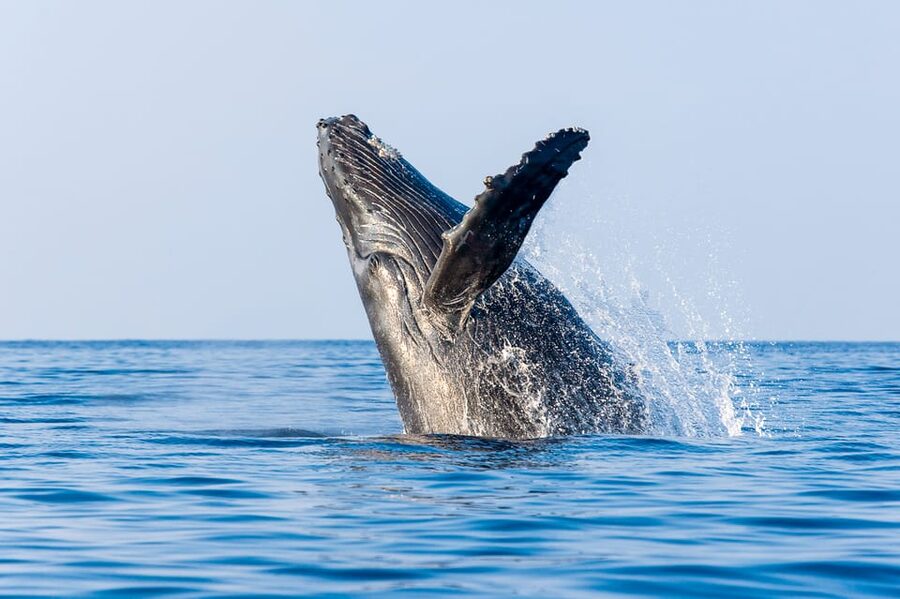
Hawaii is the only US state where humpback whales mate, give birth, and nurse their young. The islands offer warm water, clear visibility, different ocean depths, and few natural predators, making the area a seasonal nursery for these enormous mammals.
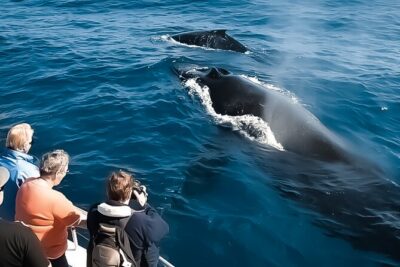
That setting gives this cruise more meaning than a quick search for a passing animal. You may see mothers traveling beside calves, males competing for females, or a whale resting just below the surface. The behavior is unpredictable, which is part of the appeal and part of the risk.
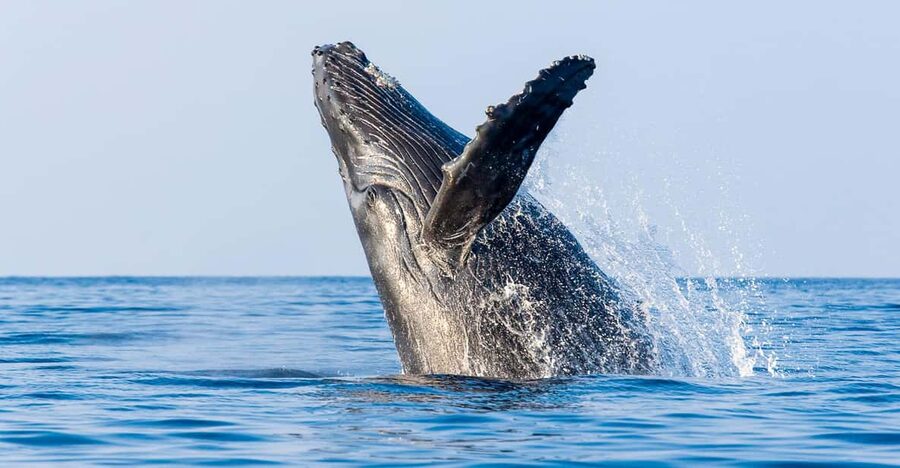
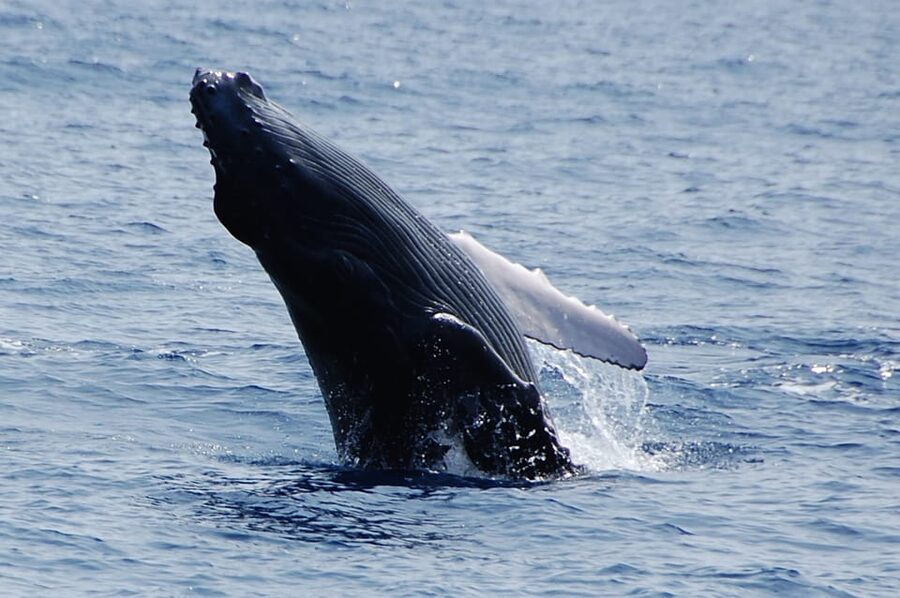
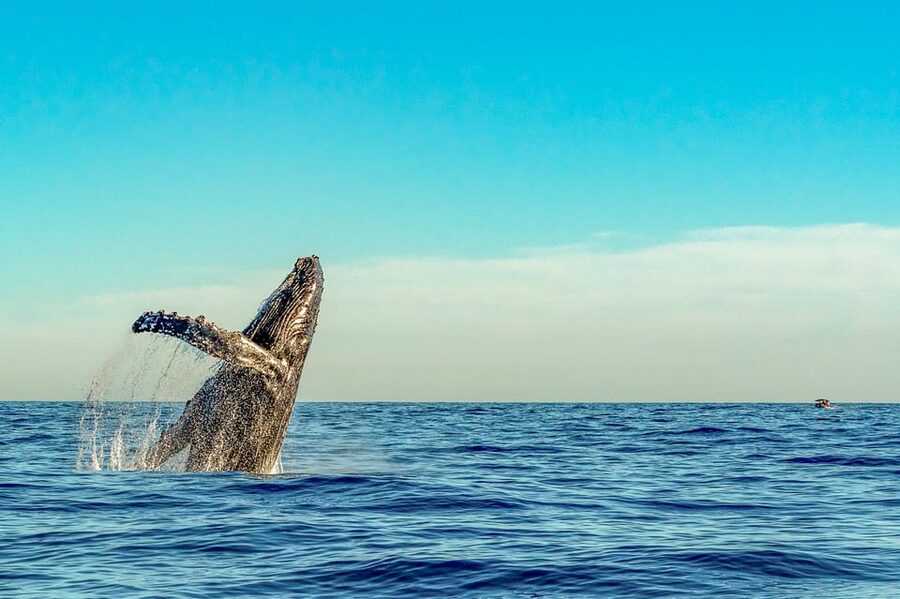
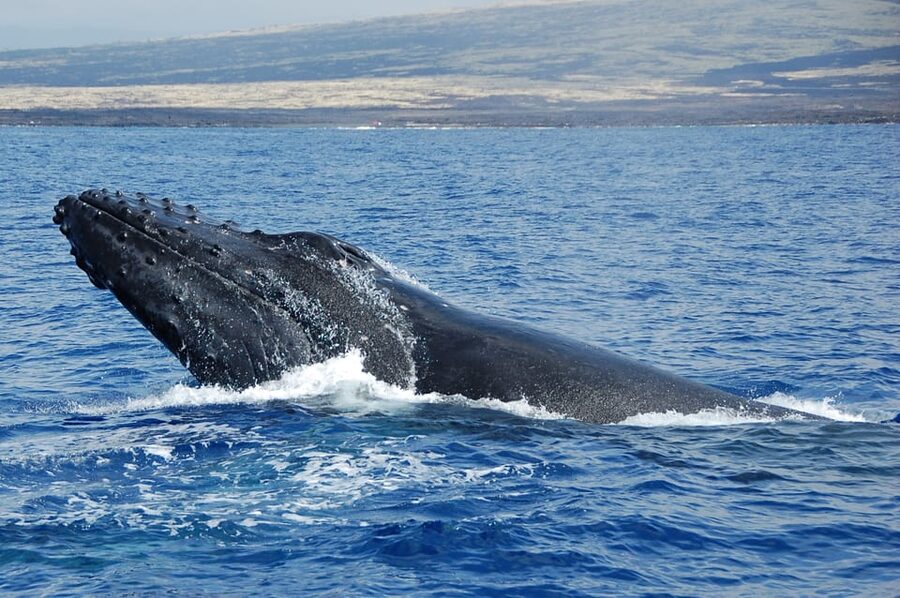
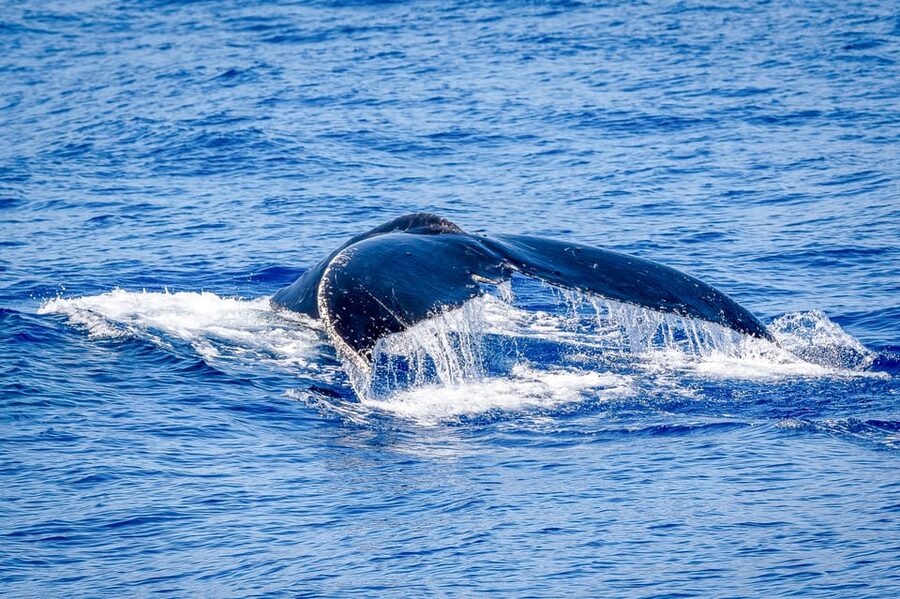
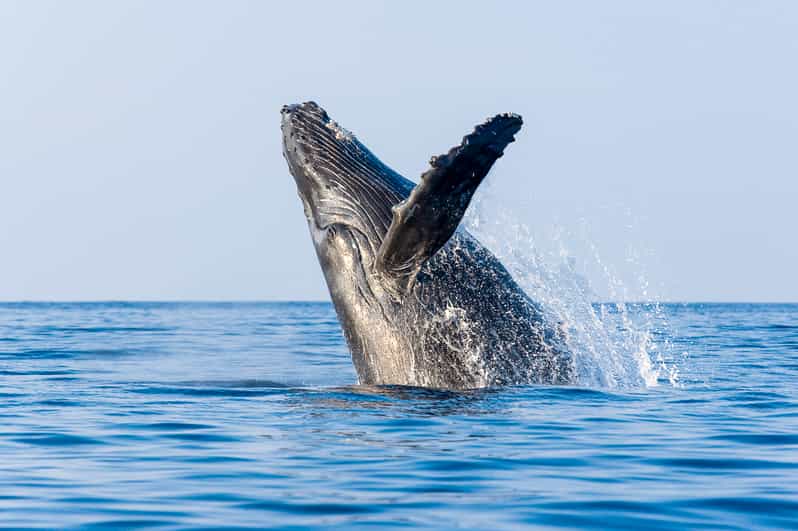
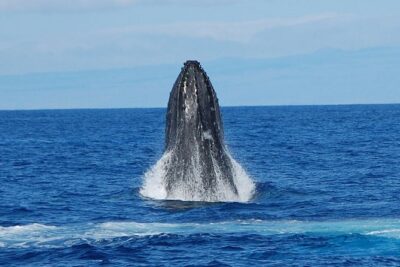
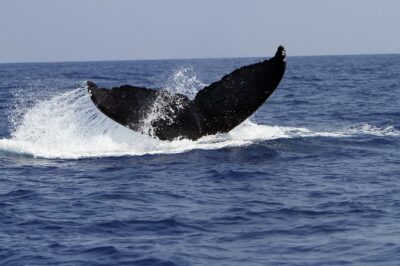
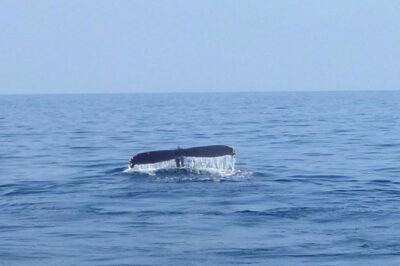
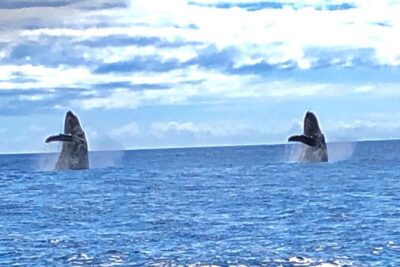
The strongest sightings can be spectacular. A whale may breach, slap the water, or raise its tail before disappearing for several minutes. One trip produced a massive breach in front of the boat, while another included at least 15 minutes of repeated slapping. Those moments are never guaranteed, but the possibility keeps everyone watching.
More Whale Watching Cruises in the USA
- Wake Up With the Whales Cruise on Seasmoke
★ 5.0 · 159 reviews - Sunset Cruise with the Whales on our Sailing Catamaran
★ 5.0 · 48 reviews - Kailua Kona: Humpback Whale Watching Adventure Cruise
★ 4.5 · 33 reviews
Checking in at Honokohau Harbor
You meet the crew at Honokohau Harbor on the north side, near the pavilion and public restrooms. After turning into the harbor, take the first right, follow the road as it bends left, and continue to the large parking lot. Drive left toward the boat ramp, then find the crew member by the pavilion.
The location is convenient if you are staying around Kailua-Kona or near the airport. It is not a hotel pickup experience, so you need to arrange your own transport and allow time to park and walk to check-in.
This is a working harbor rather than a polished resort setting. That is useful in its own way: you are starting from the water, not spending a long time on a bus before the cruise begins. Still, check the directions in advance, especially if you are arriving from farther south.
The first minutes on the 24-person catamaran
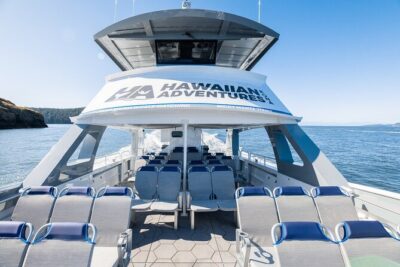
The boat used for this experience has been described as a 24-person catamaran. That size gives you a more manageable group than a large harbor cruise, while still providing enough room for people to spread out and watch from different positions.
Some departures use a covered boat, which is a real plus in Hawaii. The roof offers shade and protection from spray, while open areas give you a better chance of spotting a whale before someone else points it out. If you want the best view, move carefully between available viewing areas and keep your hat secure.
The crew handles the basic safety and comfort details while the boat leaves the harbor. Captains and crew members have included Aidan, Bryce, Jacob, Simon, Eloe, Ula, Hunter, Kiwami, and Noel. The names may vary by departure, but the pattern is clear: the staff takes an active role in directing your attention, explaining animal behavior, and checking that people are comfortable.
The tone is generally relaxed and playful. Kiwami entertained children with bubbles on one trip, and several crews used humor to keep the mood light during quiet periods. That helps when the ocean decides to make everyone wait.
Searching the Kona coast for whales
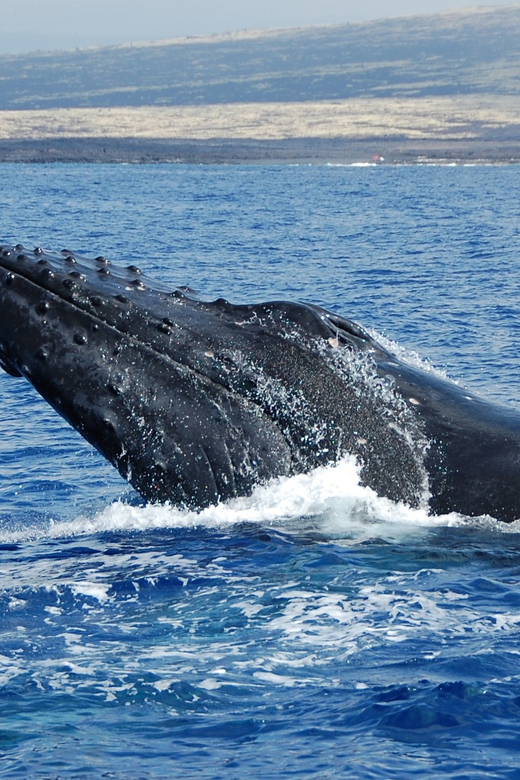
The main part of the cruise is a moving search. The captain watches the water, responds to reports or sightings, and positions the boat for a better view. You may spend time scanning for a blow, a dark back, a tail, or a sudden splash before the crew calls out the location.
This is where the crew matters most. A good captain does not simply stop at the first distant sighting and call it a day. Captains have repositioned the boat several times, continued searching after whales were spotted, and in some cases stayed out longer to give passengers a stronger experience.
The boat may approach whales closely, but there are limits. One passenger saw whales from roughly 400 to 500 yards away and still found the animals massive and exciting. Another group watched whales come right beside the boat. Both experiences are realistic. You can hope for a close encounter, but you should judge the cruise by the full search, not by a promise of nose-to-nose contact.
The route is not a fixed sightseeing circuit with scheduled stops. It changes with whale activity and sea conditions. That makes the ride feel more like a live expedition, although it also means some minutes may pass with little action.
More Whale Watching Cruises in Big Island:
- Kona Deluxe Catamaran Whale Watching Cruise
★ 4.4 · 18 reviews - Late Morning Whale Watch Cruise on Seasmoke
★ 5.0 · 7 reviews - Hilo: Humpback Whale-Watching Cruise with Snacks and Drinks
★ 4.1 · 5 reviews - Sunset Cruise with the Whales on our Power Catamaran
★ 5.0 · 2 reviews
Listening to the songs underwater
The hydrophone speaker is one of the best reasons to choose this cruise instead of simply watching from shore. When conditions are right, you can hear humpback songs transmitted from below the boat.
A whale song gives you a sense of the animal’s presence even when it is hidden beneath the surface. You may be staring at an empty patch of sea while hearing sound from a whale you cannot see. That contrast can be more affecting than another quick glimpse of a back.
The hydrophone is also useful for families. Children can listen for changes in sound while adults watch for the next blow. It creates something to do during the quieter stretches, when the boat is moving between sightings.
The public-address system has not always been perfect. One passenger found it hard to understand the guide from the main deck and felt that loud music competed with the whale watching. If hearing every explanation matters to you, stay near the guide when possible and ask for clarification. The music can add a holiday mood, but some people will prefer a quieter boat when wildlife is nearby.
What you might see besides humpbacks
Humpbacks are the focus, but the ocean does not follow the brochure. Dolphins have appeared very close to the harbor and have raced alongside the boat. Spinner dolphins have also been seen, sometimes flipping and sometimes simply surfacing without much showmanship.
Other sightings have included flying fish, manta rays, hammerhead sharks, and a whale shark. These are extra possibilities, not regular features of the route. You should not book the cruise expecting a checklist of species.
The variety does add value. A slow whale search can suddenly change when dolphins begin moving around the boat or a ray appears near the surface. You may also find that smaller details, such as flying fish skimming over the water, fill the gaps between major sightings.
Bring sunglasses and a hat, but secure both well. The boat is exposed to wind and spray, and you will be looking toward bright water for much of the trip. Sunscreen is essential, even on a cloudy day.
Snacks, drinks, and comfort on board
The included food is basic but practical: chips, granola bars, Rice Krispies treats, fruit snacks, water, juice, and ginger ale. This is not a meal, but it is enough to keep children and hungry adults from becoming distracted during a long search.
Crew members have brought snacks and drinks around to passengers, which is especially helpful when the boat is moving. If you have dietary needs, do not assume the supplied choices will suit you. The information provided only confirms the listed snack items and drinks.
A long-sleeve shirt or sweatshirt is worth packing. Kona may feel warm at the harbor, but wind on the water can make the ride feel cooler. Add motion-sickness medicine to your plan if you are prone to seasickness. The most effective timing listed for this trip is the night before and at least one hour before departure on the day of the cruise.
The activity is not recommended for pregnant people or those with heart or back problems. It is also worth being honest with yourself about boat motion. A whale breach is wonderful, but not if you spend the whole cruise feeling ill.
Is $115 a fair price?
At $115 per person, this is not the cheapest way to spend a morning or afternoon in Kona. The value comes from the 2.5-hour duration, a smaller boat setting, active crew members, the hydrophone, and the included snacks and drinks.
You are paying for time and effort as much as for the whales. The crew must search a wide area, adjust the route, and keep everyone watching the right patch of water. When the boat finds repeated breaches, tail slaps, calves, or dolphins, the price feels fair. When whales remain distant, the value depends more on your interest in the sea and the quality of the guiding.
There is also a whale guarantee, but it is not a refund. If no whales are spotted, you receive another cruise for free. That is useful only if you have enough flexibility in your schedule to return. If your Kona stay is short, the guarantee may not help much.
The booking information says you can cancel up to 24 hours in advance for a full refund, while another notice says cancellations within 48 hours are non-refundable. Because those terms do not match perfectly, confirm the exact cancellation rule before payment.
Which departure should you choose?
The available starting times vary, so check the schedule when booking. One passenger felt a sunset trip produced more active behavior than a morning outing, but that is personal experience rather than a rule. Whale activity can change from day to day.
A morning departure may fit better if you have a packed Kona schedule or want to keep the afternoon open. A later cruise can give you a different quality of light and may suit people who dislike early starts. I would choose the time that gives you the most flexibility to reschedule if weather affects the outing.
If seeing whales is the main purpose of your Big Island visit, book early enough in your stay to allow a second attempt. The free replacement cruise has real value only when your itinerary leaves room for it.
Who will enjoy this cruise most?
This outing suits families, couples, and anyone who prefers a guided search over simply hoping to spot a whale from shore. Children have snacks, drinks, dolphins, music, and the chance to hear whale songs, while adults get explanations of whale behavior and a proper amount of time on the water.
It is also a good choice if you want a smaller group than a large sightseeing vessel. The 24-person catamaran format can feel more connected to the crew, and several captains have made a point of checking on passengers and explaining where to look.
You should think twice if you dislike uncertain wildlife outings. The crew can search hard, but it cannot command a whale to breach. People with back or heart problems, and pregnant people, should not book this experience based on the stated restrictions.
Should you book the Kailua-Kona whale cruise?
I would book it if you want more than a quick whale sighting. The hydrophone, active captains, chance of dolphins and other sea life, and 150-minute duration make this a strong Kona activity, particularly during humpback season.
Go in with sensible expectations. You might see a spectacular breach close to the boat, or you might watch distant blows and flukes while the crew keeps searching. Bring motion-sickness medicine, sun protection, a warm layer, and enough time in your schedule for a possible repeat cruise.
The $115 price is easiest to justify when you value the full experience: the search, the sea, the songs, and the chance to witness wild animals on their own terms. If you need guaranteed close-up action, no boat can honestly provide that.
FAQ
Where does the whale watching cruise depart?
The meeting point is Honokohau Harbor on the north side. Check in near the pavilion and public restrooms.
How far is Honokohau Harbor from Kailua-Kona?
The harbor is about 3.5 miles north of Kailua-Kona and 4.5 miles south of Kona Airport.
How long is the cruise?
The cruise lasts 150 minutes, or 2.5 hours.
What is included in the price?
The cruise includes snacks, water, juice, ginger ale, and access to a hydrophone speaker for listening to whale songs.
Is hotel pickup included?
No. Hotel pickup and drop-off are not included, so you must arrange your own transportation to Honokohau Harbor.
What happens if no whales are seen?
You receive another cruise for free if whales are not spotted. This is not a cash refund.
What should I bring?
Bring sunscreen, a hat, sunglasses, a long-sleeve jacket or sweatshirt, and motion-sickness medicine. The medicine is listed as most effective when taken the night before and at least one hour before the cruise.
Is the cruise suitable for everyone?
The activity is not suitable for pregnant people or those with heart or back problems. The tour is conducted in English.
Just added around Big Island
- Sunset Cruise with the Whales on our Sailing Catamaran★ 5.0 · 48 reviews
- Whale Watching on Big island★ 4.5 · 19 reviews
- Small Group Whale Watching in Kona Hawaii★ 5.0 · 5 reviews
- Sunset Cruise with the Whales on our Power Catamaran★ 5.0 · 2 reviews
- Wake Up With the Whales Cruise on Seasmoke★ 5.0 · 159 reviews
- Sunset Whale Watching Shared Activity★ 4.5 · 5 reviews
- Waikoloa Deluxe Whale Watch★ 4.5 · 124 reviews
- Whale Watching Tour – Big Island, Hawaii★ 5.0 · 148 reviews
Big Island Whale Watching Tours, compared.
Browse the lists this tour appears in