
REVIEW · WHALE WATCHING
Horizon Large: whale watching off the coast of Saint-Cyr
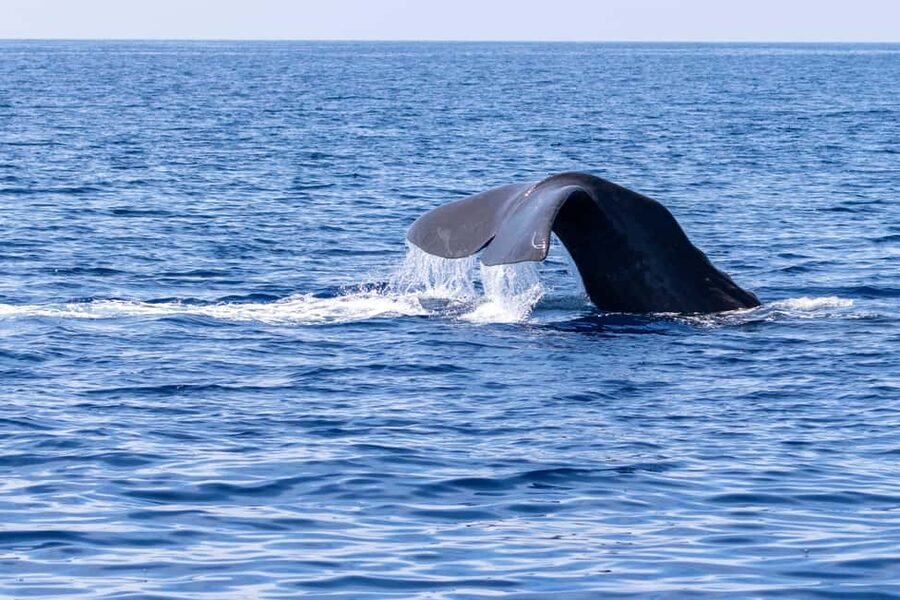
Whales meet the Mediterranean. Horizon Large takes you offshore from Saint-Cyr-sur-Mer for a 210-minute search for dolphins, whales, sperm whales, turtles, mobula rays, and seabirds. I like the focus on wildlife and marine protection, and I like that masks and snorkels are provided on board. The main caution is simple: this is open-water boating, and one passenger returned very wet, with soaked bags.
You leave from the old port between 9:00 a.m. and 12:30 p.m., with boarding 15 minutes before departure. The live guide speaks French, so you will get the most from the trip if you understand French or are comfortable taking in the experience through sights and gestures. At $123 per person, the price is fair only if you value three and a half hours at sea and accept that wildlife sightings cannot be guaranteed.
Key points to know before sailing
- Three and a half hours offshore: The 210-minute outing gives the boat time to search beyond the coast rather than making a quick harbor trip.
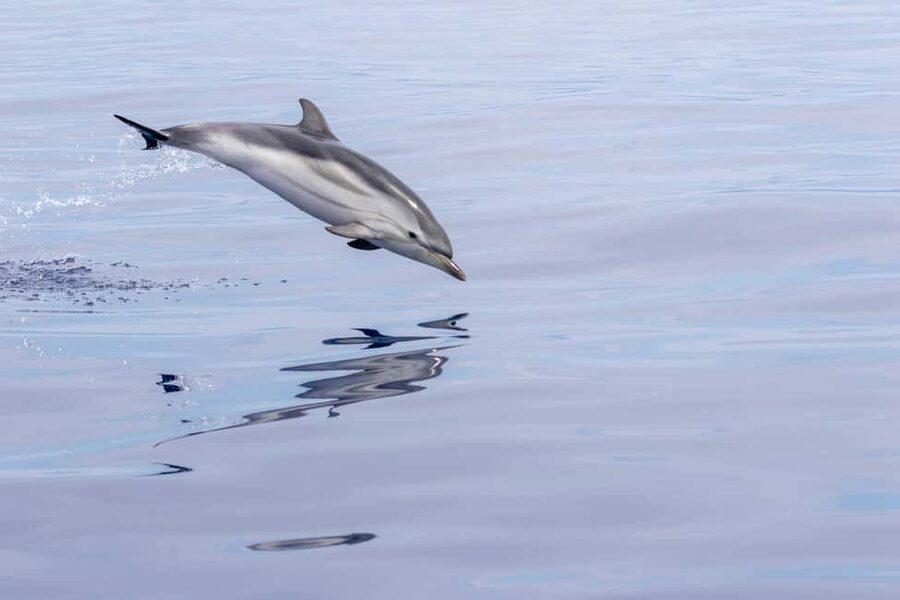
- Several kinds of marine life: Possible sightings include dolphins, whales, sperm whales, turtles, mobula rays, and seabirds.
- Morning departure from Saint-Cyr: The boat leaves the old port between 9:00 a.m. and 12:30 p.m., with boarding 15 minutes early.
- French-speaking guide: The live commentary is in French, and some material may remain in its original language.
- Bring water protection: A verified passenger reported returning very wet, including wet bags, so protect phones, cameras, and spare clothing.
- Age limits matter: The trip is not suitable for children under four or people over 70.
Leaving the old port of Saint-Cyr-sur-Mer
Your day begins at the old port of Saint-Cyr-sur-Mer, on the coast of southern France. This is a useful starting point because you are already at the water, with no separate transfer described as part of the experience. Plan to arrive early enough to board 15 minutes before departure rather than cutting it close at the dock.
The stated departure window runs from 9:00 a.m. to 12:30 p.m. The exact start time depends on availability, so check your chosen date carefully. A morning at sea also gives the outing a clear shape: you leave after breakfast, spend the main part of the trip offshore, and return around midday or early afternoon depending on the scheduled departure.
The experience is called Horizon Large, which points to its main purpose: moving away from the immediate coast in search of open-water wildlife. You are not signing up for a short coastal cruise with a guaranteed landmark. You are setting aside 210 minutes for a search across the sea.
That difference matters. Wildlife trips depend on nature, not a fixed timetable. You may see dolphins, whales, or sperm whales, but the information does not promise a sighting. Turtles, mobula rays, and seabirds are also possible, giving you more than one reason to keep watching the water.
A few more whale watching trips around the world worth a look
- Tenerife: Eco-Yacht Whale and Dolphin Watching and Swimming
★ 4.7 · 15,619 reviews - Los Cristianos Respectful No-Chase Whale and Dolphin Safari
★ 4.6 · 12,782 reviews - Reykjavík: Whale Watching and Marine Life Cruise
★ 4.6 · 9,838 reviews
What the 210-minute wildlife search feels like
The main appeal is time. Three and a half hours gives the crew a reasonable period to look for marine life offshore, and it gives you time to settle into the rhythm of the sea. A shorter outing can feel rushed. Here, the central activity is watching, waiting, and reacting when something appears.
I like the range of possible sightings. Dolphins may provide fast, lively action near the boat, while whales and sperm whales would offer a much larger and less predictable encounter. Turtles, mobula rays, and seabirds add variety, especially if the larger cetaceans stay out of view.
You should think of this as a nature outing rather than a performance. There is no indication that animals are fed, trained, or brought to a specific viewing point. The value comes from being offshore in an area described as home to a varied cetacean population and other marine life.
That also means patience is part of the deal. You may spend stretches simply scanning the water. For some people, that is the best part: the boat, the sea, and the suspense of not knowing what will appear next. If you need constant action, the open-water waiting may feel long.
The tour also connects wildlife watching with marine conservation. The description says your experience contributes to preservation of the marine ecosystem. That gives the trip a useful purpose beyond taking photographs. Still, the available information does not explain the exact conservation program, donation amount, or research work involved, so I would not assume more than that stated connection.
Dolphins, whales, and the chance factor
The possible animal list is unusually broad for a single outing. Dolphins and whales are the headline attractions, but sperm whales are also specifically named. That matters because sperm whales are a different kind of sighting from the smaller, more active dolphins, and the chance to see one is part of what makes an offshore trip appealing.
You may also spot turtles, mobula rays, or seabirds. These animals help keep the experience worthwhile when the biggest cetaceans remain hidden. A bird cutting across the water or a ray moving below the surface can still turn an ordinary stretch of sea into a memorable moment.
Do not book this expecting a guaranteed whale encounter. Nothing in the details promises one, and nature does not follow a schedule. I would choose this outing if the possibility of several kinds of marine life sounds exciting, not if you need certainty.
The 3.9 rating from two reviews gives you only a limited snapshot. One verified booking from France, dated September 5, 2025, gave the experience three out of five and described a very wet return, including soaked bags. That is the clearest practical warning available, and it deserves more attention than the broad promise of an unforgettable outing.
Prepare for spray, wet clothing, and wet bags
The wetness issue is not a small footnote. If sea spray reaches the boat, your clothing and belongings may take the hit. The passenger specifically noted that both people and bags came back very wet, and also wished the bags could have been placed in compartments.
You should protect your phone, wallet, camera, and any medicine before boarding. Use a waterproof pouch or a well-sealed bag if you have one. A spare layer is sensible too. The supplied information does not say that the boat offers dry storage, so do not count on a protected compartment for your day bag.
This is also where the trip becomes less suitable for anyone who dislikes rough or exposed boat conditions. The age restrictions exclude children under four and people over 70, but the details do not give a separate accessibility assessment or explain the boat’s seating and facilities. If you have mobility concerns, contact the provider before reserving.
Masks and snorkels are provided on board. That is a useful inclusion, but the information does not say that swimming or snorkeling is part of the scheduled program. Treat the equipment as available gear, not as a promise of a swimming stop.
Same water, a different way to meet them:
- From Funchal: Ecological Catamaran Dolphin Whale Watching
★ 4.5 · 8,204 reviews - Juneau Wildlife Whale Watching
★ 5.0 · 7,379 reviews - Juneau Wildlife Whale Watching & Mendenhall Glacier
★ 5.0 · 6,236 reviews - Funchal: Dolphin and Whale Watching Catamaran Cruise
★ 4.5 · 5,697 reviews
French commentary and the pace of the outing
The live tour guide speaks French. If you understand French, you can follow the guide’s explanations as the boat searches for marine life. If you do not, you can still watch the water and follow the action, but you should not expect full English commentary.
Some content is presented in its original language. That is worth noting for anyone choosing activities based on detailed interpretation. The trip’s main appeal is visual and environmental, yet language can still shape how much you learn about the animals and the marine ecosystem.
The guide’s role appears to be tied to the wildlife encounter rather than a long historical talk about Saint-Cyr. You are there for the sea. The experience will suit you best if you are happy with a guide-led search, changing conditions, and the possibility that the most memorable moment may be brief.
Is $123 a fair price?
At $123 per person, this is not a cheap harbor ride. The outing lasts 210 minutes, which is a substantial amount of time on the water, and masks and snorkels are included. If you are keen on marine wildlife and would otherwise pay for a shorter boat trip, the length helps support the price.
The value is harder to judge if you mainly want a guaranteed whale sighting. No such guarantee is provided. You are paying for access to an offshore search, the crew’s effort, the boat time, and the chance to encounter several species.
I would compare the price with your priorities. For a dedicated wildlife enthusiast, three and a half hours can make sense. For a family seeking an easy, dry coastal activity, the age limits, French-only guidance, and wet-bag warning make the value less convincing.
The flexible booking terms reduce some financial risk. You can cancel up to 24 hours before departure for a full refund, and you can reserve now while paying later. Those terms are helpful when your coastal plans depend on weather or changing schedules, though they do not remove the basic uncertainty of wildlife watching.
Who will enjoy Horizon Large most?
I would recommend this trip to adults and older children who are comfortable at sea, interested in marine animals, and willing to watch patiently. It is especially appealing if dolphins, whales, sperm whales, turtles, mobula rays, and seabirds all sound worthwhile to you.
French speakers will get the clearest benefit from the live guide. Non-French speakers can still enjoy the visual side, but the educational part may be limited.
This is not the best pick for children under four or people over 70, since the experience is specifically marked as unsuitable for both groups. It may also be a poor fit if you need dry storage, dislike spray, or want a tightly guaranteed schedule.
Bring only what you need. Protect your valuables. Wear clothing that can handle a wet return. Those simple choices could make the difference between laughing at the spray and spending the afternoon worrying about a soaked phone.
Should you book this Saint-Cyr whale-watching trip?
Book it if you want a serious amount of time offshore and would be happy to see any of the listed marine life, not only a whale. The conservation angle, possible variety of species, and 210-minute duration give the outing real appeal.
Skip it if you need a dry boat, English commentary, or a guaranteed animal sighting. The $123 price asks you to accept nature’s uncertainty, and the wet-bag warning is specific enough to take seriously. For the right person, Horizon Large can be a thrilling morning on the Mediterranean. For everyone else, a shorter coastal cruise may offer easier value.
FAQ
Where does the whale-watching trip depart?
It departs from the old port of Saint-Cyr-sur-Mer in southern France.
How long does the experience last?
The experience lasts 210 minutes, or three and a half hours.
What time does the boat leave?
Departures are scheduled between 9:00 a.m. and 12:30 p.m. Check availability for the exact starting time on your date.
How early should I arrive?
Boarding takes place 15 minutes before departure, so plan to be at the old port before then.
What animals might I see?
Possible sightings include dolphins, whales, sperm whales, turtles, mobula rays, and seabirds.
Is the guide available in English?
The live tour guide speaks French. Some content is shown in its original language.
Are masks and snorkels included?
Yes. Masks and snorkels are provided on board.
Can I cancel for a refund?
Yes. You can cancel up to 24 hours in advance for a full refund. You can also reserve now and pay later.
Just added around the world
- Newport Beach: Year-Round Whale Watching Cruise★ 4.2 · 151 reviews
- Juneau: Mendenhall Glacier and Whale Watching Tour★ 4.6 · 98 reviews
- Wilsons Promontory: Whale Spotting Cruise with Lunch★ 4.9 · 20 reviews
- Wismar: Electric Boat Tour past Whale Island with Poel Stop★ 4.3 · 91 reviews
- From Punta Canta: Whale Watching Cruise with Cayo Levantado★ 3.9 · 7 reviews
- Oahu: Waikiki Eco-Friendly Morning Whale Watching Cruise★ 4.4 · 119 reviews
- Madeira : Whales and Dolphins wooden boat excursion★ 4.1 · 247 reviews
- Whale Watching Tour with Transfers★ 3.6 · 4 reviews