
REVIEW · WHALE AND DOLPHIN WATCHING TOURS IN SPAIN
Algeciras: Dolphin and whale watching in reduced groups
Dolphins make good company at sea. This two-hour trip from Algeciras keeps the boat small, with no more than six passengers, and pairs wildlife watching with a biologist guide who explains what you see. I like the personal service and the chance to explore waters between two seas and two continents. My main caution is simple: this is a wildlife trip, so even a 99% success rate cannot promise a perfect show.
I also like the free second outing if the first sighting is judged poor. The crew can adjust the trip to the weather and the needs of the group, which matters on open water. The one practical drawback is that the boat is not suitable for wheelchair users, and there is no food or drink included.
Key points at a glance
- Only six passengers: The small boat gives you a much better chance to ask questions and find a clear viewing spot.
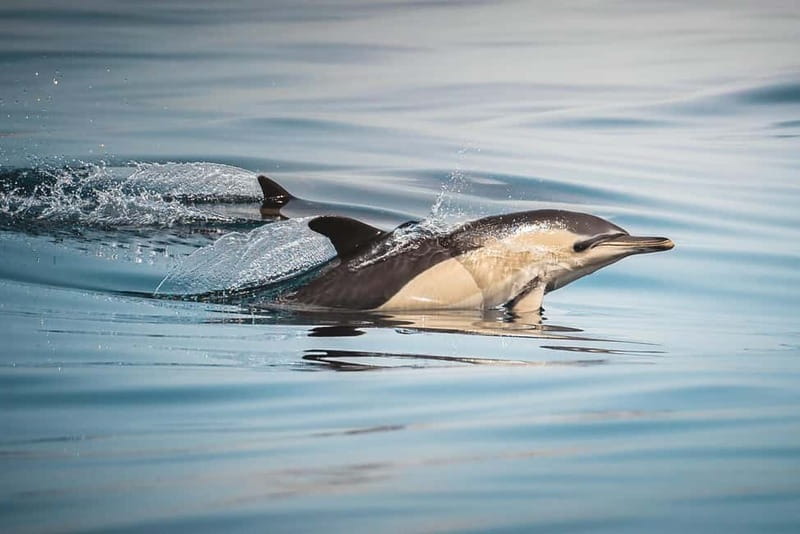
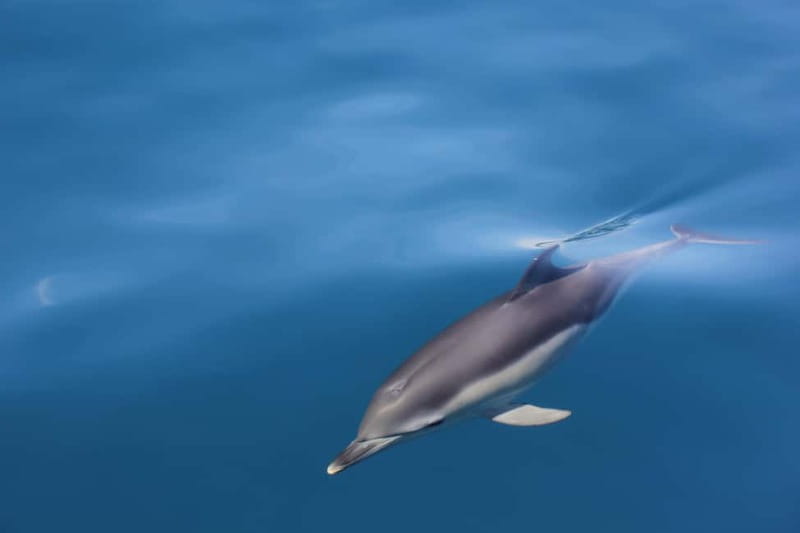
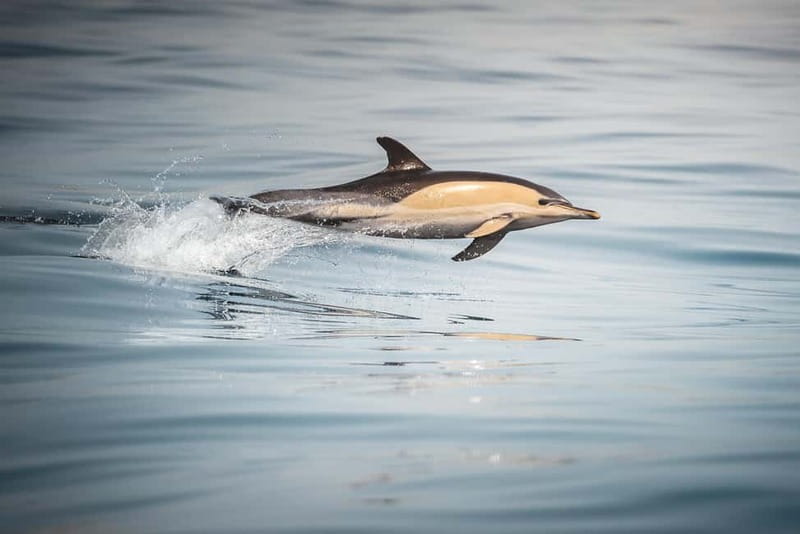
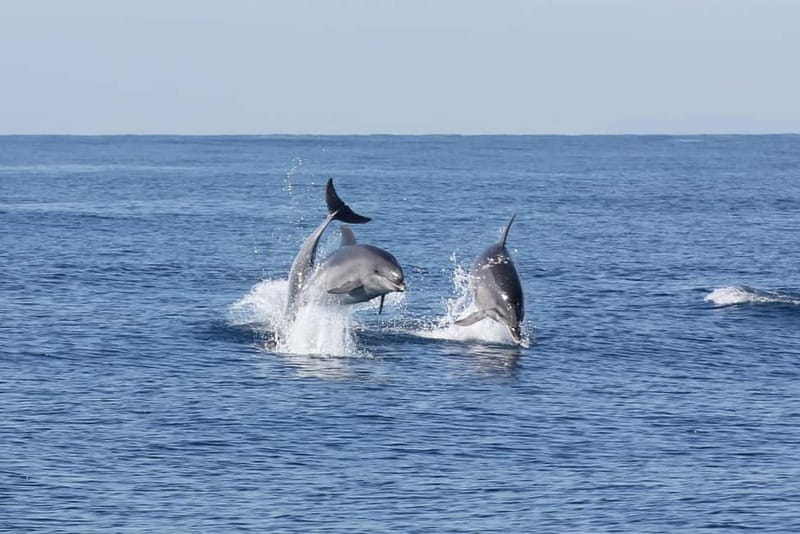
- Three dolphin species: Look for common, striped, and bottlenose dolphins in the Bay of Algeciras and nearby waters.
- Biologist on board: The guide explains animal behavior, local marine life, and the difference between the species.
- Possible fin whale sighting: In the right season, you may see the second-largest whale in the world during its migration.
- Very strong sighting policy: The operator reports a 99% chance of seeing at least one dolphin species and offers a free return if the outing is judged unsuccessful.
- Bilingual crew: The tour is offered in Spanish and English, with a biologist guide and a Merchant Navy captain who knows the local sea.
A small boat in a very unusual corner of Spain
The boat leaves from Algeciras Marina, where you can park free of charge and walk directly to the departure point. That makes this an easy outing to fit into a day around the Bay of Algeciras, especially if you are staying nearby or using Algeciras as a base for the Strait of Gibraltar.
The setting is the real opening act. You are sailing in a strategic stretch of water between two seas and two continents. The bay and the waters beyond it bring together heavy maritime traffic, changing currents, and moving marine life. You do not need a long cruise to feel that this is an important sea route.
The boat carries a maximum of six passengers. That is a major advantage compared with a large sightseeing vessel. I like small groups for wildlife trips because you spend less time looking over other people’s shoulders, and the guide can answer individual questions instead of giving a speech to a crowd.
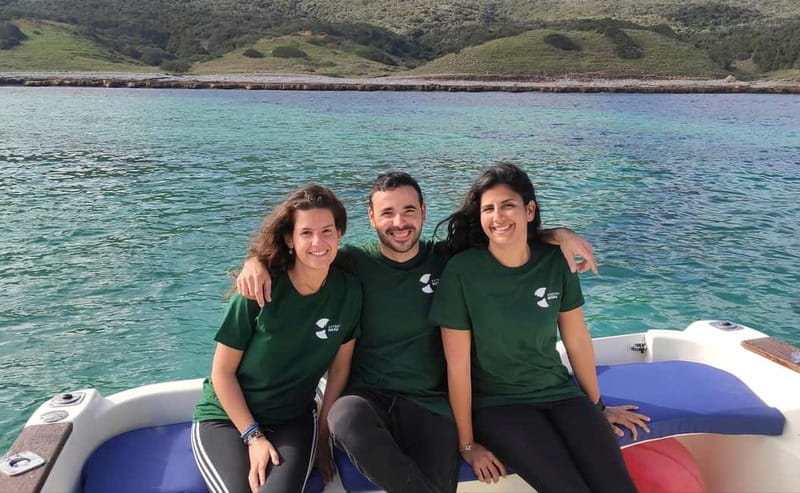
The compact group also creates a more relaxed mood. The available feedback describes the service as warm and family-like, with Álvaro and Irene praised for their friendly manner and willingness to respond to individual needs. The exact crew member you meet may vary, but the experience is designed around personal attention rather than a large commercial operation.
More Whale and Dolphin Watching Tours in Spain
- Tenerife: Eco-Yacht Whale and Dolphin Watching and Swimming
★ 4.7 · 15,619 reviews - Los Cristianos Respectful No-Chase Whale and Dolphin Safari
★ 4.6 · 12,782 reviews - Costa Adeje: Whale & Dolphin Eco-Cruise with Snacks & Drinks
★ 4.6 · 5,096 reviews
The first hour: searching the bay for dolphins
The outing lasts two hours, so the crew has time to move through the bay and its surroundings rather than stopping at one fixed viewing point. The precise route can change with the weather, sea conditions, and animal movements. That flexibility is useful, because dolphins do not follow a timetable.
Your main targets are three species:
- Common dolphins
- Striped dolphins
- Bottlenose dolphins
You might see them traveling beside the boat, surfacing in groups, or leaping clear of the water. The supplied information also highlights jumps and acrobatics, but it is important to keep expectations sensible. Wild dolphins decide the pace. Some sightings may be brief, while others can bring animals close to the boat.
A biologist stays on board to explain what is happening. That adds much more value than simply pointing toward a fin. You can ask about the animals’ behavior, how to tell the species apart, and what makes this part of the Strait useful to marine life.
The guide also helps turn a sighting into something you can understand. A bottlenose dolphin and a striped dolphin may look similar at a quick glance, especially when the boat is moving. Having someone explain the differences gives the trip an educational edge, which is particularly useful for children and anyone who wants more than a few photographs.
The crew speaks Spanish and English. That matters here because the guide is not just there to identify animals. The biologist is also expected to answer questions and share enthusiasm for marine life. The captain brings a different kind of local expertise, with Merchant Navy training and knowledge of the sea and its fauna.
Why six passengers changes the experience
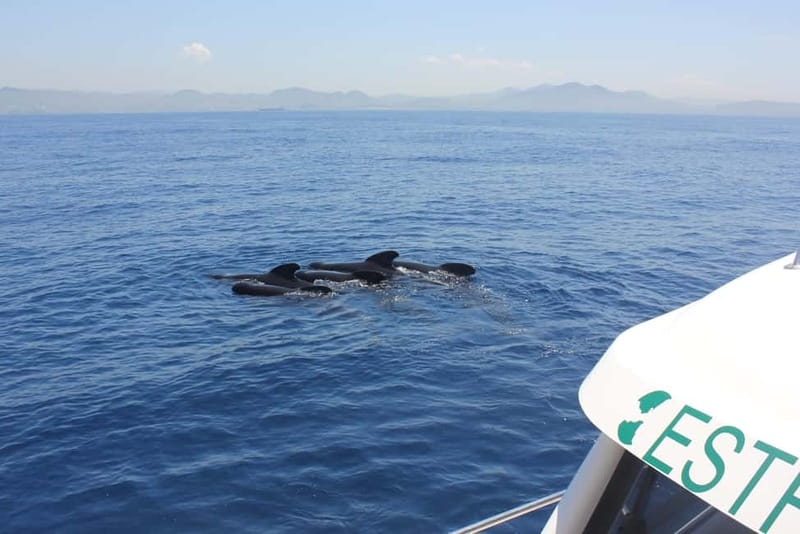
A six-person limit is not just a marketing detail. It changes how the two hours feel.
On a larger boat, you may need to compete for a place at the rail each time a dolphin appears. Here, the group is small enough for the crew to keep everyone involved. If the dolphins appear on one side, the boat can respond without managing a large crowd.
Small groups also help with questions. You can ask the biologist to repeat a detail, explain a behavior to a child, or compare two species without feeling you are holding up dozens of people. That personal service is one of the strongest reasons to consider paying $81 per person.
The price is not the cheapest way to get onto the water. But you are paying for a two-hour trip with a maximum of six people, a biologist guide, a local captain, and a stated 99% success rate for seeing at least one dolphin species. If close viewing and conversation matter to you, the small group gives the fee a reasonable basis.
The boat size also means you should prepare for a more direct encounter with the sea. Some people will love that. Others may prefer the shelter and stability of a larger vessel. One person described the crew stopping the boat when larger waves arrived, which helped reduce seasickness and made the outing safer for children. That is encouraging, though sea conditions can still vary from one departure to the next.
A possible fin whale during migration
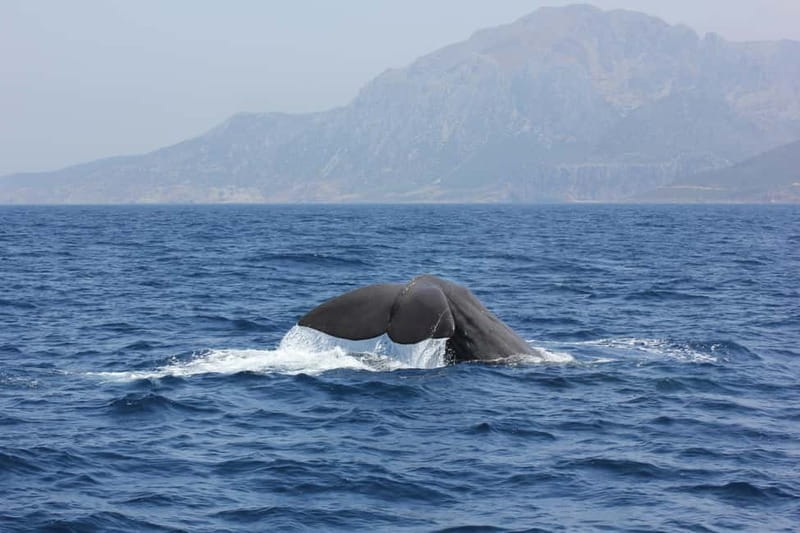
Dolphins are the main attraction, but the trip may also bring a fin whale into view. The fin whale is the second-largest whale in the world, and the information provided notes that sightings depend on the season and its migratory passage.
This should be treated as a bonus, not a promise. The operator gives the strongest guarantee for seeing at least one dolphin species, not for seeing a whale. If a fin whale appears, it can turn a good dolphin outing into a remarkable morning, but you should book this trip for the dolphins and regard the whale as an extra possibility.
The seasonal element is worth keeping in mind when planning. The available details do not specify exact whale months, so you should ask the operator about current conditions if the fin whale is your main goal. For a general marine wildlife trip, the dolphins provide the more reliable focus.
Same water, a different way to meet them:
- Los Gigantes: Dolphin & Whale Watching Cruise with Swim Stop
★ 4.7 · 4,539 reviews - Morro Jable: Dolphin & Whale Watching Cruise, Drinks & Swim
★ 4.1 · 4,158 reviews - From Morro Jable: Dolphin and Whale Watching and Snorkelling
★ 4.6 · 3,687 reviews - Costa Adeje: Whale Watching Catamaran Tour with Drinks
★ 4.7 · 3,653 reviews
Weather, waves, and the free return option
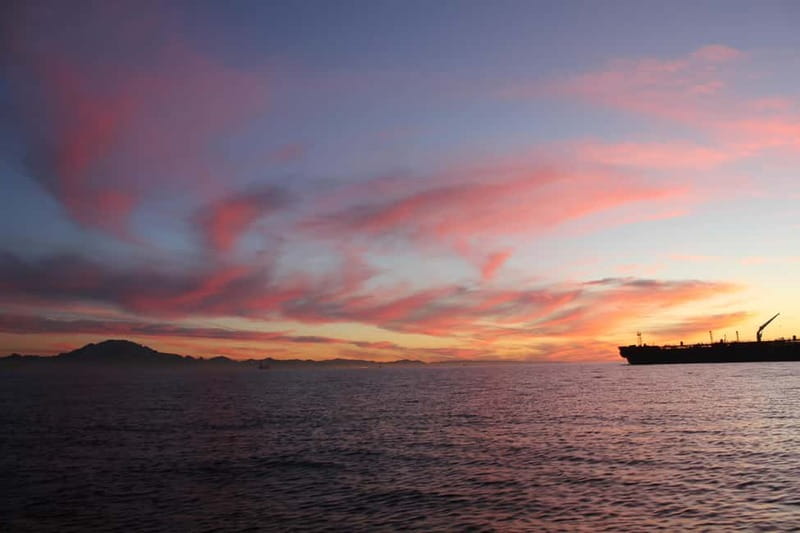
The crew adapts the outing to the weather when possible. That might mean adjusting the route, changing the speed, or slowing down when waves become uncomfortable. The aim is not simply to reach a viewing area quickly. It is to keep the trip safe and useful for the group.
You should bring a jacket even on a warm Andalusian day. Wind on the water can make the boat feel cooler than the marina, and conditions can change during two hours at sea. Comfortable shoes are also recommended, along with biodegradable sunscreen.
The operator reports a 99% success rate for seeing at least one dolphin species. That is unusually reassuring for a wildlife excursion, but it is still not a guarantee of close approaches, leaps, or a large pod. Nature supplies the animals, not the schedule.
If the crew decides the sighting was not good, you can return another day free of charge. This policy gives the experience more value, especially if your schedule allows some flexibility. It also shows that the operator recognizes the difference between technically seeing one distant dolphin and having a satisfying wildlife outing.
The policy does not mean you should expect a refund after every quiet moment. It applies when the company considers the sighting insufficient. Ask for the current details when booking if this point is important to your plans.
A family-friendly outing with clear limits
The trip suits families well. The short two-hour duration is manageable for children, and the guide can explain the animals in a way that makes the outing more than a ride on a boat. The small group also avoids the noise and crowding that can make wildlife trips tiring for younger children.
One especially useful detail is the crew’s attention to larger waves. The captain may stop or adjust the boat when conditions become rough, helping limit seasickness. That does not remove the possibility of motion sickness, so anyone who is sensitive to boats should plan carefully.
The experience is also a good fit for couples, solo visitors, and anyone who prefers a quiet, personal outing. You will have more room for questions and a better chance to hear the guide clearly.
There are limits. The boat is not suitable for wheelchair users. Food and drinks are not included, so you should plan before departure rather than expect refreshments on board. The instructions also say not to touch the animals. That is both a practical rule and the right way to keep the encounter respectful and wild.
What the two hours feel like
The trip begins and ends at Algeciras Marina. After boarding, the captain takes the boat out into the bay and toward the surrounding waters where dolphins may be active.
The middle of the trip is not a fixed sequence of stops. It is a search, guided by sea conditions and animal movement. That means some minutes may be spent watching the water carefully before a fin, splash, or group of dolphins changes the mood.
When animals appear, the boat may slow or stop so you can watch them. The small group helps here. You are not simply passing through a viewing area while dozens of people try to take the same photograph. You can listen, look, and ask the biologist what the animals are doing.
The return route brings you back to the same marina. Since the excursion lasts two hours, you still have much of the day available for Algeciras, Gibraltar, or other plans in the area. Just remember that the exact departure times depend on availability, so check before arranging a tight connection or timed visit afterward.
Is $81 per person good value?
At $81 per person, this is a premium choice for a two-hour boat outing. The value comes from the limited group size and the specialist crew, not from the length of the trip.
I would see it as good value if you care about three things: avoiding a crowded boat, learning about marine life, and having a stronger chance of a meaningful sighting. The free return option also protects your booking if the first outing does not provide a worthwhile view.
It is less appealing if you only want the least expensive way to get onto the water. A larger boat may cost less, though that comparison is not provided here. This trip is aimed at people who want a close, personal format and are willing to pay for it.
The four available ratings are all five out of five, with praise focused on the friendly crew, the small boat, the large number of dolphins seen, and the guide’s explanations. One outing had only five people on board, leaving plenty of room to watch dolphins swimming close by. Another account describes the guide as especially helpful and the captain as careful with children in larger waves.
Who should book this Algeciras trip?
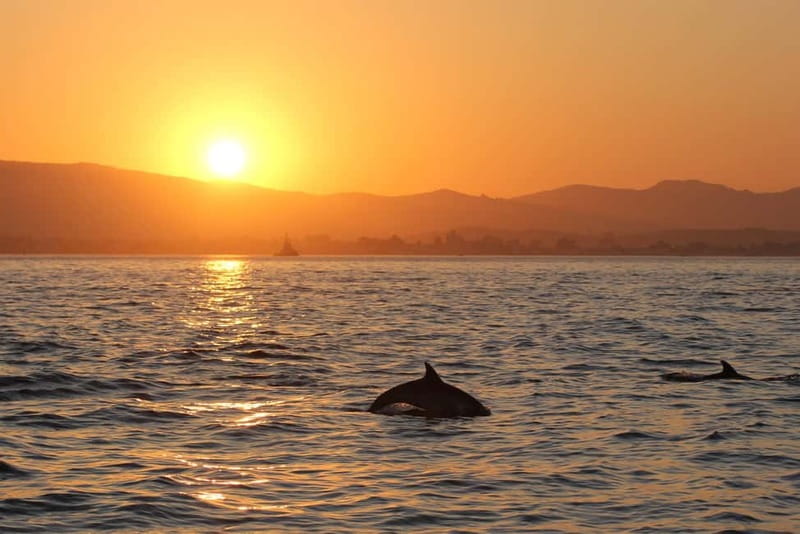
I would recommend it to families with children, couples, and small groups who want a personal experience rather than a standard group cruise. It also suits anyone curious about the marine life of the Strait, since the biologist adds useful context to every sighting.
It is a strong choice if you can keep your plans flexible enough to return another day in the unlikely event of a poor sighting. It is also sensible for visitors who value bilingual service, since both Spanish and English are available.
I would think twice if you need wheelchair access, dislike small boats, or require food and drinks during an outing. You should also avoid booking it with the expectation that a whale is guaranteed. The dependable aim is dolphin watching, with three possible species and a chance of seeing fin whales at the right time of year.
Should you book it?
Book this trip if you want a small, friendly boat, direct contact with a biologist, and a better chance to watch dolphins without a crowd around you. The 99% sighting rate and free return option add confidence, while the reports of dolphins swimming close to the boat make the format especially appealing.
Skip it if the price feels high for two hours or if you need accessible boarding. For most people who value personal service and real wildlife watching, this is one of the more thoughtful ways to explore the waters around Algeciras.
FAQ
Where does the dolphin and whale watching trip depart?
The boat departs from and returns to Algeciras Marina. Free parking is available at the meeting point, with the boat directly in front.
How long does the excursion last?
The excursion lasts two hours.
How many people can join the boat?
The group is limited to six participants.
Which dolphin species might I see?
You may see common dolphins, striped dolphins, and bottlenose dolphins.
Could I see a whale?
You may see a fin whale during its migratory passage, depending on the season. A whale sighting is not guaranteed.
Is a dolphin sighting guaranteed?
The operator reports a 99% success rate for seeing at least one dolphin species. Since the animals are wild, sightings remain unpredictable.
What happens if the sighting is not good?
If the operator considers the sighting unsuccessful, you can return for free on another day.
Is the tour offered in English?
Yes. The live tour guide service is available in Spanish and English.
What should I bring?
Bring comfortable shoes, biodegradable sunscreen, and a jacket.
Is the boat suitable for wheelchair users?
No. The activity is not suitable for wheelchair users.
Just added around Spain
- Tenerife Whale Watching and Snorkeling Yacht Trip★ 4.5 · 162 reviews
- Whale watching and snorkelling in the whale sanctuary★ 5.0 · 14 reviews
- Whale & Dolphin Watching With Mustcat Virgin Coast Trip On a Large Catamaran★ 4.0 · 3 reviews
- Whales and Dolphins excursion on a Luxury Yacht in Canary Islands★ 5.0 · 93 reviews
- Whale and Dolphin Watching EcoAdventure in Tenerife★ 5.0 · 78 reviews
- Whale & Dolphin Watching in Tenerife (Puerto Colon) On a Large Catamaran★ 4.0 · 12 reviews
- Whale & Dolphin Watching Boat Trip in Tenerife On a Sailing Boat (3 Hr)★ 3.5 · 10 reviews
- Whale Watching Catamaran to Los Gigantes & Masca (Including drinks & warm lunch)★ 4.0 · 55 reviews
Whale and Dolphin Watching Tours in Spain, compared.
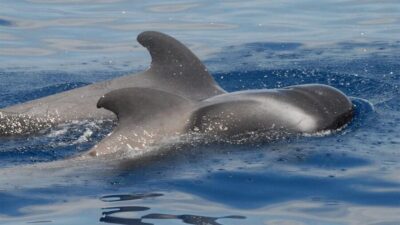
Tenerife: Eco-Yacht Whale and Dolphin Watching and Swimming
Read our review →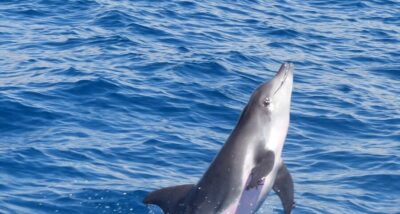
Los Cristianos Respectful No-Chase Whale and Dolphin Safari
Read our review →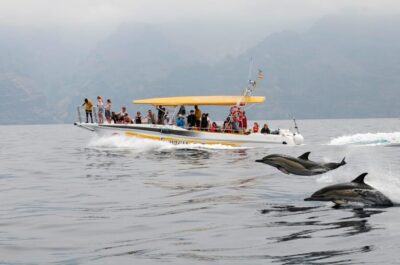
Costa Adeje: Whale & Dolphin Eco-Cruise with Snacks & Drinks
Read our review →Los Gigantes: Dolphin & Whale Watching Cruise with Swim Stop
Read our review →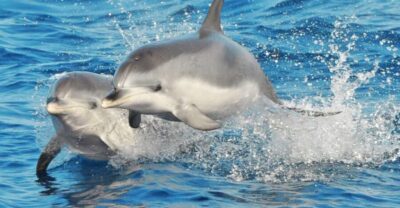
Morro Jable: Dolphin & Whale Watching Cruise, Drinks & Swim
Read our review →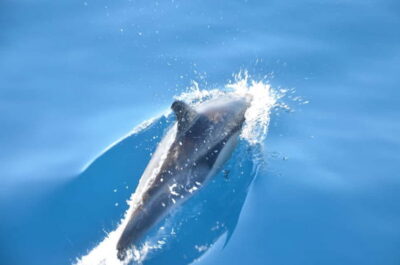
From Morro Jable: Dolphin and Whale Watching and Snorkelling
Read our review →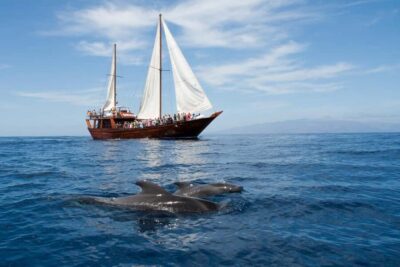
Tenerife: Whale & Dolphin Watching Cruise with Swim Stop
Read our review →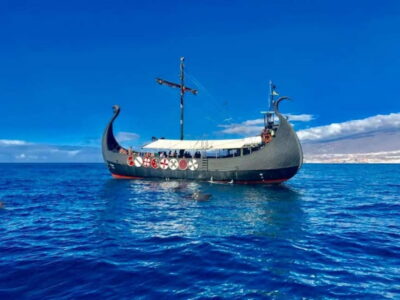
Los Cristianos: Viking Cruise Whales & Dolphins Watching
Read our review →Browse the lists this tour appears in