
REVIEW · NORWAY WHALE WATCHING TOURS
From Skjervøy: Whale Watching in a Heated Cabin Cruiser
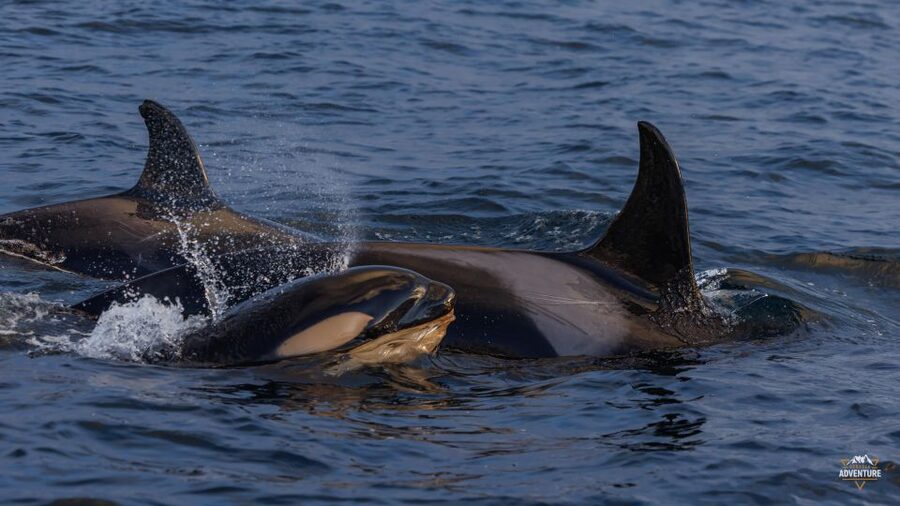
Whales make the cold worthwhile. This four-hour trip from Skjervøy combines indoor warmth with outdoor viewing, giving you a practical way to search the fjords for orcas, humpback whales, and fin whales. I especially like the heated cabin and the chance to listen through a hydrophone when conditions allow.
The small boat, flotation suit, dry storage, hot drink, and waffles all add comfort without turning the trip into a fancy cruise. My main caution is simple: whales are wild, and you may see only distant backs or blows. One booking in February rated the tour three stars because the whales stayed far away, so this is a wildlife search, not a guaranteed close encounter.
Key points to know before booking
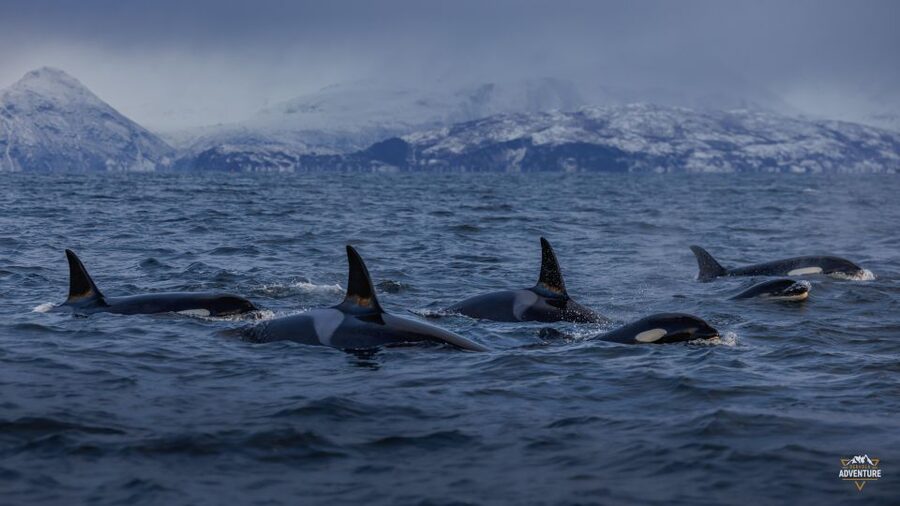
- Orca season runs from October to February, when whales come into the Skjervøy area to feed on herring.
- A heated cabin gives you a real escape from the cold, while indoor and outdoor seating let you choose your viewing position.
- The boat carries a hydrophone, so you may hear the whales as well as watch them.
- Small groups make a difference, with more room for photographs and less crowding around the viewing areas.
- Waffles and a hot drink are included, either during the trip or after returning to the marina.
- Bring your own warm footwear and gloves, since neither is supplied.
Why Skjervøy is a serious whale-watching base
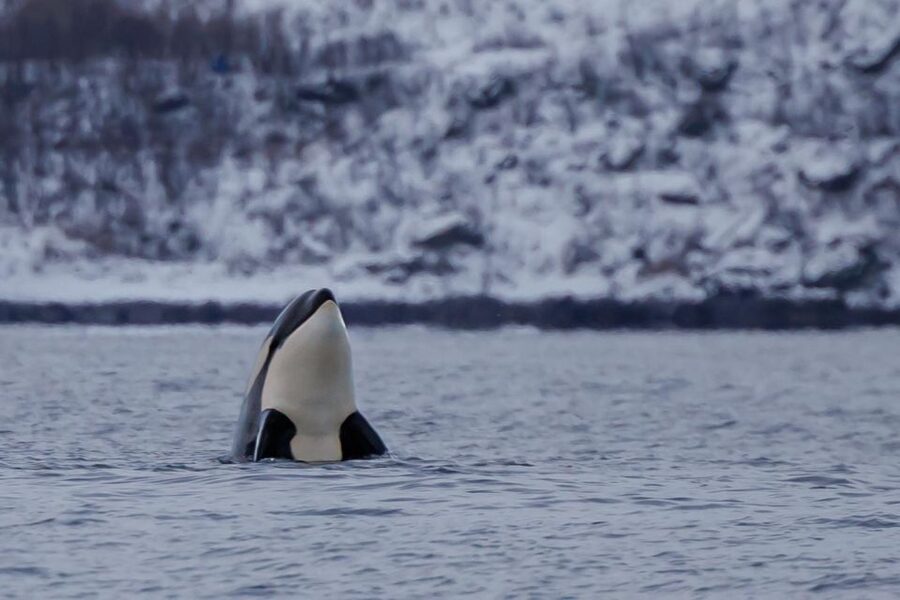
Skjervøy sits among the fjords of northern Norway, in an area known for large seasonal gatherings of orcas. From October through February, herring draw killer whales, humpbacks, and fin whales into the surrounding waters.
That timing matters. You are not simply taking a scenic boat ride and hoping for a lucky sighting. You are visiting during the period when food brings several whale species into the same broad region. Still, the exact location of the animals changes, and the skipper must search rather than follow a fixed route.
I like this kind of trip because the scenery is part of the experience. Even during a quiet stretch, you are surrounded by fjord views and open water. The tradeoff is that four hours can feel long if the animals remain distant, especially in poor weather.
The company, Dervola Adventure AS, keeps the focus on finding whales while avoiding pressure on them. The skipper approaches carefully and lets the animals determine how close they come. That is a better standard than chasing every visible blow for a perfect photograph.
A few more whale watching trips around Norway worth a look
- Tromsø: Whale Watching Tour by Hybrid-Electric Boat
★ 4.5 · 4,217 reviews - Tromsø Whale Safari with MS Gabriele
★ 4.3 · 1,937 reviews - From Tromsø: All-Inclusive Whale & Orca Safari
★ 4.5 · 1,221 reviews
Starting at Havnegata 16
Your meeting point is the Dervola Adventure office at Havnegata 16. Look for the lit Dervola Adventure sign, which makes the office easier to find in the dark winter conditions.
You are asked to meet at 9:30 in the morning. The guide gives you a safety briefing and a warm flotation suit before you board. This suit is useful for two reasons: it helps protect you from the cold and provides flotation support if an emergency occurs.
The warm suit does not replace proper clothing. Bring a hat, gloves, warm clothes, and warm shoes. Gloves and footwear are not included, and cold hands or wet feet can spoil an otherwise excellent outing faster than a missed whale sighting.
The morning start also gives you the best use of the available daylight. In the far north during winter, daylight is limited, so a tour that runs through the brighter part of the day makes sense. The return is planned for about 2:00 pm.
A boat built for cold-weather viewing
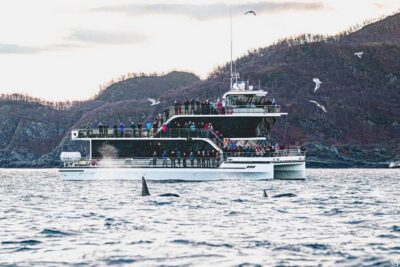
The boat has a heated cabin, indoor seating, outdoor seating, and dry storage for bags or camera equipment. This is a strong setup for northern Norway, where wind and spray can change your comfort level quickly.
I would treat the cabin as part of the main attraction, not a backup plan. You can watch from outside when the sea is calm and visibility is good, then step inside when the cold starts to win. That flexibility is much more useful than a boat with outdoor seats only.
The boat is not described as a large vessel, and several bookings appreciated its smaller size. A compact boat can feel more personal and can give you better access to the viewing areas. It also means you may notice the motion of the sea more clearly, especially in rough conditions.
One January outing took place during a storm, yet the captain continued safely and found many orcas and humpbacks. Another booking described strong waves and valued having a heated cabin as a place to recover. Those accounts show the benefit of the design, but they also make the point that conditions can be demanding.
If you are prone to seasickness, the supplied information does not promise a calm ride. The boat has indoor and outdoor seating, but it is still a four-hour wildlife trip on fjord waters. Bring only the camera equipment you can keep secure, and use the dry storage for anything you need to protect.
The search for orcas, humpbacks, and fin whales
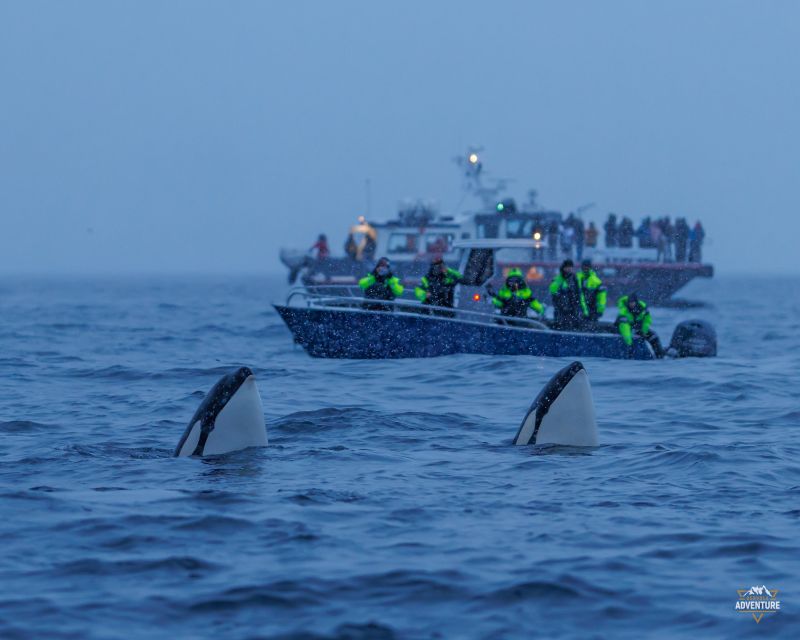
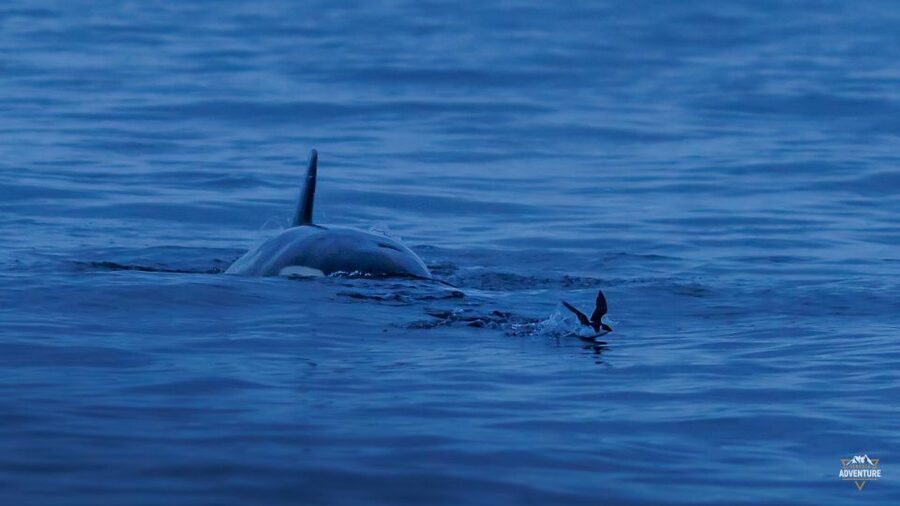
Once the safety briefing is complete, the boat heads into the fjords. The guide and skipper search for signs of whale activity, including blows, dorsal fins, and groups moving on the surface.
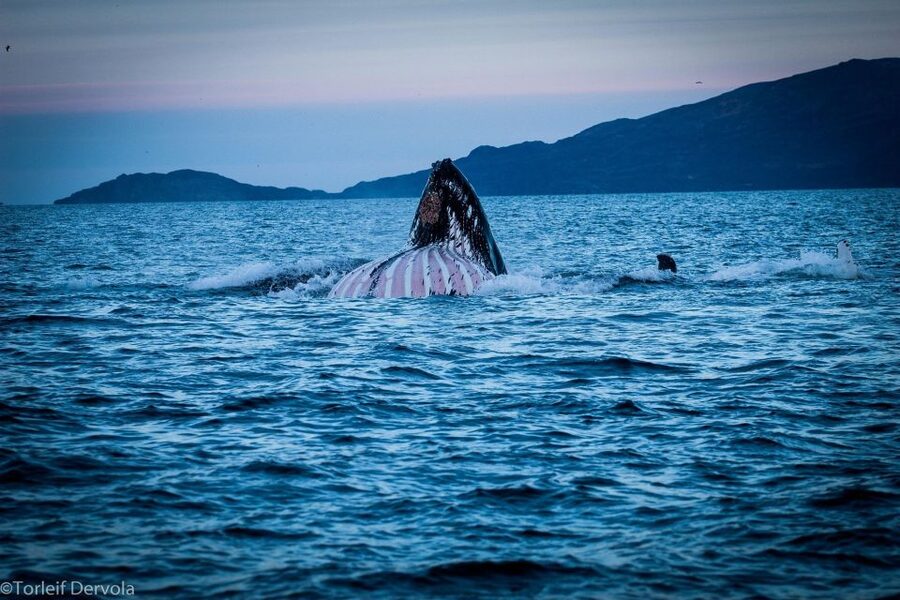
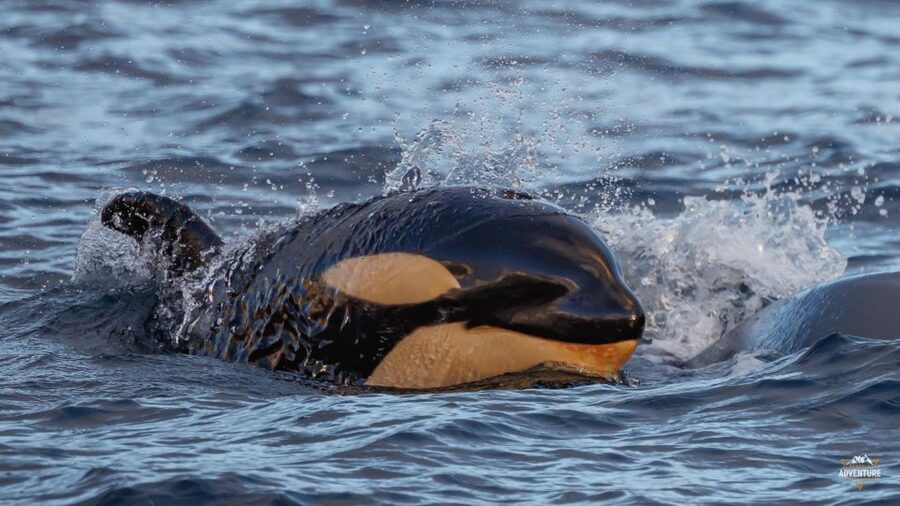
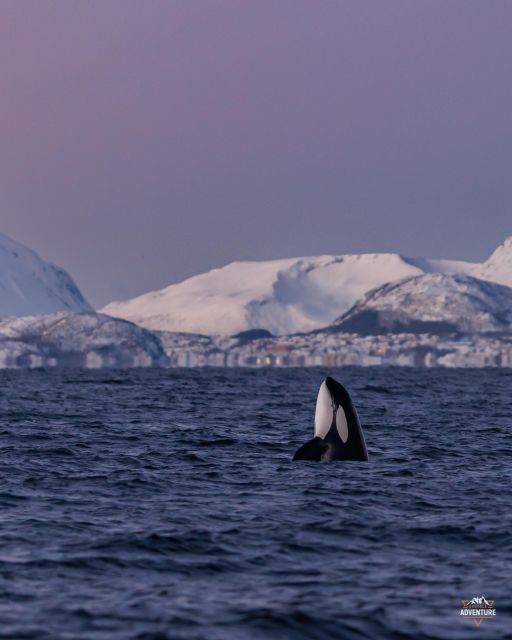
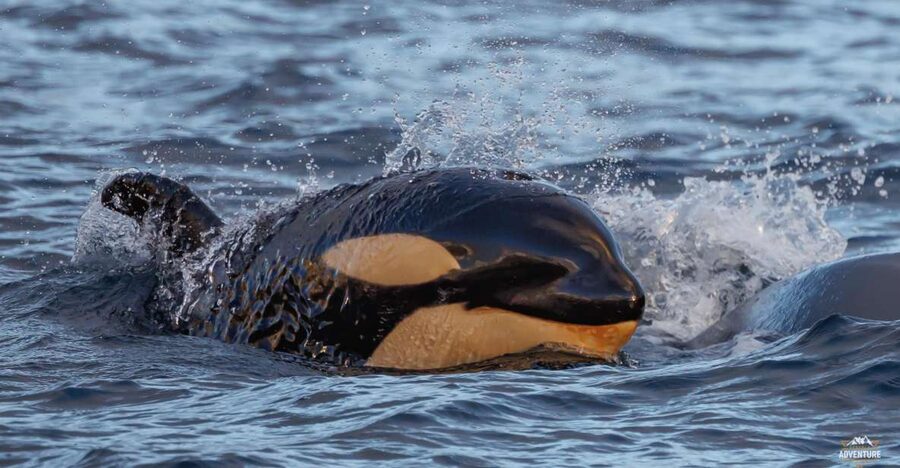
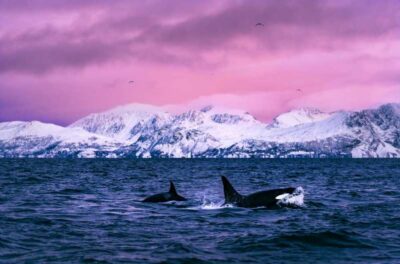
Orcas are the main draw for many people, and this area is known for some of the largest orca gatherings in the world. You may also see humpback whales and fin whales. Fin whales are especially impressive because of their size, while humpbacks can be more visually expressive when they surface.
The route is not a scripted parade of sightings. You may spend time moving between areas, watching the water and waiting for the next appearance. That makes the guide important. The skipper answers questions, explains what you are seeing, and helps you use the time well even when the whales are not right beside the boat.
Keep your camera ready, but do not spend the entire tour looking through a screen. A whale can surface for only a few seconds, and a distant photograph may not be worth missing the actual moment. The dry storage is helpful for equipment, but you should still bring weather protection for any camera you plan to use outside.
Same water, a different way to meet them:
- From Tromso: Whale Watching in Magic Skjervoy
★ 4.7 · 1,207 reviews - Silent Whale Watching by Hybrid-Electric Boat from Tromsø
★ 4.5 · 1,017 reviews - Bleik: Whale Watching by Speedboat with Puffins and Muffins
★ 4.7 · 326 reviews - Tromsø Whale Safari with MS Keiser Wilhelm
★ 4.3 · 161 reviews
Responsible viewing instead of a whale chase
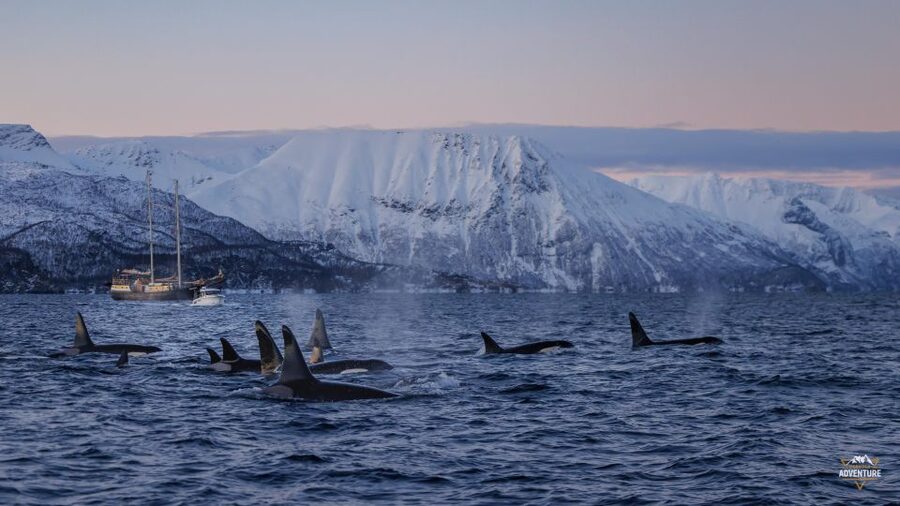
The most important quality of this trip is its approach to the animals. The skipper aims to get close enough for good viewing and photographs without crowding the whales. Several highly rated bookings praised the captain for allowing the animals to come near the boat on their own.
That is the right expectation. You may see a whale at a respectable distance rather than get the close-up image you hoped for. One less positive experience specifically found the whales too far away and felt the price was not justified. This is the unavoidable tension in wildlife watching: ethical behavior can mean less dramatic photographs.
A responsible tour should leave you with the feeling that the whales remain in control. You are watching their behavior, not forcing a performance. If that matters to you, this trip has a strong advantage over an outing built around speed and pursuit.
The tour is also limited to people who want the same basic experience: time on the water, quiet observation, and a serious search for whales. The smaller group setting gives you room to move and photograph without competing with a packed crowd.
Listening through the hydrophone
If conditions are right, the guide may lower a hydrophone into the water. This lets you listen to the whales, adding sound to the visual experience.
A hydrophone will not guarantee constant whale calls. Its use depends on the situation, and the animals may not be close enough or vocal enough for a memorable sound. Still, it is a valuable feature because it changes the experience from simply watching surfacing animals to paying attention to the underwater world as well.
The guide can help explain what you are hearing and seeing. You should think of the hydrophone as an extra opportunity rather than a promised part of every minute on board.
The break, hot drinks, and waffles
The itinerary includes a break between periods of whale watching. You receive a hot drink and waffles, either during the outing or after returning to the marina.
This may sound like a small detail, but it matters in winter. A hot drink gives you a chance to warm your hands, and a waffle adds a welcome snack during a long search on cold water. After the boat returns, the team may also serve the refreshments at the marina.
One booking praised waffles with jam and cheese, while another specifically appreciated coffee and waffles after arriving back. The exact topping is not guaranteed in the tour details, but the snack is a useful comfort rather than an empty promise of luxury.
Do not treat the break as a sign that the whale watching is over. The itinerary returns to the search after the pause, so you get two viewing periods with a chance to reset in between.
What the $278 price really buys you
At $278 per person, this is an expensive half-day activity. You are paying for a four-hour search, a skipper and guide, a warm flotation suit, a heated cabin, both indoor and outdoor viewing, dry storage, refreshments, and the chance to see several whale species in a region famous for orcas.
The value depends heavily on what you want. If your priority is a warm, smaller-group boat with an ethical approach and a serious chance of seeing whales during the feeding season, the price is easier to justify. The heated cabin also gives this trip an advantage over a basic open speedboat, especially when waves and wind pick up.
If your only goal is a close photograph of an orca, the price carries more risk. Wildlife does not follow a schedule, and even a skilled skipper cannot force whales to approach. The three-star experience from February is a useful warning: you could spend four hours seeing only distant backs.
The best value comes when you appreciate the entire outing, including fjord scenery, cold-weather sailing, responsible viewing, and the chance to hear whales. If those elements matter only as extras beside a guaranteed close encounter, no whale tour can offer the certainty you want.
Who will enjoy this trip most
I would recommend the tour to you if you want:
- A whale trip that does not leave you exposed to the cold for four hours
- A smaller boat with indoor and outdoor viewing
- Orcas, humpbacks, and fin whales as possible sightings
- An ethical approach that avoids chasing or crowding animals
- A guide who can answer questions during the search
- A chance to hear whales through a hydrophone
- A simple hot drink and waffle break
Families and mixed-age groups may appreciate the heated cabin, since not everyone can remain outside in winter conditions. Photographers will also like the dry storage and the freedom to move between the cabin and outside areas.
You may want to think twice if you dislike boat motion, need guaranteed close wildlife encounters, or are not prepared to bring proper winter clothing. The tour supplies a warm flotation suit, but not shoes or gloves. You still need to arrive ready for northern weather.
Practical tips for a better day
Arrive ready for cold, not merely cool weather. Wear warm layers, a hat, gloves, and warm shoes. The flotation suit adds protection, but it is not a substitute for a complete winter outfit.
Keep your camera protected when you move between the heated cabin and the outside deck. The boat has dry storage, which is useful for bags and photographic equipment, but you should still handle lenses and batteries with care in cold conditions.
Use the cabin before you feel chilled. It is easier to stay comfortable than to warm up after becoming cold and wet. You can return outside when the skipper spots activity.
Listen to the guide. The best viewing may not happen on the side where you first stand, and the skipper may need to reposition the boat. Moving calmly gives everyone a better chance to see the animals.
The tour is conducted in English. Cancellation is free up to 24 hours before departure, and you can reserve while paying later, which helps if your northern Norway plans are still changing.
Should you book the Skjervøy whale tour?
Book it if you want a serious winter wildlife outing with a heated cabin, a smaller group, and a careful approach to whales. The combination of indoor comfort, outdoor views, hydrophone use, and included waffles makes the four-hour format easier to handle than a bare-bones boat trip.
Go in with the right promise to yourself: you are paying for the search and the setting, not a guaranteed close encounter. If the whales stay far away, you may feel the $278 price sharply. If orcas, humpbacks, or fin whales gather near the boat, the careful skipper, warm cabin, and open viewing areas can make this a memorable day on the fjords.
FAQ
Where does the whale-watching tour start?
The tour starts at Havnegata 16 in Skjervøy. Look for the lit Dervola Adventure sign on the office.
How long does the tour last?
The trip lasts four hours. The planned return to Skjervøy Marina is approximately 2:00 pm.
What time should I meet the guide?
The meeting time provided is 9:30 in the morning.
Which whales might I see?
Possible sightings include orcas, humpback whales, and fin whales. The whales come to the area from October to February to feed on herring.
Is the boat heated?
Yes. The boat has a heated cabin, along with indoor and outdoor seating.
Is a flotation suit included?
Yes. A warm flotation suit is provided before you board.
Are food and drinks included?
Yes. A hot drink and waffles are included. They may be served during the tour or after you return to the marina.
What should I bring?
Bring warm clothing, a hat, gloves, and warm shoes. Footwear and gloves are not included.
Is the tour available in English?
Yes. The live guide and tour language are English.
Just added around Norway
- From Svolvær: Whale Watching Day Trip to Andenes★ 3.8 · 27 reviews
- Tromsø: Orca and Whale Watching comfort heated boat Trip★ 4.8 · 107 reviews
- Tromsø: Whale Watching on hybrid boat with scenic bustrip★ 4.1 · 30 reviews
- Tromsø Whale Safari with MS Keiser Wilhelm★ 4.3 · 161 reviews
- Tromsø: Responsible Whale Watching Cruise Aboard MS Alba★ 4.7 · 53 reviews
- Tromsø: 24hr Northern Lights & Whale Watching Cruise★ 4.9 · 46 reviews
- Whale Safari in Tromso★ 4.5 · 63 reviews
- 24hr Northern Lights & Whale Watching Cruise★ 5.0 · 114 reviews
Norway Whale Watching Tours, compared.
Tromsø: Whale Watching Tour by Hybrid-Electric Boat
Read our review →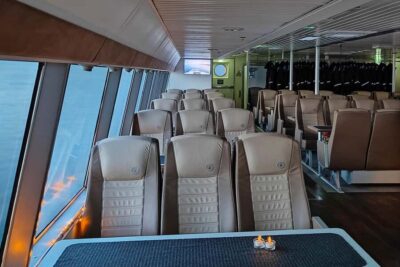
From Tromsø: All-Inclusive Whale & Orca Safari
Read our review →
From Tromso: Whale Watching in Magic Skjervoy
Read our review →
Silent Whale Watching by Hybrid-Electric Boat from Tromsø
Read our review →
Bleik: Whale Watching by Speedboat with Puffins and Muffins
Read our review →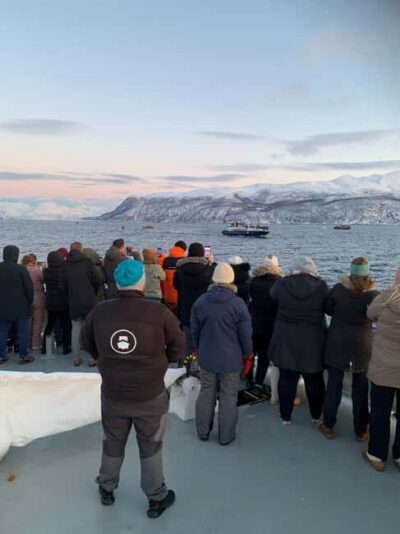
Browse the lists this tour appears in