
REVIEW · VICTORIA WHALE WATCHING TOURS
Victoria: Covered Whale Watching Adventure with Free Photos
Whales make every minute count. This Victoria cruise pairs excellent wildlife viewing with a purpose-built catamaran, heated cabin, open decks, and marine naturalists who explain what you are seeing. I especially like the free high-resolution photo package and the crew’s habit of positioning the boat parallel to the animals, giving you a better chance at clear views without keeping your phone raised all day. The main drawback is simple: the Salish Sea can be cold and rough, and anyone prone to seasickness should think carefully before booking.
The four-hour outing costs $149 per person and includes hot drinks, live commentary, a whale sightings guarantee, and a chance to return on another tour if no whales are found. Orcas and humpbacks are the headline act, but seals, sea lions, sea otters, bald eagles, porpoises, and seabirds can make the trip worthwhile even between sightings. Dress warmer than you think you need, especially if you hope to spend time outside.
Key points at a glance
- A smooth catamaran built for whale watching: The Salish Sea boat has a heated indoor cabin and two open-air sundecks, so you can switch between comfort and clear photo angles.
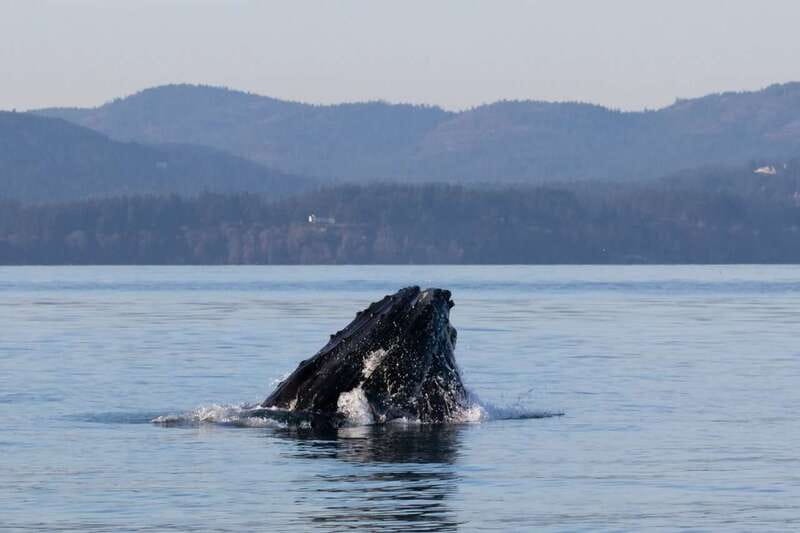
- Orcas and humpbacks are the main targets: Sightings have included pods of orcas, breaching humpbacks, mothers with calves, and whales swimming beneath the boat.
- Free wildlife photos are a real value: The crew sends high-resolution images afterward, letting you watch the water instead of managing a camera.
- Up to three naturalists add meaning: Guides such as Algebra, Michael, Megan, Reid, and Jamie have been praised for clear explanations and lively talks.
- You may see much more than whales: Sea lions, several kinds of seals, otters, porpoises, bald eagles, and seabirds are all part of the Salish Sea show.
- Cold-weather planning matters: Bring warm layers, a windbreaker, a hat, sunscreen, and closed-toe shoes. The upper decks can feel very cold when the boat is moving.
Leaving Victoria for the Salish Sea
The tour begins at 812 Wharf Street in Victoria, BC. Hotel pickup and drop-off are not included, so you need to make your own way to the waterfront. The meeting point is central to Victoria’s harbor area, but parking information is not especially clear, so allow extra time if you are driving.
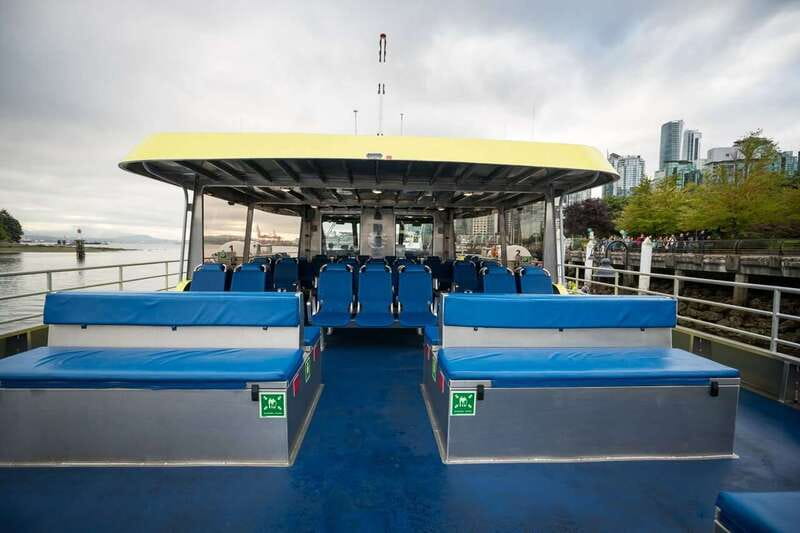
After check-in, you board the Salish Sea, a newer catamaran-style boat designed for whale watching. The layout is practical rather than fancy: a heated indoor cabin, two open-air viewing decks, and a snack bar. Complimentary tea, coffee, and hot cocoa are available, while snacks can be bought onboard.
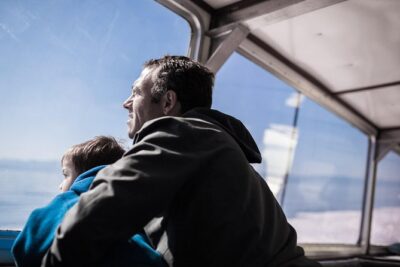
The boat design matters. You are not locked into one viewing position for four hours. If the wind bites on deck, you can retreat indoors. If the windows or passengers block your view, you can move to another deck. That freedom is especially useful when the boat slows near wildlife and everyone wants the same side.
The cabin also gives you a break from the weather. Several people praised the vessel as smooth, clean, spacious, and comfortable, though one person found the seating less comfortable. That is a fair expectation to set: this is a working tour boat, not a lounge chair on a cruise ship.
More Photo Trips in Victoria:
- Victoria Half-Day Whale Watching Adventure with Free Photos
★ 5.0 · 2,259 reviews - Telegraph Cove: Whale Watching Adventure with Free Photos
★ 4.6 · 130 reviews - Vancouver Half-Day Whale Watching Adventure with Free Photos
★ 5.0 · 5,000 reviews
Crossing currents toward Haro Strait
The route takes you through the Strait of Juan de Fuca and the protected waters of Haro Strait. The exact path depends on where the animals are, so the tour is better understood as a search through active marine habitat than a fixed sightseeing route.
The captain and crew keep watch for signs of whales while the naturalists explain the local ecosystem and the different animals you may encounter. The guides also make the safety briefing more engaging than the usual list of rules. Algebra, in particular, earned praise for combining humor with useful information, while Michael, Megan, Reid, Jamie, and others have been singled out for clear explanations and friendly help.
Up to three marine naturalists may be working onboard. This is helpful because you do not need to gather around one guide for every explanation. You can ask questions, hear updates, and learn what the crew knows about the animals’ behavior, families, and movement through the area.
The ride itself can be smooth, but conditions are never fully predictable. One outing crossed calm water, while another handled strong waves safely. If you have a known vestibular condition or a serious history of seasickness, take that warning seriously. The crew can be supportive, but no boat design can remove the movement of the sea.
Finding orcas and humpback whales
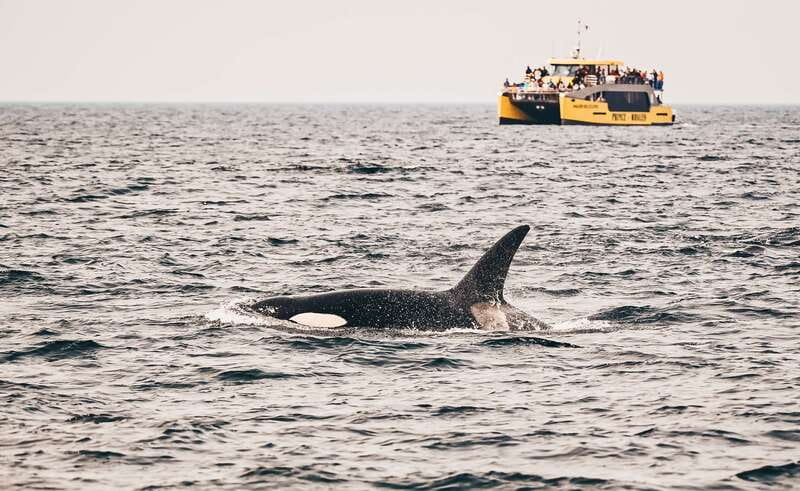
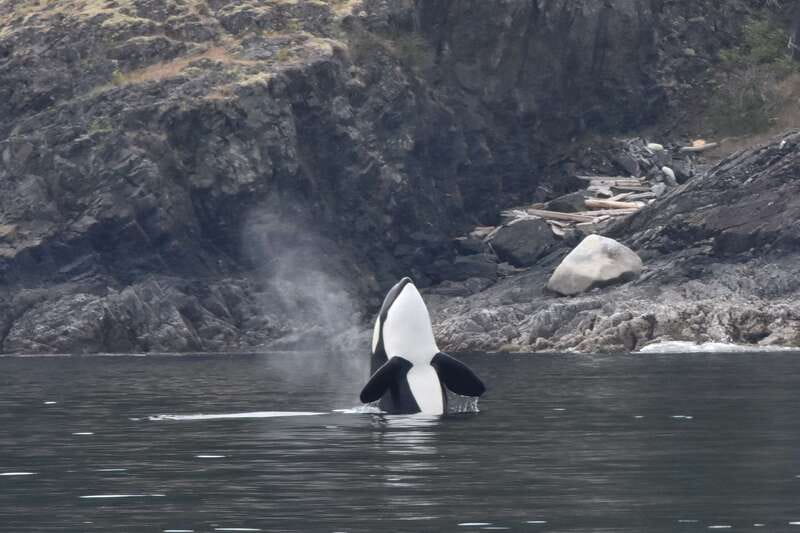
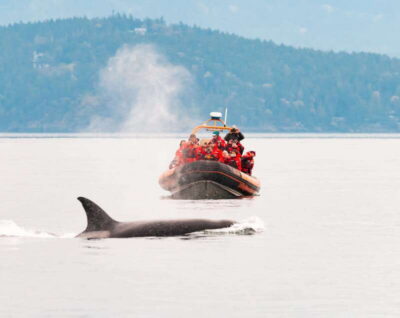
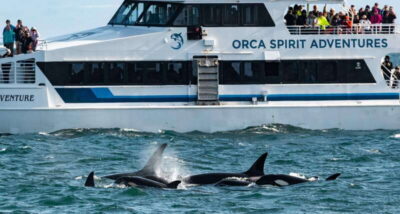
The most exciting part of the tour begins when the crew locates whales. The boat stops at points of interest and the captain positions it parallel to the animals. That angle gives you a better chance of seeing repeated surfacing patterns, dorsal fins, blows, and body movement than a quick pass would.
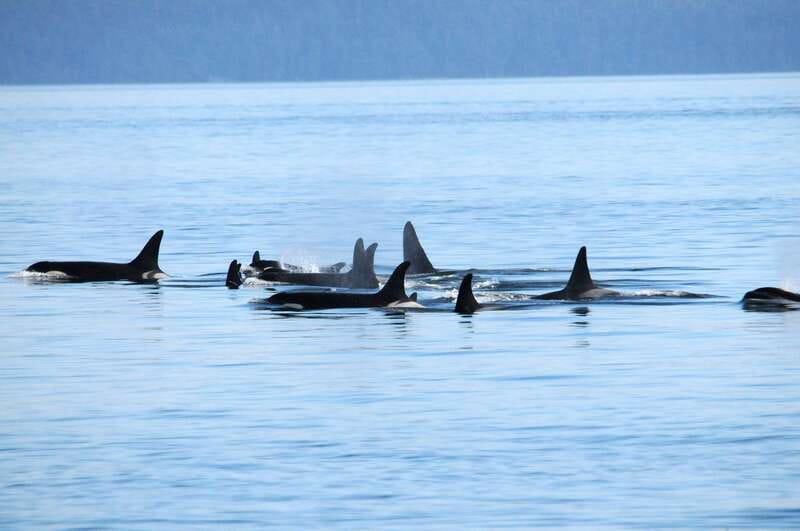
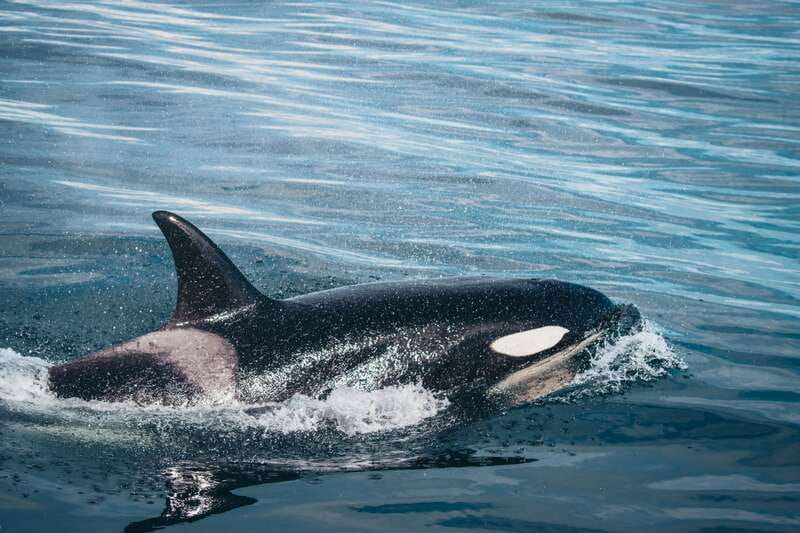
Orca sightings have included single pods, several pods, and groups of five or more. In some cases, whales swam close to the boat or passed beneath it. You might also see the difference between resident and transient orcas explained by the naturalists, which adds useful context to what could otherwise be a series of black fins and splashes.
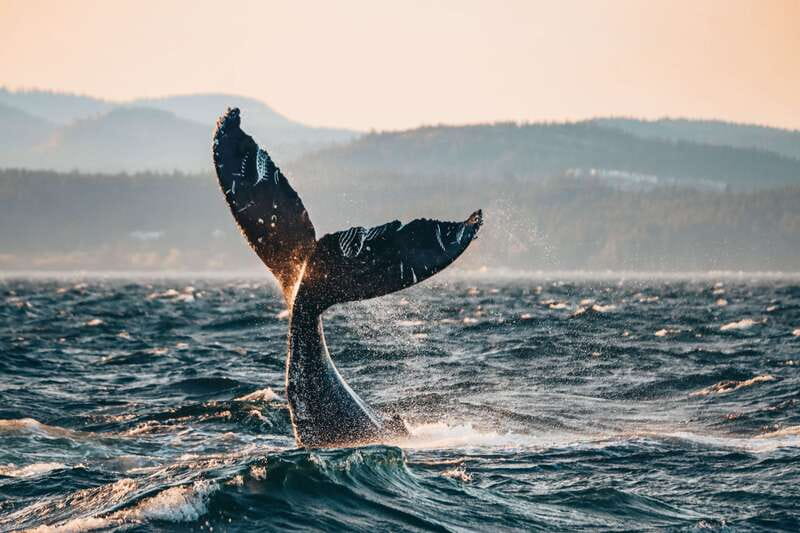
Humpbacks can be just as memorable. Sightings have included a mother and calf, groups of three, and whales remaining in view for an hour. A breach is never guaranteed, of course, but some outings have included dramatic breaches and active feeding behavior.
The timing is partly luck. One person spent a while reaching the whale area before finding a pod, while another saw whales soon after departure. The crew controls the search, the route, and the boat’s position, but not the animals’ schedule. That is why the whale sightings guarantee matters. If the boat finds no whales, you can return for another tour. It does not guarantee a particular species or close encounter, but it does reduce the financial risk of a completely empty search.
The best approach is to watch patiently. Keep your eyes moving across the water, listen for announcements, and do not focus only on the spot where someone last saw a fin. When the boat stops, be ready for a short burst of action followed by several quiet minutes.
Free photos let you watch instead of work
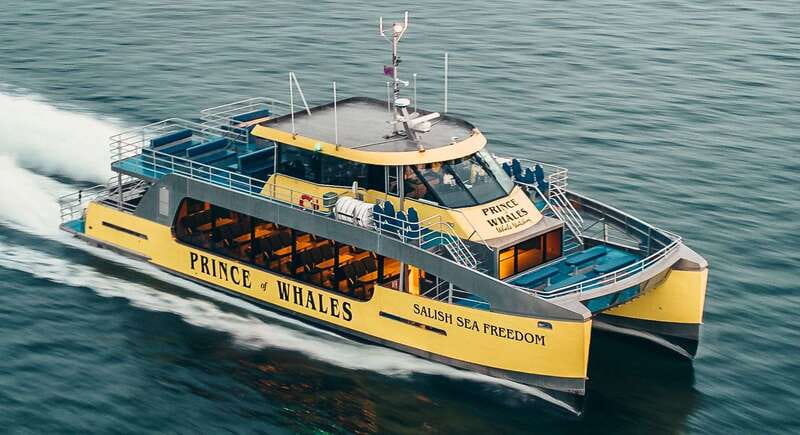
The included photo package is one of the strongest features of this outing. Crew members take high-resolution photos of the animals, the coastline, and people on the boat, then send them to you for download.
This has practical value. Whale photography usually demands a long lens, quick reactions, and constant attention to the viewfinder. You may still want your own phone photos, but you can put it away more often and watch the whales directly. The free images also help if you do not own a camera suited to distant wildlife.
The photos are not a promise of a perfect breach shot for every person. Wildlife moves quickly, and visibility changes. Still, the package can make the $149 price easier to justify, especially for families or anyone who would otherwise buy a separate photo add-on.
The crew positions the boat with photography in mind, but it also follows responsible viewing practices. The goal is to see animals without touching, chasing, or disturbing them. Drones are not allowed, and you must not touch wildlife.
A few more whale watching trips around Victoria worth a look
- Victoria Zodiac Boat Whale Watching Adventure
★ 5.0 · 916 reviews - Victoria: 3-Hour Zodiac Whale-Watching Tour
★ 4.6 · 651 reviews - Victoria Whale Watching Tour on a Covered Vessel
★ 4.5 · 482 reviews - Victoria Whale Watch Tour
★ 5.0 · 458 reviews
Wildlife beyond the whales
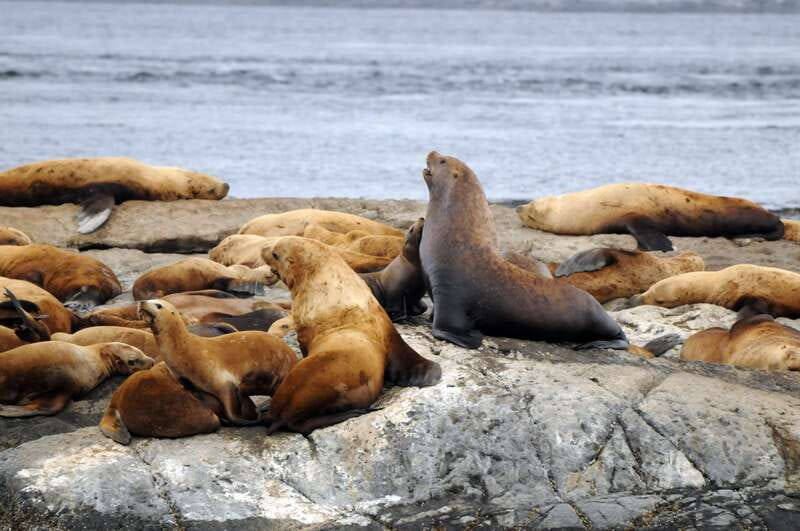
A good whale trip is not only about checking off orca or humpback. The surrounding water can produce a varied list of sightings, and this tour has included sea lions, harbor seals, California seals, sea otters, harbor porpoises, bald eagles, and other seabirds.
Sea lions can be noisy and active, while seals may appear as quiet heads in the water or animals resting near shore. A sea otter is smaller and easier to miss, so pay attention when the naturalists point out subtle movement. Bald eagles add a sharp flash of white and brown above the water, often giving you something to watch while the crew searches for whales.
The coastline is part of the experience too. You may travel through broad marine views, island channels, and the Canadian and American sides of the Salish Sea. The route can enter US waters, so keep your attention on the natural setting rather than expecting a conventional sightseeing cruise with a list of landmarks.
This mix of animals makes the tour a better choice for families. Children may lose patience during a quiet search for whales, but seals, eagles, and seabirds keep the outing moving. Junior naturalist guides, including a children’s guide and educational coloring book, add another useful touch for younger passengers.
Staying warm on the open decks
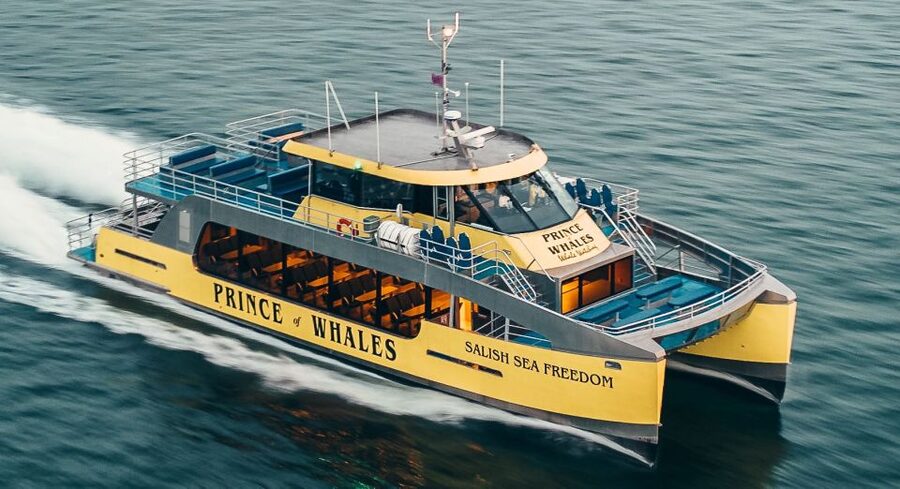
The indoor cabin is a major advantage, but do not treat it as a reason to pack lightly. The upper decks can feel very cold when the catamaran is underway, even on a sunny day. Wind, spray, and long periods of standing make the temperature feel lower than it did on shore.
Wear several warm layers, a windbreaker, and closed-toe shoes. A hat helps with wind, while sunscreen remains important because sun reflects off the water. One person described the cold as significant even with outdoor experience, so I would rather carry one extra layer than spend the whale encounter shivering indoors.
You can move between the cabin and decks, which makes the weather easier to manage. The best plan is to go outside when the boat slows or stops near animals, then return indoors when the catamaran is traveling quickly or the wind becomes too sharp.
Seating is not the tour’s strongest point. The boat provides room to move, but you should not expect broad, cushioned seats for the entire four hours. If you need frequent rest or have mobility limitations, note that the experience is not suitable for wheelchair users.
How the $149 price works out
At $149 per person, this is not a budget harbor ride. The price makes more sense when you count the full package: about four hours on the water, a purpose-built catamaran, a captain and crew, live commentary, up to three naturalists, hot drinks, free wildlife photos, and the chance to return if no whales are found.
The photo package is especially useful. A separate wildlife photography service could cost more, and taking your own good images often requires expensive equipment. Here, you can put your phone away and still go home with professional images of the animals and the day.
The guarantee also adds value, but it should not change your expectations. You are paying for a well-run search in a wild environment, not a staged performance. Orcas may appear in several pods, or you may spend much of the trip looking for signs before finding humpbacks, seals, or eagles.
For many visitors to Victoria, this is worth the cost if whale watching is a major trip goal. It is less attractive if you want a short, calm harbor cruise or dislike cold, open-water conditions.
Who will enjoy this four-hour trip most
I would choose this tour if you want serious wildlife viewing with enough comfort to handle changing weather. It suits couples, families, photographers, first-time whale watchers, and anyone who wants naturalist commentary rather than a silent boat ride.
You will get the most from it if you can stay patient during the search. The most memorable sightings may last only seconds, but several outings have had whales nearby for an hour or more. The crew’s skill improves your chances, yet wildlife remains unpredictable.
Families benefit from the junior guides, warm drinks, indoor cabin, and variety of animals. Children still need to manage a long boat ride, especially if the sea is rough. The free photos also mean parents can spend less time trying to capture every moment themselves.
This is not the best fit for wheelchair users, people who strongly dislike boat movement, or anyone unwilling to dress for cold conditions. If seasickness is a concern, take practical precautions and consider the risk honestly before paying.
Booking details worth knowing
The tour lasts four hours, with the actual wildlife search taking place over roughly three or more hours on the water. Starting times vary, so check availability for your date.
The live tour is conducted in English. Downloadable tour guides are available in English, Spanish, French, German, and Dutch, which may help you understand the experience before or after the cruise.
You can cancel up to 24 hours in advance for a full refund. Hotel transportation is not included, and the meeting point is 812 Wharf Street in Victoria.
For safety and animal welfare, smoking, vaping, alcohol, drugs, drones, baby strollers, and touching animals are not allowed.
Should you book the Prince of Whales cruise?
Book it if seeing orcas or humpbacks is high on your Victoria list and you want a proper wildlife outing rather than a quick harbor trip. The heated cabin, movable viewing areas, strong naturalist team, and free photo package give the $149 fare solid value.
Go prepared for cold, wind, possible rough water, and stretches without sightings. The whale guarantee offers a useful safety net, but the real appeal is the full Salish Sea experience: whales when fortune cooperates, and seals, sea lions, otters, eagles, seabirds, and open water when it does not.
FAQ
Where does the whale watching tour depart from?
The meeting point is 812 Wharf Street in Victoria, BC. Hotel pickup and drop-off are not included.
How long does the experience last?
The tour duration is four hours, with more than three hours generally spent on the water searching for wildlife and visiting points of interest.
What happens if no whales are seen?
The tour includes a whale sightings guarantee. If no whales are seen, you can return for another tour.
Are photos included in the price?
Yes. The crew takes high-resolution photos of wildlife, the coastline, and passengers, then provides a free downloadable photo package.
Is there a warm place onboard?
Yes. The catamaran has a heated indoor cabin, along with two open-air sundecks. Complimentary tea, coffee, and hot cocoa are available.
What should I wear?
Wear warm layers, a windbreaker, a hat, and closed-toe shoes. The outdoor decks can feel very cold while the boat is moving.
Just added around Victoria
- Victoria: Whale and Wildlife Semi-Covered Boating Tour★ 4.8 · 51 reviews
- Victoria: Sunset Whale Watching Tour on Semi-Covered Boat★ 4.8 · 8 reviews
- Victoria Waterfall, Skywalk, Beach Picnic, Castle and Whales★ 4.9 · 7 reviews
- Victoria, BC: 3-Hour Ultimate Whale & Marine Wildlife Tour★ 4.6 · 191 reviews
- Victoria: Morning Whale-Watching Tour in Scarab Boat★ 4.9 · 39 reviews
- Victoria: Whale Watching Adventure in a Zodiac Boat★ 4.5 · 129 reviews
- Winter Victoria Whale and Wildlife Zodiac Tour★ 5.0 · 229 reviews
- Victoria Ultimate Marine Whale & Wildlife Tour★ 4.5 · 142 reviews
Victoria Whale Watching Tours, compared.
Victoria Half-Day Whale Watching Adventure with Free Photos
Read our review →
Victoria Whale Watching Tour on a Covered Vessel
Read our review →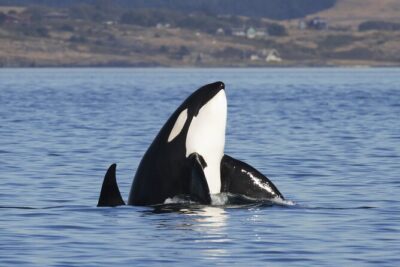
From Victoria: Whale Watching Trip on Covered Boat
Read our review →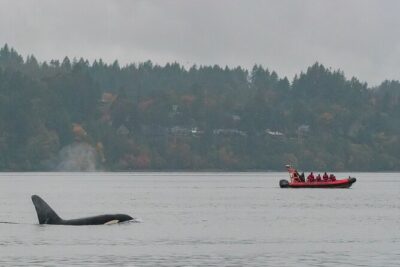
Summer Whale Watching Tour in a Zodiac Boat in Victoria
Read our review →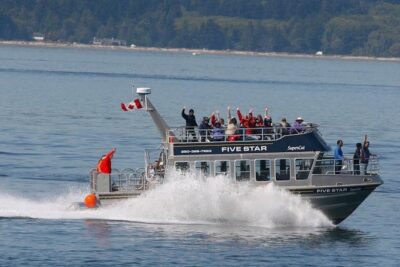
Victoria Whale Watching Cruise with Expert Naturalists
Read our review →Browse the lists this tour appears in