
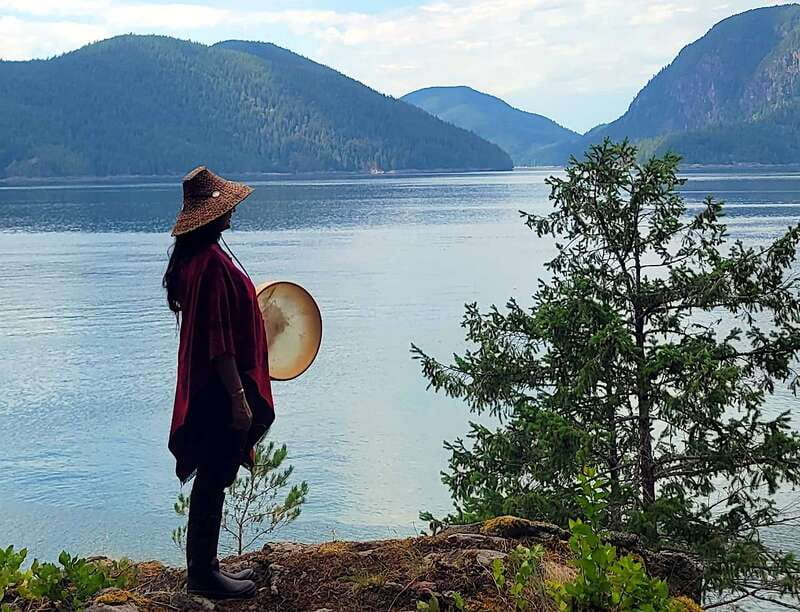
REVIEW · CAMPBELL RIVER WHALE WATCHING TOURS
Vancouver Island: People Water Land – Indigenous & Whales
Whales are only half the story here. This five-hour Campbell River outing pairs Salish Sea wildlife with a First Nations guide and a walk through Aupe, a former Xwémalhkwu village site. I like the small maximum of 12 people, which leaves room for real conversation, and I like the custom heated boats, where you can move between covered indoor seats and open-air viewing. The main caution is simple: wildlife follows its own timetable, so a distant whale sighting is possible, but never guaranteed.
The cultural visit gives the boat trip a purpose beyond checking animals off a list. You may see orcas, humpback whales, dolphins, sea lions, seals, and bald eagles, then walk about 2 kilometres on uneven ground near the old village site. Bring warm layers and proper shoes, because this is part marine safari and part outdoor history walk.
Five things to know before you book
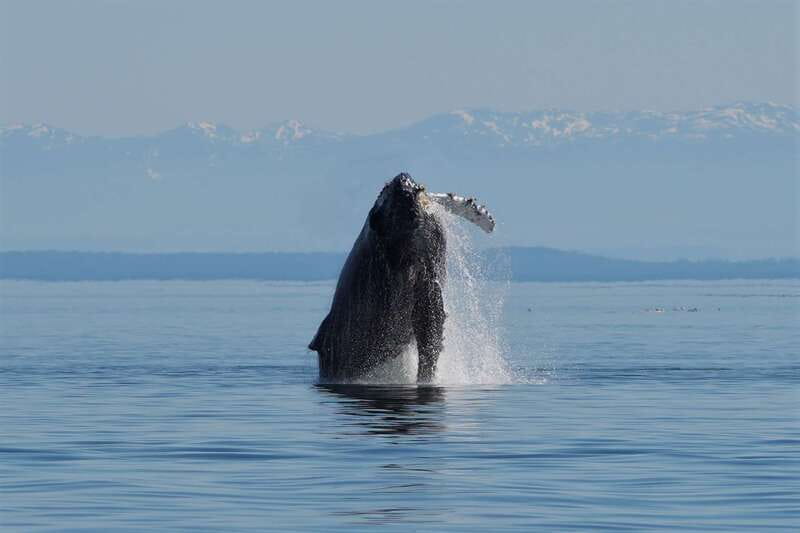
- Aupe connects the wildlife trip to Homalco history: You walk through the former village site, hear traditional stories, and learn what life was like in a remote First Nations community.
- The boat is built for changing weather: Heated, covered seating keeps you comfortable during the crossings, while outside seats give you better views when wildlife appears.
- The group stays small: With no more than 12 participants, the skipper and Indigenous guide can keep the outing personal.
- Wildlife sightings can be excellent but are never promised: Past outings have included orcas, humpback whales, white-sided dolphins, harbor seals, and bald eagles.
- The shore walk requires steady footing: Expect slippery rocks and uneven trails, with roughly 2 kilometres of walking.
- Your fare supports local work: Part of the price helps fund whale research, salmon restoration, Homalco youth cultural programs, and employment opportunities.
Campbell River is the gateway to a bigger story
The tour begins from Campbell River, a practical base for exploring the waterways around northern Vancouver Island and Quadra Island. You meet at the tour office and gift shop near the marina, then walk to the boat after check-in.
Plan to arrive at least 20 minutes before departure. The published morning schedule runs from 7:00 a.m. to noon, though you should check the available start time when booking. Parking is at the Tyee Plaza Shopping Centre lot, but not in spaces reserved for the Coast Discovery Inn.
That early start is useful. The tour has five hours to cover open water, wildlife watching, and the Aupe walk, so an on-time departure matters. Coffee is available at the meeting point, according to the tour details shared by previous participants, which is a small but welcome touch before heading out.
The team includes both a skipper and a Homalco guide. That division works well. The skipper handles the boat, safety, and route, while the guide can focus on the cultural side of the outing and help you understand what you are seeing.
A few more whale watching trips around Canada worth a look
- Vancouver Half-Day Whale Watching Adventure with Free Photos
★ 5.0 · 5,000 reviews - Tadoussac/Charlevoix: Whale Watching Zodiac Tour
★ 4.3 · 2,716 reviews - Vancouver: Covered Whale Watching Adventure with Free Photos
★ 4.8 · 2,260 reviews
A comfortable boat for cold coastal water
The custom landing craft vessels are one of the tour’s strongest practical features. They have inside and outside seating, a toilet, and new heated covered areas. You can sit outdoors when an eagle or whale appears, then move inside when the wind cuts through your jacket.
That flexibility matters more than it may sound. Coastal weather can shift during a five-hour trip, and a boat with only open seating can turn wildlife watching into a test of endurance. Here, you have a warm place to reset between sightings.
The outside seats give you the clearest views, but you should not plan to stay outside for the entire trip. Wear warm clothing and bring rain gear even if the morning forecast looks friendly. Binoculars and a camera are useful, though a camera cannot replace simply watching the water with your own eyes.
The boats also have unobstructed viewing areas, an important advantage when a sighting lasts only a few seconds. Wildlife may surface on either side of the boat, so listen to the crew and be ready to shift your attention quickly.
High heels, sandals, flip-flops, and open-toed shoes are not allowed. That rule is sensible, since the trip includes a shore landing and trails that may be slippery.
The Salish Sea wildlife watch
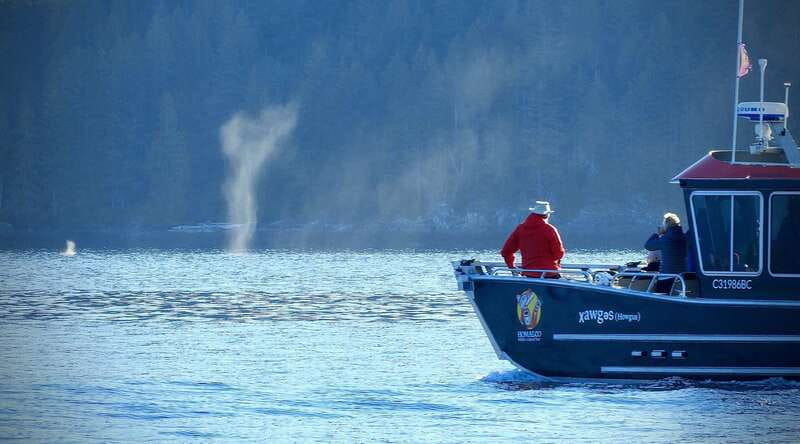
The open-water section is the part most people picture first. The route heads around Quadra Island and through the Salish Sea, with the crew watching for orcas, humpback whales, dolphins, sea lions, seals, and bald eagles.
The variety is part of the appeal. You are not signing up only for an orca hunt. A pod of white-sided dolphins may appear in the distance. Harbor seals may surface near the boat. Eagles can be easier to spot than whales, especially along the shore. Humpbacks and orcas are the major prizes, but each species adds something to the morning.
You need to set realistic expectations. One outing had sightings of white-sided dolphins, harbor seals, orcas, bald eagles, and humpback whales. Another had a whale visible only from far away. That is not a flaw in the tour. It is the nature of watching wild animals in open water.
The route and timing can change according to weather and sightings. That is good practice, not a lack of planning. The skipper needs to balance animal welfare, sea conditions, and the time required for the cultural stop. If the weather becomes unsafe and the provider cannot operate, the tour offers a full refund.
The live commentary adds context as you travel. You are not simply staring at water while waiting for a dorsal fin. The Homalco guide shares traditional language, stories, and legends, including words for animals such as whales, known as Qʷ̓ənɛs, eagles, known as Q̓aykʷ, and black bears, known as Mɛxaɬ.
Landing at Aupe, the former village site
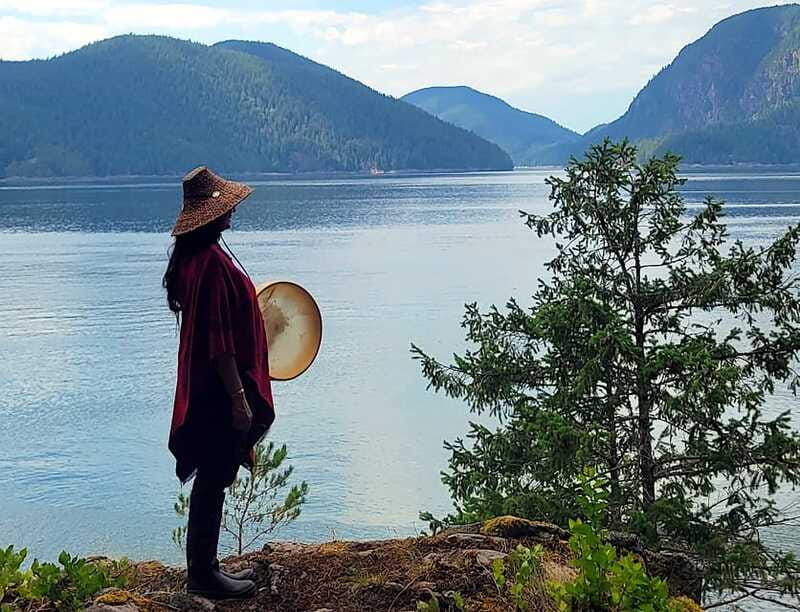
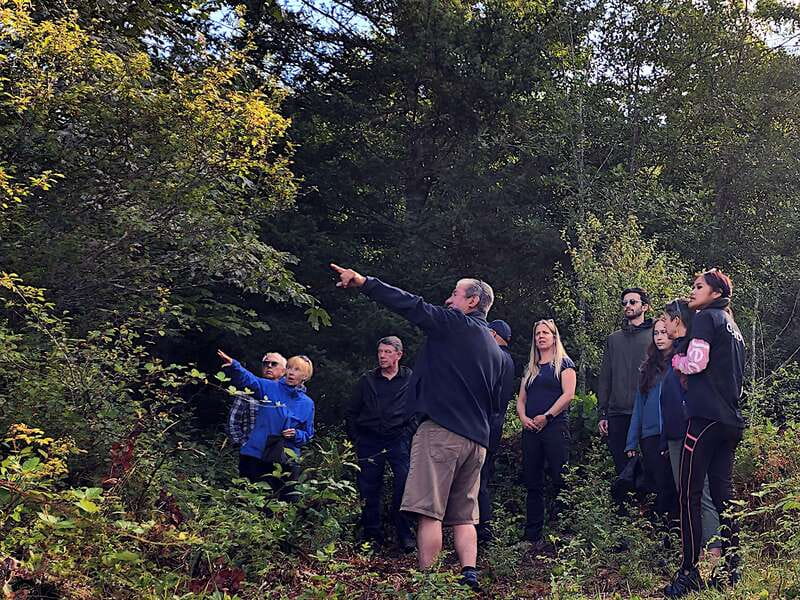
The cultural heart of the outing begins when the boat reaches Aupe, also referred to as Schoolhouse or Church House beach in the tour descriptions. You step ashore and walk through the former Xwémalhkwu village site with your Homalco guide.
This stop gives meaning to the coastline you have been viewing from the boat. Instead of treating the area as empty scenery, you learn that more than 250 Homalco people once lived at the site. Some structures have been overtaken by nature, while photographs help show what the community looked like before it was abandoned.
The walk is not a polished museum visit. You are outside, on trails with uneven ground and possible slippery rocks. That makes the experience more direct, but it also means you need hiking shoes and a reasonable level of fitness.
The guide’s stories cover daily life, community connections, and the harder parts of the past. That balance is important. A cultural visit should not turn Indigenous life into a cheerful backdrop for a boat trip. Here, the stories include both good times and difficult periods, giving you a fuller sense of the place.
The walk covers about 2 kilometres. It is not suitable for people with back problems, and the operator asks you to be physically fit enough for uneven terrain. One participant using two walking aids received extra care, but you should contact the provider if you have mobility concerns rather than assume the route will suit you.
Same water, a different way to meet them:
- Victoria Half-Day Whale Watching Adventure with Free Photos
★ 5.0 · 2,259 reviews - Tadoussac/Charlevoix: 3-Hour Whale Watching Boat Tour
★ 4.2 · 2,179 reviews - Victoria Whale and Wildlife Cruise
★ 5.0 · 1,729 reviews - Whale-Watching Tour from Vancouver
★ 4.5 · 1,572 reviews
Cedar bark, language, and hands-on learning
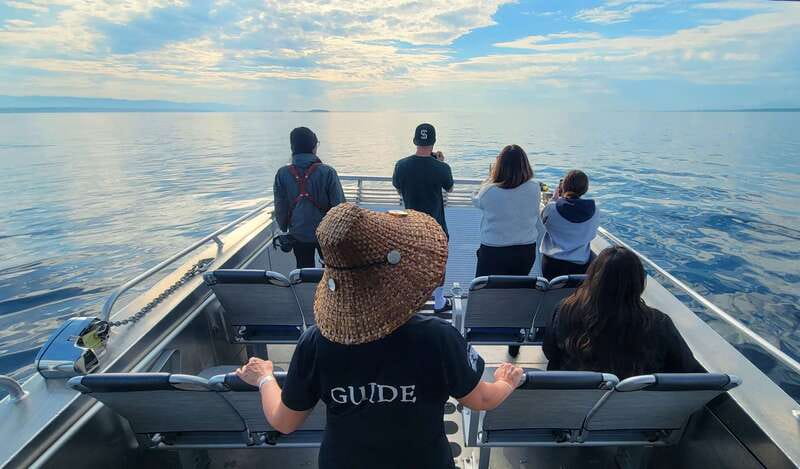
The tour includes a simple activity with cedar bark, called Taχəmay. You learn to weave your own cedar bracelet while hearing more about the material and its place in Homalco culture.
This kind of activity works because it gives your hands something to do while the guide explains the tradition. You leave with a small object tied to the place, rather than only a set of photographs. It also makes the cultural portion accessible to families with children aged 10 and older.
The tour is conducted in English. Guests aged 10 to 17 must travel with an adult aged 18 or older, and unaccompanied minors are not allowed. The experience suits older children who can handle a long morning, boat conditions, and the shore walk.
Lunch, snacks, and beverages are included. That helps the $272 price feel more reasonable, since you are paying for a half-day outing with transport on the water, two staff members, food, a small group, and a cultural program. It is still a significant expense, especially for a family, so you should book it for the combination of culture and wildlife rather than for whale watching alone.
Why the First Nations ownership matters
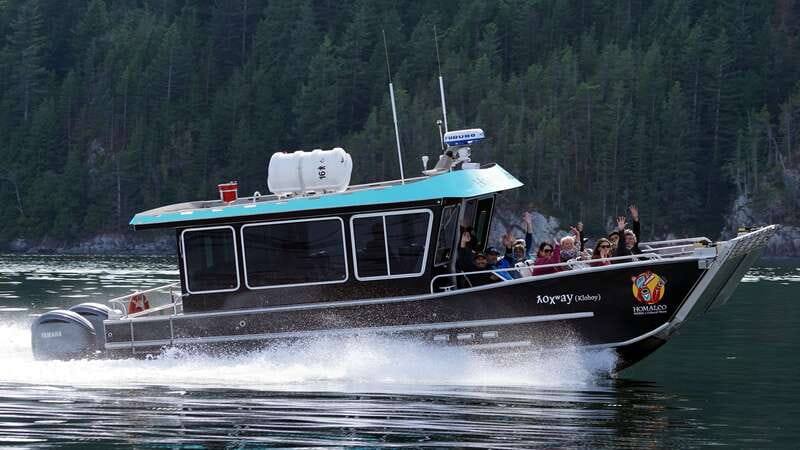
Homalco Wildlife and Cultural Tours is 100 percent owned by the Xwémalhkwu First Nation. The company operates in its traditional territory and has been running tours for more than 20 years.
That ownership changes the character of the experience. The cultural interpretation comes from the people connected to the area, not from a guide giving a generic account of Indigenous history. You hear Homalco language, stories, and family or community perspectives while standing in the territory itself.
Your fare also supports specific programs. A portion goes toward whale research, salmon restoration, Homalco youth cultural programming, and employment and career options for Homalco people. If you care about where your tourism money goes, this is an important part of the value.
Still, you should approach the cultural side with respect. Listen carefully, avoid treating the village site as a photo prop, and follow instructions about where to walk. The experience is designed as an interpretive journey, not a performance staged for quick entertainment.
Food, timing, and the small-group advantage
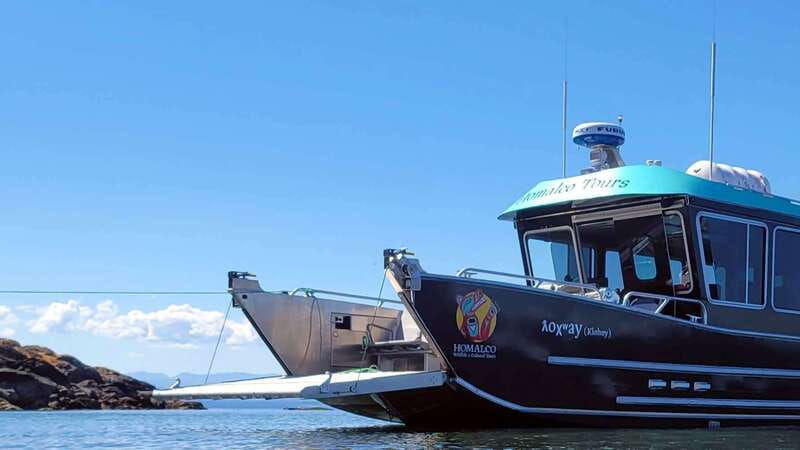
Five hours sounds manageable, but the outing packs a lot into one morning. You have the marina meeting, boat safety briefing, open-water travel, wildlife watching, the Aupe walk, cedar bracelet activity, and the return trip.
Lunch, snacks, and drinks mean you do not need to pack a full meal. You should still bring personal water if you prefer to have your own supply, along with layers you can add or remove. Smoking, alcohol, drugs, littering, and tripods are not allowed.
A maximum of 12 participants is a real benefit. On a larger boat, the guide would have less time to answer questions, and moving outside for a sighting could become crowded. Here, the small group helps the trip feel more like a guided outing than a standard sightseeing transfer.
The boat still needs to serve everyone, so you may not have your first choice of seat at every moment. If you want outdoor viewing, be ready to move when the crew spots wildlife. The covered indoor seats are not a consolation prize, though. They are useful during long stretches between sightings and in poor weather.
The environmental side of the excursion
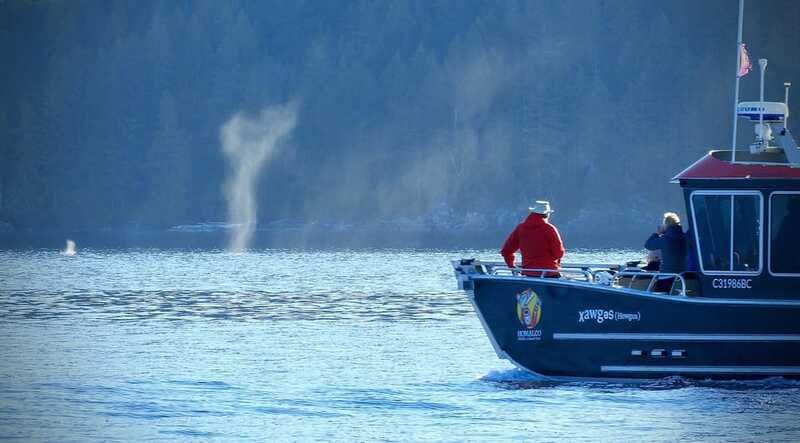
The tour links wildlife viewing with conservation work. Funding supports whale research and salmon restoration, two efforts tied closely to the health of the Salish Sea.
That connection gives the wildlife watch more weight. You are not only hoping to spot an orca. You are learning about a marine area that supports whales, dolphins, seals, eagles, salmon, and the communities that have depended on it for generations.
The crew’s route may change based on conditions and sightings, and that flexibility helps avoid treating wildlife like a scheduled show. Keep your expectations open. The morning may bring a string of sightings, or it may offer one distant whale and a stronger focus on the cultural walk.
The provider also asks anyone who feels ill not to participate, both for their own safety and to protect staff and other passengers. That is especially relevant on a small enclosed boat.
Who should book this tour?
I would choose this outing if you want more than a standard whale-watching cruise. It is a strong fit for you if you value First Nations interpretation, small groups, hands-on learning, and a boat with shelter from cold weather.
Families with children aged 10 and older can enjoy it, provided everyone can manage the five-hour schedule and uneven 2-kilometre walk. Couples and solo visitors may appreciate the intimate group size and the chance to ask questions without competing with a busload of people.
I would think twice if your only goal is to see an orca up close. No responsible operator can promise that, and whale sightings may be distant or absent. I would also reconsider if you have serious back problems, cannot manage slippery or uneven ground, or dislike cold boat rides.
You can cancel for a full refund up to two days in advance. If poor weather or another unforeseen problem forces the provider to cancel, you also receive a full refund. The activity requires a signed waiver before departure.
My verdict: book it for the whole experience
The best reason to book People Water Land is the balance. You get a serious wildlife outing, but the day does not end with a checklist of animals. You also walk through Aupe, hear Homalco stories and language, work with cedar bark, and learn how your fare supports cultural and environmental programs.
At $272 per person, it is not a casual budget activity. Yet the price covers five hours, a small group, two staff members, lunch, snacks, beverages, a heated boat with a toilet, and a cultural visit that would be difficult to arrange independently.
Book it if you want the Salish Sea to feel like a living place with people, memory, and responsibility attached to it. Skip it if you need guaranteed close whale sightings or an easy, paved walk. For the right visitor, this is one of the more thoughtful ways to combine wildlife and First Nations culture near Campbell River.
FAQ
Where does the tour depart from?
The tour departs from Campbell River. Meet at the tour office and gift shop near the marina, and park in the Tyee Plaza Shopping Centre parking lot, avoiding spaces designated for the Coast Discovery Inn.
How long does the experience last?
The excursion lasts five hours. The listed morning schedule runs from 7:00 a.m. to 12:00 p.m., with check-in before departure.
What wildlife might I see?
You might see orcas, humpback whales, white-sided dolphins, sea lions, harbor seals, bald eagles, and possibly a resident black bear near Aupe. Sightings depend on weather and animal activity.
Is whale watching guaranteed?
No. Wildlife sightings are not guaranteed, and the route and timing may change according to conditions and sightings.
What is included in the price?
Lunch, snacks, beverages, and live commentary from a First Nations guide are included.
Is the boat covered?
Yes. The vessels have heated, covered indoor seating, outdoor open seating, and toilet facilities.
How old must children be to join?
The minimum age is 10. Participants aged 10 to 17 must be accompanied by an adult aged 18 or older.
How difficult is the walking portion?
You should be fit enough to walk about 2 kilometres on trails that may include slippery rocks and uneven ground. Hiking shoes are required, and the tour is not suitable for people with back problems.
Just added around Canada
- Victoria: Whale and Wildlife Semi-Covered Boating Tour★ 4.8 · 51 reviews
- Victoria: Sunset Whale Watching Tour on Semi-Covered Boat★ 4.8 · 8 reviews
- Victoria Waterfall, Skywalk, Beach Picnic, Castle and Whales★ 4.9 · 7 reviews
- Victoria BC: 3-Hour Whale Watching Expedition★ 4.4 · 177 reviews
- Victoria, BC: 3-Hour Ultimate Whale & Marine Wildlife Tour★ 4.6 · 191 reviews
- Victoria: Morning Whale-Watching Tour in Scarab Boat★ 4.9 · 39 reviews
- Vancouver: Day Trip to Victoria Seaplane with Whale Watching★ 4.5 · 109 reviews
- Victoria: Whale Watching Adventure in a Zodiac Boat★ 4.5 · 129 reviews
Campbell River Whale Watching Tours, compared.
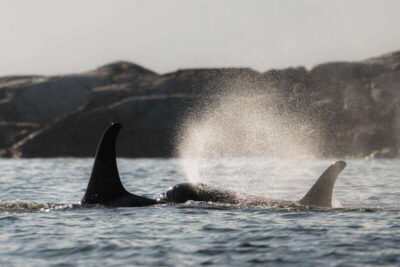
Campbell River: Whale & Wildlife Discovery Cruise
Read our review →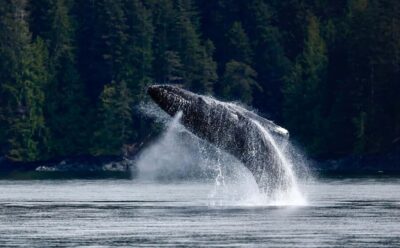
Campbell River: 4 Hour Whale & Wildlife Zodiac Boat Tour
Read our review →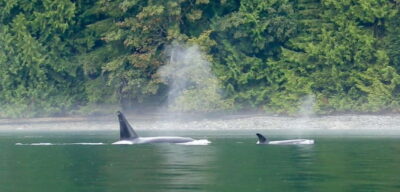
Campbell River: Salish Sea Whale Watching Adventure
Read our review →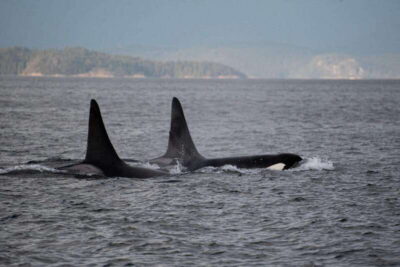
Campbell River: 6-Hour Whale Watching Boat Tour
Read our review →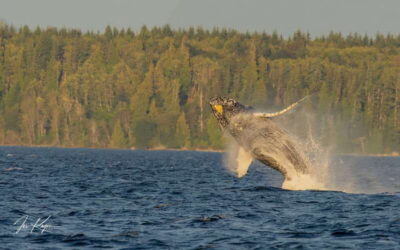
Campbell River: 6 Hour Zodiac Whale Watching Tour w/ Lunch
Read our review →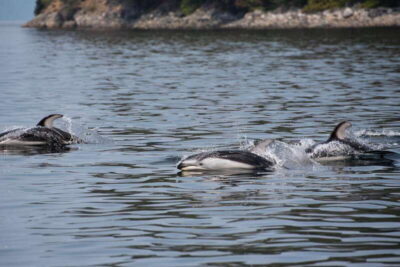
Campbell River: Whale Watching and Wildlife Viewing Day Tour
Read our review →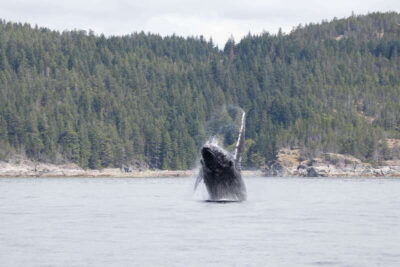
Campbell River: Whale Watching Cruise with Lunch
Read our review →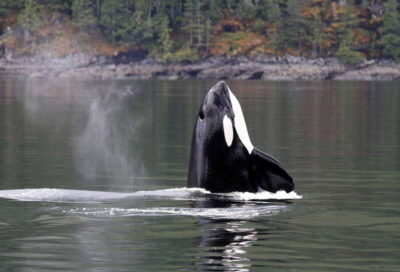
Campbell River: 6 Hour Covered Whale Watching Tour w/ Lunch
Read our review →Browse the lists this tour appears in