
REVIEW · SAN JUAN ISLANDS WHALE WATCHING TOURS
Orcas Island Whale Watching
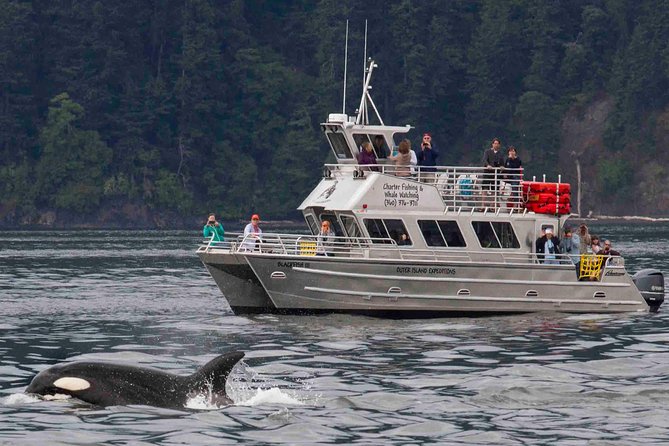
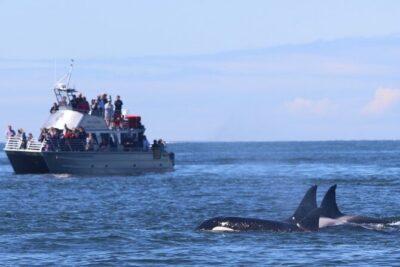
The San Juan waters reward patience. This Orcas Island whale-watching cruise combines small, fast boats with a strong chance of seeing whales, and I like the way the crew keeps the trip focused on wild animals rather than a staged show. I also like the setting: you are moving through the San Juan and Canadian Gulf islands, with chances for orcas, humpbacks, seals, sea lions, otters, and bald eagles.
The main drawback is the ferry. This tour leaves from Orcas Island, not Seattle, so reaching the dock takes planning and extra money if you are not already on the island. A second consideration is that the best sightings can require a long run across open water, which is exciting for some people and tiring for young children or anyone who dislikes boat rides.
Key points to know before you book
- Whales are seen on 98 percent of tours: The operator reports a very high sighting rate, though no wildlife trip can promise a particular species or close view.
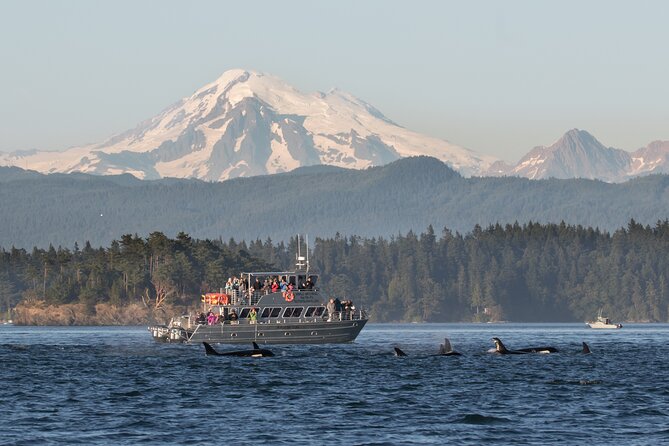
- The boat holds no more than 30 people: That keeps the trip more personal than a large harbor cruise and gives you a better chance to hear the guide.
- Orcas are the main prize, not the only one: Humpbacks, gray whales, minke whales, porpoises, seals, sea lions, otters, and seabirds may all appear.
- Plan around Washington State ferries: You must already be on Orcas Island, or choose an Anacortes departure instead.
- Pack warm layers: Even on a sunny day, the boat can feel cold, especially during a long search.
- The $119 price buys a focused half-day outing: The fee includes the guide, high-speed vessel, roughly three to four hours on the water, tax, and applicable fees.
Why this Orcas Island cruise is worth considering
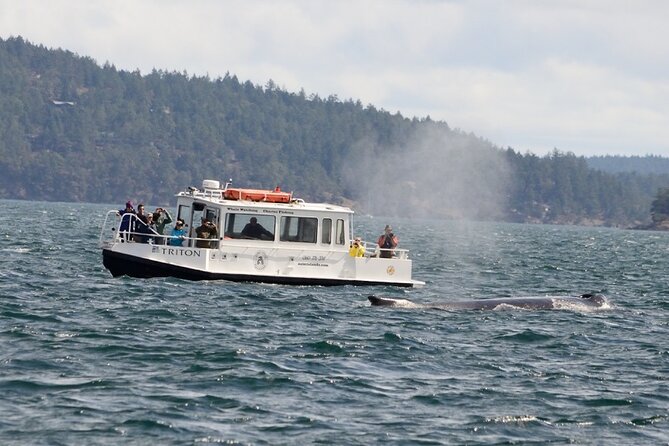
I like this trip because it puts you in the middle of a working marine environment. You are not visiting an aquarium or watching animals perform. The boat moves through the San Juan Islands and Canadian Gulf islands, looking for animals that choose their own route and pace.
That freedom is also the source of the uncertainty. A pod may surface near the boat, or the captain may need to travel a long way to find whales. One outing reached far toward Vancouver to locate humpbacks, and the long ride tested the patience of a family with young children. Another group waited roughly an hour and a half before the crew received word of orcas farther north, then enjoyed views of about twelve animals.
The operator says whales appear on 98 percent of tours. That is an impressive figure, but it does not mean every trip delivers orcas, breaching whales, or a close encounter. You could see humpbacks or minke whales instead, or spend much of the trip watching seals and seabirds. Those are still genuine wildlife sightings, but it helps to set your expectations before you leave the dock.
More Orca Watching Tours in the USA
- Orca Cove Sea Kayaking
★ 5.0 · 322 reviews - Kenai Fjords Orca Quest Cruise
★ 5.0 · 137 reviews - Seward: Resurrection Bay Orca Quest Cruise
★ 4.8 · 66 reviews
Starting at Rosario Road on Orcas Island
The meeting point is 1608 Rosario Road, Eastsound, Washington. Check-in begins 30 minutes before departure, so give yourself time to arrive, confirm your booking, and handle any required preparation without rushing.
The important detail is the island location. Orcas Island can only be reached by the Washington State Ferry System. If you are staying on the island, this is straightforward. If you are coming from Seattle or the mainland, the ferry becomes part of the day and can be the hardest piece to manage.
Do not treat this as a simple Seattle excursion. The experience is described as whale watching near Seattle, but this specific departure starts on Orcas Island. If your group is not already there, the operator recommends using its Anacortes departure location. That option may fit your plans better than trying to combine a mainland visit, a ferry crossing, island driving, and a fixed boat departure.
Ferry timing matters in both directions. One family nearly lost its outing after misjudging the ferry system, and staff worked hard to help make the trip possible. That kindness is useful, but I would not count on a last-minute rescue. Build a generous cushion around the boat schedule.
What the first hour on the water feels like
Once the boat leaves, the trip becomes a search rather than a fixed sightseeing route. The high-speed vessels are smaller than the large whale-watching boats used in some ports, and the maximum group size is 30 people.
That size matters. You are more likely to hear the captain and naturalist, ask a question, and move your attention quickly when an animal surfaces. The boat also gives the crew flexibility to cover more water when a sighting report comes in.
The opening section may include views of the islands, channels, and working waters of the San Juan region. The crew explains local wildlife and the shape of the islands as you move. Captains and naturalists named in the trip reports include Phil, Elliot, Drew, Trevor, Ginny, Sheila, Liberty, Sophia, Gabe, and others. The exact crew changes, but the pattern is consistent: the captain handles the boat and route while a second crew member identifies animals and explains what you are seeing.
This is not a quiet sightseeing launch. The boat may travel quickly across open water, and the group may spend time scanning rather than watching a constant stream of wildlife. You should be comfortable with an active search and with the possibility that the captain will change course after new information arrives.
Searching the San Juan and Canadian Gulf islands
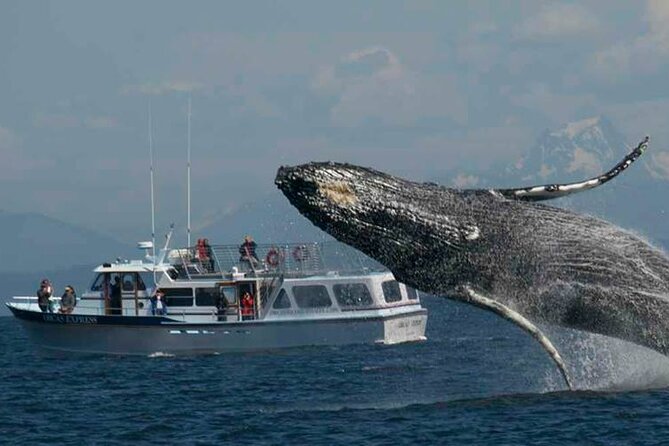
The heart of the trip is the search area. The boat may remain near Orcas Island, or it may travel farther through the San Juan Islands and into the Canadian Gulf islands. The crew searches for resident killer whales, humpbacks, gray whales, and minke whales.
The word resident matters here because orcas use these waters as part of their natural range. Seeing them in this setting can feel very different from seeing a whale from shore. You are watching a family group or individual animal decide where to travel, surface, feed, and disappear.
The crew may also follow reports from other boats. Captain Phil, for example, changed course after receiving news of whales farther north and reached a group of about twelve orcas. Another trip found two brother orcas and followed them for several hours. These details show why the itinerary cannot be reduced to a neat list of stops. The route is shaped by animal movement and current information.
That flexibility is a strength, but it creates uneven days. A long run can lead to a spectacular reward, such as orcas and humpbacks on the same trip. It can also mean less time near Orcas Island and more time crossing open water. If you have young children, motion sensitivity, or a tight ferry connection, keep this tradeoff in mind.
Same water, a different way to meet them:
- Juneau Wildlife Whale Watching
★ 5.0 · 7,379 reviews - Juneau Wildlife Whale Watching & Mendenhall Glacier
★ 5.0 · 6,236 reviews - Boston: City Cruises Whale Watching Cruise
★ 4.5 · 4,710 reviews - Whale Watching Tour in Gloucester
★ 5.0 · 4,460 reviews
The wildlife you might see beyond orcas
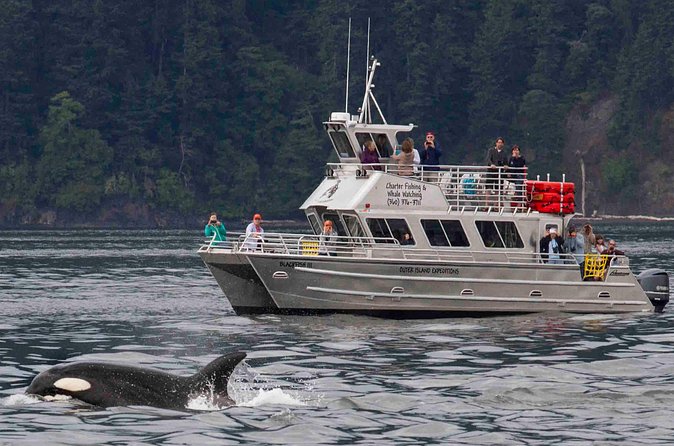
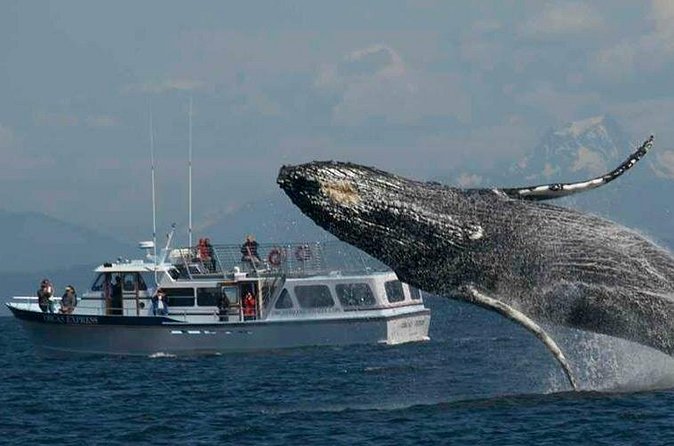
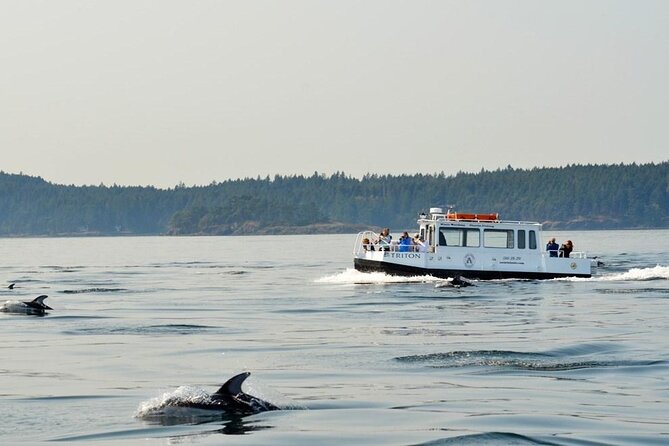
Orcas get the attention, but I would not judge the trip only by the killer whale count. Several outings included a useful mix of animals: minke whales, humpbacks, gray whales, stellar sea lions, harbor seals, porpoises, sea otters, bald eagles, and seabirds.
One family saw seals, sea lions, orcas, and bald eagles. Another saw a gray whale, harbor seals, and a sea otter. A separate outing produced three whale species, orcas, humpbacks, and minke whales, along with sea lions and a bald eagle.
These sightings give the trip more depth. The naturalist can point out how different animals use the water, and the captain may position the boat to give several parts of the group a view. The crew has also been praised for checking on people’s comfort and helping those who could not move easily. In one case, the captain made sure older passengers seated inside could still see whales and orcas.
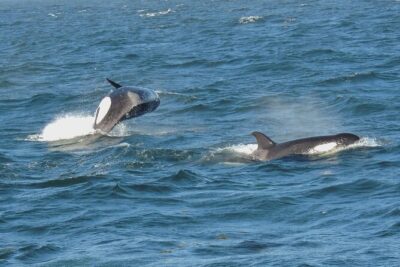
You may also encounter scenes that are more intense than a simple surface view. One outing included an orca hunt and kill. That is a powerful look at wild behavior, but it may not suit every child or every adult. The animals are not performing for the boat, and nature can be dramatic.
The orca sightings and what makes them special
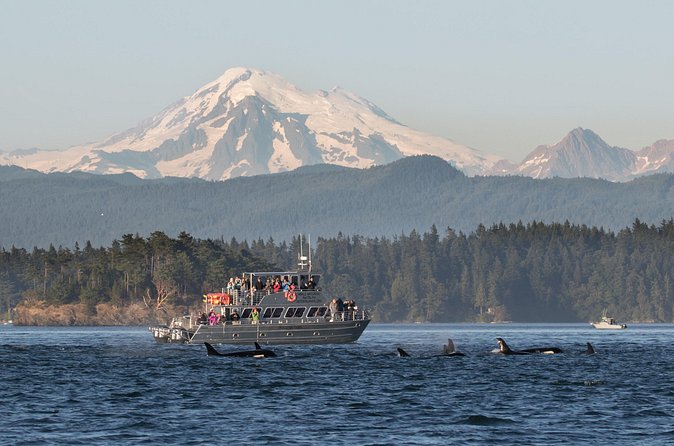
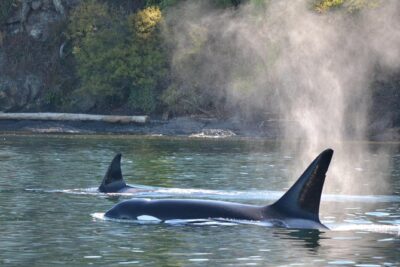
The best moments come when the search pays off. Guests have seen two male orcas, a pod of about twelve, brother orcas, and larger groups moving through the water. One group described the boat being surrounded by orcas, while another watched an orca pod along with a humpback.
You should keep your camera ready, but do not spend the whole trip staring at a screen. Orcas surface quickly, and the naturalist may identify individuals or explain what the animals are doing. The crew may also offer to take photos of your group, which lets you watch the water instead of trying to frame every moment yourself.
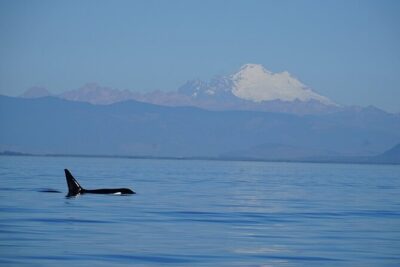
The quality of the sighting will vary. You might see a dorsal fin at a distance, or several animals surfacing near the boat. A long wait does not guarantee an excellent view, but the crew’s persistence is an important part of the experience. Multiple outings describe captains continuing the search until they found whales, even on cold days or late in the season.
That persistence is one of the strongest reasons to book with realistic expectations. You are paying for time, a capable boat, experienced guidance, and access to a large search area. You are not buying a guaranteed performance.
Guides, captains, and the small-boat advantage
The crew receives some of the strongest praise attached to this experience. Names that come up include Captain Chaz, Corrina, Phil, Gabe, Elliot, Kate, Ginny, Beau, Sheila, Drew, Sean, Sophia, Katie, Scott, Becca, Trevor, Tiffany, and Liberty.
I would especially value the naturalist’s role. A good naturalist turns a distant fin into a useful lesson about the animal, its family, or the surrounding islands. Ginny was praised for her enthusiasm, Sheila for identifying orcas and explaining the islands, and Liberty for making the trip friendly and informative. The exact person on your boat will vary, but the experience depends heavily on this second crew member.
The smaller vessel helps in several ways. With no more than 30 people, the crew can speak to the group without shouting across a packed deck. You also have fewer bodies blocking your view. The high-speed boat can cover ground when a whale report comes in, though speed also means a brisker ride and more exposure to wind.
The boat is described as comfortable and stable, but several people still advised bringing a jacket. I would wear layers, even on a warm, sunny day. A waterproof outer layer is sensible because the wind on open water can change how the temperature feels.
Is $119 a fair price?
At $119 per person, this is not a cheap add-on, especially once you include ferry costs, island transportation, food, and perhaps an overnight stay. Still, the price is reasonable for a three to four-hour wildlife outing on a high-speed boat with a professional guide and a group capped at 30 people.
The value improves if you care about expert interpretation and a better chance of covering a broad search area. You are not simply paying for a boat ride around Orcas Island. You are paying for the crew’s ability to monitor sightings, alter the route, identify wildlife, and keep looking.
The value is less clear if you are already in the area only briefly and must spend much of the day reaching the departure point. A mainland visitor may find the Anacortes option more practical. An island-based visitor gets the best logistical fit and can treat the cruise as the centerpiece of the day.
Washington State sales tax of 8.1 percent and applicable fees are included in the stated price. That makes budgeting easier, though it does not cover your ferry or other travel costs.
Who will enjoy this most
I would recommend the cruise to families with older children, couples, solo visitors, and anyone who enjoys wildlife more than a tightly scripted tour. Children have had memorable experiences seeing pods of orcas and humpbacks, and most people can participate.
It is also a good choice for someone who has lived around Puget Sound for years but never managed to see wild orcas. The crew’s search skills can give you a better chance than simply hoping to spot one from a shoreline viewpoint.
I would be more cautious if you have very young children, limited time between ferries, or a strong dislike of cold, wind, and open-water travel. The tour may spend a long time reaching whales, and the most rewarding sighting could happen late in the outing.
Service animals are allowed. Children must be accompanied by an adult. Confirmation arrives at booking, and the experience ends back at the meeting point.
Cancellation, weather, and the booking decision
The experience is non-refundable and cannot be changed after booking. That makes ferry planning and weather checks important before you commit.
The operator can cancel for poor weather or if the minimum number of participants is not reached. In those cases, you are offered another date or experience, or a full refund. Since whale watching depends on conditions at sea, this protection matters, but it does not remove the need to plan carefully.
I would book this tour if seeing wild orcas is high on your Orcas Island wish list and you can give the day room to breathe. Arrive early, plan the ferry first, wear warm layers, and accept that the crew may need to travel far before finding whales.
I would skip this particular departure if you are staying on the mainland with no flexible ferry schedule. In that case, choose an Anacortes departure if available. For everyone else, the combination of small groups, fast boats, strong wildlife coverage, and persistent crews makes this a solid way to experience the San Juan waters.
FAQ
Where does the Orcas Island whale-watching tour depart?
The tour departs from 1608 Rosario Road in Eastsound, Orcas Island, Washington, and returns to the same meeting point.
How long does the tour last?
The outing lasts approximately three to four hours, with the listed duration around three hours and 30 minutes.
How do I reach Orcas Island for the tour?
Orcas Island can only be reached by the Washington State Ferry System. If you are not already on the island, the operator recommends using its Anacortes departure location.
How likely is it that I will see whales?
The operator reports whale sightings on 98 percent of tours. The specific species and viewing conditions vary, and seeing orcas is not guaranteed on every departure.
What animals might I see besides orcas?
Possible wildlife includes humpback, gray, and minke whales, porpoises, seals, sea lions, seabirds, sea otters, and bald eagles.
How many people can join the boat?
The tour has a maximum of 30 participants.
Can I cancel for a refund?
The experience is non-refundable and cannot be changed for any reason. If the operator cancels because of poor weather or because the minimum number of participants is not reached, you are offered another date or experience, or a full refund.
Just added around the USA
- Newport Beach: Year-Round Whale Watching Cruise★ 4.2 · 151 reviews
- Juneau: Mendenhall Glacier and Whale Watching Tour★ 4.6 · 98 reviews
- Oahu: Waikiki Eco-Friendly Morning Whale Watching Cruise★ 4.4 · 119 reviews
- West Oahu: Eco-Friendly Whale Watching Cruise★ 4.5 · 40 reviews
- Whale Watch Sail Ma’alaea★ 4.9 · 27 reviews
- Whale and wildlife watching Private and Semi-Private tours★ 5.0 · 2 reviews
- Oahu: Waikiki Eco-Friendly Afternoon Whale Watching Trip★ 4.5 · 60 reviews
- Waikiki: Sunset Whale Watching with 2 Drinks (BYOB-Friendly)★ 4.3 · 34 reviews
San Juan Islands Whale Watching Tours, compared.

Cafes and Kayaks: Full Day Kayaking Adventure on Orcas Island
Read our review →Browse the lists this tour appears in