
REVIEW · WHALE WATCHING
Whales & Humboldt Penguins: Chañaral or Damas island hiking
Wild coast, wild animals, long day. This 10-hour trip from La Serena reaches the islands off Punta de Choros, where you may see Humboldt penguins, sea lions, otters, dolphins, whales, seabirds, and cactus-covered shores. I like the mix of wildlife and local culture, especially the stories of the Changos, Choros, and Camanchaca fishing peoples. I also like that the $280 price includes transport, a bilingual guide, the marine reserve ticket, boat travel, lunch, and a drink.
The main caution is time. The road journey takes much of the day, and the boat outing depends on wind, tides, and waves. Some departures have produced a magical whale sighting, while others have seen only a few penguins and seals. Lunch can also feel hurried if the boat schedule runs late.
For the right person, this is a memorable full-day outing into one of northern Chile’s most unusual coastal areas. Come for the setting and the chance of wildlife, not a guaranteed whale show.
Key points to know before you book
- A full day from La Serena: Expect 10 hours from pickup to drop-off, with a long drive through fishing villages, desert scenery, and rural settlements.
- Wildlife is never guaranteed: Humboldt penguins, sea lions, otters, seabirds, dolphins, and whales are possible, but sightings vary with conditions.
- Two very different worlds meet here: Green coastal country from the Coquimbo region gives way to the beginning of the Atacama Desert.
- The boat ride is the main event: You travel from Punta de Choros toward Isla Choros and Isla Damas, with safety instructions before departure.
- Lunch is included but timing can be tight: You receive a starter, main course, dessert, and a drink in Los Choros, but the 70-minute break may not always feel generous.
- Bring warm layers: Even on a sunny day, wind on the water can be cold. The tour is not suitable for people prone to seasickness or with significant mobility, back, or epilepsy concerns.
Why this coast is worth the long road from La Serena
The trip begins in La Serena and heads north through a part of Chile that changes quickly. The coast near the city has a greener feel, while the road toward Punta de Choros enters drier country shaped by desert, wind, and sparse vegetation.
That transition is one of the best reasons to take the road journey. You are not simply being driven to a boat dock. You are crossing the meeting point between the green north of Coquimbo and the start of the Atacama, the driest desert in the world.
The route also carries a human story. The area has been shaped by shepherds, farmers, miners, coastal fishers, divers, and seaweed collectors. The Changos, Choros, and Camanchaca peoples developed a close relationship with the sea, including fishing rafts made from sea lion skin. Your guide may connect the rocky coves and island passages with that older way of life.
I especially value this cultural layer because it gives the scenery meaning. The islands are not just pretty rocks covered with birds. They are part of a coastline used for food, trade, travel, and survival for generations.
More Hikes and Treks in the world:
- Port Stephens, from Newcastle: Whales, hike & sand dunes!
★ 5.0 · 4 reviews - Port Stephens, departing Newcastle – Whales, hike & sand dunes!
★ 5.0 · 3 reviews
Punta Teatinos begins the scenic route
The first stop is Punta Teatinos, a short scenic pause of about five minutes. It is not a major activity, but it helps set the tone for the day with coastal views before the road heads farther north.
Do not expect a long walk here. The value is in getting a first look at the open coast and hearing the guide explain what lies ahead. Since the stop is brief, keep your camera ready and avoid wandering far from the vehicle.
Juan Soldado and the stories of the old road
At the Antiguo Puente Juan Soldado, you have around 10 minutes for photographs, a short visit, and more explanation from the guide. This stop adds a historical note to a day that could otherwise become only a wildlife outing.
The place is tied to the older routes through the region, and the name itself carries local legend and memory. Your guide may have different details depending on the departure, but the stop gives you a chance to connect the modern road with the people who crossed this country before tourism became part of the local economy.
It is also a useful stretch of the legs. With several stops before the boat, these short pauses help break up the drive.
Caleta Los Hornos shows working coastal Chile
Caleta Los Hornos is a small fishing cove where you spend about 10 minutes sightseeing and hearing about the coast. The stop is short, but it gives you a glimpse of the fishing communities that still define this part of Chile.
I like this kind of pause more than a quick roadside viewpoint. A working cove tells you something about local life. Boats, fishers, and the shape of the harbor explain why settlements developed here in the first place.
The schedule does not leave time for a long independent visit. Think of it as an introduction rather than a full village tour.
A few more whale watching trips around the world worth a look
- Tenerife: Eco-Yacht Whale and Dolphin Watching and Swimming
★ 4.7 · 15,619 reviews - Los Cristianos Respectful No-Chase Whale and Dolphin Safari
★ 4.6 · 12,782 reviews - Reykjavík: Whale Watching and Marine Life Cruise
★ 4.6 · 9,838 reviews - From Funchal: Ecological Catamaran Dolphin Whale Watching
★ 4.5 · 8,204 reviews
La Higuera and Quebrada de los Choros
The route continues through La Higuera, with about 20 minutes for sightseeing and interpretation. This inland section helps you see how quickly northern Chile changes from coastal settlements to dry open country.
At Quebrada de los Choros, you get another roughly 20-minute stop, with time for photos, wildlife watching, and a little freedom to look around. The scenery here is especially useful for understanding the border between the greener Coquimbo region and the desert farther north.
Keep your eyes open during the drive, too. Several departures have included sightings of guanacos, wild donkeys, llamas, or foxes close to the road. These are chance encounters, not a formal wildlife stop, so the guide may pull over when something interesting appears.
That flexibility can be a real strength. Martin, Christopher, and other guides have been praised for stopping when something unusual appeared and explaining it to the group. Christopher, in particular, received strong praise for both his driving and the wildlife spotting along the road.
Punta de Choros is the gateway to the islands
Punta de Choros is the main launching point. Here you receive a safety briefing, take a break, and board the boat. The stop is scheduled for about 20 minutes before the island outing begins.
This is the moment to add a warm layer, secure your phone, and use the facilities if available. The boat ride is exposed to wind, spray, and motion. Even if the sun is strong on land, the sea can feel chilly.
The operator describes about two hours of navigation among fishing coves, islands, and beaches. The detailed day plan gives one hour around Isla Choros and one hour around Isla Damas, while the full time on the water can vary with conditions and the route taken.
Do not confuse this with a calm harbor cruise. The boat is taking you into open coastal water, and the crew must respond to waves, wind, tides, and wildlife. A smooth day can feel thrilling. A rough day can be tiring, especially if you are prone to seasickness.
Isla Choros brings the best chance of wildlife
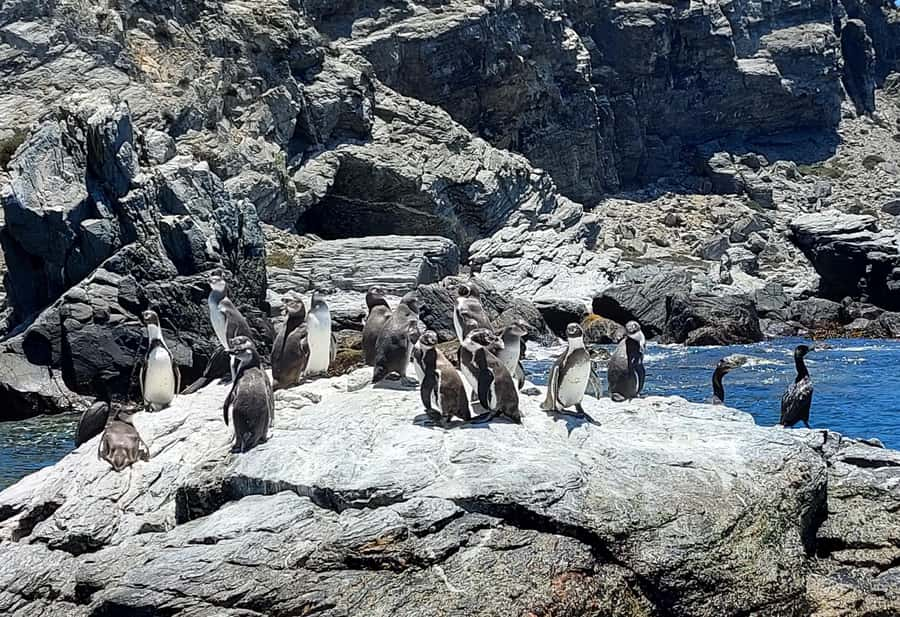
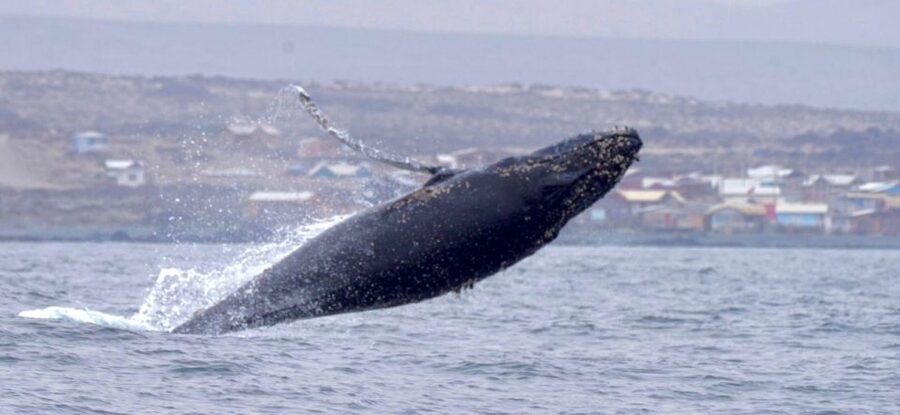
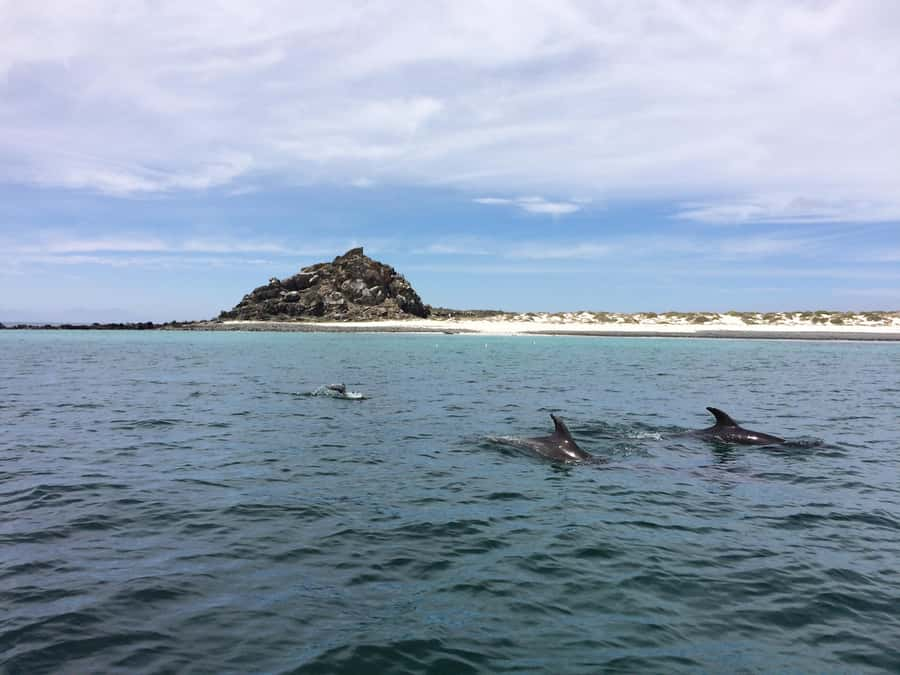
The first major island stop is Isla Choros, with boat sightseeing and wildlife watching. This is where you have a chance to see Humboldt penguins, sea lions, sea otters, dolphins, whales, and large numbers of seabirds.
Humboldt penguins are the headline animal, but they are only part of the show. The rocky island edges also support sea lions and marine birds, while dolphins or whales may appear in the surrounding water.
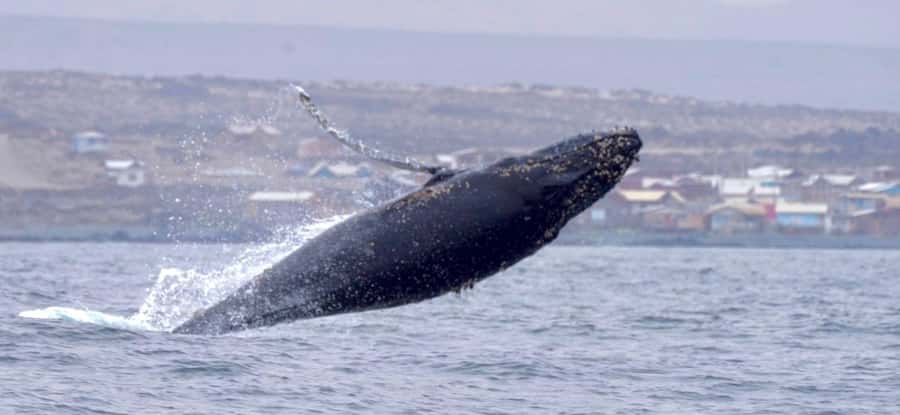
The word may matters here. One outing produced five Humboldt penguins and little else. Another included sea lions, penguins, otters, birds of prey, dolphins, and whales. The difference comes from nature, not simply from the quality of the guide.
Whale watching is especially unpredictable. Some days bring a close and unforgettable sighting. On other days, the sea remains quiet. If seeing a whale is the only reason you want to go, you are taking a real gamble. If you would be happy with penguins, seabirds, sea lions, desert scenery, and island geology, the odds feel much better.
Isla Damas adds a short walk and beach scenery
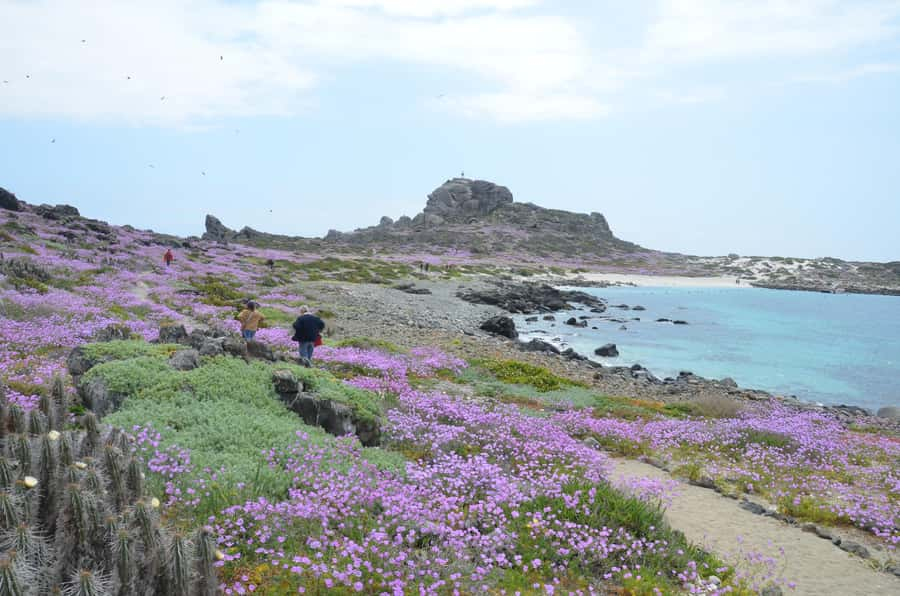
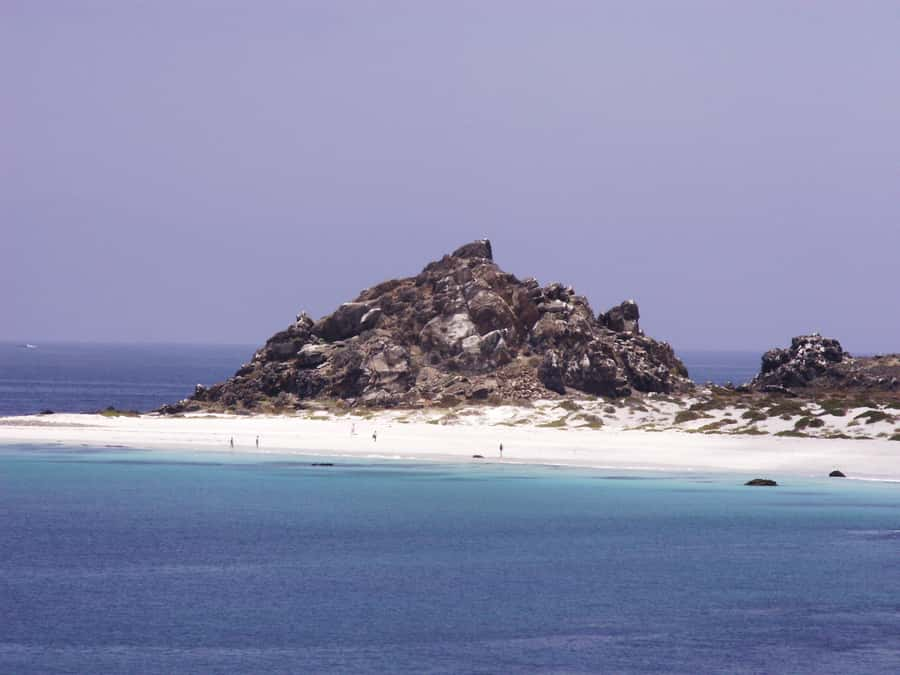
Isla Damas is the more active part of the island visit. The plan includes a stop, a walk, hiking, photography, and free time, with about an hour assigned to the island.
The appeal is the contrast between the dry vegetation, cactus, pale beaches, and dark coastal rock. The islands have unusual forms that local interpretation connects with stone gods and mythological shapes. You get a sense of how wind, waves, and time have shaped this edge of Chile.
Do not expect a long wilderness hike. The scheduled time is limited, and the group must keep to the boat timetable. Wear shoes suitable for walking and bring sun protection, but also carry a warm layer for the return boat.
For many people, Isla Damas will be the most satisfying stop because it lets you leave the boat and experience the island under your own feet. It also gives you a break from watching the horizon for movement.
Los Choros provides lunch, but watch the clock
After the islands, the group returns to Los Choros for a planned 70-minute break. Lunch includes a choice of starter, main course, dessert, and a drink such as wine, water, or a soft drink. Beer and wine are also listed as available with the meal.
The food has generally been considered acceptable to good, with one departure praised for a particularly pleasant lunch and helpful answers from the guide. I see the meal as a useful part of the package rather than the main reason to book.
The timing deserves attention. If the boat arrives late or the restaurant is busy, 70 minutes may not feel like a full relaxed meal. One departure had the last person receiving food only about 10 minutes before departure. If you are slow to eat, tell the guide early and keep an eye on the meeting time.
The included lunch still adds value to the $280 price. You do not have to find a restaurant after a long boat outing, and the meal gives the group a chance to ask questions about the coast and wildlife.
Is $280 a fair price?
At $280 per person, this is not a cheap day trip. The price makes more sense when you add up what is included: pickup and return to your La Serena accommodation, air-conditioned transport, a bilingual English and Spanish guide, the marine reserve entrance, boat travel, lunch, and a drink.
You are also paying for a specialized day with a long route, rather than a simple transfer to Punta de Choros. The guide adds value by explaining the area, spotting roadside animals, and putting the local fishing culture into context.
The value is strongest if you do not have your own car and want one organized day that combines desert scenery, coastal communities, island boating, and wildlife. It is weaker if you only want a short whale-watching trip. The long drive and several brief stops are part of the experience, but they can feel like padding if your only priority is time on the sea.
The package also reduces the usual costs and planning headaches of arranging transport, park access, food, and a boat separately. For an independent visitor who would otherwise need to coordinate all of that, the price is easier to justify.
Weather can change the whole day
This tour needs suitable conditions. Wind, tides, and wave height affect whether the boat can operate and how comfortable the trip will be. Conditions are checked two days before departure, and passengers are informed about the forecast.
That policy is important, but it also means you need flexibility. A sunny morning does not guarantee calm water, and a perfect forecast cannot guarantee whales.
Bring warm clothing, weather-appropriate clothing, and outdoor clothing. I would also carry water, sunscreen, a hat, and a waterproof way to protect electronics, although only the clothing guidance is specifically required.
If you regularly get seasick, this is a poor choice. The tour also says it is not suitable for people with back problems, mobility impairments, or epilepsy. The boat, island walk, and long day on the road require a reasonable level of comfort and independence.
What kind of day should you expect?
You should expect a full day, not a quick excursion. Pickup begins in La Serena, and the return is also to your accommodation there. The air-conditioned vehicle helps with the long road sections, but you will still spend many hours sitting.
The mood changes throughout the day. The road portion is best for scenery, local stories, and chance sightings. The boat portion brings the main excitement. Isla Damas adds walking and beach scenery. Los Choros gives you food and a final pause before the drive back.
The guide can make a big difference. Strong guides have been praised for giving information about land and people, stopping for animals, and staying engaged with questions. English and Spanish are offered, though the depth and style of interpretation may vary between guides.
The overall experience is best approached with patience. Some departures deliver whales and a long list of animals. Others produce a handful of penguins and seals. The coast remains worthwhile, but your expectations should match the uncertainty of wild nature.
Should you book this island and wildlife tour?
Book it if you want an ambitious day from La Serena that joins wildlife, island scenery, and coastal culture. It is a good fit for people who enjoy road scenery, local stories, boat travel, and the possibility of surprise sightings. The included transport, park ticket, lunch, and guide make the price reasonable for a fully arranged day.
Skip it if you need guaranteed whale sightings, dislike long drives, get seasick, or want a slow lunch and plenty of unstructured time. You should also think twice if mobility, back, or seizure concerns make a boat and island walk difficult.
My practical advice is simple: choose a day with a flexible schedule, bring serious warm layers, and treat the whales as a bonus. The penguins, sea lions, cactus, fishing coves, desert views, and unusual human history are enough to make the outing worthwhile, even when the biggest animals stay out of sight.
FAQ
Where does the tour begin and end?
Pickup and drop-off are provided at your accommodation in La Serena.
How long does the experience last?
The tour lasts 10 hours, including transport from La Serena, the coastal stops, boat travel, the island visit, lunch, and the return journey.
Which languages are available?
The tour is offered with a live guide in English or Spanish.
Is lunch included?
Yes. Lunch in Los Choros includes different starter, main course, and dessert choices, plus a drink such as wine, water, or a soft drink.
Can I see whales and Humboldt penguins?
You may see both, along with sea lions, sea otters, dolphins, and seabirds. Sightings depend on weather, sea conditions, and the animals’ location, so none are guaranteed.
What should I bring?
Bring warm, weather-appropriate outdoor clothing. This is especially important for the boat ride, where wind and spray can make conditions feel colder than on land.
Just added around the world
- Newport Beach: Year-Round Whale Watching Cruise★ 4.2 · 151 reviews
- Juneau: Mendenhall Glacier and Whale Watching Tour★ 4.6 · 98 reviews
- Wilsons Promontory: Whale Spotting Cruise with Lunch★ 4.9 · 20 reviews
- Wismar: Electric Boat Tour past Whale Island with Poel Stop★ 4.3 · 91 reviews
- From Punta Canta: Whale Watching Cruise with Cayo Levantado★ 3.9 · 7 reviews
- Oahu: Waikiki Eco-Friendly Morning Whale Watching Cruise★ 4.4 · 119 reviews
- Madeira : Whales and Dolphins wooden boat excursion★ 4.1 · 247 reviews
- Whale Watching Tour with Transfers★ 3.6 · 4 reviews