
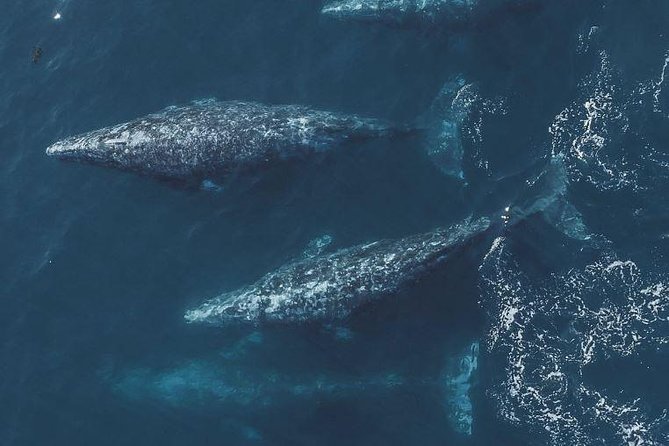
REVIEW · MONTEREY WHALE WATCHING TOURS
4 Hour Whale Watching Tour From Monterey
Whales make Monterey mornings unforgettable. This 3.5-hour cruise from Old Fisherman’s Wharf puts you in Pacific waters with marine biologists and naturalists who explain what you are seeing, how the bay works, and why whales gather here. I like the strong focus on wildlife education, and I like that the crew collects sighting data for scientific research while you watch.
I also value the small maximum group size of 30 people, which gives you a better chance of finding a clear viewing spot. The main drawback is the ocean itself: conditions can turn rough, especially as autumn gives way to winter, and seasickness affected some passengers even after they took medication.
Key points to know before you book
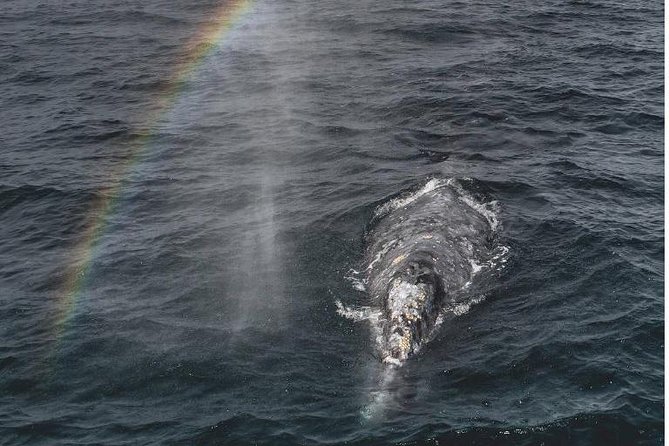
- Humpback whales are the most frequent headline sighting, but gray whales, blue whales, orcas, dolphins, sea lions, sea otters, birds, and other species may appear.
- The boat leaves at 9 a.m., so arrive at 66 Fishermans Wharf 30 to 45 minutes early for check-in.
- Plan on a genuine ocean outing, not a calm harbor ride. The water can be very choppy beyond Monterey Bay.
- Naturalists do more than point at fins. They explain marine biology, local geography, conservation, and photo techniques.
- The group is capped at 30 people, a useful advantage when you want space at the rail or a clear camera angle.
- Coffee and tea are included, while snacks, soda, water, and alcoholic drinks are available to buy.
Why Monterey Bay is such a strong whale watching base
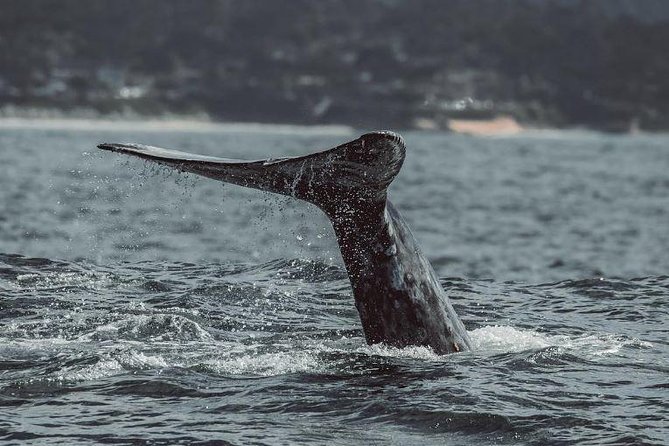
Monterey Bay is a premier whale watching area because marine life is often present throughout the year. The bay’s waters support feeding areas for whales and large groups of dolphins, sea lions, seabirds, and other animals.
That does not mean every trip produces the same show. Wildlife is wild, and sightings can change from one morning to the next. One outing may bring close humpback activity, while another may offer more dolphins and fewer whales. The crew’s job is to search carefully and explain the behavior, not to manufacture a performance.
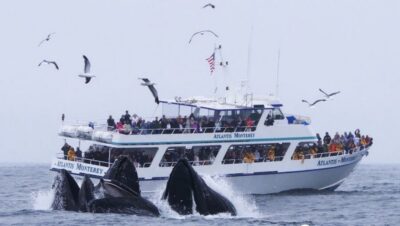
The trips described include humpback whales feeding near the boat, mother and calf pairs, blue whales, Baird’s beaked whales, Pacific white-sided dolphins, sea otters, seals, sharks, sunfish, and orcas. One especially fortunate outing included a feeding zone with hundreds of sea lions, more than a dozen humpbacks, and large numbers of birds feeding on anchovies.
That kind of variety is part of the value. You are not simply paying to see one species. You are spending a morning in a busy marine ecosystem, with the chance to see several forms of life in one trip.
A few more whale watching trips around Monterey worth a look
- Monterey Bay: Whale Watching Tour
★ 4.8 · 2,300 reviews - Monterey: Monterey Bay Dolphin and Whale Watching Boat Tour
★ 4.7 · 1,645 reviews - Monterey Whale Watching Tour
★ 4.5 · 732 reviews
From 66 Fishermans Wharf to open water
Your morning begins at 66 Fishermans Wharf in Monterey. The listed departure time is 9 a.m., but that is when the boat leaves, not when you should arrive. I would treat the requested 30 to 45 minute check-in period seriously, since arriving at the last moment adds needless stress before an ocean trip.
Fisherman’s Wharf is near public transportation, but hotel pickup and drop-off are not included. You need to make your own way to the meeting point and return there after the cruise.
Once aboard, a marine biologist or naturalist and a deckhand help get the group settled. Coffee and tea are included, which is a welcome touch for an early start. You can also purchase chips, candy, soda, water, and alcoholic drinks. The minimum drinking age is 21.
The boat carries no more than 30 people. That is not the same as a private cruise, but it is a manageable size for wildlife watching. You should still expect passengers to move toward the best viewing spots when a whale surfaces.
How the 3.5-hour search unfolds
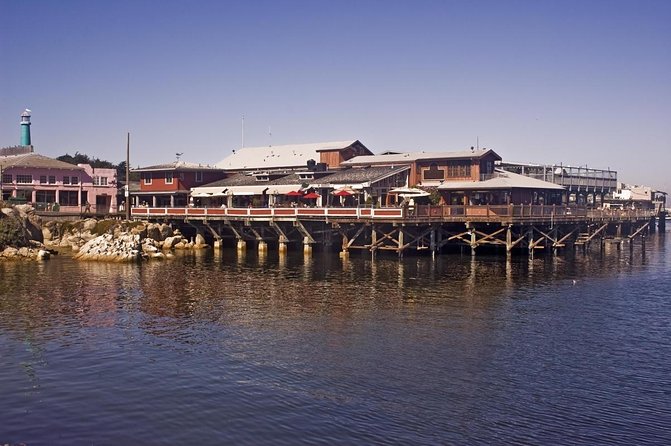
The trip lasts about three hours and 30 minutes, although it is promoted as a four-hour whale watching experience. The boat returns to the original wharf between approximately 12:30 and 1 p.m.
The exact route depends on where the animals are found. There is only one listed stop, Old Fisherman’s Wharf, because the real purpose is the time spent searching and watching offshore rather than visiting several land-based attractions.
At first, the crew helps you learn what to look for. A whale may reveal itself with a blow, a dark back, a dorsal fin, a tail, or a sudden change in the movement of nearby birds. Dolphins can be easier to spot when they travel in groups, while sea lions may gather around productive feeding areas.
The naturalist also explains the local natural history and conservation work. Crew members collect sighting data for scientific research, giving the outing a useful purpose beyond entertainment.
The search may take time. One morning may find whales quickly, while another requires patience before the first sighting. Once animals are located, the boat may pause repeatedly so you can watch, photograph, and listen to the explanation.
The whales and marine life you might see
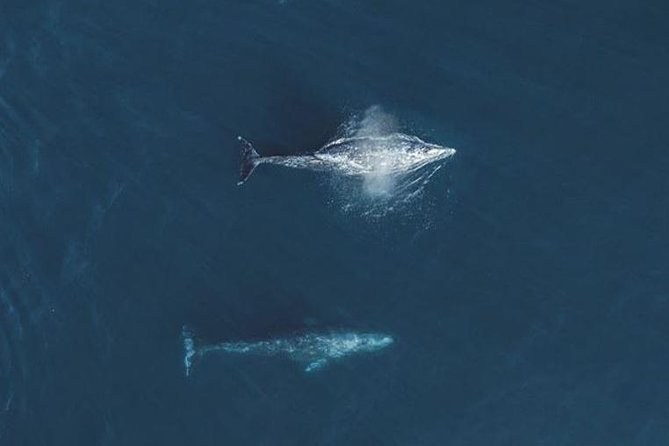
Gray whales are described as the most common whale in the area, but humpbacks are the animals that appear most often in the strongest accounts of these trips. Humpbacks may feed near the boat, surface repeatedly, or remain in one area for a long time.
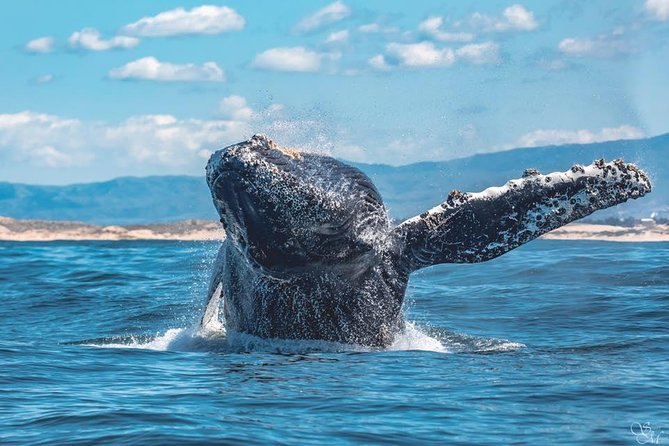
One outing included around 1.5 hours watching feeding humpbacks and sea lions. Another included playful humpbacks spending about 30 minutes near the boat. These are exceptional encounters, not promises, but they show what the bay can offer when conditions and timing come together.
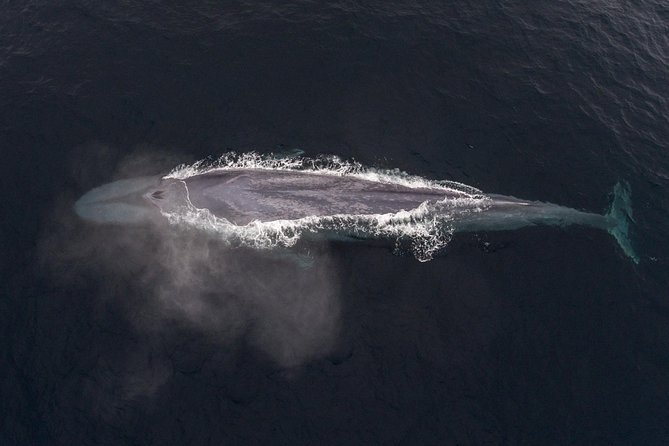
Blue whales have also been seen. A blue whale sighting can be less active than a humpback encounter, but simply identifying one of the world’s largest animals is a major moment.
The possible list extends well beyond whales:
- Orcas
- Dolphins
- Sea lions and seals
- Sea otters
- Pacific white-sided dolphins
- Baird’s beaked whales
- Sharks
- Sunfish
- Seabirds
One trip included a pod of killer whales, while another featured two sharks and a sunfish leaping from the water. You should view these as possible bonuses rather than expected stops on a fixed route.
Same water, a different way to meet them:
- Monterey: Sunset Whale Watching Cruise with A Guide
★ 4.7 · 519 reviews - Whale Watching Tour
★ 4.5 · 497 reviews - Monterey: Whale Watching Tour with A Marine Guide
★ 4.7 · 348 reviews - Monterey Bay Whale Watching
★ 4.5 · 316 reviews
What the guides add to the morning
The crew receives unusually strong praise for enthusiasm, care, and clear wildlife explanations. Names specifically associated with memorable trips include Isaiah, Cory, Colby, Ryan, Ivy, Maddie, Maddy, Kalea, and Sophie.
Isaiah is praised for bringing energy to the narration, while Colby is noted for explaining the animals and the setting in detail. Ryan and Ivy are described as attentive and friendly deckhands, and Maddie and Kalea received praise for their help on deck.
The best part of a naturalist-led cruise is that you learn how to watch. Instead of staring at a broad stretch of water and hoping for movement, you receive practical clues about where to look and what behavior means.
The crew also gives advice about taking photos and videos. Some outings included free photos, and guides reportedly stopped several times so people could get better images. That matters because whale watching often gives you only a few seconds to react.
One minor issue appeared on an otherwise well-liked trip: the onboard speakers were difficult to hear. If the boat is noisy or the water is rough, you may need to move closer to the guide when an explanation begins.
The real issue: motion sickness
You should treat seasickness as the main practical risk. Several people became ill on rougher outings, and one particularly wavy trip caused many passengers to vomit. Another passenger took Dramamine and still became sick.
Conditions can change with the season and the day. October and the start of winter were specifically associated with choppier water in the trip accounts, though no date guarantees a calm ride.
If you are prone to motion sickness, take precautions before reaching the dock. The shop sells motion sickness remedies, but it is wise to handle prevention before departure rather than wait until the boat is moving.
A few simple choices can improve your odds:
- Take an appropriate motion sickness remedy before departure.
- Avoid standing at the very front if you are sensitive to movement.
- Bring water and a light snack.
- Wear warm layers and keep an extra layer available.
- Stay attentive to crew instructions if the sea becomes rough.
The boat has been described as small by one passenger, and there was also a concern about limited safe seating during a crowded trip. The maximum group size is 30, but seating and movement can still feel tight when everyone wants the same view.
What to wear and bring
The weather at the wharf can be misleading. A sunny morning on land may feel cold once the boat reaches open water. Wear warm layers rather than relying on one heavy item.
A dry-fit pullover, a heavier jacket, and leggings worked well for one family outing, but another passenger wished for something to place on their lap. The practical answer is simple: bring an extra warm layer or small blanket if you have room.
Recommended items include:
- Sun protection
- A camera or phone
- Binoculars
- Water
- Snacks
- Motion sickness supplies if needed
A phone stabilizer can help with video and photos, particularly when the boat is moving. You should also protect your equipment from spray and avoid spending the entire trip looking at the screen. The best wildlife moments are often brief, and your eyes are faster than your camera.
Children must be accompanied by an adult. Service animals are allowed, and the experience calls for a moderate level of physical fitness. The supplied information does not describe the boat’s full accessibility arrangements, so contact the provider if you have specific mobility needs.
Is $85 a fair price?
At $85 per person, this is not a cheap way to spend a morning, but the price is reasonable for a roughly three-and-a-half-hour wildlife cruise with a marine biologist or naturalist, a deckhand, coffee or tea, and a maximum of 30 passengers.
The value improves when you see extended humpback activity or a mix of whales, dolphins, and sea lions. You are also paying for the crew’s ability to search, identify animals, explain behavior, and gather scientific sighting data.
The value is harder to judge if the sea is rough and the animals remain far away. One passenger saw whales from more than 100 meters and wished for a closer view. That distance may be necessary for safety and for the animals, but it can disappoint anyone expecting guaranteed close-up photographs.
I would compare this price with the importance of the outing in your trip. If seeing whales is a major goal, $85 can be worthwhile even when the sightings are brief. If you are only looking for a casual boat ride, seasickness and variable wildlife may make it a less certain choice.
Who will enjoy this cruise most?
I would recommend it most strongly to people who enjoy nature, photography, marine science, and unscripted experiences. Families with older children and teenagers can have a great time, especially when the crew turns the search into a lesson about animals and the ocean.
Couples may find the trip memorable when whales remain near the boat, but you should not expect a quiet sightseeing cruise. The boat moves through open water, and the excitement often comes with spray, wind, noise, and sudden changes in direction.
This may not suit you if you are highly prone to motion sickness, need a completely calm ride, or want a guaranteed close view of a particular whale species. It may also be less comfortable for anyone who needs spacious seating or has mobility concerns that require advance arrangements.
Booking and cancellation details
The experience is offered in English, and confirmation is provided at booking. It is often reserved well ahead of time, with an average booking lead time of about 34 days, so I would not leave it until the last morning of a Monterey visit if whale watching is important to you.
Free cancellation is available if you cancel at least 24 hours before the start time. Changes or cancellations inside that window are not accepted and are not refunded.
The trip requires suitable weather and a minimum number of participants. If poor weather or low enrollment causes cancellation, you are offered another date, another experience, or a full refund.
Should you book the Discovery Whale Watch cruise?
I would book it if you want a serious wildlife outing rather than a simple harbor ride. The strongest reasons are the skilled naturalist commentary, the small group limit, the chance to see much more than whales, and the crew’s clear enthusiasm for the animals.
Arrive early, prepare for cold and motion, and take seasickness precautions before boarding. If you accept that wildlife sightings and viewing distances cannot be controlled, this cruise offers a strong chance to spend a memorable morning in Monterey Bay, with the added benefit of learning what you are seeing.
FAQ
Where does the whale watching cruise leave from?
The tour starts at 66 Fishermans Wharf in Monterey, California.
What time does the boat leave?
The boat leaves at 9 a.m. Check-in is required 30 to 45 minutes before departure.
How long does the whale watching experience last?
The cruise lasts approximately three hours and 30 minutes. It returns to the wharf between about 12:30 and 1 p.m.
Where does the tour end?
The experience ends back at the original meeting point at Old Fisherman’s Wharf.
What whales might I see?
Gray whales are the most common listed sighting. You may also see humpback whales and blue whales. Orcas and Baird’s beaked whales have also been seen.
What other animals might appear?
Possible sightings include dolphins, sea lions, seals, sea otters, birds, sharks, sunfish, and Pacific white-sided dolphins.
Is food included?
Coffee and tea are included. Chips, candy, soda, water, and alcoholic drinks are available to purchase, but other food and drinks are not included.
How large is the group?
The maximum group size is 30 people.
What happens if the tour is canceled?
If poor weather or failure to meet the minimum number of participants causes cancellation, you can choose another date or experience, or receive a full refund.
Just added around Monterey
- Sunset Whale Watch Tour in Monterey★ 5.0 · 86 reviews
- 3-Hour Whale Watching Tour from Monterey★ 5.0 · 240 reviews
- Monterey Private 3 – 4 Hour Whale Watching Cruise★ 5.0 · 2 reviews
- Afternoon Whale Watch★ 5.0 · 186 reviews
- Monterey: Private Whale Watching/Sailing Tour for 6★ 4.8 · 3 reviews
- Monterey: Whale Watching Cruise★ 4.3 · 179 reviews
- Monterey Bay Whale Watching★ 4.5 · 316 reviews
- Monterey: Whale Watching Tour with A Marine Guide★ 4.7 · 348 reviews
Monterey Whale Watching Tours, compared.
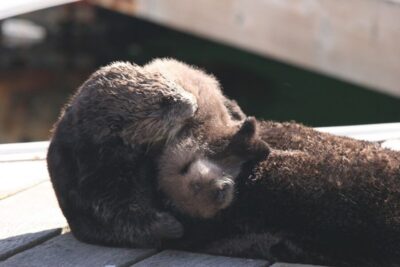
Monterey: Monterey Bay Dolphin and Whale Watching Boat Tour
Read our review →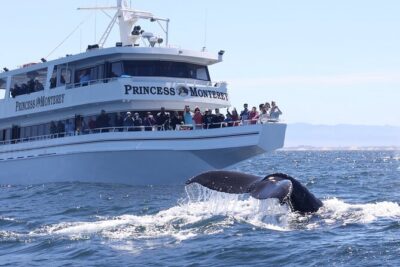
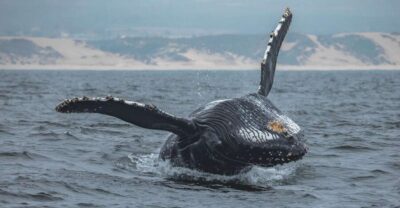
Monterey: Sunset Whale Watching Cruise with A Guide
Read our review →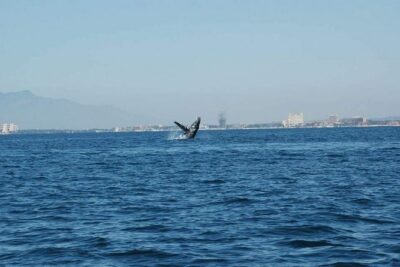
Monterey: Whale Watching Tour with A Marine Guide
Read our review →
Browse the lists this tour appears in