
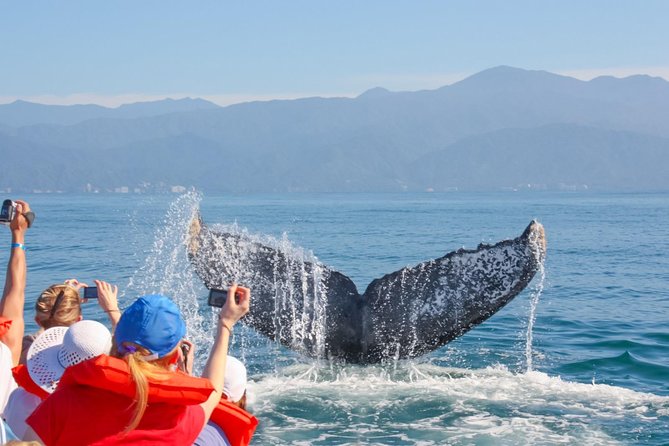
REVIEW · MAUI WHALE WATCHING TOURS
Whale Watching Experience
See Maui from whale level. This two-hour trip leaves straight from Ka’anapali Beach on a small raft-style boat, giving you a low view of Northern Pacific humpback whales. I like the intimate group size, capped at 20 people, and the way the boat lets everyone see without fighting for a rail-side spot. I also like the crew’s strong focus on whale behavior and safe viewing.
The main catch is the beach boarding. You may ride a small dinghy from shore to the raft, then repeat the process at the end. It can be awkward for children or anyone with limited mobility, and you should expect to get wet. Still, at $102.20 per person, this is a fair price for a small-group wildlife trip with drinks, a covered boat, and a real chance at close whale encounters.
Key points to know before booking
- Small raft, maximum 20 people: You get a low, open view of the water rather than a distant look from a large cruise boat.
- Beach boarding is part of the adventure: A dinghy carries you from Ka’anapali Beach to the main boat, so wear clothes and shoes that can handle water and sand.
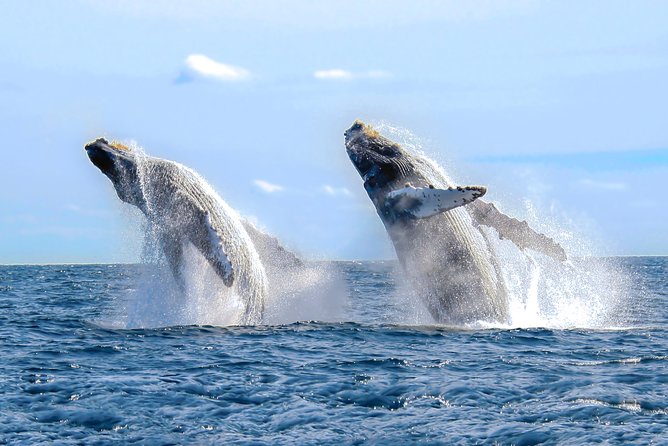
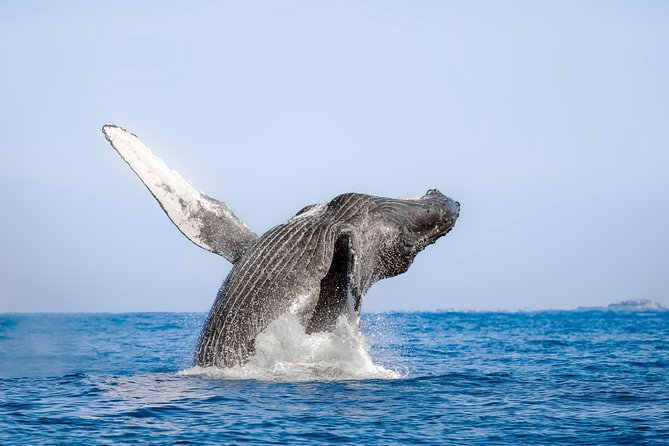
- Whale behavior is the star: You might see mothers with calves, competing males, breaches, tail slaps, or whales cruising beneath the boat.
- Marine interpretation adds value: Some departures include a marine biologist or naturalist, and an underwater listening speaker may let you hear whale sounds.
- Morning trips may be lively: Several passengers had active whale encounters early in the day, although wildlife sightings can never be promised.
- Weather matters: Rough seas and rain can make the ride wet and bumpy. Poor-weather cancellations come with a new date or full refund.
Why this Ka’anapali whale watch feels different
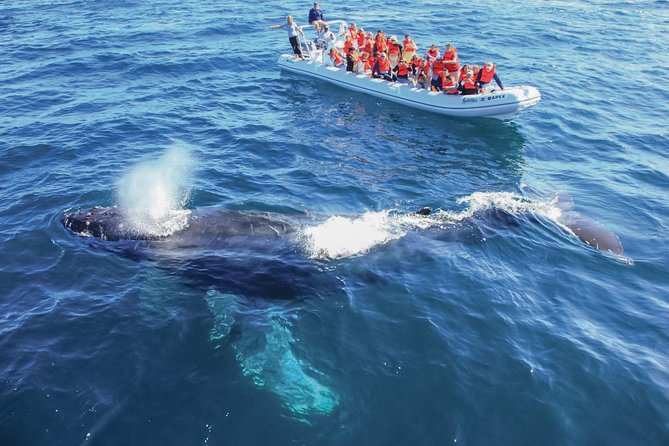
Many whale watches use large boats with broad decks and a crowd gathered along the rail. This one uses Ka’anapali’s raft-style boat, with the seating close to the water. That design changes the feeling of the trip. You are not looking down from a high deck. You are sitting close to the ocean, watching the surface at eye level.
The boat holds no more than 20 people, which is a useful limit. If a whale surfaces on one side, you do not have to push through a packed crowd to see it. The small group also makes it easier to ask questions and hear the crew.
The tradeoff is comfort. A large vessel usually gives you more room to move, a more stable ride, and easier boarding. This raft has a canopy for shade, and one passenger praised the seating, but the low hull means wind, spray, and rain can reach you. I would choose it for closeness and atmosphere, not for a dry, polished cruise.
A few more whale watching trips around Maui worth a look
- Maui Eco-Raft Tour: Eye-Level Whale or Dolphin Watching – Lahaina
★ 5.0 · 2,482 reviews - From Maalaea: Whale Watching Tour Aboard the Quicksilver
★ 4.5 · 1,461 reviews - Maui: Ultimate Whale Watch from Lahaina
★ 5.0 · 1,162 reviews
Meeting the crew at Ka’anapali Beach
The meeting point is 2435 Kaanapali Parkway in Lahaina, near Whalers Village and the major Ka’anapali resorts. That location is convenient if you are staying nearby or already spending the day along the beach. It is also near public transportation, so you may not need a rental car for this outing.
Give yourself time to find the crew on the beach. The meeting area is easy to reach, but the actual transfer from sand to boat can take a little sorting out. You will place your shoes in a tub, then board a small dinghy in groups. The dinghy takes you out to the larger raft-style vessel, where you settle into a seat beneath the canopy.
This is the part of the trip I would explain carefully to families. Children may struggle with stepping into the dinghy, especially if waves are moving it against the sand. People with limited mobility should ask about the transfer before booking. The crew helps, but there is no dock, and getting on and off involves water, sand, and balance.
At the end, you reverse the process. You may get wet while stepping from the raft into the dinghy and again when returning to the beach. Think of the boarding as part of a small ocean adventure, not a marina-style transfer.
The first ride out from Ka’anapali
Once everyone is aboard, the boat heads away from shore in search of humpback whales. The ride itself is part of the experience. The raft sits low, so you feel the motion of the water and see the Pacific from a close angle.
The boat has a canopy, which helps with the strong Maui sun. Sodas and bottled water are provided, and the onboard cooler is a welcome touch after time in the heat. One account also noted a restroom on the boat, which is useful during a two-hour trip.
You should still prepare for spray. One passenger described getting wet even before rain arrived, and another noted strong wind. Wear quick-drying clothes, protect anything electronic, and bring only what you can keep secure. A hat with a chin strap is more useful than a loose sun hat. The crew may have sunscreen available, but I would apply your own before leaving shore.
Music may be played during the ride, depending on the crew and conditions. The boat is not silent, formal, or museum-like. It has a friendly, active feel, with the crew balancing conversation, music, safety, and the search for whales.
Watching Northern Pacific humpbacks up close
The main attraction is the Northern Pacific humpback whale. Maui waters can offer remarkable encounters, but no responsible operator can promise a breach or a whale beside the boat. The crew works with the animals’ movements and follows safety guidance rather than chasing every sighting.
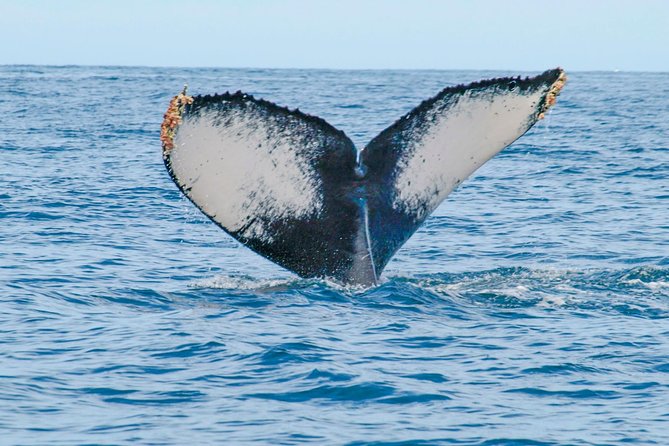
The low boat gives you a particularly good view when a whale surfaces nearby. You might see the back roll through the water, a blow rise into the air, a tail lift, or a pectoral fin slap. Several people had close encounters with whales swimming beneath or around the boat. One whale reportedly approached so closely that passengers felt they were looking directly at it.
Sometimes the most exciting sight is not a dramatic breach. A whale may surface repeatedly, remain active for several minutes, or circle the boat. A playful whale that kept slapping its fin gave one group a better show than a single quick breach would have done.
You might also see different types of whale groups. Sightings have included mothers with calves and escorts, as well as several males competing for a female. A newly born calf was spotted during one outing, though that kind of encounter is rare and never something to expect on demand.
The crew may ask everyone to remain still when whales come very close. One memorable phrase used on board was whale jail, meaning the boat must hold position when whales are within about 100 feet. That rule can feel frustrating if you want to move closer, but it is exactly the right response. The best whale watching lets the animals decide the distance.
Same water, a different way to meet them:
- WHALES GUARANTEED Maui Whale Watching Makai Adventures
★ 5.0 · 1,081 reviews - Ma’alaea Harbor: Whale Watching Tour Aboard Power Catamaran
★ 4.6 · 979 reviews - Maui: Whale Watching Cruise with Open Bar from Ka’anapali Beach
★ 5.0 · 802 reviews - Whale Watching Maui: 2-Hour Small Group Raft Tour from Lahaina
★ 5.0 · 661 reviews
Learning from the captain and marine staff
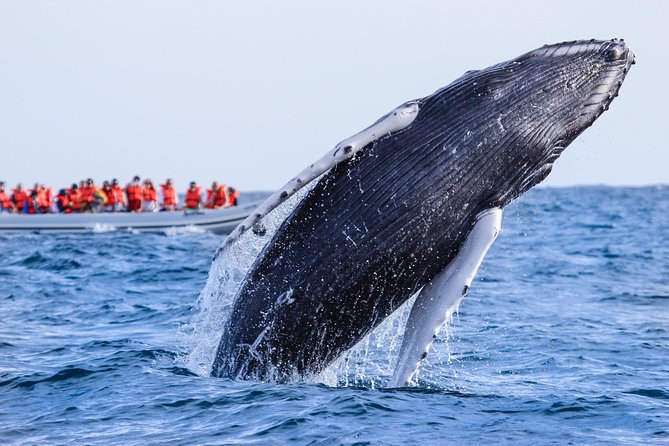
The crew is one of the strongest parts of this experience. Captains and marine staff explain humpback behavior in plain language, point out activity that you might miss, and help you understand why the boat sometimes slows or waits.
On some departures, you may meet Bradley as captain or Bethany as the marine biologist. Bethany was especially praised for explaining whale behavior and answering questions in an engaging way. Another departure included an underwater speaker that let passengers listen for whale sounds.
That educational side matters. Without guidance, a distant splash can be easy to miss. With someone watching the water and explaining the behavior, you begin to notice the difference between a blow, a breach, a tail slap, and a whale simply traveling below the surface.
The crew also appears to take environmental rules seriously. The aim is to get close enough for a good view without treating the whales like performers. If you want a wildlife trip built around respect rather than guaranteed stunts, that approach is important.
What the two-hour schedule feels like
The trip lasts about two hours, though the exact rhythm depends on sea conditions and whale activity. The opening minutes are spent organizing the beach transfer and moving away from shore. Once the boat reaches open water, the crew begins scanning for signs of whales.
The middle portion is usually the main viewing time. The boat may stop near a pod, reposition when whales move, or head toward a fresh report of activity. During one outing, the crew quickly redirected the boat toward several males competing over a female. That kind of decision can produce a thrilling change of scene, but it also means the ride may become brisk and windy.
Near the end, the boat returns to the beach area and prepares the dinghy transfer. You should not schedule an important appointment immediately afterward. Weather, whale activity, and the return to shore can all affect the timing slightly.
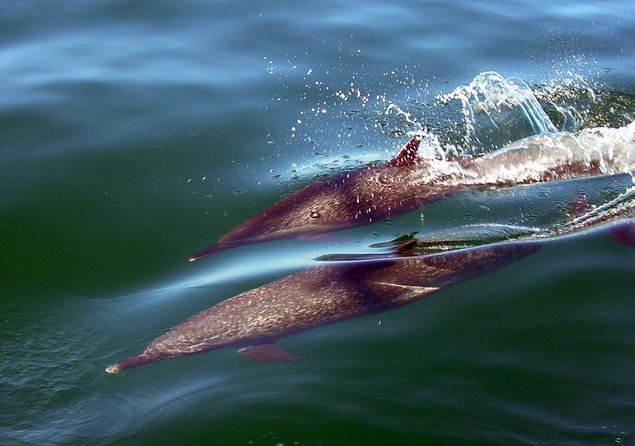
Dolphins have also appeared around the raft during a trip. They are a bonus, not part of the advertised promise. The same goes for breaches, calves, and whales approaching the boat.
Weather, motion, and staying comfortable
Weather is the biggest variable. A sunny morning can become windy offshore, and clouds or rain may make the trip feel much rougher than conditions at your resort. One outing had rain for much of the ride, though the group still saw whales and a calf came close during a break in the weather.
The operator can cancel for poor weather. If that happens, you are offered another date or a full refund. That policy protects you from being sent out in unsafe conditions, but it cannot prevent an ordinary wet or choppy day from affecting a trip that still operates.
If you are prone to motion sickness, plan ahead and speak with the crew. Passengers have noted that the crew has suggestions to help, but it is better to raise the issue before the boat leaves. Sit where you feel most stable, watch the horizon, and avoid arriving on an empty stomach.
The tour requires a moderate level of physical fitness. The key challenge is not a long walk. It is boarding the dinghy, stepping between boats, managing the motion of the sea, and getting back onto the beach. If that sounds difficult, contact the operator before purchasing.
Is $102.20 a good value?
At $102.20 per person, this is not the cheapest way to look for whales, but it offers meaningful advantages for the price. You get about two hours on the water, a small group capped at 20, soda and water, a covered boat, and a crew that puts real effort into explaining whale behavior.
The value is strongest if you care about the quality of the viewing position. A large boat may offer more indoor comfort, but this raft puts you close to the water and gives everyone a reasonable chance to see. The small group also makes the experience feel less crowded and more personal.
The price is less appealing if you want a dry, calm ride or have difficulty with boat transfers. In that case, a larger vessel with a dockside boarding setup may be a better fit, even if it gives you a less intimate view.
Tips are not included. Bring cash or use Venmo for the crew. Since the captain and marine staff do much of the spotting, steering, explaining, and passenger care, a tip is appropriate when they provide the attentive service this trip is designed to offer.
Who should book this trip?
I would choose this whale watch for couples, families with older children, and anyone who values a small group over a big-boat cruise. It is also a good choice for photographers who want a low angle and fewer people blocking the view.
Families should consider the children’s age, confidence, and comfort around water. The whale sightings can be wonderful for kids, but the dinghy transfer and wet ride require more cooperation than a standard dock boarding.
You should also book with realistic expectations. A whale watch is wildlife viewing, not a scheduled performance. You could see several whales close to the boat, or you might spend time scanning the water for brief appearances. The crew can improve your chances, but the animals control the show.
Book at least several weeks ahead if your schedule is fixed. This experience is often reserved about 39 days in advance, so leaving it until the last minute may limit your choice of departure time.
You can cancel for a full refund up to 24 hours before the start time. Changes or cancellations within 24 hours are not refunded. That cut-off uses local Maui time, so check the clock carefully if your plans change.
Should you book the Ka’anapali raft whale watch?
Yes, if you want a personal, low-to-the-water trip and can handle a wet beach transfer. The strongest reasons to book are the small group, close seating, strong whale interpretation, and crew members who appear to care about both passenger safety and animal space.
I would hesitate only if you have limited mobility, serious motion sickness, or a strong need to stay dry. For everyone else, this is a well-priced way to spend two hours looking for humpbacks from a boat that feels close to the sea. Bring sun protection, quick-drying clothes, and patience. If the whales cooperate, you may leave with far more than a few photographs.
FAQ
How long does the whale watching experience last?
The trip lasts approximately two hours and returns to the original meeting point at Ka’anapali Beach.
Where does the tour meet?
The meeting point is 2435 Kaanapali Parkway, Lahaina, Hawaii 96761, near Whalers Village in Ka’anapali.
How many people can join the boat?
The boat has a maximum group size of 20 people.
Is water provided?
Yes. Bottled water and sodas are provided during the trip.
Do I need to tip the crew?
Tips are not included. You can tip the crew with cash or Venmo.
What happens if the weather is poor?
The experience requires good weather. If the operator cancels because of poor conditions, you will be offered another date or a full refund.
Can I cancel for a full refund?
Yes. You must cancel at least 24 hours before the experience start time for a full refund. Cancellations or changes made within 24 hours are not refunded.
Just added around Maui
- Whale Watch Sail Ma’alaea★ 4.9 · 27 reviews
- Deluxe Whale Watching Sail on Maui★ 5.0 · 53 reviews
- 2.5 Hour Whale Escape Tour★ 5.0 · 44 reviews
- Whalewatch Deluxe Tour from Ma’alaea Harbor★ 4.5 · 37 reviews
- Whale Watch and Scenic Tour from Kayak★ 4.5 · 16 reviews
- From Ma’alaea Harbor, Maui: Whale Watch Cruise Aboard Malolo★ 4.0 · 9 reviews
- VIP Premiere Whale Watch Kaanapali Beach MAX 12 PASSENGERS★ 5.0 · 78 reviews
- West Maui Sunset Whale Watch★ 5.0 · 117 reviews
Maui Whale Watching Tours, compared.
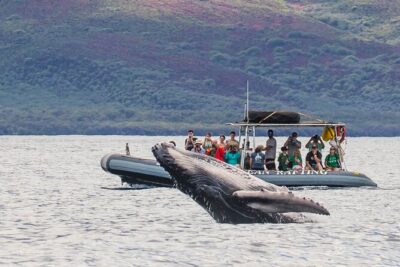
Maui Eco-Raft Tour: Eye-Level Whale or Dolphin Watching – Lahaina
Read our review →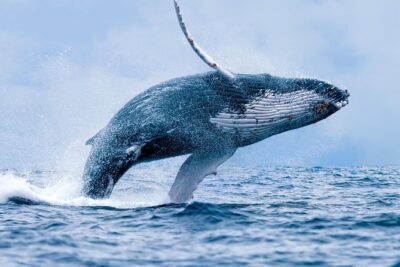
From Maalaea: Whale Watching Tour Aboard the Quicksilver
Read our review →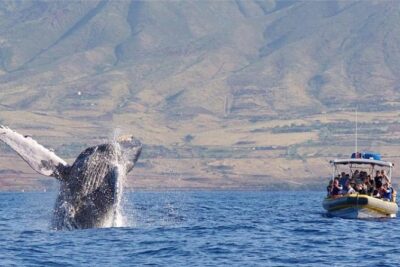
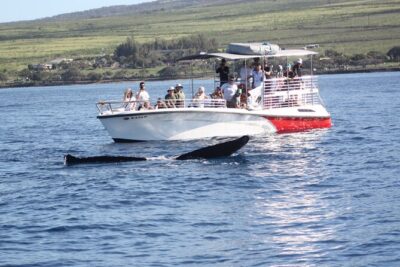
WHALES GUARANTEED Maui Whale Watching Makai Adventures
Read our review →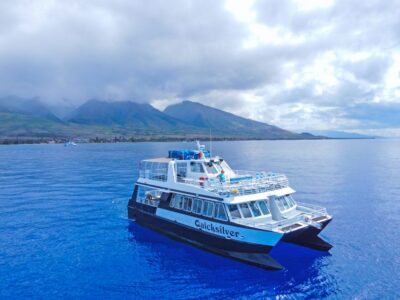
Ma’alaea Harbor: Whale Watching Tour Aboard Power Catamaran
Read our review →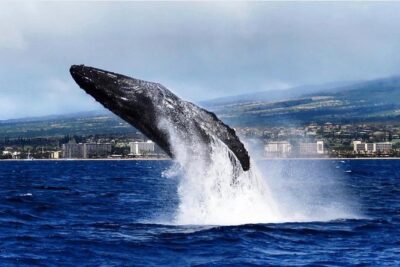
Maui: Whale Watching Cruise with Open Bar from Ka’anapali Beach
Read our review →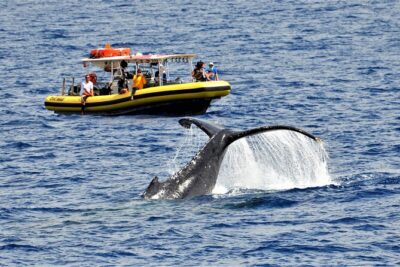
Whale Watching Maui: 2-Hour Small Group Raft Tour from Lahaina
Read our review →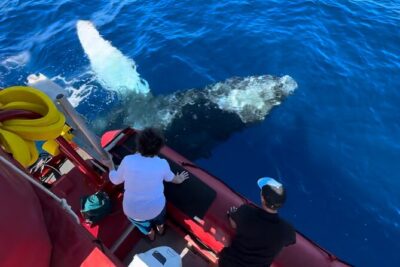
Browse the lists this tour appears in