
REVIEW · MAUI WHALE WATCHING TOURS
Whale Watch and Scenic Tour from Kayak
Whales are only part of the story. This small-group outing from Olowalu Beach gives you a quiet way to see West Maui from the water, using hands-free pedal kayaks that make the trip easier for many people than a standard paddle tour. I especially like the maximum group size of six and the chance to explore the coast without the noise and crowds of a larger boat. I also like that the tour becomes a scenic ocean trip outside whale season, rather than simply disappearing from the calendar.
The main point to understand is timing. Humpback whale watching runs from December through April. From May through November, you should expect scenery, reef views, turtles, dolphins, and West Maui Mountain views instead. That seasonal distinction matters, since one disappointed customer booked in May expecting whales. The activity is still available then, but it is not a whale watch.
Key points to know before booking
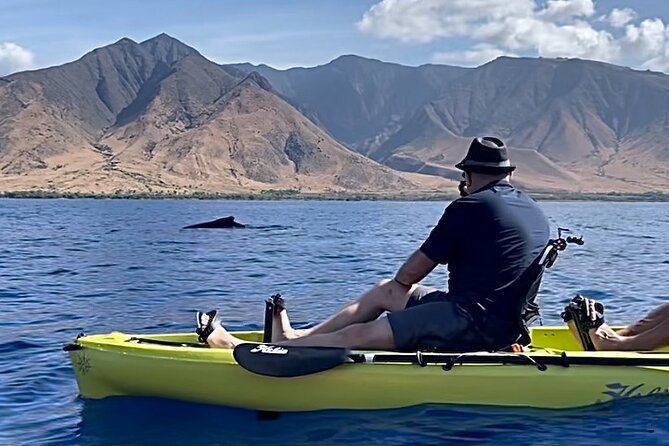
- Pedal kayaks keep both hands free, making it easier to take photos, watch the water, or simply relax.
- Departures leave from Olowalu Beach, with the kayaks waiting near the parking area.
- Whale season is December through April only. The rest of the year is a scenic tour.
- The group is capped at six people, giving the guide room to offer more personal help and instruction.
- Early departures can mean better water conditions, according to the advice given to one participant.
- The seat limit is 250 pounds per seat, or 425 pounds per kayak, so check this before reserving.
Starting at Olowalu Beach
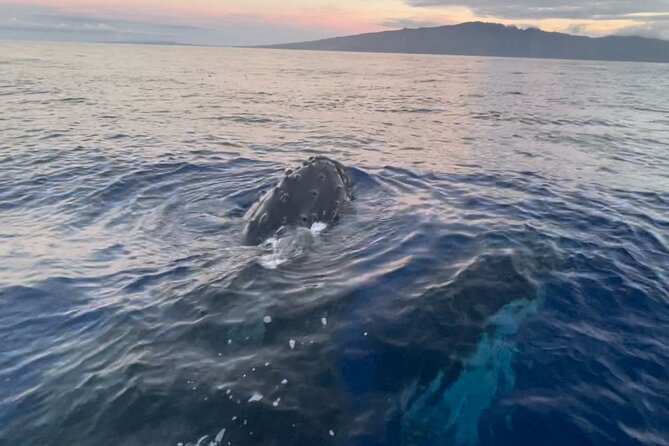
The meeting point is Olowalu, on Maui’s west coast. You pull into the parking area near the beach, where the kayaks are set up for the outing. That direct start is useful because there is no long transfer from a resort or marina to add time and cost.
The guide welcomes you, checks that you have the needed equipment, and divides the group between the kayaks. The small scale helps here. With no more than six people, the launch should feel less like a production line and more like a short lesson before heading out.
You receive a full safety and equipment briefing before leaving shore. The guide helps you get into the kayak and answers questions before the water becomes part of the classroom. That is a good feature for first-time kayakers, since the important instructions arrive while you are still standing on solid ground.
You should still expect a real ocean outing, not a calm lake paddle. Conditions can change, and the tour requires good weather. The operator may cancel for poor conditions, offering another date or a full refund.
More Kayak Whale Watching in Maui:
- Kayak & Turtle Town Snorkel(Turtles Guaranteed) + Whale Watching
★ 5.0 · 196 reviews - South Maui: Whale Watch Kayaking and Snorkel Tour in Kihei
★ 4.7 · 93 reviews - Kayak and Whale Watching Tour
★ 5.0 · 63 reviews
Why the Hobie Compass Duo kayaks matter
These are two-person Hobie Compass Duo kayaks with pedal drives. Instead of using a paddle as your main means of movement, you pedal with your feet. Your hands remain free, which has several practical benefits.
You can hold a camera more easily, point out wildlife, or steady yourself without having to put down a paddle. The pedal system also makes the trip feel less tiring for some people. One participant described the kayaks as easy to guide and relaxing to use, which fits the appeal of this setup.
The kayaks are also useful for couples, friends, or family members who want to share the experience. One person can help with direction while both people watch for whales or turtles. Still, you should not assume that pedal kayaks remove every physical demand. You are still sitting on the ocean for about two and a half hours, getting in and out at the beach, and working your legs to move the boat.
The stated limit is 250 pounds per seat, with a total limit of 425 pounds per kayak. This is not a minor detail. If two people together exceed the kayak limit, contact the operator before booking rather than hoping the arrangement can be adjusted at launch.
Peddling along the West Maui coast
Once the safety talk is done, the guide helps everyone get settled and leads the group along the coast. The route heads toward a popular area for humpback sightings during the correct season. The appeal is not just the chance of seeing a whale. You get a low view of the coast, clear water, reef areas, and the West Maui Mountains from offshore.
That angle changes your sense of Maui. From land, you often look toward the ocean. From the kayak, the beach and mountains become the backdrop behind you, while the water opens in front of you. The guide also provides information about Hawaii’s wildlife and ocean ecosystem, adding context to what you see rather than leaving you to guess at every fin or splash.
The scenery is the reliable part of the trip. Wildlife is never guaranteed, including during whale season. A whale may surface nearby, or you may spend much of the tour watching the horizon. Turtles and dolphins are possible, and the clear water and reef add interest even during a quiet stretch.
A strong guide can make a large difference here. La received special praise for keeping the group safe around the reef while choosing a good route for sightings. Justin was also singled out for his explanations of Maui landmarks and history. The experience depends partly on who leads your departure, but the guide’s local knowledge is a major part of what you are paying for.
Whale season from December through April
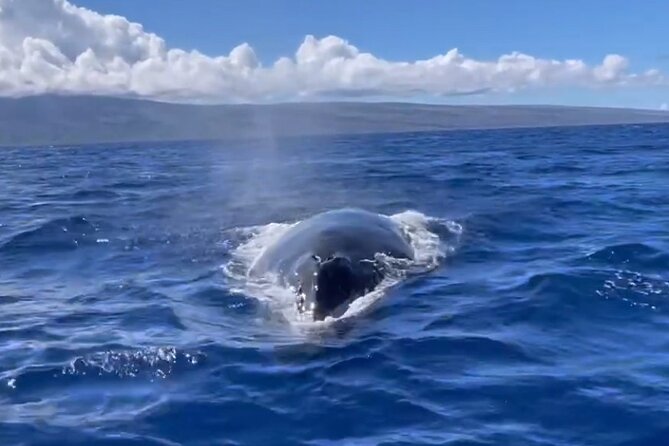
If whales are your main goal, book between December and April and make that expectation clear to yourself: you are booking a chance to see humpbacks, not a guarantee. The route is aimed at a well-known sighting area, and the small kayaks put you close to the surface of the ocean, but wildlife follows its own schedule.
Some outings have produced several sightings, and one particularly successful trip included close whale encounters and the chance to listen to whale song with a hydrophone. That is an unusual and memorable addition when available, but you should not treat it as a guaranteed part of every departure.
The pedal design is especially handy during whale watching. You do not have to choose between holding a paddle and reaching for a camera. You can keep both hands available while the guide points out activity. Still, keep your camera secure and protected from salt water. Camera gear is not included, and the company specifically tells you to bring your own if you want photographs.
For the best odds of a pleasant outing, an early departure is worth considering. One participant was advised to go earlier in the day and found the conditions especially good. The exact water and weather vary, but starting early may give you calmer conditions and softer light for photographs.
A few more whale watching trips around Maui worth a look
- Maui Eco-Raft Tour: Eye-Level Whale or Dolphin Watching – Lahaina
★ 5.0 · 2,482 reviews - From Maalaea: Whale Watching Tour Aboard the Quicksilver
★ 4.5 · 1,461 reviews - Maui: Ultimate Whale Watch from Lahaina
★ 5.0 · 1,162 reviews - WHALES GUARANTEED Maui Whale Watching Makai Adventures
★ 5.0 · 1,081 reviews
Outside whale season, the trip changes
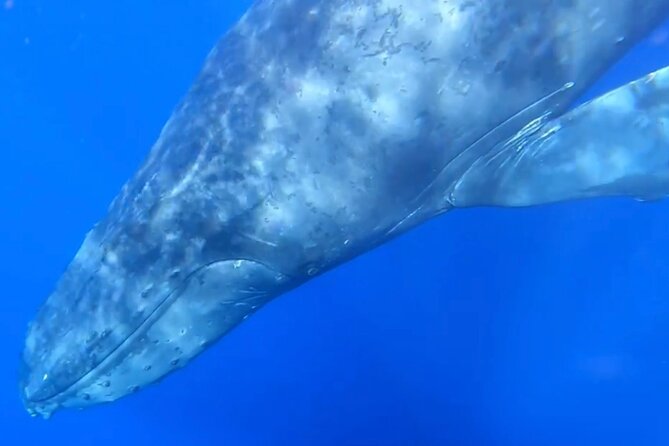
From May through November, the excursion is a scenic tour only. This wording deserves attention because it changes the reason to book. You may see dolphins, turtles, reef, clear water, and the West Maui Mountains, but you should not pay for this experience expecting humpbacks.
That can still be a fine use of a morning or afternoon. The scenic route gives you a different view of Maui, and the pedal kayaks make it a low-key way to spend time on the water. If your priority is wildlife in general, the non-whale-season trip may suit you. If your priority is specifically humpbacks, wait for December through April.
The operator addressed one May booking where the participant expected whales by explaining that whale season had ended. The lesson is simple: read the seasonal wording carefully before you pay. A scenic ocean tour can be worthwhile, but it is not the same product as whale watching.
What is included, and what you should bring
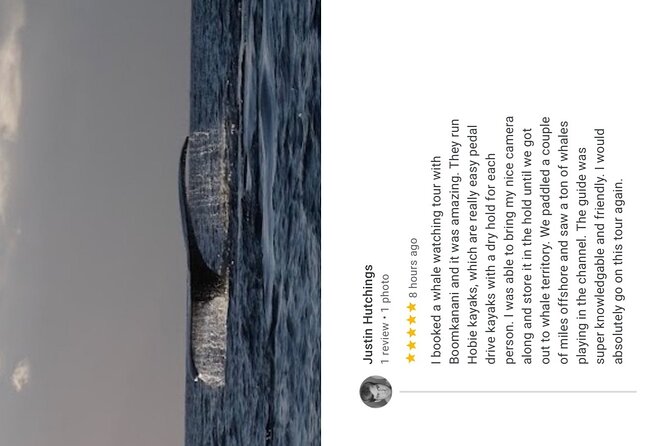
The tour includes the kayak and safety equipment, a small cooler, bottled water, a light snack, permits, music, and the guide’s safety and ecosystem briefing. Those inclusions make the trip easier to manage, especially since you do not need to rent separate equipment or carry a large supply of drinks.
Snacks have not been perfectly consistent. On one outing, the promised snacks were forgotten, although the participant still enjoyed the tour and did not consider it a major problem. I would treat the included snack as a small extra, not as a meal.
Bring the items that are not supplied:
- Sunglasses
- A hat
- A towel
- Reef-safe, nonspray sunscreen
- Extra drinks or snacks
- Your own camera gear
A towel is particularly sensible because you are boarding from a beach and spending hours on the ocean. The nonspray sunscreen request also helps avoid coating the kayak and water with aerosol residue. You should protect your phone or camera from splashes, since the operator does not provide camera equipment.
The guide makes the small group worthwhile
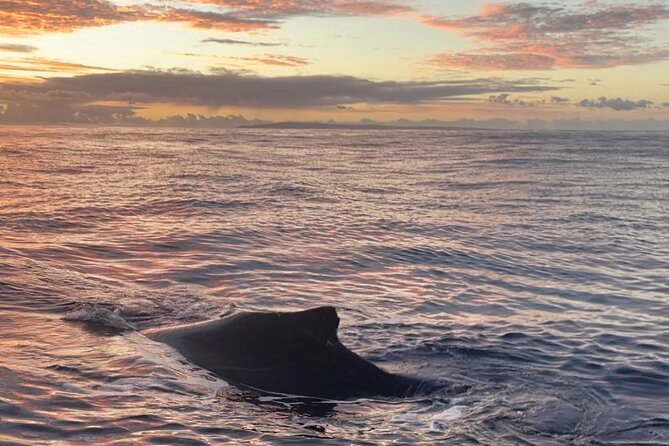
A group of six is a useful middle ground. You get more support than you would on a completely independent rental, but you are not packed into a large boat with dozens of people. The guide can help with loading, launching, route choices, and questions about the coast.
La was praised for being personable and for steering carefully around the reef. Andon also received strong marks for making the outing feel special. The guides have been described as entertaining, friendly, and good at keeping people comfortable on the water.
That personal attention is especially valuable if you are new to kayaking. The guide assists you into the kayak at the start and helps unload you at the end. If you have concerns about balance, physical effort, or the launch, ask before departure so the guide can explain what to expect.
The group size also helps with wildlife etiquette. A smaller cluster creates less noise and makes it easier for the guide to manage where people are looking and how the kayaks move around reef areas. You should still follow instructions and avoid trying to chase animals for a closer view.
How much value do you get?

No tour price is provided here, so I cannot judge the cost in dollars. I can judge what the package offers for the money you pay. The value is strongest if you want a guided, small-group ocean experience rather than a basic kayak rental.
You are paying for the kayak, safety gear, launch assistance, a local guide, permits, water, a light snack, and the chance to see Maui from offshore. The six-person limit also matters. A cheaper rental might give you a boat, but not the same route planning, safety briefing, or local wildlife information.
The value is less clear if you are booking only because you saw the words whale watch. Outside December through April, you are buying a scenic tour. That can be good value for someone who wants reef views and a peaceful ocean outing, but not for someone who considers whales essential.
A 4.6 rating from 16 reviews, with 94 percent recommending the experience, suggests a strong overall record while still leaving room for mixed expectations. The main weakness is not the kayaking itself. It is the risk of misunderstanding the season or expecting every included extra to appear perfectly every time.
Who should book this outing?
I would recommend it most strongly to couples, friends, and small families who want a quiet ocean activity with a guide. It is also a good option for people who like wildlife but do not want to spend hours on a larger whale-watching boat.
The pedal kayaks suit anyone who wants to reduce paddle work or keep hands free for photographs. First-time kayakers may appreciate the safety briefing and launch help, while experienced kayakers may enjoy the simple setup and coastal scenery.
You should think twice if you dislike open-water conditions, have trouble getting into a low kayak, or are close to the seat and total-weight limits. Most people can participate, but that does not mean the outing is effortless for every body type or mobility level.
The tour is also offered in English. Public transportation is nearby, and the activity returns to the same Olowalu meeting point, which keeps the day’s logistics fairly simple.
Cancellation and weather details
You can cancel up to 24 hours before the local start time for a full refund. Changes made less than 24 hours before departure are not accepted, and cancellations inside that window are not refunded.
Because the activity depends on good weather, the operator may cancel if conditions are poor. In that case, you are offered another date or a full refund. That policy is reassuring for an ocean activity, where forcing a departure in rough conditions would not be worth the risk.
Should you book the Olowalu kayak tour?
Book it if you want a small, personal ocean outing and you like the idea of pedaling along Maui’s west coast instead of sitting on a crowded boat. The scenery is available year-round, the guide support is useful, and the pedal kayaks make it easier to look around and take photos.
Book between December and April if humpbacks are your main goal. Outside those months, reserve it only if you would be happy with turtles, dolphins, reef, clear water, and mountain views. Check the weight limits, bring your own sun and camera gear, and consider an early departure for better conditions.
For the right visitor, this is a calm and personal way to see Maui from the water. Just book the season you actually want, and you will arrive with the right expectations.
FAQ
Where does the kayak tour begin and end?
The tour begins at Olowalu, Hawaii, near Olowalu Beach, and ends back at the same meeting point.
How long does the experience last?
The tour lasts approximately 2 hours and 30 minutes.
When can I see humpback whales?
Whale watching is offered from December through April. Outside that period, the experience is a scenic tour only.
What kind of kayaks are used?
The tour uses hands-free pedal-drive Hobie Compass Duo kayaks.
What is the weight limit?
The limit is 250 pounds for each seat, or 425 pounds for the kayak.
What happens if bad weather cancels the tour?
If poor weather causes a cancellation, you can choose another date or receive a full refund.
Just added around Maui
- Whale Watch Sail Ma’alaea★ 4.9 · 27 reviews
- Deluxe Whale Watching Sail on Maui★ 5.0 · 53 reviews
- 2.5 Hour Whale Escape Tour★ 5.0 · 44 reviews
- Whale Watching Experience★ 5.0 · 142 reviews
- Whalewatch Deluxe Tour from Ma’alaea Harbor★ 4.5 · 37 reviews
- From Ma’alaea Harbor, Maui: Whale Watch Cruise Aboard Malolo★ 4.0 · 9 reviews
- VIP Premiere Whale Watch Kaanapali Beach MAX 12 PASSENGERS★ 5.0 · 78 reviews
- West Maui Sunset Whale Watch★ 5.0 · 117 reviews
Maui Whale Watching Tours, compared.
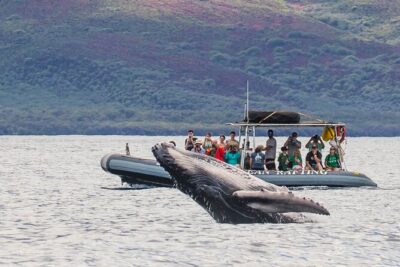
Maui Eco-Raft Tour: Eye-Level Whale or Dolphin Watching – Lahaina
Read our review →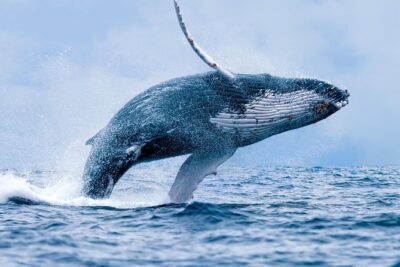
From Maalaea: Whale Watching Tour Aboard the Quicksilver
Read our review →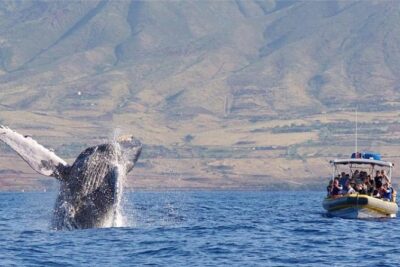
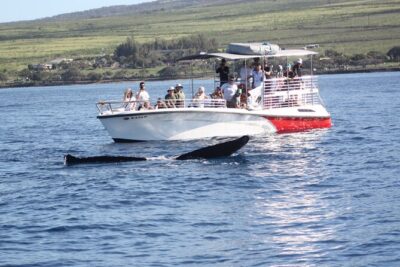
WHALES GUARANTEED Maui Whale Watching Makai Adventures
Read our review →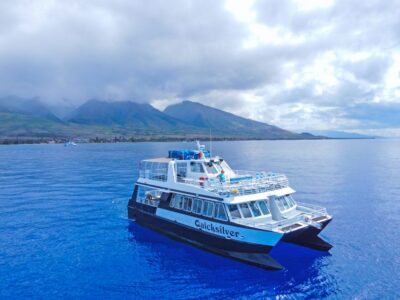
Ma’alaea Harbor: Whale Watching Tour Aboard Power Catamaran
Read our review →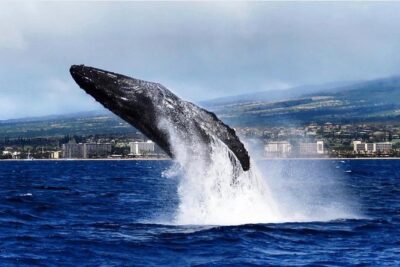
Maui: Whale Watching Cruise with Open Bar from Ka’anapali Beach
Read our review →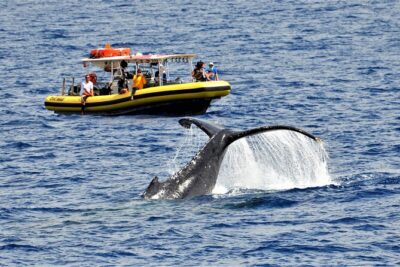
Whale Watching Maui: 2-Hour Small Group Raft Tour from Lahaina
Read our review →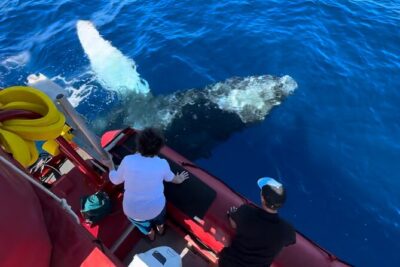
Browse the lists this tour appears in