
REVIEW · BUSSELTON WHALE WATCHING TOURS
Dunsborough Whale Watching Eco Tour
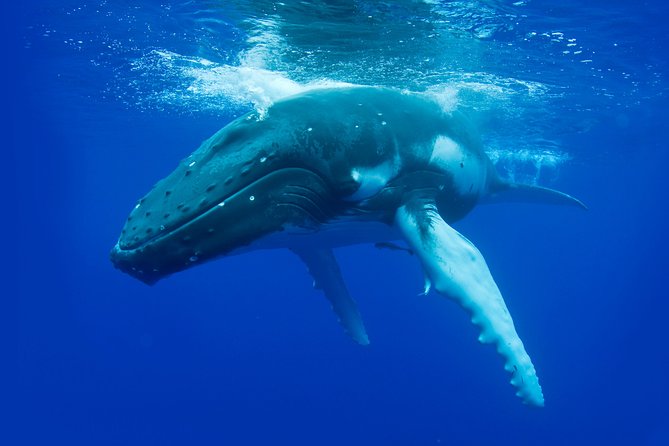
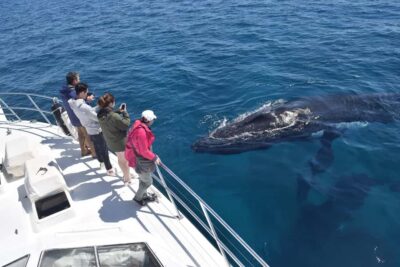
Whales can turn a calm morning wild. From Quindalup, this 2.5-hour whale-watching cruise searches for humpback whales, southern right whales, dolphins, seals, and, with luck, blue whales moving through Cape to Cape waters. I like the choice of viewing areas, from the indoor cabin to the open deck and flybridge. I also like the free tea, coffee, Milo, and biscuits, a small touch that makes the boat time feel easy rather than hurried.
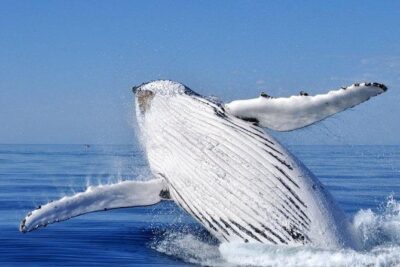
The strongest part is the marine science commentary. The crew explains whale behavior and helps you understand what you are seeing, rather than simply pointing at a distant blow. The main caution is simple: wildlife is unpredictable. A whale-free trip earns you a free return trip within one year, but there is no guarantee that your replacement outing will produce the dramatic breaches shown in the best photographs.
Key points before you book
- A six-month Cape to Cape season: Dunsborough operates from August to November, while Augusta covers the later autumn and winter period.
- Several places to watch: You can shift between indoor seating, the main deck, and the flybridge as conditions and sightings change.
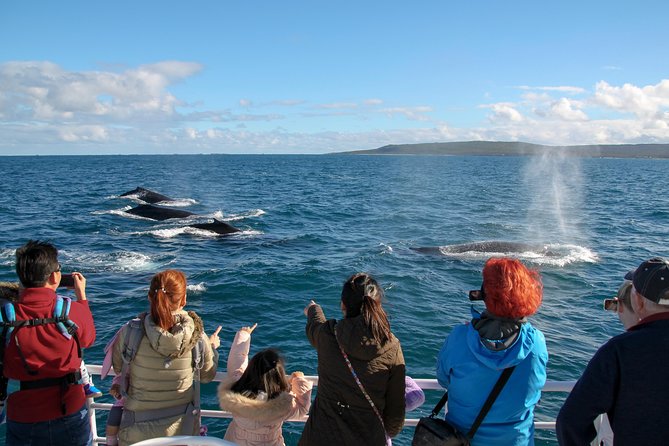
- A strong chance of humpbacks: Humpback whales are the main focus, with southern right and blue whales possible at the right time.
- Useful onboard commentary: The crew is trained in marine science and explains whale behavior, migration, and marine life.
- A practical half-day activity: Morning and afternoon departures fit neatly around other South West plans.
- A wildlife guarantee with limits: No whale sighting means a free return tour, subject to space and availability within one year.
Setting out from Quindalup on Geographe Bay
The tour begins at the Professional Fishermans Boat Ramp at 306 Geographe Bay Road, Quindalup. The meeting point is in the Dunsborough area, although the experience may be sold under Busselton because the wider region is the base for many South West activities.
You make your own way there. Hotel pickup and drop-off are not included, so allow time to reach the ramp and find the correct departure point. Confirmation arrives when you book, and the tour finishes back at the same meeting point.
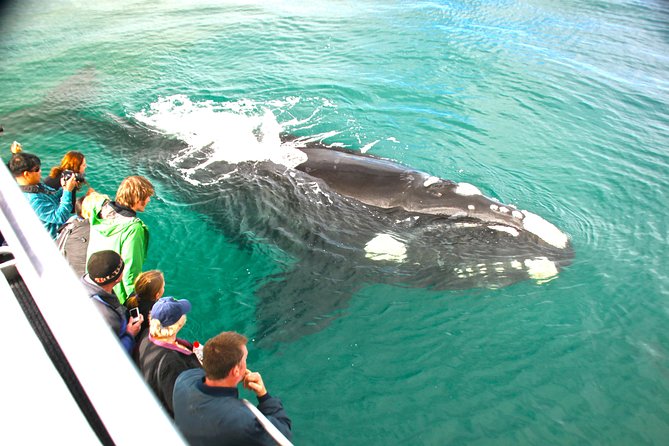
The boat carries up to 90 people. That is not a tiny wildlife outing, but the vessel has enough room for people to move around rather than remain packed into one row of seats. Several accounts describe the boat as modern, clean, comfortable, and spacious. That matters on a whale cruise because you will want to change position often, especially when a sighting appears on one side and then another.
The smoothness of the boarding process is another small advantage. The operation is professional and organized, with a clear start and finish. You should still expect a genuine boat trip, not a floating viewing platform. Even a large purpose-built vessel can move with the sea, and one especially useful piece of advice is to prepare for seasickness.
A few more whale watching trips around Australia worth a look
- Sydney: Whale Watching Adventure Cruise
★ 4.2 · 1,790 reviews - Brisbane Whale Watching Cruise from Redcliffe or Sunshine Coast
★ 5.0 · 997 reviews - Freedom 3/4 Day Hervey Bay Premium Whale Watching Cruise
★ 5.0 · 919 reviews
The 2.5-hour search for whales
Once underway, the tour becomes a moving search rather than a fixed attraction. The skipper and crew look for signs of whale activity, such as blows, movement, or groups near the surface. You may spend some time waiting, then suddenly find the boat turning toward a sighting.
The main target is the humpback whale. These animals pass through Western Australian waters during their northern and southern migrations, and Dunsborough benefits from the Cape to Cape season. Depending on the month, you may see adults traveling alone, groups moving together, or mothers with calves.
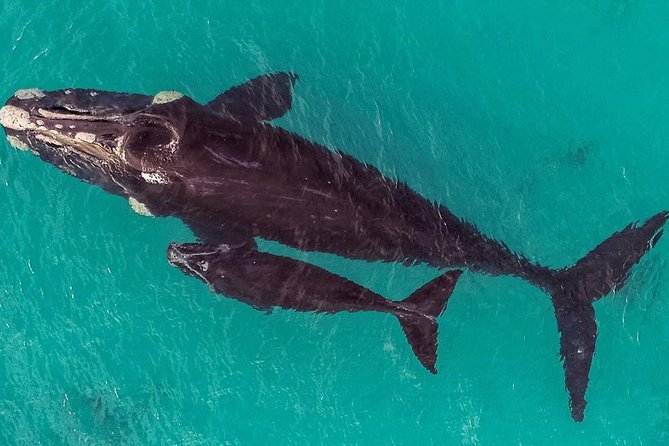
That seasonal pattern helps explain why conditions can vary. A late-season outing may produce an extraordinary encounter, such as a mother and calf, but it may also involve more searching. The company operates from August to November in Dunsborough, while its Augusta operation covers late May through August. The supplied tour details also describe departures through early December, so I would confirm the exact operating dates for your chosen day before paying.
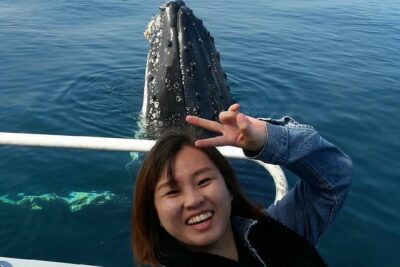
You might see a whale only briefly. You might see repeated surfacing over a long period. You might even find several whales in the same area. Past sightings have included groups of around 20 whales, mother-and-calf pairs, and whales surfacing close enough for clear views of their heads. Those are fortunate conditions, not promises, but they show why patience pays off.
The tour may also produce dolphins, New Zealand fur seals, and seabirds. Blue and minke whales are rare sightings, yet blue whales have been seen on some departures, including groups with a young whale. If your main goal is a blue whale, keep expectations in check. If your goal is a well-run search for marine life, the trip offers more than one possible reward.
Choosing the cabin, deck, or flybridge
The boat gives you three basic ways to watch. The cabin offers indoor seating and shelter, which is useful if the weather turns cool or the sea spray becomes tiring. It is also the better choice if you need a break from the wind or want to enjoy your drink without standing.
The spacious deck gives you a more direct sense of the sea. You can watch the horizon, listen for the crew’s updates, and shift position when the action moves. Open-air viewing also helps when several people need a clear line of sight.
The flybridge provides a higher viewpoint. From there, you may get a broader view of blows and movement across the water. The trade-off is exposure to wind and weather. A sensible plan is to begin outside when conditions are comfortable, then use the cabin when you need warmth or a rest.
The ability to move around is one of the tour’s most useful features. It spreads the viewing opportunity across the boat and reduces the frustration of being stuck behind someone taller. Still, whale watching is not a theater seat with a guaranteed angle. You should be ready to look, wait, and reposition.
Bring clothing that suits changing conditions. The information supplied does not specify a dress code or equipment list, so the safest practical choice is to prepare for wind and motion without assuming the day will stay calm.
Commentary that adds meaning to the sightings
A whale surfacing is impressive on its own, but the explanation around it can turn a quick glimpse into a clearer picture of animal behavior. The crew is trained in marine science and provides commentary throughout the trip, covering whales and the wider marine environment.
The strongest praise is directed at the crew’s friendliness and clear explanations. Crew members such as Jacko and Jade have been singled out for their knowledge of whales and sea life. The skipper and marine science team also help explain when a whale may breach or why it is moving in a particular way.
That matters when sightings are distant. You may see only a blow at first, then a back, tail, or head. Good commentary tells you what to watch for and keeps the search interesting even during quiet stretches. One useful point from the experience is that the trip can still have value if the animals remain elusive, because the crew explains the marine life and the conditions rather than leaving you in silence.
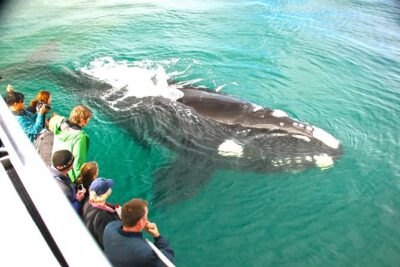
The viewing style also appears respectful. The crew encourages people to move around, while taking care not to restrict the whales’ movement. That is important for an eco tour. Close sightings are exciting, but the best operation gives the animals room and avoids treating them like performers.
Same water, a different way to meet them:
- Whale Watching Tour with Spirit of Gold Coast
★ 4.5 · 884 reviews - Sydney Whale-Watching Cruise Including Lunch or Breakfast
★ 4.5 · 878 reviews - Sydney: 2-hour Express Whale Watching Cruise
★ 4.2 · 756 reviews - Spirit of Gold Coast 2.5-Hour Whale Watching Tour
★ 4.2 · 703 reviews
What a good day on the water can look like
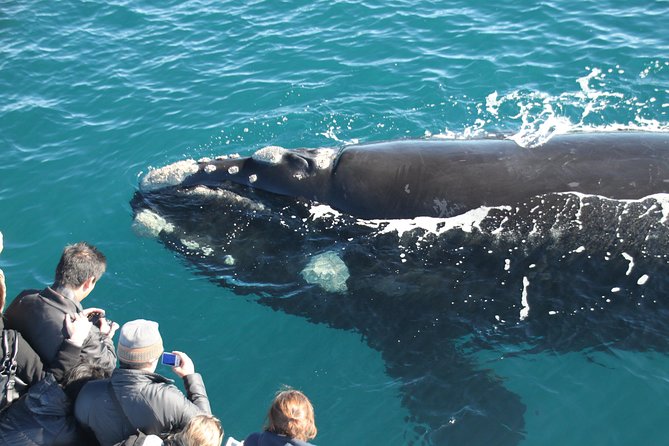
The most favorable reports describe whales appearing within about 10 minutes of departure, followed by long periods watching humpbacks. Other outings have included dolphins approaching the boat and mother-and-calf pairs surfacing close by.
Some sightings are especially dramatic. Humpbacks may breach, frolic, blow, or roll near the surface. A mother and calf playing together can be more memorable than a single spectacular breach because you get a glimpse of family behavior. Blue whales are much less common, but several have been seen on individual trips, including a young whale.
A calm, sunny day helps. One account describes excellent conditions in mid-November and a mother and baby humpback appearing near the end of the migration season. That is a useful reminder not to dismiss later dates automatically. Migration timing influences your odds, but nature does not follow a strict appointment book.
The less exciting version involves searching, waiting, and perhaps seeing only distant activity. That possibility should shape your expectations. The free return policy softens the risk, but returning requires another available date and does not transfer to someone else. The return trip must be taken within one year.
Tea, biscuits, and the small comforts
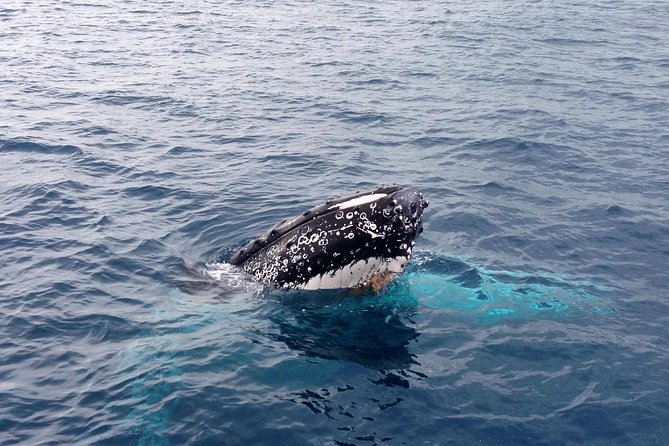
Morning or afternoon tea is included. You can have coffee, tea, Milo, green tea, and biscuits onboard. This is not a full meal, so eat beforehand if you need something substantial, especially if you are prone to seasickness.
The refreshments are useful because the tour occupies a solid block of your day. A warm drink gives you a reason to step inside, take a break, and settle back into the cruise. Cleanliness also receives praise, which becomes more noticeable on a boat where you may spend more than two hours sharing indoor and outdoor spaces.
The morning and afternoon schedule is another practical strength. You can choose the departure that fits your plans in the Margaret River Region, Dunsborough, or Busselton area. An afternoon outing may work well after a slow morning, while a morning cruise leaves more time afterward for other activities.
Is the $75.31 price good value?
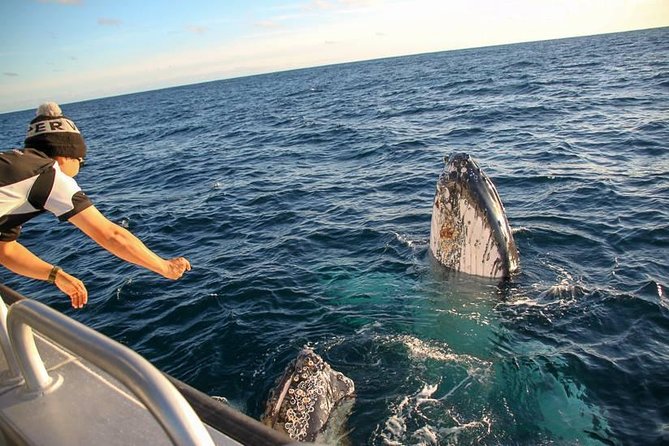
At $75.31 per person, the tour is fairly priced for a 2.5-hour wildlife cruise with a purpose-built boat, onboard refreshments, and marine science commentary. You are paying for staff, vessel operation, safety, fuel, and the chance to search a broad stretch of ocean. You are not paying for a guaranteed show.
The value improves if you use the whole boat. Move between the cabin, deck, and flybridge rather than staying in one spot. Listen to the commentary, watch for other marine life, and treat the cruise as a guided encounter with a working ocean, not simply a whale photograph.
The free return offer also gives the price some protection. If no whales appear, you can book again within one year at no extra charge, subject to availability. That does not erase the inconvenience of returning, but it is more reassuring than a strict no-sighting policy.
The main cost beyond the ticket is your time. You need to reach Quindalup independently, spend roughly two and a half hours on the water, and accept the possibility of motion sickness. For a wildlife enthusiast, that is a reasonable exchange. For someone with a tight schedule or a strong need for guaranteed wildlife, it may feel less certain.
Who will enjoy this cruise most?
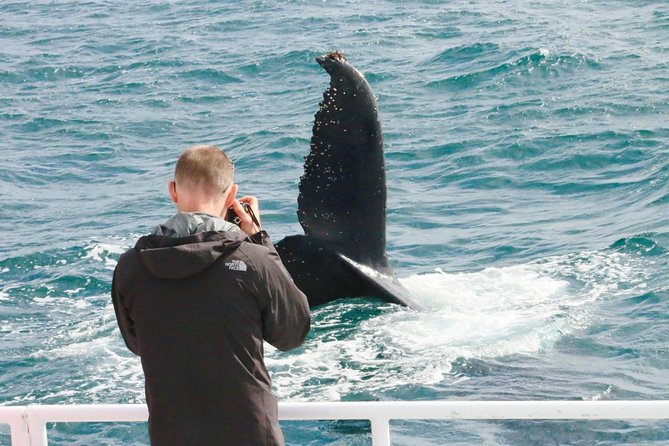
I would choose this tour if you care about whales, want useful interpretation, and appreciate a boat with room to move. It suits couples, families, solo visitors, photographers, and anyone who wants a structured half-day activity in the South West.
Children must be accompanied by an adult. Most people can participate, and service animals are allowed. The supplied information does not describe specific accessibility arrangements, so contact the operator if you need details beyond those points.
The tour is also a good fit for repeat wildlife watchers. You may have seen whales elsewhere, but seasonal conditions, different species, and the behavior of each group make every outing distinct. It is especially appealing if you are visiting during the northern or southern migration period and want to understand what passes along this coast.
I would think twice if you dislike open-water motion or expect every whale to breach beside the boat. A calm day can still bring seasickness, and wildlife can remain distant. Take motion sickness seriously, and do not book solely on the hope of seeing a rare blue whale.
Weather, cancellation, and booking timing
The cruise depends on favorable weather. If Naturaliste Charters cancels because conditions are poor, you can choose another date or receive a full refund. The same applies if the minimum number of people is not reached, with the option of another date or experience.
You can cancel for a full refund up to 24 hours before the start time. Changes or cancellations inside that window are not accepted for a refund, and the cutoff uses local time.
This tour is commonly booked about 16 days ahead. That is a useful planning clue, especially if your South West schedule is fixed. Booking early can make it easier to secure your preferred morning or afternoon departure, but keep the weather policy in mind.
Should you book the Dunsborough whale tour?
Yes, if you want a well-organized wildlife cruise with a friendly crew, strong marine commentary, and several viewing areas. The boat’s comfort, the included drinks and biscuits, and the free return option make the $75.31 fare sensible.
Book it with realistic expectations. You may see humpbacks within minutes, dolphins beside the boat, or even rare blue whales. You may also spend time searching in rolling water. I would choose a day that leaves some flexibility, prepare for seasickness, and regard the trip as time spent learning about the ocean as much as a hunt for the perfect photograph.
FAQ
Where does the Dunsborough whale-watching tour depart?
It departs from the Professional Fishermans Boat Ramp at 306 Geographe Bay Road, Quindalup, Western Australia. The tour returns to the same meeting point.
How long does the whale-watching tour last?
The cruise lasts approximately 2 hours and 30 minutes.
What animals might I see?
Possible sightings include humpback whales, southern right whales, blue whales, minke whales, New Zealand fur seals, bottlenose dolphins, common dolphins, and seabirds. Blue and minke whales are rare sightings.
What refreshments are included?
Morning or afternoon tea is included. Options listed are coffee, tea, Milo, green tea, and biscuits.
What happens if no whales are seen?
You receive a free return tour, subject to availability. The return trip must be booked within one year, and it cannot be transferred to another person.
Can I cancel for a full refund?
Yes. You can cancel at least 24 hours before the start time for a full refund. If poor weather causes the operator to cancel, you can choose another date or receive a full refund.
Just added around Australia
- Wilsons Promontory: Whale Spotting Cruise with Lunch★ 4.9 · 20 reviews
- Noosa: Epic Whale Watching Ocean Kayak Tour & Beach 4X4★ 4.8 · 7 reviews
- Whale Watching Safari Byron Bay★ 4.9 · 39 reviews
- Western Australia: Swim with Humpback Whales★ 5.0 · 20 reviews
- Tweed Heads: Whale Watching Boat Tour★ 4.7 · 30 reviews
- Bremer Bay Orca Experience★ 5.0 · 79 reviews
- Wilsons Prom Whale Cruise★ 5.0 · 104 reviews
- Whale Watching and Wildlife Cruise Townsville and Magnetic Island★ 5.0 · 11 reviews
Busselton Whale Watching Tours, compared.
Whale Watching Cruise from Busselton, Augusta or Dunsborough
Read our review →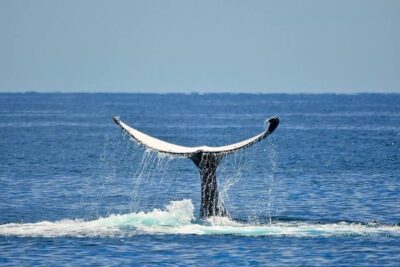
Whale Watching from Augusta in Western Australia
Read our review →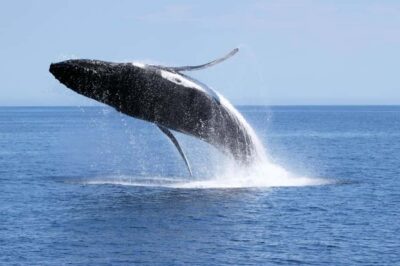
Browse the lists this tour appears in