
REVIEW · NORWAY WHALE WATCHING TOURS
Summer Whale Safari in Andenes (Andøy, Vesterålen)
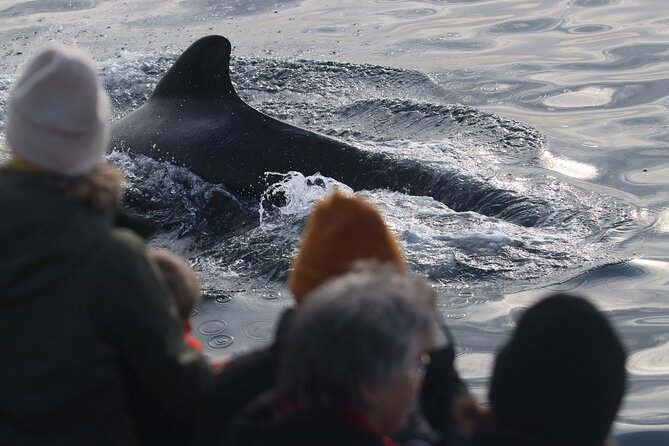
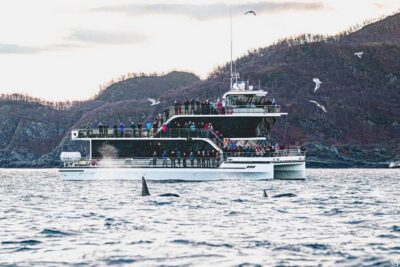
Whales make this northern boat trip worth planning around. From Andenes, you ride the fast catamaran ALBA into the North Atlantic with a marine biologist and local crew, watching for sperm whales, orcas, seabirds, and dramatic coastal views. I like the expert commentary and the chance to hear whale sounds through a hydrophone. I also like the warm cabin, soup, coffee, and tea, which matter on a cool sea day. The main drawback is simple: sightings are never guaranteed, and weather can shift the departure time or limit what you see.
I especially like that the crew keeps looking even when the first search comes up short. On one afternoon, Alex and Ruud helped guests find three sperm whales at close range, then located two groups of orcas. That is a fine result, but another outing spotted only two distant whales and left more than half the group without a clear sighting. Patience and luck are part of the bargain here.
Key details before you book
- Board ALBA in Andenes: The meeting point is Hamnegata 69, 8480 Andenes, and the boat returns there.
- Plan for three to five hours: The trip begins at 11:00 am, but weather can move the departure later.
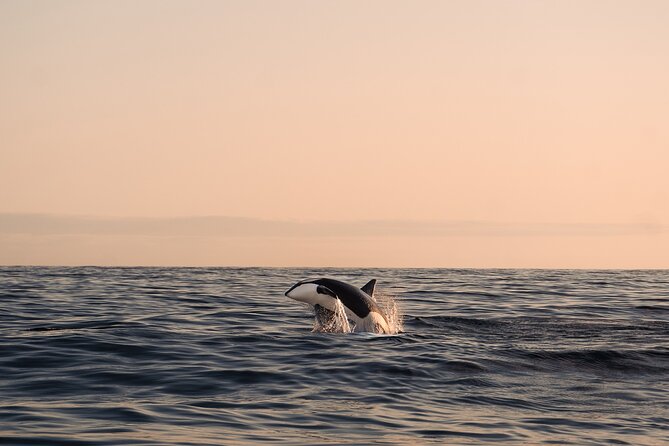
- Look for sperm whales and orcas: The crew also watches for puffins, white-tailed eagles, and Arctic seabirds.
- Listen below the surface: A hydrophone may let you hear whale sounds during the search.
- Stay warm at sea: ALBA has an inner heated cabin, plus open viewing decks and hot soup, coffee, and tea.
- Use the Whale Pass if needed: If no whales are seen, you can rebook another trip free, subject to availability.
What you are really booking for $194.35
At $194.35 per person, this is not a casual harbor cruise. You are paying for a long search in open water, a high-speed catamaran, a specialist-led trip, and a serious attempt to find large whales in their natural setting. The value depends heavily on how much you care about the search itself, not just the final photograph.
I think the price makes more sense if you are already building a day around Andenes and want a focused wildlife outing. It includes the boat trip, guide commentary, and simple refreshments, so you are not paying extra for every cup of coffee once aboard. The maximum group size is 60, which is large enough to feel social but still manageable for a professional operation.
The important catch is that no whale safari can promise a close encounter. One outing produced three sperm whales nearby and an unexpected sighting of two groups of orcas. Another had two whales at a distance, with many people seeing little. That difference is not a flaw unique to this trip. It is the basic risk of searching for wild animals at sea.
The Whale Pass softens that risk. If no whales are seen, you can book another departure without paying again, provided space is available. It does not guarantee that the second attempt will be better, and it is less useful if your schedule allows only one fixed day. Still, it gives the tour more value than a strict one-shot wildlife cruise.
More Safaris in Norway:
- Tromsø Whale Safari with MS Gabriele
★ 4.3 · 1,937 reviews - From Tromsø: All-Inclusive Whale & Orca Safari
★ 4.5 · 1,221 reviews - Tromsø Whale Safari with MS Keiser Wilhelm
★ 4.3 · 161 reviews
Starting at Hamnegata 69 in Andenes
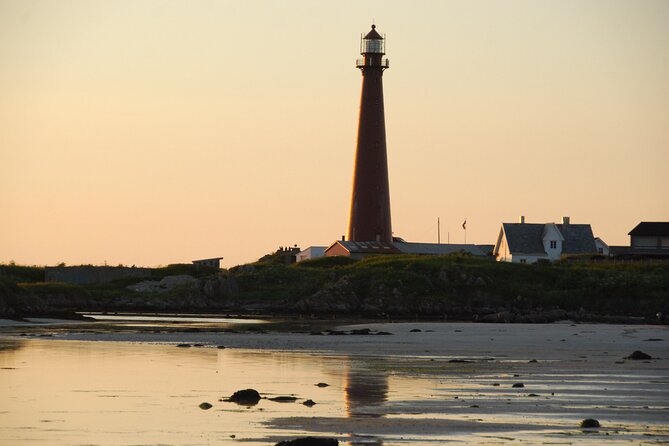
The practical starting point is Hamnegata 69 in Andenes, not a general pickup area. The activity begins at 11:00 am and ends back at the same meeting point. The supplied details identify the experience with Bodø, but the actual departure address is in Andenes, so check your route carefully before booking transport or lodging.
This matters because a boat trip with a fixed morning start is not easy to fit around a long transfer. The information provided does not include transportation from Bodø to Andenes. You should therefore treat Andenes as your base for the outing unless the operator gives you different instructions.
The confirmation arrives when you book. The boat can carry up to 60 people, and the tour is offered in English. Service animals are allowed, and the operator says most people can take part.
Setting out on ALBA
ALBA is a high-speed catamaran, so the trip is designed to cover water efficiently rather than linger close to the harbor. The three to five hour duration gives the crew time to search broad stretches of sea, adjust to conditions, and wait when whales are located.
You can choose between the open viewing decks and the heated inner cabin. The decks are the natural place for wide views and quick sightings, but the cabin is valuable when wind, spray, or cold make a long spell outside unpleasant. A family outing included a 20-month-old baby, and the heated cabin made the boat more workable for that age group.
That does not mean the ride will feel gentle. The schedule has already been changed because of a large swell, with an 11:00 am departure moved to the afternoon. If you are prone to motion sickness, the open sea and high-speed boat are worth considering before you commit. The supplied information does not promise medical support or specific motion-sickness facilities, so bring only what you know you can use safely.
The whale search, not a quick sightseeing loop
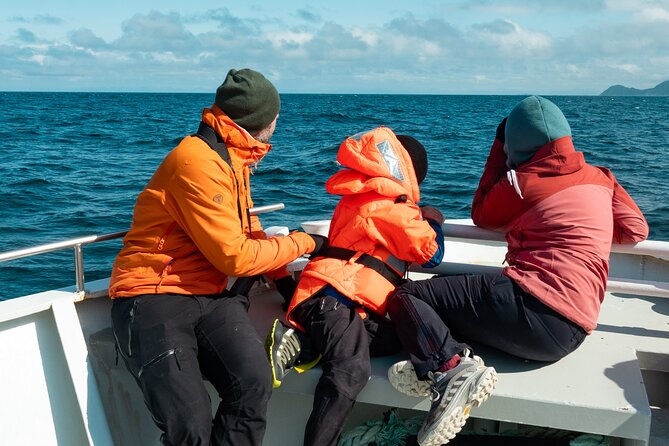
The crew is looking mainly for sperm whales and orcas, but the trip can also include other marine life. Puffins, white-tailed eagles, and Arctic seabirds add interest when the whales are out of sight. The coastal views help fill the quieter stretches, though the main aim remains wildlife.
A marine biologist and local crew provide commentary as the search develops. This is important because open water can look empty to an untrained eye. The guides can explain what the boat is doing, share updates, and direct attention toward signs that you might otherwise miss.
The crew may also use a hydrophone to listen for whale sounds. That gives you something to experience beyond a distant fin or blow. You may hear the animals before you see them, which adds a useful sense of what is happening below the surface.
The best results can require persistence. During one particularly successful afternoon, the guides continued searching and found three sperm whales close by. Two additional sperm whales had already gone below before the boat reached them, and later two groups of orcas appeared unexpectedly. That kind of sequence shows why the full three to five hours matters.
A few more whale watching trips around Norway worth a look
- Tromsø: Whale Watching Tour by Hybrid-Electric Boat
★ 4.5 · 4,217 reviews - From Tromso: Whale Watching in Magic Skjervoy
★ 4.7 · 1,207 reviews - Silent Whale Watching by Hybrid-Electric Boat from Tromsø
★ 4.5 · 1,017 reviews - Bleik: Whale Watching by Speedboat with Puffins and Muffins
★ 4.7 · 326 reviews
Sperm whales, orcas, and the luck factor
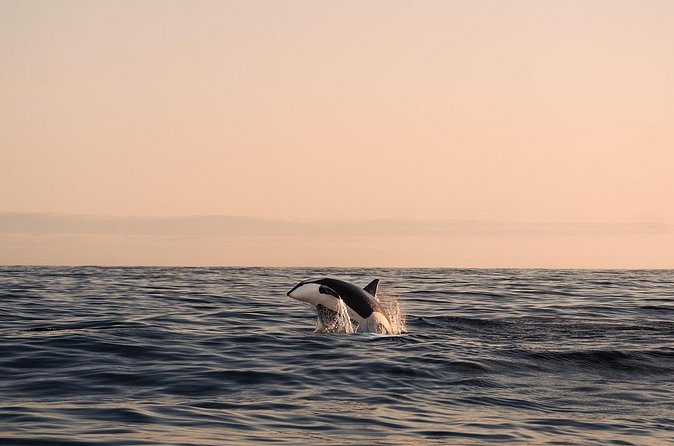
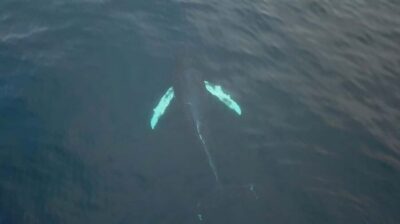
Sperm whales are the main prize here, and the experience can bring you close enough for a memorable sighting. But close is not guaranteed. You might see a whale clearly, catch only part of its movement, or arrive after it has gone below the surface.
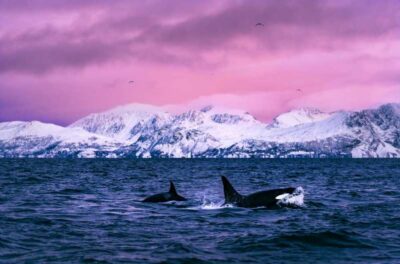
Orcas can be an extra surprise rather than the expected target of every trip. The successful outing found two groups after the guides had already worked hard to locate sperm whales. If orcas are high on your wish list, keep your hopes realistic and treat them as a bonus.
One poor-weather day illustrates the other side of the experience. The 11:00 am departure was postponed to 2:00 pm, and the eventual outing found two whales at a distance. Both were approached from the front of the boat, but more than half of the people aboard did not see anything clearly.
That uneven result is worth taking seriously. A boat can search well and still be in the wrong place at the wrong moment. If seeing a whale is essential to your entire Norway trip, leave room in your schedule for a second attempt, especially since the Whale Pass applies when no whales are seen and another departure has space.
The crew makes a major difference
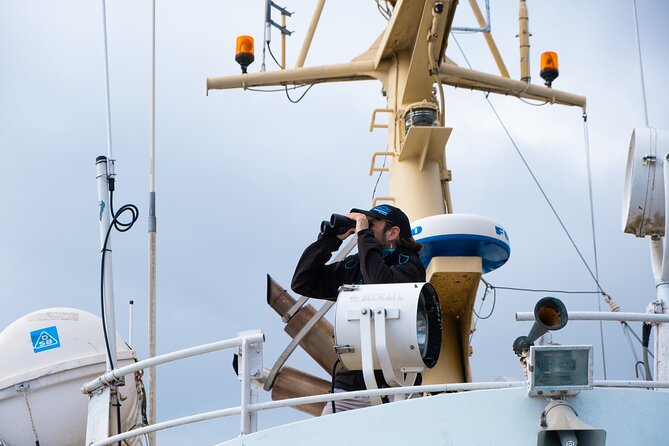
The strongest human detail from the supplied experience is the praise for Alex and Ruud. They were described as attentive, persistent, and especially caring during a family outing. Those qualities matter on a trip where the wildlife cannot be ordered into position.
A good guide also helps you stay engaged during empty stretches. The crew can explain sightings, use the hydrophone, and keep searching instead of treating a quiet sea as the end of the story. I value that effort because it respects both the animals and the people who paid to be there.
The tour is conducted in English. The information does not give a full schedule of commentary or identify every crew member, so you should expect useful interpretation rather than a formal lecture from start to finish.
Soup, coffee, and a warm place to regroup
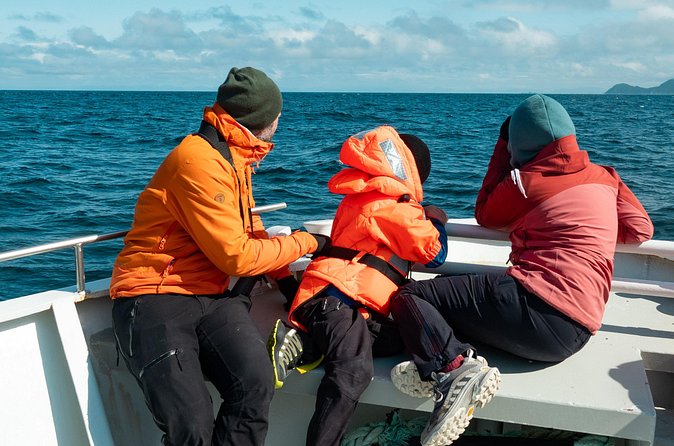
Hot soup, coffee, and tea are served aboard. That sounds modest, but it is exactly the sort of practical touch that helps during a long northern boat ride. You can step inside, warm up, and then return to the deck when the crew spots something.
The heated cabin is especially useful for families with young children. A 20-month-old was able to join one outing because there was an indoor heated space. Still, the boat remains a working wildlife vessel, not a children’s attraction, and conditions at sea can change quickly.
If you want the best chance of seeing wildlife, avoid treating the refreshments as the main event. Keep listening for announcements and watch the crew’s direction. The open deck may offer the clearest view, while the cabin gives you a necessary break from the weather.
Timing changes and weather decisions
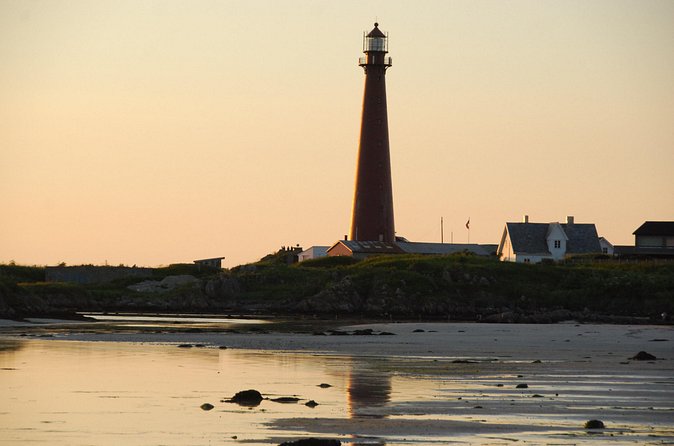
This experience requires good weather. Poor conditions can lead to a later departure, a canceled trip, a new date, or a full refund. The two recorded outings show why the operator may change the schedule: one morning had a large swell, while the later afternoon became sunny and productive.
A delayed start can work in your favor. The changed afternoon departure led to close sperm whale sightings and orcas. But it can also disrupt other plans, meals, or transport. I would avoid booking a tight connection or an important afternoon appointment on the same day.
You can cancel for a full refund if you do so at least 24 hours before the start time. Cancellations or changes inside that 24-hour window are not refunded or accepted, and the cut-off follows local time. If the operator cancels because of weather or insufficient participation, you are offered another date or experience, or a full refund.
Who will get the most from this safari
I would choose this trip if you want a serious attempt to see wild whales and can accept uncertainty. It suits wildlife fans, photographers, families comfortable with a long boat ride, and anyone who enjoys the search as much as the result.
The heated cabin makes it more practical for families than an open-only boat. The English commentary, hydrophone, and marine biologist also give the trip more substance than a simple ride to a scenic viewpoint.
I would hesitate if you have only one narrow time slot, dislike rough water, or need a guaranteed close sighting. The duration can stretch toward five hours, departure times can change, and some people may see little even when the crew works hard.
The group limit of 60 gives you a clear idea of the scale. You will not have a private boat, and the best viewing place may be shared. In return, a larger group can support a professional operation with a fast vessel and trained crew.
Should you book the Andenes whale safari?
Book it if you can give the sea some time. The strongest reasons are ALBA’s speed, the expert-led search, the heated cabin, and the Whale Pass if no whales appear. The chance of seeing sperm whales at close range, with orcas and Arctic birds as possible extras, gives the trip real appeal.
Do not book it as a guaranteed wildlife performance. The experience can produce an extraordinary family day, like the outing with Alex, Ruud, three close sperm whales, and two groups of orcas. It can also produce a long ride and only distant sightings.
My practical advice is to base yourself in Andenes, keep your schedule flexible, and book early if your dates are fixed. The experience is booked an average of 99 days ahead, which suggests that advance planning matters. If you accept nature’s timetable, the $194.35 price can buy a memorable piece of the North Atlantic.
FAQ
Where does the whale safari start?
It starts at Hamnegata 69, 8480 Andenes, Norway, and returns to the same meeting point.
What time does the tour begin?
The scheduled start time is 11:00 am. Weather can cause the departure to move later.
How long does the experience last?
The trip lasts approximately three to five hours.
What animals might I see?
The main targets are sperm whales and orcas. You may also see puffins, white-tailed eagles, and Arctic seabirds.
Is the tour offered in English?
Yes. The experience is offered in English.
What happens if no whales are seen?
The Whale Pass allows you to rebook another tour at no charge, subject to availability.
Can I cancel for a refund?
Yes. You can receive a full refund if you cancel at least 24 hours before the experience starts. Cancellations inside 24 hours are not refunded.
Just added around Norway
- From Svolvær: Whale Watching Day Trip to Andenes★ 3.8 · 27 reviews
- Tromsø: Orca and Whale Watching comfort heated boat Trip★ 4.8 · 107 reviews
- Tromsø: Whale Watching on hybrid boat with scenic bustrip★ 4.1 · 30 reviews
- Tromsø Whale Safari with MS Keiser Wilhelm★ 4.3 · 161 reviews
- Tromsø: Responsible Whale Watching Cruise Aboard MS Alba★ 4.7 · 53 reviews
- Tromsø: 24hr Northern Lights & Whale Watching Cruise★ 4.9 · 46 reviews
- Whale Safari in Tromso★ 4.5 · 63 reviews
- 24hr Northern Lights & Whale Watching Cruise★ 5.0 · 114 reviews
Norway Whale Watching Tours, compared.
Tromsø: Whale Watching Tour by Hybrid-Electric Boat
Read our review →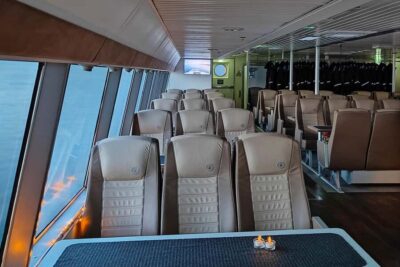
From Tromsø: All-Inclusive Whale & Orca Safari
Read our review →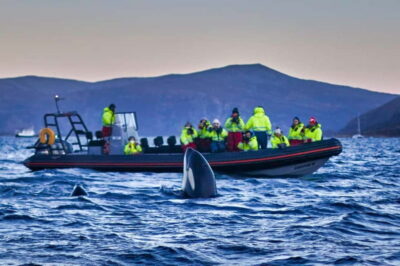
From Tromso: Whale Watching in Magic Skjervoy
Read our review →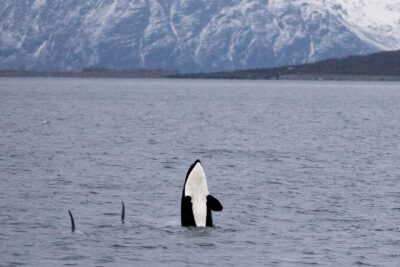
Silent Whale Watching by Hybrid-Electric Boat from Tromsø
Read our review →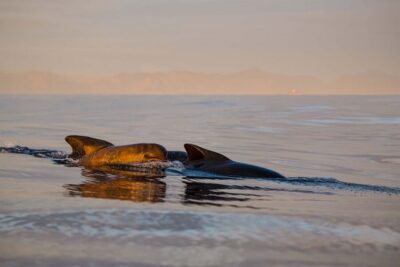
Bleik: Whale Watching by Speedboat with Puffins and Muffins
Read our review →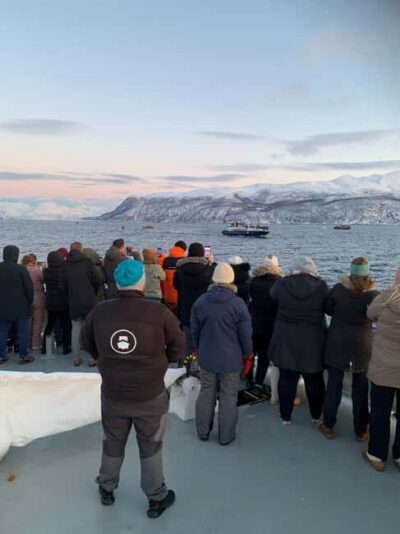
Browse the lists this tour appears in